


The modern enterprise software ecosystem faces an unprecedented escalation in targeted digital extortion as the notorious cybercriminal collective known as Clop—frequently tracked as Cl0p—pivots its formidable operational capabilities toward internet-exposed instances of PTC Windchill and FlexPLM. This aggressive campaign underscores a broader, deeply concerning shift in contemporary threat actor methodology: rather than focusing strictly on traditional perimeter network breaches or conventional endpoint malware, sophisticated extortion syndicates are systematically zeroing in on high-value, centralized repositories of proprietary intellectual property and industrial design data.
At the epicentre of this ongoing digital siege is a severe vulnerability officially designated as CVE-2026-12569. Security researchers and vulnerability intelligence platforms have classified this issue as a critical improper input validation and unsafe deserialization flaw, carrying a maximum CVSS severity score of 9.3. The structural nature of the vulnerability allows unauthenticated remote attackers to execute arbitrary code directly on vulnerable server instances. By leveraging this entry point, malicious actors can seamlessly deploy custom JavaServer Pages (JSP) webshells. These persistent backdoor mechanisms grant operators unfettered remote command execution capabilities, allowing them to systematically comb through compromised Product Lifecycle Management (PLM) platforms and quietly exfiltrate terabytes of sensitive engineering specifications, design schematics, supply chain frameworks, and proprietary manufacturing blueprints without triggering standard alerting mechanisms.

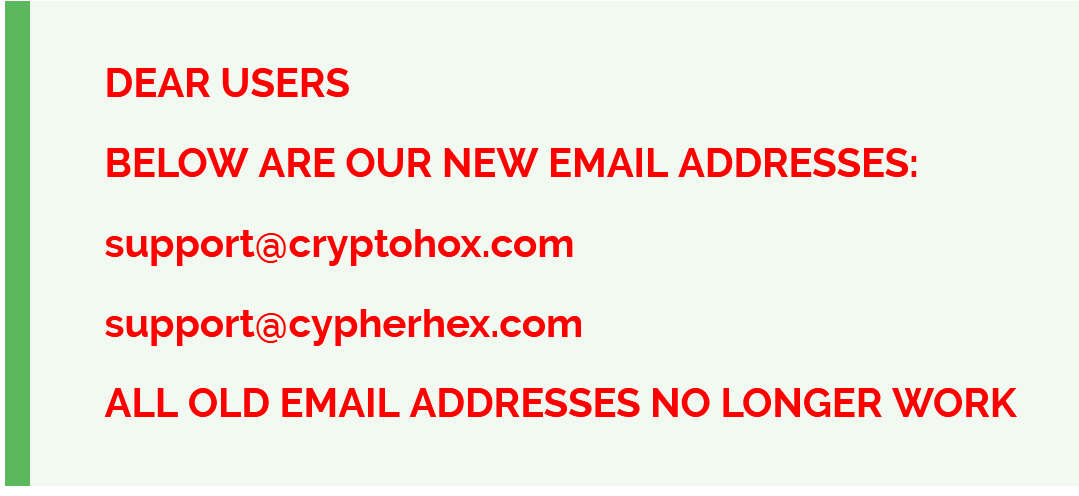
While definitive attribution for the earliest waves of these particular intrusions remains under rigorous investigation by multiple global incident response firms, threat intelligence analysts note that the operational tradecraft, infrastructural hallmarks, and extortion patterns strongly align with past campaigns orchestrated by the Clop syndicate. True to their established psychological warfare playbook, victims of these recent incursions have reported receiving chilling extortion missives originating from freshly minted communications infrastructure, including the address [email protected]. Historically, this criminal enterprise routinely rotates its designated electronic mail conduits, encryption keys, and digital dropboxes immediately prior to unleashing a massive, synchronized wave of corporate shaming and financial extortion.
The discovery of active exploitation in the wild triggered an immediate, high-severity response from enterprise software vendors and governmental cybersecurity regulators worldwide. PTC initiated the staggered rollout of essential security patches designed to remediate CVE-2026-12569. Concurrently, the vendor distributed confidential remediation guidance and urged enterprise system administrators to meticulously audit their localized environments for persistent indicators of compromise. As reports of heightened, weaponized threat activity accumulated across the threat landscape, the United States Cybersecurity and Infrastructure Security Agency intervened by incorporating the vulnerability into its authoritative Known Exploited Vulnerabilities catalog. This mandate forced all federal civilian executive branch agencies to lock down and patch their vulnerable PTC deployments within an exceptionally compressed three-day window.
The urgency of the threat transcended North American borders, generating unprecedented emergency interventions across European jurisdictions. In Germany, the Federal Office for Information Security took the extraordinary step of directly contacting corporate administrators via urgent telephone calls and late-night electronic notifications, warning them that unpatched Windchill and FlexPLM servers presented an existential threat to national industrial security. This aggressive posture mirrors a similar emergency alert issued earlier in the year regarding another critical flaw, CVE-2026-4681, highlighting the profound reliance that modern manufacturing economies place on these specialized digital infrastructure components.

To comprehend the true magnitude of the current crisis, one must examine the critical role that Product Lifecycle Management platforms play in global commerce. PTC Windchill and FlexPLM are not merely administrative databases; they serve as the foundational digital nervous systems for modern product development. These platforms manage the entire continuum of a product’s existence, spanning preliminary conceptualization, rigorous engineering simulation, prototype refinement, global supply chain coordination, regulatory compliance validation, and final large-scale manufacturing. Their deployment is heavily concentrated within industries of vital strategic and economic importance, including aerospace engineering, defense contracting, automotive manufacturing, heavy machinery production, advanced medical technology, and global retail brand management. With PTC solutions underpinning operations for over 30,000 corporate entities globally—including more than 1,500 major retail and brand conglomerates relying exclusively on FlexPLM—the potential surface area for catastrophic data loss is staggering.
The Clop organization’s tactical evolution reflects a long-standing mastery of supply chain and managed file transfer exploitation. Over the past several years, this cybercrime syndicate has orchestrated some of the most disruptive data theft campaigns in digital history. Their operational history reads like a masterclass in zero-day exploitation, featuring massive waves of extortion targeting Accellion File Transfer Appliance servers, GoAnywhere MFT instances, SolarWinds Serv-U FTP utilities, Cleo software deployments, and the infamous MOVEit Transfer attacks. The latter campaign alone compromised more than 2,770 distinct organizations worldwide, demonstrating the group’s capacity to scale automated exploitation across disparate enterprise architectures with ruthless efficiency.
More recently, the collective turned its sights toward Oracle E-Business Suite (EBS) environments, exploiting a zero-day vulnerability that compromised an elite roster of prestigious academic institutions, multinational media outlets, and global corporations. Victims of that specific campaign included prominent names such as Harvard University, The Washington Post, GlobalLogic, the University of Pennsylvania, Logitech, Estée Lauder, Korean Air, and American Airlines subsidiary Envoy Air. The methodology remains chillingly consistent: after breaching the targeted corporate perimeter via an unpatched software vulnerability, the attackers quietly exfiltrate massive volumes of proprietary documentation. If the victimized organization refuses to capitulate to extortion demands and pay the mandated ransom, the syndicate publishes the pilfered archives on its dark web leak site, frequently providing direct Torrent downloads to maximize the public embarrassment and regulatory fallout for the affected enterprises.
The global security community’s frustration with the persistent tenacity of the Clop syndicate is mirrored by official state-level crackdowns. The United States Department of State has formally established a multi-million-dollar bounty program, offering up to $10 million for actionable intelligence linking the leadership, infrastructure, or operational nodes of the Clop ransomware enterprise to foreign state-sponsored intelligence services or protected safe havens. Despite these international law enforcement pressures, the group continues to adapt, demonstrating that financial motivations and geopolitical shields remain potent catalysts for sophisticated cybercrime.
In the wake of the Windchill and FlexPLM exploitation wave, premier cybersecurity advisors have outlined stringent defensive postures for affected enterprises. Organizations utilizing these platforms are strongly urged to apply all available vendor patches immediately. Furthermore, security architects recommend decoupling these critical servers from direct exposure to the public internet by placing them firmly behind hardened virtual private networks or zero-trust access gateways. In instances where compromise is suspected, security teams must immediately isolate affected servers from the broader network topology, harvest exhaustive forensic artifacts, and execute comprehensive credential rotation protocols across all associated service accounts before attempting to restore operational status.
The unfolding crisis surrounding the weaponization of enterprise PLM software serves as a sobering reminder of the fragile nature of industrial cybersecurity. As threat actors refine their capabilities to target the intellectual core of global manufacturing and engineering, organizations can no longer afford passive patch management strategies. Proactive threat hunting, rigorous vulnerability prioritization, and comprehensive breach and attack simulation testing are now mandatory prerequisites for survival in an increasingly hostile digital landscape where a single unpatched input validation flaw can compromise the crown jewels of international industry.
