

The rapid evolution of artificial intelligence has transformed from a technological curiosity into a core pillar of modern digital workflows. While Google’s Gemini has emerged as a formidable contender—thanks in large part to its aggressive integration into the Android ecosystem and its vast, interconnected suite of productivity tools—it has yet to achieve the total dominance many anticipated. Despite the deep utility offered by a Google AI Pro subscription, my personal and professional reliance on ChatGPT remains unwavering. This isn’t a result of brand loyalty, but rather a pragmatic assessment of where each platform currently stands in terms of capability, reliability, and user-centric design.
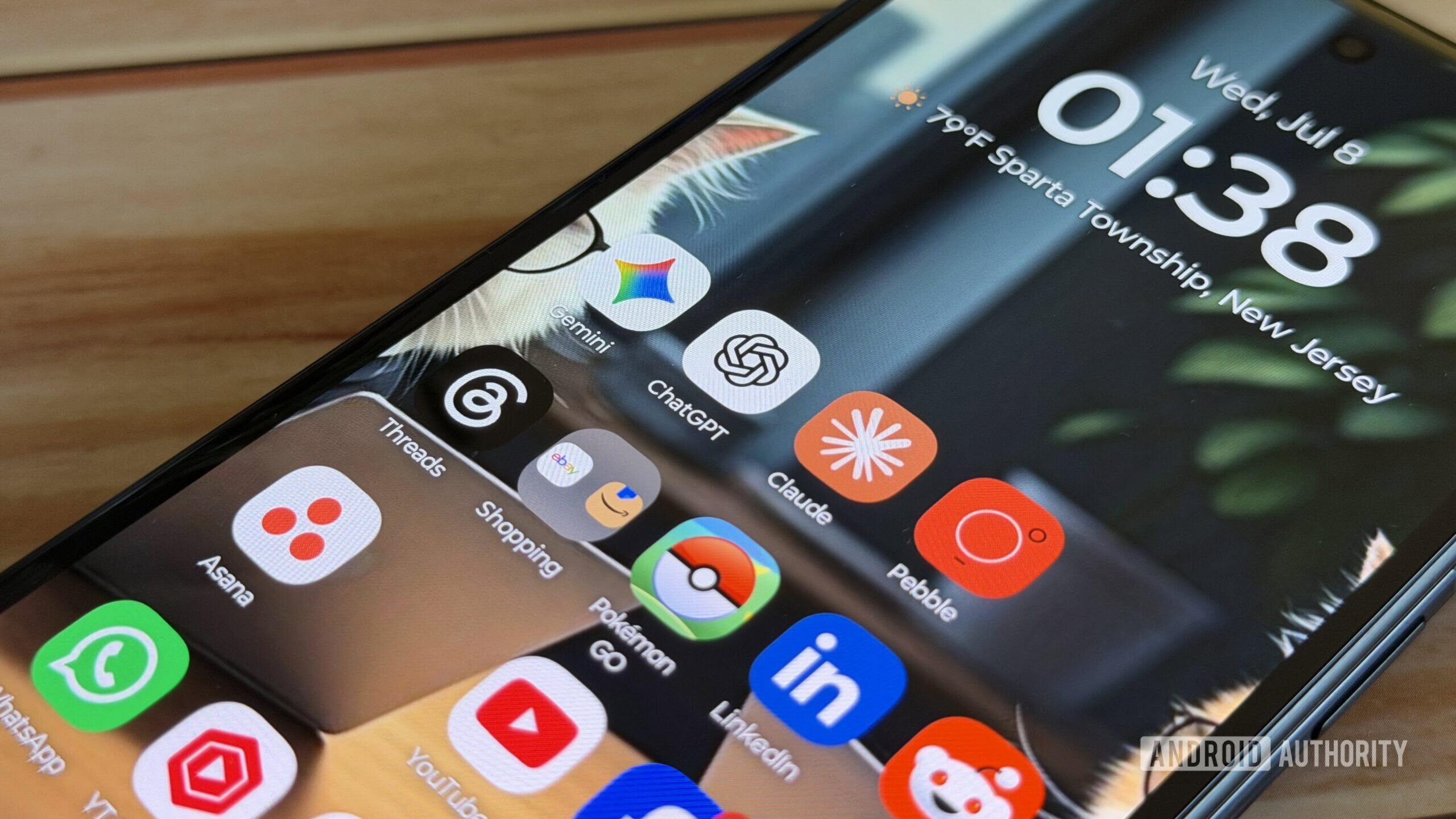
The AI landscape is currently defined by a "platform war" between ecosystems that prioritize native OS integration and those that prioritize model performance and third-party flexibility. Google has bet the house on the former, effectively positioning Gemini as a ubiquitous digital assistant that lives inside your email, documents, and mobile interface. However, in the trenches of daily production, the "first-mover advantage" held by OpenAI still manifests in subtle yet profound ways. My workflow necessitates a level of friction-free interaction that, despite all of Google’s R&D, still favors the environment built by OpenAI.
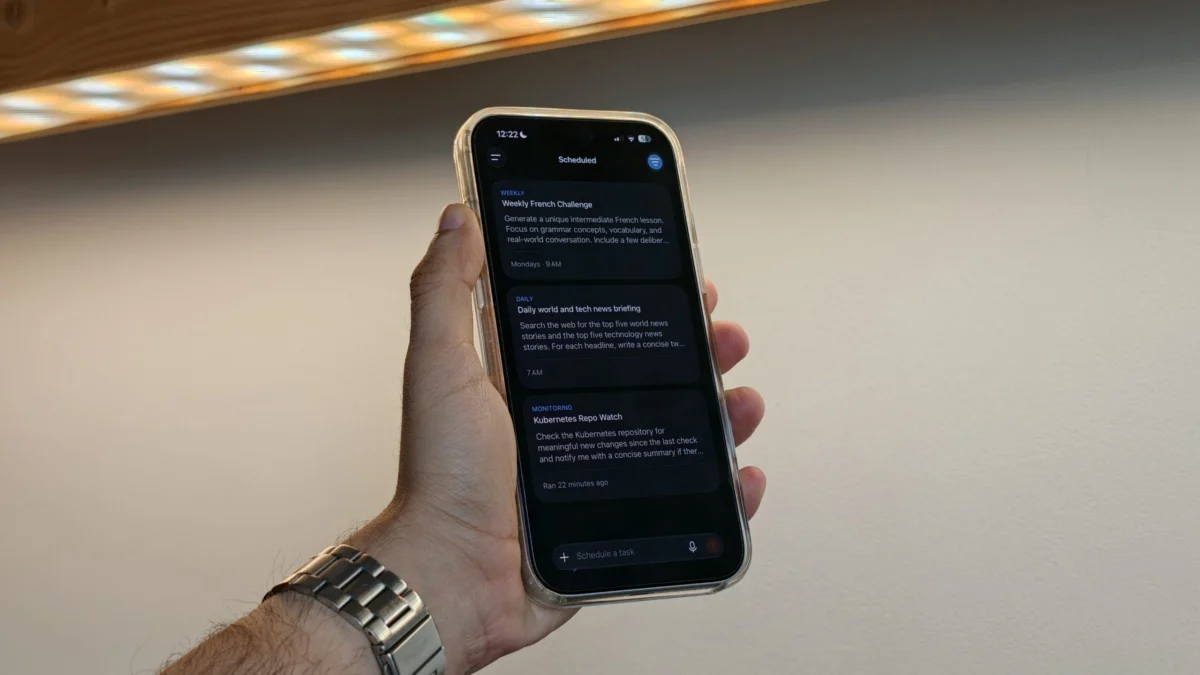
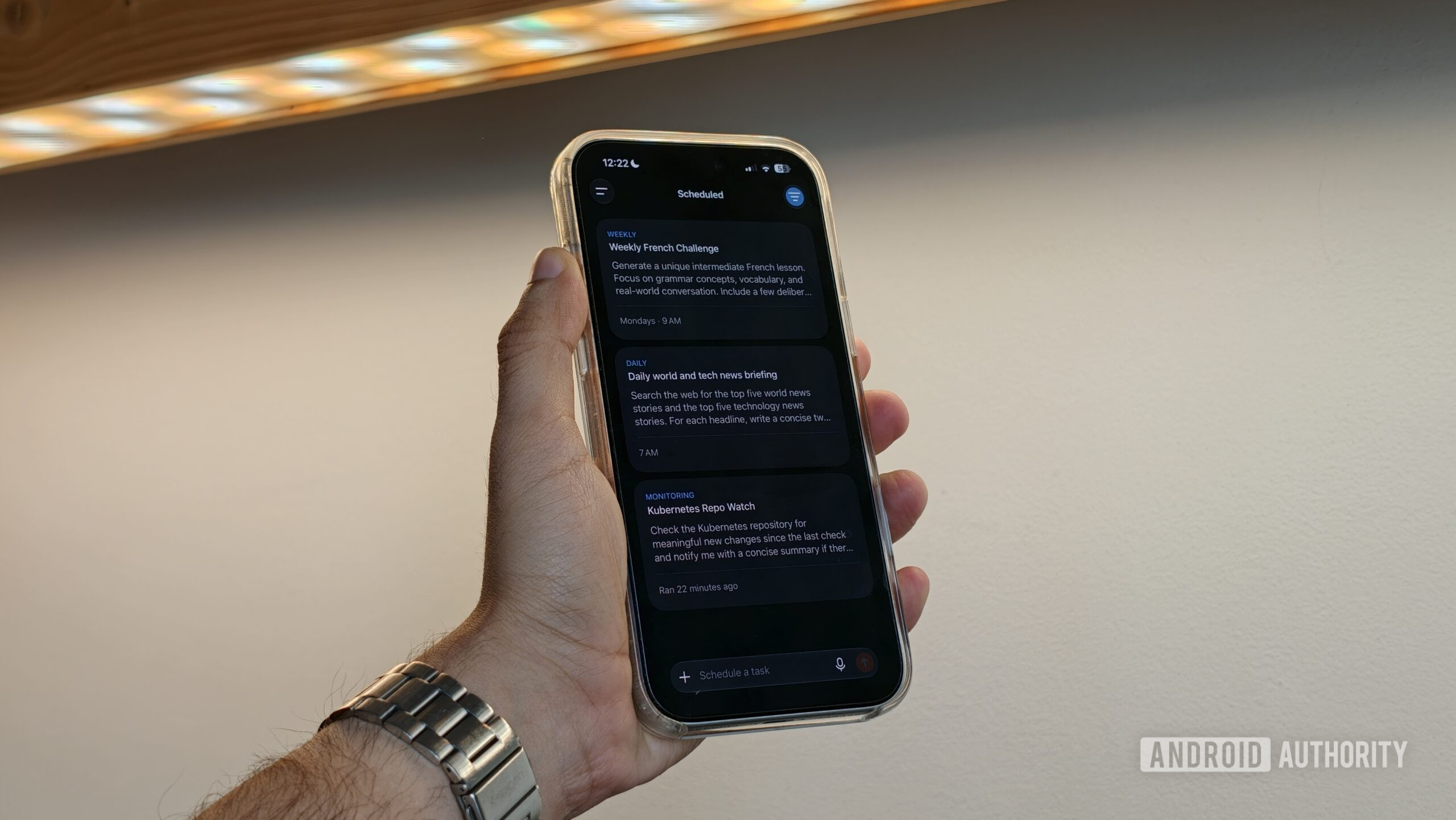
One of the most persistent hurdles I encounter with Gemini is its inconsistent adherence to complex, multi-layered instructions. When building sophisticated automation or data management systems—such as a custom expense tracking model—the nuance of a prompt is everything. I have frequently observed Gemini selectively ignore specific constraints or omit steps in a multi-part directive, essentially failing to maintain the necessary focus required for logic-heavy tasks. Furthermore, the reliability of its "scheduled tasks" feature has been erratic at best. When an AI tool’s core value proposition is the automation of repetitive work, any failure in reliability acts as a critical point of friction. In contrast, the stability I have experienced with ChatGPT over the years creates a baseline of trust that is difficult for a newer, more experimental service to displace.
Beyond mere task execution, there is the intangible but vital element of context retention. Over years of engagement, my ChatGPT environment has evolved into an extension of my own knowledge base. It holds the "memory" of previous projects, preferred writing styles, and nuanced technical requirements. While Gemini touts advanced "Personal Intelligence" capabilities and offers tools to import historical data from competing services, the transition remains far from seamless. The cognitive load required to rebuild that shared context in a new environment is significant, and until a platform can truly replicate the depth of a long-term user-AI relationship, it will always feel like starting from scratch.
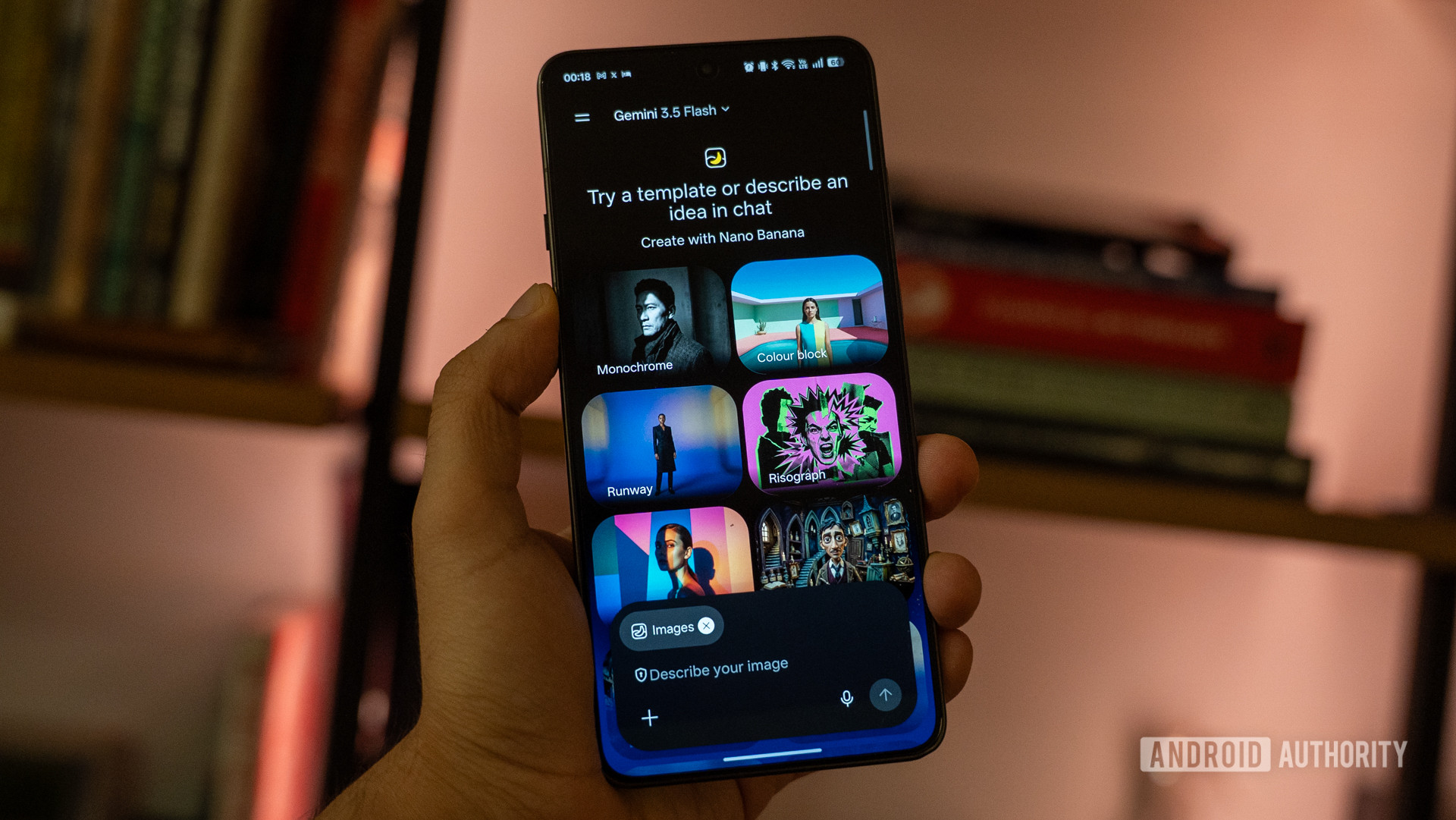
Visual output is another arena where the gap between these two titans is surprisingly visible. While Gemini has made strides in generative imagery, particularly through its specialized nano-models, the output often lacks the fidelity and precise control required for professional applications. Whether it involves complex vector generation or the subtle color correction of existing assets, Gemini frequently struggles to adhere to specific color profiles or hex codes. It often produces images that feel "off"—either overly saturated or lacking in necessary depth. OpenAI’s image generation model, by comparison, exhibits a superior ability to follow granular stylistic prompts and maintain consistency throughout iterative editing cycles. For a professional, waiting an extra sixty seconds for a high-quality, accurate image is a trade-off I am more than willing to make.
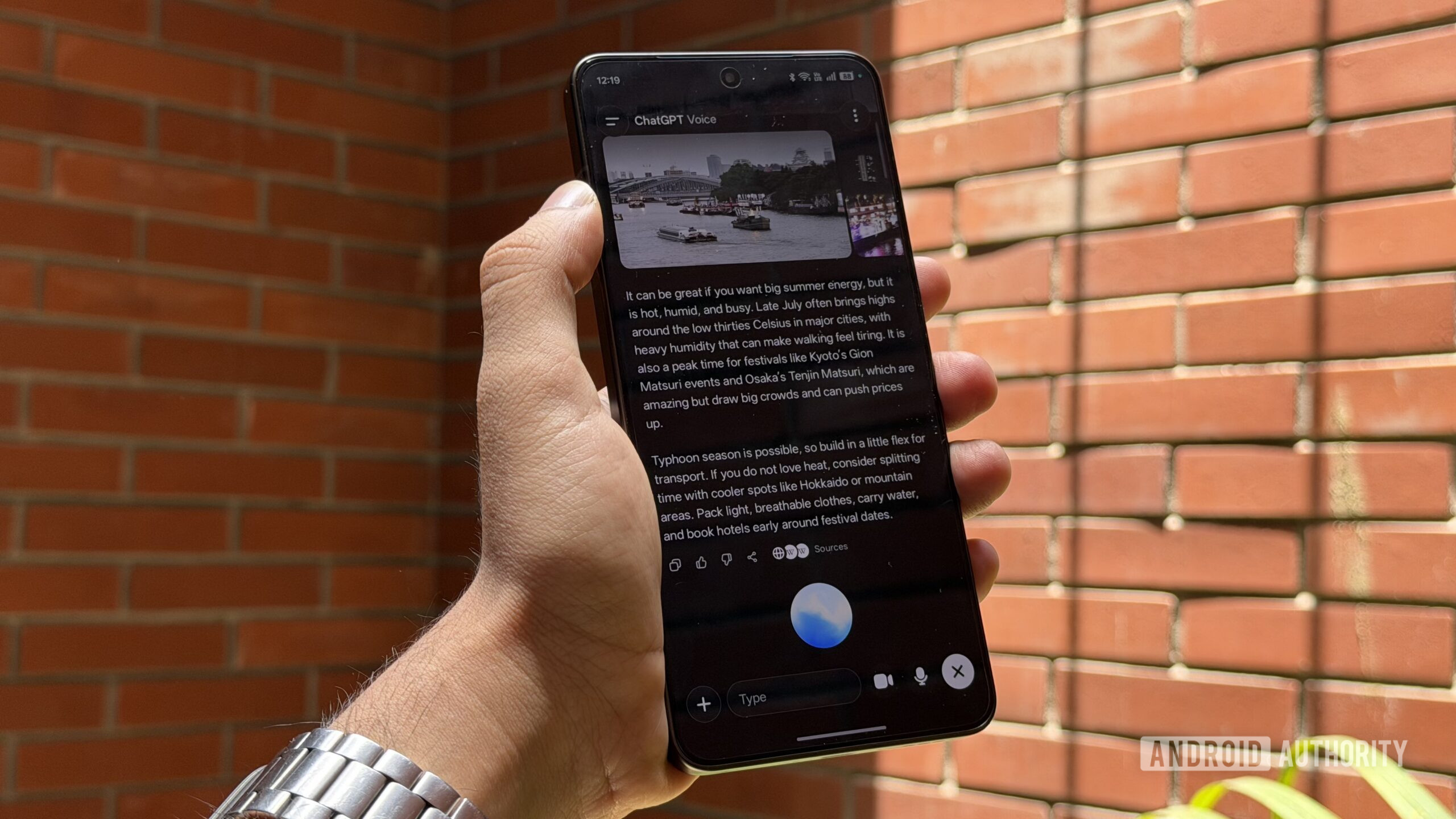
Perhaps the most ironic shortcoming of Gemini is its performance regarding real-time web retrieval. Given Google’s historical dominance as the world’s primary search engine, one would expect its flagship AI to be the undisputed champion of information gathering. In practice, however, it is surprisingly mediocre. When tasked with scanning a specific list of niche tech publications to curate a daily news summary, Gemini often misses granular updates or fails to capture the full context of a developing story. ChatGPT’s ability to synthesize information from a wide variety of sources in a structured, comprehensive manner often proves more reliable for my morning research requirements. This suggests that while Google has the data, the model architecture behind Gemini’s search integration may still be struggling to prioritize information relevance with the same efficacy as its rival.
The final, and perhaps most decisive, factor is the walled garden effect. Gemini is undeniably powerful if your life is lived entirely within the Google Workspace—connecting to Gmail, Drive, and Keep with ease. However, modern professional life is rarely confined to a single ecosystem. We use Slack, Spotify, Apple services, Notion, and various specialized industry tools. ChatGPT’s architecture is fundamentally more open, allowing for a broader range of integrations that act as a bridge between disparate platforms. Whether it is generating playlists across different streaming services, interacting with third-party travel aggregators, or editing designs through Canva, ChatGPT feels like a modular hub rather than a closed-loop system.
This has resulted in a fascinating shift in user behavior. My reliance on ChatGPT has become so deeply ingrained in my "muscle memory" that the URL is the first thing I type when I encounter an intellectual bottleneck. It is a reflex. This habit-forming nature is the ultimate goal of any tech company, and it is a hurdle that Google will find difficult to clear. Changing a user’s behavior requires more than just adding features; it requires a fundamental shift in the quality of the daily experience.
As we look toward the future of AI, the competition between these platforms will likely drive unprecedented innovation. The industry is moving toward "agentic" workflows where AI doesn’t just answer questions but executes tasks across the entire digital stack. If Gemini is to eventually replace my ChatGPT subscription, it will need to move beyond its current state of "potential" and demonstrate a level of polish and third-party interoperability that matches its raw ambition. For now, the premium I pay for both services is a testament to the fact that no single AI model has yet managed to capture the entirety of a professional’s needs. We are currently in a transition period where the "best" tool is often a hybrid approach, leveraging the strengths of one platform while acknowledging the gaps that only another can fill. For the foreseeable future, my browser will continue to hold tabs for both, as each serves a distinct, albeit overlapping, purpose in an increasingly complex digital landscape.
