

The ritual of the modern evening has become a paradox of abundance. We sit down, primed for relaxation, only to be confronted by a sprawling digital labyrinth of content. Every major streaming platform is locked in an arms race to capture our attention, resulting in home screens cluttered with "Recommended for You" carousels that feel increasingly disconnected from our actual tastes. We have arrived at a point where the sheer volume of choice has triggered a widespread case of "streaming fatigue." We spend more time scrolling through endless, algorithmically generated tiles than we do actually consuming the media we pay for.
This is the central friction point of the contemporary living room: the disconnect between how we discover content—which happens socially and spontaneously on our smartphones—and how we consume it, which is still chained to the archaic, remote-controlled interface of the television. However, a nascent shift is underway, driven by experimental AI integration that promises to turn the television from a static display into a responsive, conversational partner. By leveraging the familiar, high-fidelity input of our smartphones, we are seeing the first genuine attempt to solve the discovery crisis that has plagued smart TV ecosystems for over a decade.
The Structural Failure of Modern Discovery
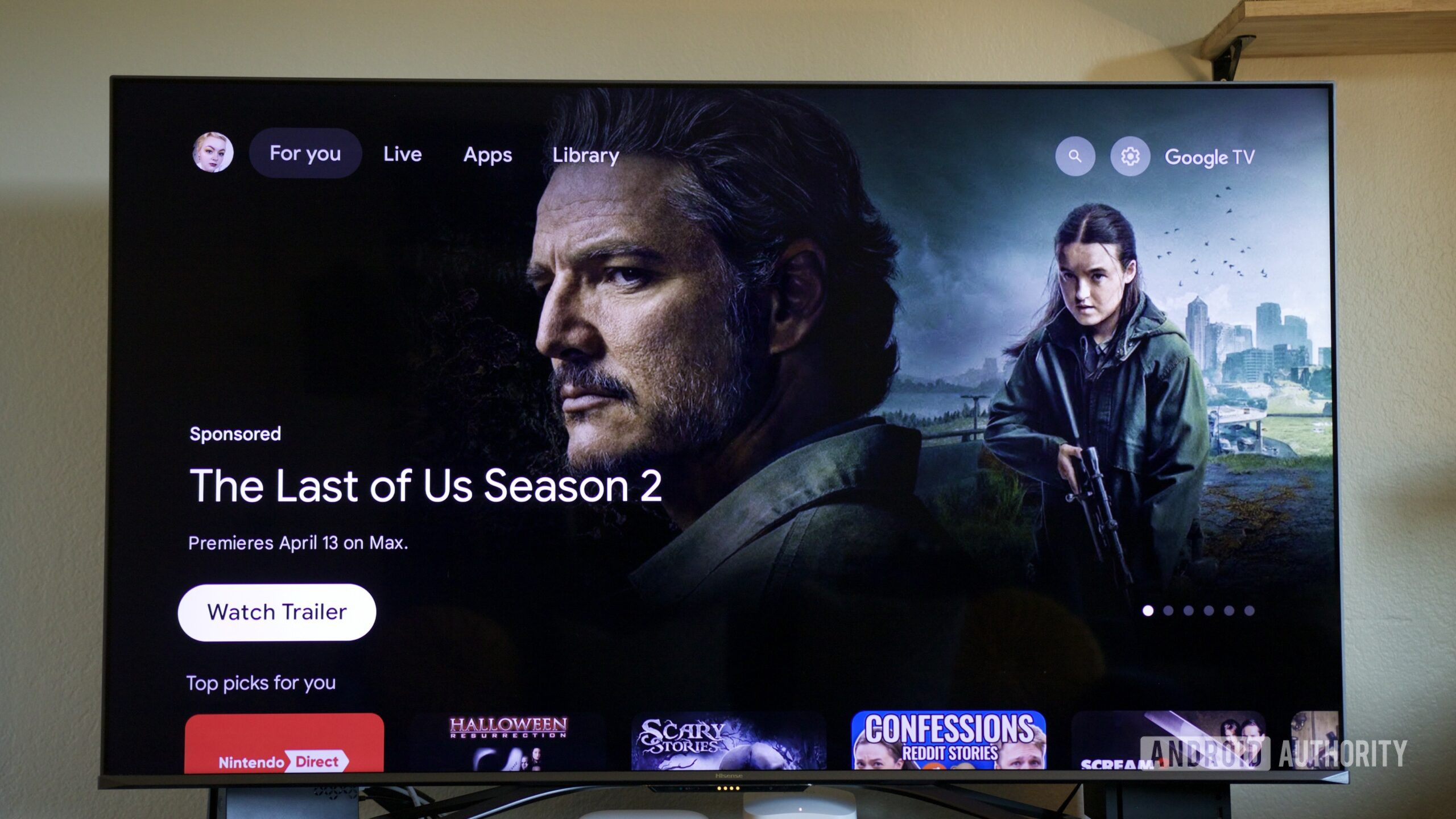
The current state of smart TV interfaces, including major platforms like Google TV, is built on a fundamental misunderstanding of user behavior. Most TV operating systems are designed to maximize "time on page" through dense, grid-based layouts and aggressive, auto-playing trailers. These systems treat discovery as a passive activity, assuming that if you scroll long enough, you will eventually stumble upon something you like.
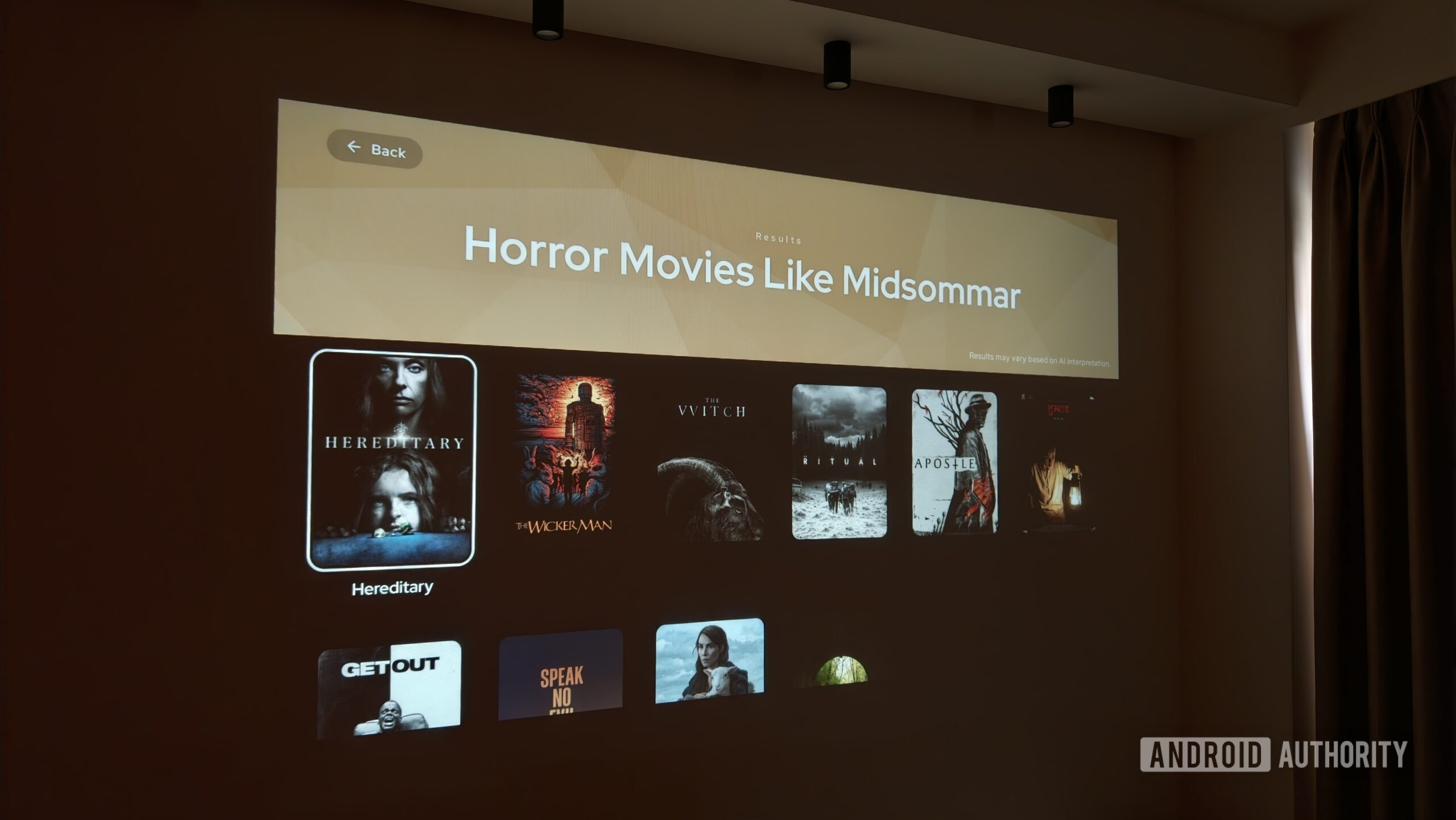
This model ignores the nuance of human taste. A viewer who enjoys a slow-burn, atmospheric horror film like Midsommar is not necessarily looking for the next "trending" horror movie on a platform’s main page. They are looking for specific thematic connections—the visual language of folk-horror, the pacing of 70s cinema, or the director’s stylistic fingerprints. Yet, current algorithms largely operate on broad genre tags, failing to bridge the gap between niche interests and the actual streaming libraries available to us.
Furthermore, our discovery process has migrated almost entirely to the mobile ecosystem. We find movies via Reddit threads, Instagram Reels, and group chats. When we find something compelling, the bridge to the television is broken. We must manually search for the title, hope the TV’s voice assistant recognizes it correctly, and then navigate to the specific app that holds the licensing rights. It is a multi-step, high-friction process that ruins the momentum of a spontaneous viewing decision.
The Conversational Breakthrough
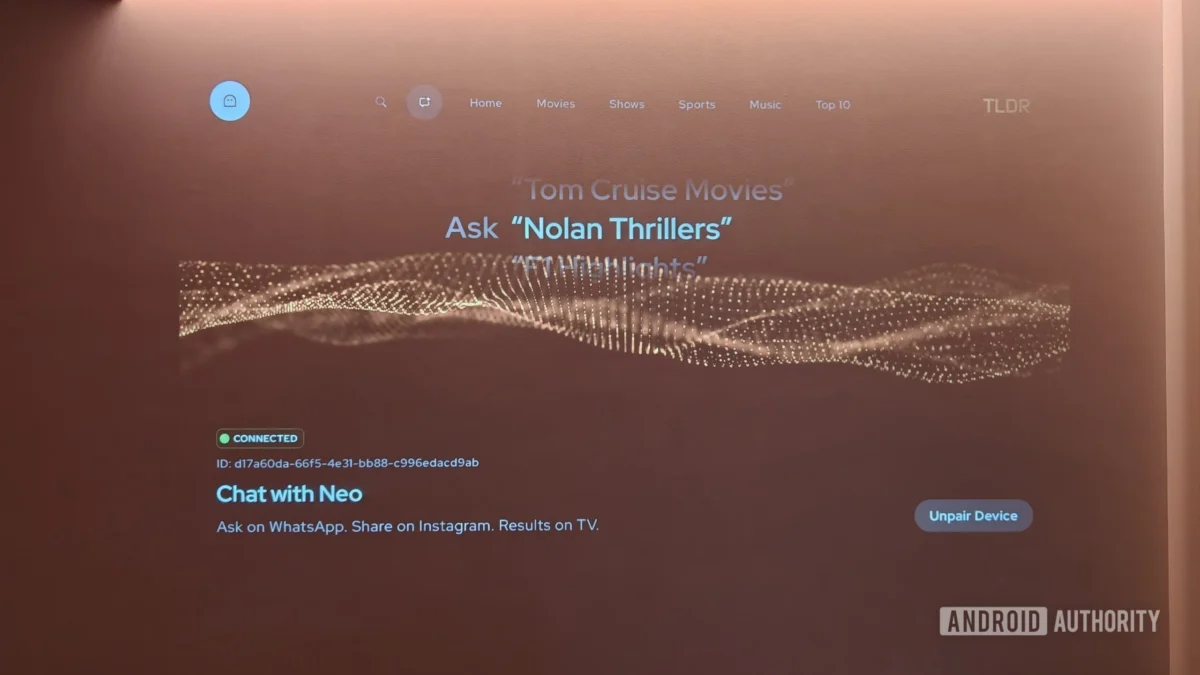
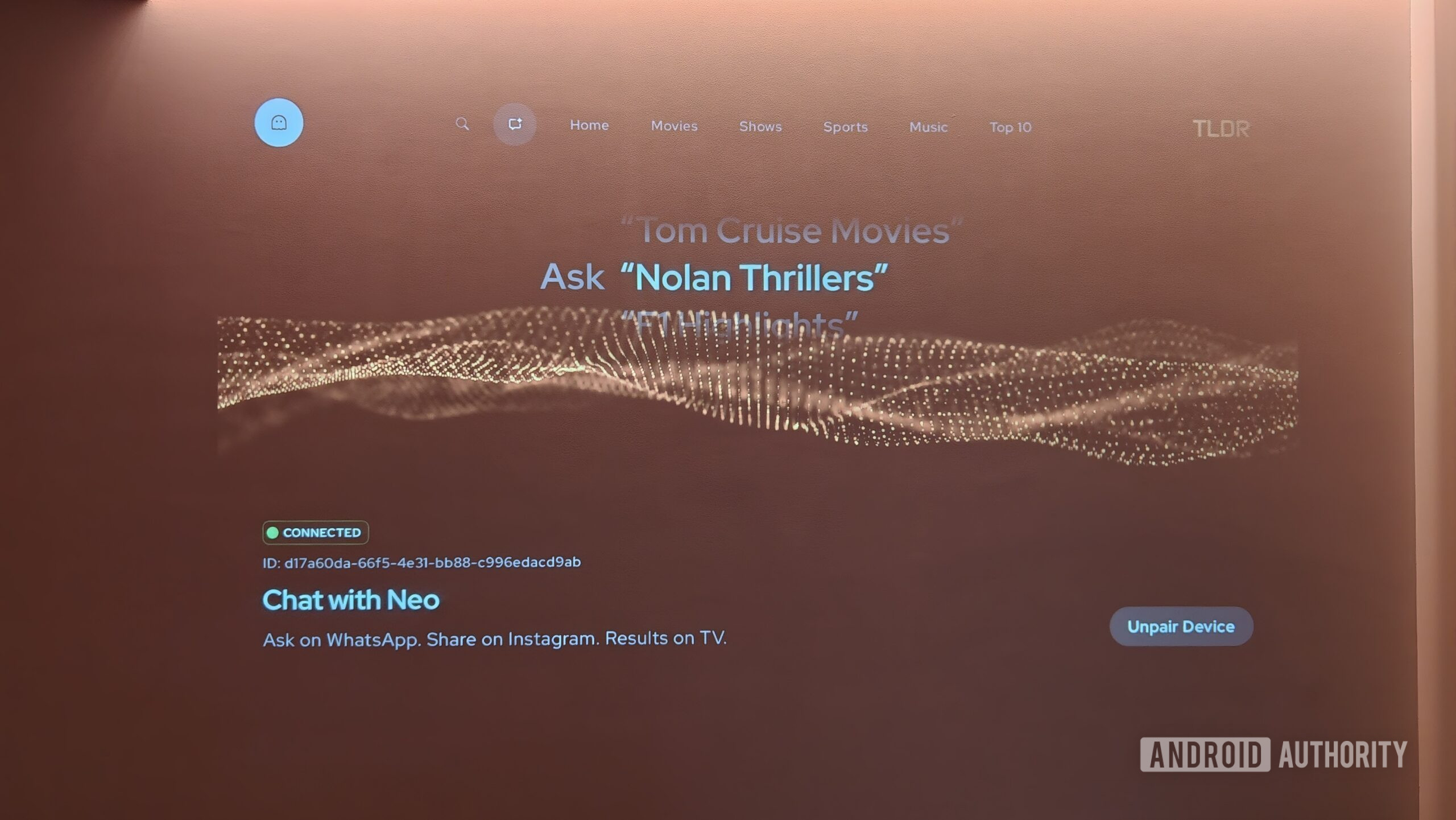
A fresh approach to this problem comes from Project Neo, an ambitious initiative that treats the television not as a closed, self-contained system, but as an extension of the mobile device. By utilizing a conversational AI agent that lives within common messaging platforms like WhatsApp, this system bypasses the limitations of the traditional TV remote.
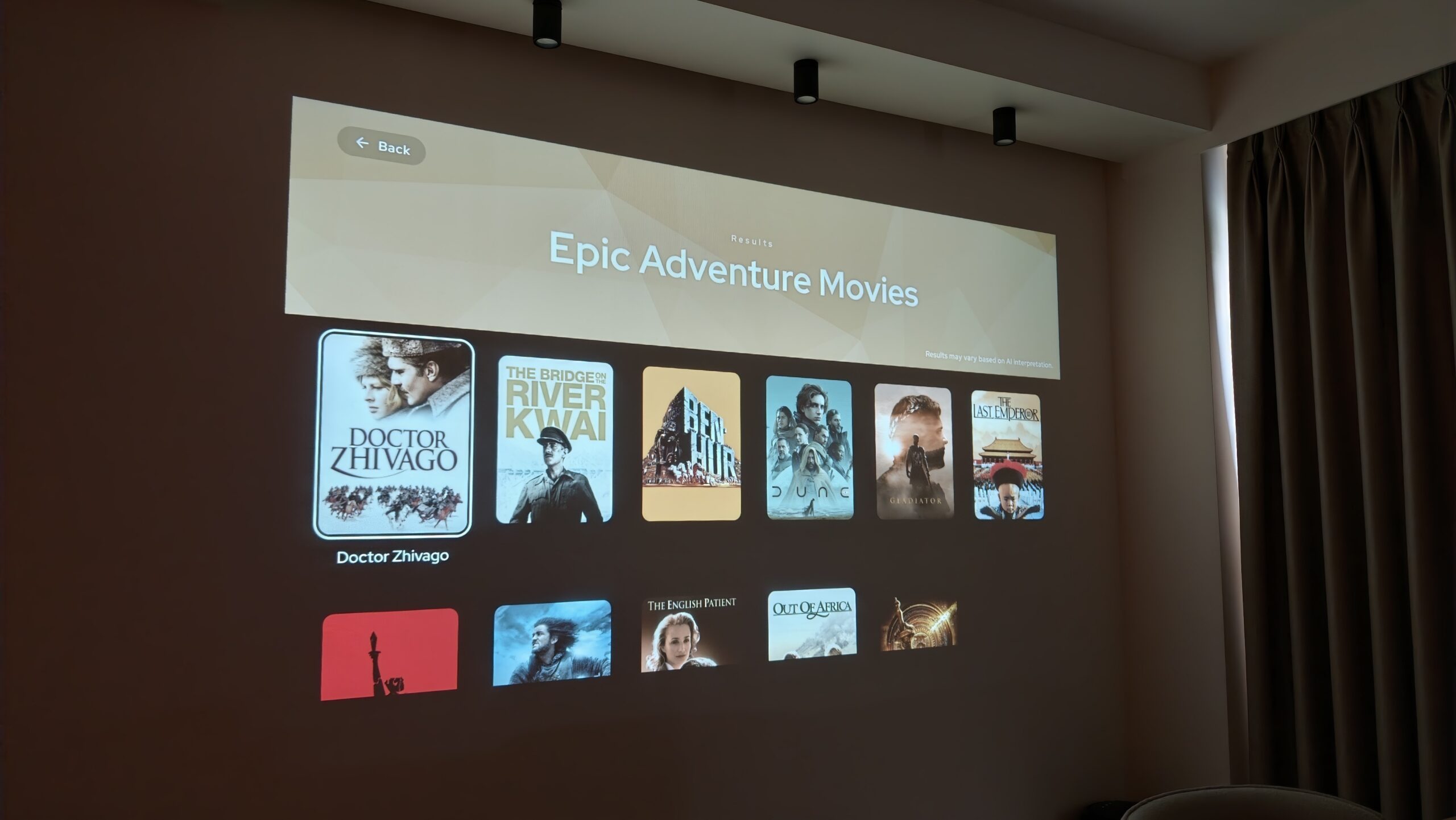
The mechanism is deceptively simple: users link their TV to an AI agent via a QR code. From that moment on, the television is essentially "on call." Instead of scrolling through menus, you treat your TV like a knowledgeable friend. You can send a text or a voice note asking for a "90-minute neo-noir film with high critical ratings," or you can forward an Instagram Reel of a trailer you just watched. The AI parses the request, identifies the content, checks your available subscriptions, and queues it up on the big screen.
This is a significant departure from standard voice assistants, which often struggle with complex, multi-layered queries. The use of a large language model (LLM) allows for nuance, slang, and context-aware conversation. It understands that you want a movie "like" a specific title, not just a movie in the same genre category. It effectively creates a personalized, intelligent librarian for your entertainment library.
Social Integration: Bridging the Mobile-to-TV Gap
Perhaps the most potent aspect of this shift is the integration of social media workflows into the viewing experience. We frequently curate watchlists on Instagram or TikTok, yet those recommendations rarely make it to our actual TVs. By allowing users to "share" content directly from their phone’s social feeds to their television, the system solves the "discovery-to-viewing" gap.
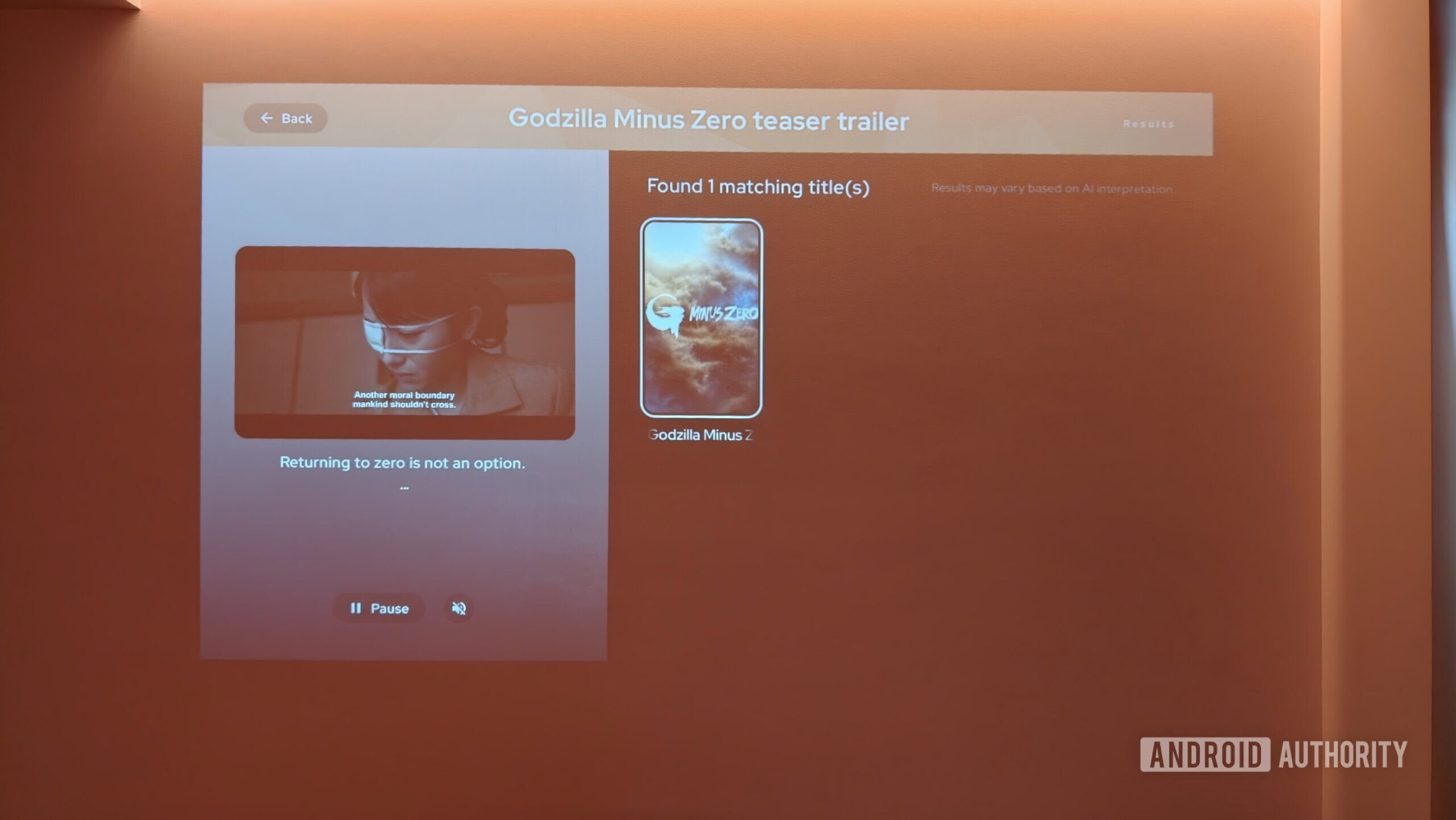
When you forward an Instagram link to the AI, it does more than just play the video; it generates a metadata card on the TV. This card includes the film’s synopsis, cast, and, crucially, a direct link to the app where it is currently streaming. If you aren’t signed into that specific service, it doesn’t leave you hanging—it guides you to the relevant platform. This level of utility transforms the smartphone from a distraction into a powerful remote control that functions with the speed and precision of a keyboard.
Industry Implications and the Road Ahead
The emergence of such technology highlights a broader, industry-wide recognition that the "remote-as-input" era is reaching its logical conclusion. The future of the living room is not a better remote; it is the abandonment of the remote in favor of intent-based, conversational interfaces.
However, there are significant hurdles to mass adoption. First is the "walled garden" problem. Most smart TV platforms are highly restrictive regarding deep-linking into third-party apps. A third-party AI, no matter how intelligent, will always struggle to exert full control over a locked-down operating system. This is why the current iteration of these tools often requires manual interaction to initiate the final playback.
Second, there is the latency issue. Relying on an LLM to process natural language requests introduces a delay that, while negligible in a text chat, feels jarring on a high-speed TV interface. As these models become more efficient and are integrated closer to the edge—perhaps processing on the device itself—this latency will vanish, but for now, it remains a reminder that the technology is in its infancy.
Finally, the ecosystem fragmentation is a barrier. If these solutions remain tethered to specific hardware manufacturers, their reach will be limited. For this to become the standard, the major players—Google, Apple, and Roku—must embrace a more open, conversational architecture that allows AI agents to interact directly with the deepest layers of their streaming platforms.
The Future of the Living Room
We are standing on the precipice of a more intuitive entertainment experience. The goal is a seamless "ambient" interface where the television anticipates your needs based on the context of your life. Imagine an AI that knows you just finished a long, stressful work week and, based on your viewing history and a quick conversation, suggests a specific type of documentary that you haven’t seen but is likely to interest you.
The successful implementation of these tools will force a change in how streaming services package their content. If an AI can jump between platforms, the value of an exclusive library becomes more critical, but the value of a proprietary, user-hostile interface diminishes. The platform that wins the next decade will not be the one with the most flashy tiles, but the one that allows for the most frictionless, intelligent interaction.
Google, with its immense resources and control over both the Android TV OS and the Gemini AI platform, is uniquely positioned to lead this transition. By taking the "playbook" of conversational, social-linked discovery and baking it into the foundation of the TV operating system, they could render the current, clunky menu systems obsolete overnight.
The experiment of letting an AI take the reins of a television for a week is not merely a clever tech trick; it is a proof of concept for a necessary evolution. We have spent long enough fighting our televisions for control. It is time for the living room to become a space where technology serves our curiosity, rather than forcing us to navigate the limitations of an outdated, grid-based menu. The future of streaming is not more content—it is the intelligence to find the right content, at the right time, with the least amount of effort.
