

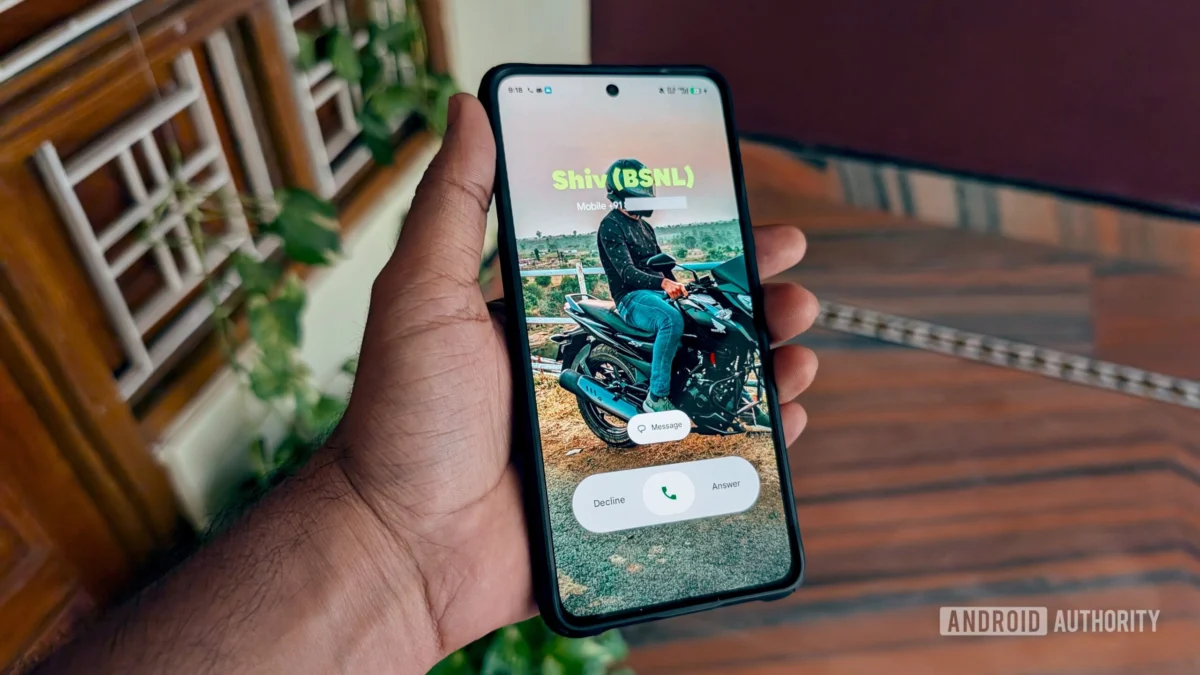
The ecosystem surrounding Google’s Android operating system continues its incremental expansion, moving sophisticated software features from the smartphone core to peripheral devices. The latest development centers on "Calling Card," Google’s answer to visually rich, customizable caller identification screens, which appears poised to transition from Pixel phones to the wrist-worn Pixel Watch lineup. This impending integration, subtly hinted at through documentation updates, marks a significant step in unifying the user experience across Google’s hardware portfolio and addresses a key functional gap that has persisted since the feature’s initial rollout.
Contextualizing the Calling Card Evolution
To fully appreciate the significance of this rumored Wear OS expansion, one must recall the genesis of the Calling Card feature itself. Launched as a compelling software differentiator, Calling Card essentially reimagines the standard, often sterile, incoming call interface. Drawing inspiration from Apple’s Contact Posters, it allows users to assign high-impact, full-screen visual presentations—complete with custom typography and background imagery—to specific contacts. This transforms a routine notification into a personalized interaction cue.
Upon its debut, the feature was met with enthusiasm, but also notable critique regarding its initial limitations. The first major hurdle addressed was the lack of user control; early iterations offered predefined templates, stifling personalization. Google rectified this oversight relatively recently, notably through an update in the March Pixel Drop, granting users the creative latitude to design their own visual calling identifiers. This move demonstrated a commitment to user-driven customization, aligning the feature more closely with modern expectations for mobile personalization.
However, the second, more persistent limitation was the absence of synchronization across Google’s burgeoning hardware ecosystem, particularly its wearables. For users heavily invested in the Pixel experience, the lack of synchronized caller identification across their phone and their Pixel Watch represented a noticeable friction point. A visually rich call on the phone was still met with a rudimentary notification on the wrist, undermining the seamless connectivity that premium smartwatch platforms promise.
Documentation as a Deployment Indicator
The current indicator suggesting that this Wear OS disparity is about to close comes not from an official press release, but from the meticulous updates to Google’s official support documentation. A dedicated section specifically detailing the setup process for Calling Card on Wear OS devices has surfaced. This inclusion is far more substantive than a simple mention; it outlines precise prerequisites, functioning as a soft launch announcement preceding the official feature rollout.
Analysis of these documentation details reveals a clear focus on Google’s proprietary hardware stack. The requirements explicitly target the Pixel Watch 2 or subsequent generations, mandating operation on Wear OS 4 or a newer iteration, alongside a minimum version (150 and higher) of the Phone by Google application. Furthermore, the companion Pixel phone must meet parallel requirements: Android 14 or later and Phone by Google version 210 or higher. This strict pairing reinforces Google’s strategy of tethering advanced software features closely to its hardware ecosystem, a common approach observed across major tech platforms seeking to maximize the value proposition of their integrated devices.
The operational mandate is also clearly defined: “A connection between the Pixel watch and the Pixel phone must exist. When you make calls, the Calling Card displays on the watch if its available on the connected phone.” This confirms that the watch acts as a display mirror for the visual asset generated or managed by the phone, rather than possessing independent rendering capabilities for these rich visuals. The system relies on stable, continuous Bluetooth or Wi-Fi connectivity between the two devices to push the full-screen visual context.
Industry Implications: The Battle for the Wrist
The extension of Calling Card functionality to the Pixel Watch is more than a mere feature parity update; it has significant implications for the competitive landscape of smartwatches, particularly concerning the interplay between operating systems and communication utilities.
1. Deepening the Pixel Ecosystem Lock-in: By restricting this visually enhanced communication feature initially to Pixel Watches, Google strengthens the argument for purchasing the entire suite of Pixel hardware. In a market where hardware differentiation is often incremental, deeply integrated software experiences become crucial selling points. If a user values the customized calling experience, they are incentivized to select a Pixel Watch over a device running a different watch OS or one heavily skinned by another manufacturer. This is a direct echo of Apple’s successful strategy, where proprietary software features bind users more tightly to the ecosystem.
2. Elevating Wear OS Expectations: For Wear OS to successfully compete against rivals like Apple’s watchOS, it must demonstrate parity in the ‘quality of life’ features that define a premium user experience. Incoming call management is fundamental. Previously, handling a call on a smartwatch was purely functional—answer, reject, or mute. Introducing the Calling Card elevates this interaction to an aesthetic and informational level, making the watch a more capable and engaging communication hub, even if the heavy lifting is done by the paired phone. This sets a new baseline expectation for what users should demand from an Android-compatible smartwatch platform.
3. The Future of Ambient Communication: This development points toward a broader trend in ambient computing: delivering richer, context-aware information across all connected surfaces without demanding full engagement with the primary device. The watch, being the most accessible screen, becomes the immediate recipient of this contextual enrichment. Future iterations could expand this concept to notifications beyond calls—perhaps displaying rich cards for specific high-priority emails or targeted calendar alerts, customized dynamically based on user profiles established on the phone.
Expert Analysis: Technical Considerations and Rollout Strategy
The technical execution of syncing rich visual assets like Calling Cards between a phone and a watch presents specific engineering challenges, primarily concerning resource management and latency.
Firstly, asset synchronization must be robust. The visual templates, which can include high-resolution images, need to be efficiently packaged and transferred to the watch or, more likely, the watch must be capable of pulling the necessary asset reference from the phone upon an incoming call signal. Given the limited storage and battery constraints of a smartwatch, caching full assets locally is unlikely for every contact. The system must therefore rely on rapid, low-latency communication protocols to fetch the necessary visual data stream immediately when the call alert triggers.
Secondly, power management is critical. Displaying a full-screen visual on an OLED watch screen, even momentarily, consumes more power than illuminating a simple notification tile. Google must optimize the rendering pipeline to ensure that the visual display time is brief enough not to significantly impact daily battery life, especially since the watch might be in a low-power state when the call arrives. The documentation’s emphasis on a constant connection suggests that the handshake for the visual data happens quickly before the watch screen times out or dims.
The current ambiguity regarding the exact rollout date, despite the documentation update, suggests a phased deployment strategy. Google often utilizes this method to monitor server load, test edge cases across various hardware combinations (especially given the Android fragmentation), and manage public expectations. The fact that APK teardowns had previously indicated this feature’s existence in February suggests that the engineering work is complete, and the deployment is now a matter of logistical timing orchestrated by Google’s software release schedule, likely timed to coincide with the next major system or monthly update cycle.
Future Impact and Long-Term Trends
The successful integration of Calling Cards onto the Pixel Watch establishes a crucial precedent for future software feature migration within the Android ecosystem. This move signals that wearables are no longer treated as secondary notification mirrors but as integral endpoints capable of handling sophisticated user interface elements.
Looking ahead, this paves the way for several potential advancements:
- Biometric Integration: Imagine a Calling Card displaying not just a name and picture, but also a small, dynamic status indicator confirming the caller’s current availability or mood, perhaps pulled from connected health sensors (with appropriate privacy controls, of course).
- Cross-App Visual Integration: If communication apps can successfully leverage rich visual interfaces on the watch, this methodology could be adapted for third-party applications. A delivery service notification could display a real-time map snapshot instead of just text; a critical security alert could use distinct, high-contrast visual branding.
- Standardization Potential: While Google is currently limiting this to the Pixel ecosystem, if the feature proves exceptionally popular, competitive pressure may force standardization. Samsung (with its Tizen/Wear OS hybrid) and other OEMs might push for similar capabilities, ultimately forcing Google to offer the underlying API for Calling Card visuals to the broader Wear OS developer community, much like Google did with features like Material You theming. However, history suggests Google will maintain core aesthetic features within its first-party hardware for a significant duration to maintain competitive differentiation.
In conclusion, the subtle but significant modification to Google’s support pages confirms that the visually engaging Calling Card feature is migrating to the Pixel Watch. This is not just a convenience; it is a calculated move to enhance ecosystem cohesion, raise the bar for wearable communication interfaces, and strategically deepen user reliance on the integrated Pixel hardware experience. The wait, which has persisted since the feature’s inception on phones, appears to be nearing its end, promising a more personalized greeting the next time a call comes through on the wrist.
