

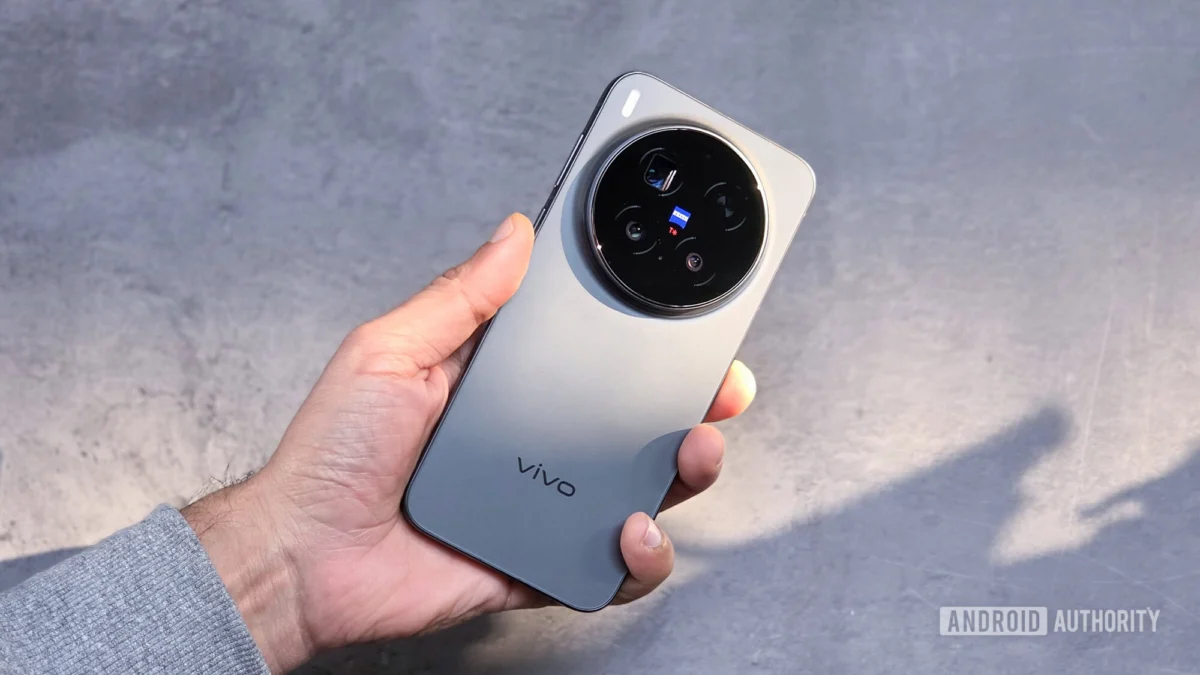
The mobile imaging landscape is bracing for a seismic shift as high-ranking executives begin pulling back the curtain on the industry’s next wave of hardware innovations. In the fast-moving world of smartphone development, companies continually search for definitive ways to separate their premier devices from an increasingly crowded marketplace. While previous hardware iterations have largely focused on perfecting photography—pushing pixel counts higher, refining computational color science, and expanding telephoto reach—the upcoming frontier for mobile manufacturers has firmly pivoted toward professional-grade videography. Recent disclosures from major industry figures suggest that traditional boundaries separating consumer handhelds from dedicated professional cinema cameras are about to dissolve entirely.
Insights shared by corporate representatives on digital platforms point directly to the impending arrival of a device series designed to rewrite the rules of pocket-sized motion picture capture. Industry analysts have long tracked the rapid evolution of computational video, but the sheer velocity of hardware advancements continues to surprise even seasoned tech observers. When preceding generations of top-tier handsets successfully challenged established industry benchmarks in video fidelity, competitors took notice. Yet, the upcoming hardware cycle appears poised to establish an entirely new standard, one that bridges the gap between casual snapshot recording and rigorous commercial video production.
At the center of this technological leap is a radical reimagining of sensor architecture. Collaborative engineering efforts between major optical specialists and semiconductor giants have birthed custom hardware designed to tackle the most stubborn limitations of small-format sensors: dynamic range compression and blown highlights. Historically, capturing a subject standing directly in front of a brilliant light source resulted in either silhouetted shadows or aggressively clipped, featureless backgrounds. Advanced sensor technologies, specifically those incorporating lateral overflow integration capacitor (LOFIC) architectures, are fundamentally altering this dynamic. By allowing pixels to retain charge information far beyond traditional saturation points, these next-generation components can harvest an unprecedented number of stops in dynamic range.
Translating this hardware capability into real-world performance means that future flagship devices will be capable of rendering complex lighting scenarios with natural, film-like rolloffs. Rather than relying solely on aggressive multi-frame software stitching—which frequently introduces ghosting artifacts or unnatural motion cadences in video formats—the physical silicon itself does the heavy lifting. This native hardware headroom ensures that facial features remain crisp, textured, and accurately exposed, even when shooting directly into harsh sunlight or complex stage lighting. For mobile journalists, independent filmmakers, and content creators, this development represents a massive leap forward, eliminating the perpetual compromise between convenience and cinematic quality.
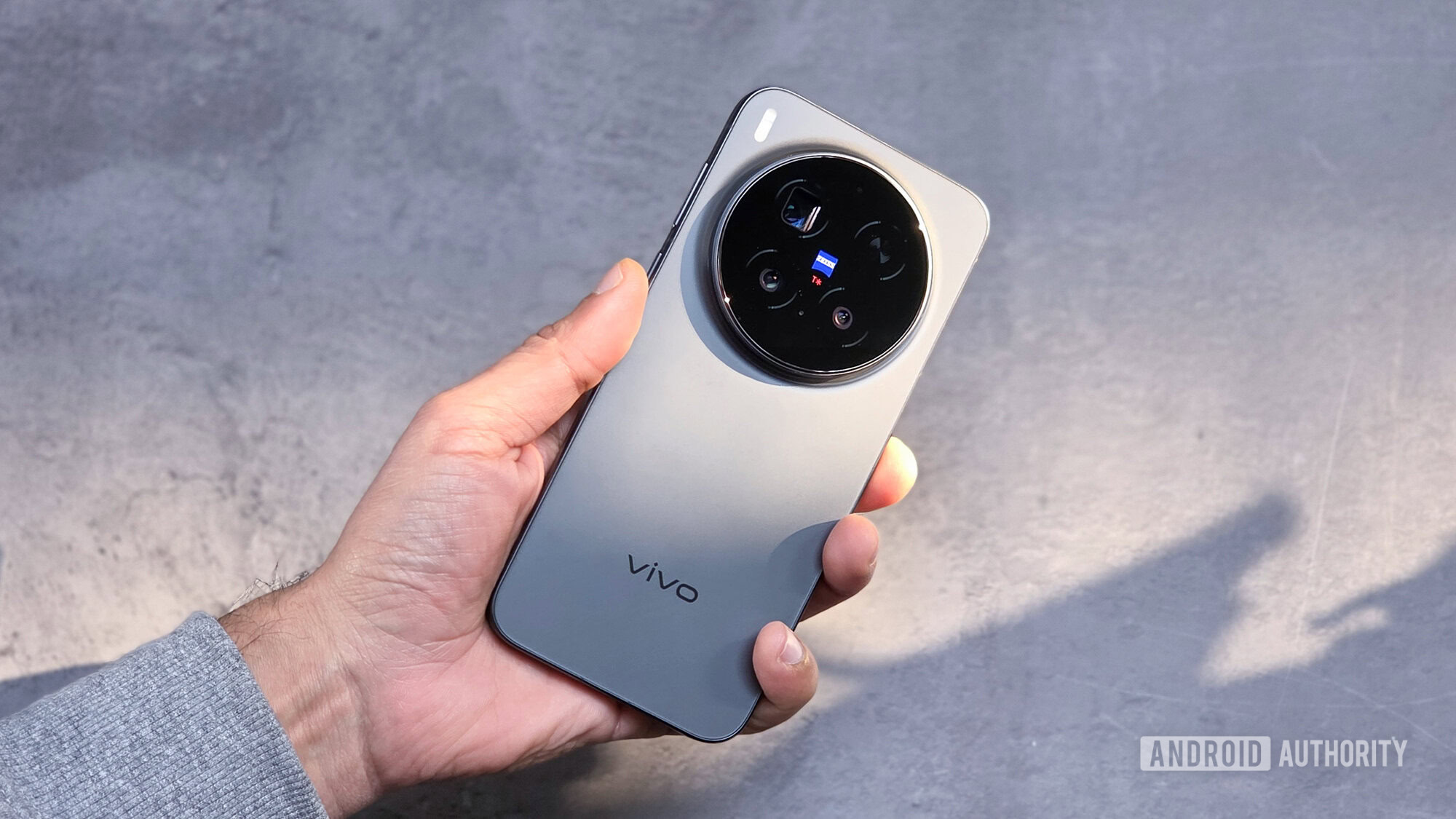
Beyond dynamic range achievements, the engineering focus has also shifted heavily toward temporal resolution and stabilization. Industry whispers and official technical teasers indicate that upcoming top-tier models are preparing to introduce robust support for high-framerate workflows that were previously exclusive to dedicated mirrorless and cinema systems. The inclusion of high-resolution, high-framerate modes—specifically ultra-high-definition capture paired with extreme frame rates—will unlock new creative avenues for action sports videography, wildlife documentation, and dramatic narrative pacing. Furthermore, the integration of advanced stabilization standards, mirroring sophisticated gimbal performance directly into the primary optical assembly, promises buttery-smooth footage without the heavy crop factors or digital warping typically associated with electronic image stabilization.
Achieving this level of performance requires a holistic hardware ecosystem working in absolute synchronization. Processing hundreds of gigabytes of raw sensor data per minute demands next-generation silicon engines capable of immense computational throughput and thermal efficiency. Industry consensus points toward advanced mobile processors utilizing cutting-edge node architectures to handle the massive encoding and decoding workloads. These chipsets not only manage the immense data pipelines required for multi-exposure sensor readouts and high-framerate buffering, but they also power intelligent machine learning algorithms designed to optimize color grading, noise reduction, and autofocus tracking in real time.
Complementing these internal computational powerhouses are anticipated exterior and structural refinements. Consumer expectations for premium industrial design dictate that hardware capability must be matched by an equally immersive visual presentation. Leaks regarding upcoming high-end portfolios suggest an industry-wide push toward symmetrical, ultra-narrow bezel designs that maximize screen-to-body ratios without sacrificing structural integrity or introducing accidental touch inputs. Furthermore, product diversification strategies indicate that manufacturers are increasingly catering to varying consumer preferences by offering tiered flagship lineups—ranging from standard variants to ultra-large-format Pro Max equivalents—ensuring that advanced imaging tools are accessible across different ergonomic form factors.
The broader market implications of these hardware trajectories are profound. As the line between professional cinema hardware and consumer electronics continues to blur, the barrier to entry for high-end visual storytelling drops dramatically. Documentarians, travel vloggers, and commercial directors increasingly rely on pocket-sized tools for b-roll acquisition or even primary principal photography. When a mobile device can deliver true cinematic latitude, uncompromised slow-motion capture at scale, and mechanical-grade stability natively from its primary camera module, production crews are forced to rethink their gear lists.
As the official launch windows for these anticipated devices approach, the tech community waits with bated breath to see how rival manufacturers will respond. The current trajectory suggests that iterative updates are no longer sufficient to capture consumer interest or industry dominance. Instead, market leadership will be determined by those willing to invest heavily in bespoke sensor engineering, proprietary computational pipelines, and uncompromising video performance metrics. For consumers and creators alike, this fierce competition guarantees an era of mobile technology where the best camera is truly the one you already have in your pocket.
