

The evolution of modern communication platforms has long prioritized functional parity, secure encryption protocols, and cross-platform reliability over individual aesthetic expression. For years, operating system ecosystems offered deep-seated visual customizations, yet default messaging clients remained stubbornly rigid. Among these, Google Messages occupied a peculiar space—serving as the default communication hub for millions of Android devices worldwide, yet denying users the ability to curate their visual workspace. The recent rollout of robust chat themes remedies this glaring omission, signaling a strategic shift by Google toward hyper-personalized user experiences. This enhancement bridges the gap between third-party chat clients and standard SMS/RCS infrastructure, fundamentally altering how individuals interact with their daily communication feeds.
To comprehend the significance of this feature release, one must analyze the broader trajectory of mobile user interfaces. For over a decade, Android enthusiasts relied heavily on custom launchers, icon packs, and system-wide theming engines like Material You to reflect their personal identities. However, opening a text conversation often meant confronting a standardized, monotonous interface dictated entirely by software engineers rather than the end user. Industry analysts note that contemporary software consumers increasingly demand granular control over digital environments. Personalization is no longer viewed as a superficial luxury; it is a core expectation for software adoption and user retention. By finally introducing dedicated chat themes, Google is aligning its flagship messaging infrastructure with modern ergonomic and aesthetic standards, ensuring it remains competitive against rival messaging ecosystems that have supported visual customization for years.
Beyond the immediate visual gratification, the technical architecture supporting this new feature underscores the ongoing maturation of Rich Communication Services (RCS). Chat themes do not operate within legacy SMS or MMS protocols; they are deeply tied to the data-driven framework of RCS chats. This technical dependency highlights why such a seemingly simple feature took years to materialize. Implementing localized design paradigms across a globally distributed, carrier-agnostic messaging network requires rigorous backend synchronization. By anchoring theme management directly to individual RCS conversation threads, Google has ensured that aesthetic adjustments remain lightweight and localized, preventing synchronization bottlenecks or bloated data payloads that could degrade transmission speeds.
For power users and casual consumers alike, diving into the new feature requires meeting specific infrastructural prerequisites. Before attempting to apply custom aesthetics, verification of application version and protocol status is paramount. Ensuring the application is fully updated via official distribution channels guarantees access to the stable deployment of the theme engine. Furthermore, because the framework relies on RCS, verifying that advanced messaging protocols are active within the settings menu is an essential preliminary step. Without an active RCS connection, the necessary hooks for thread-specific customization remain dormant, emphasizing the tight coupling between modern messaging protocols and advanced user interface features.
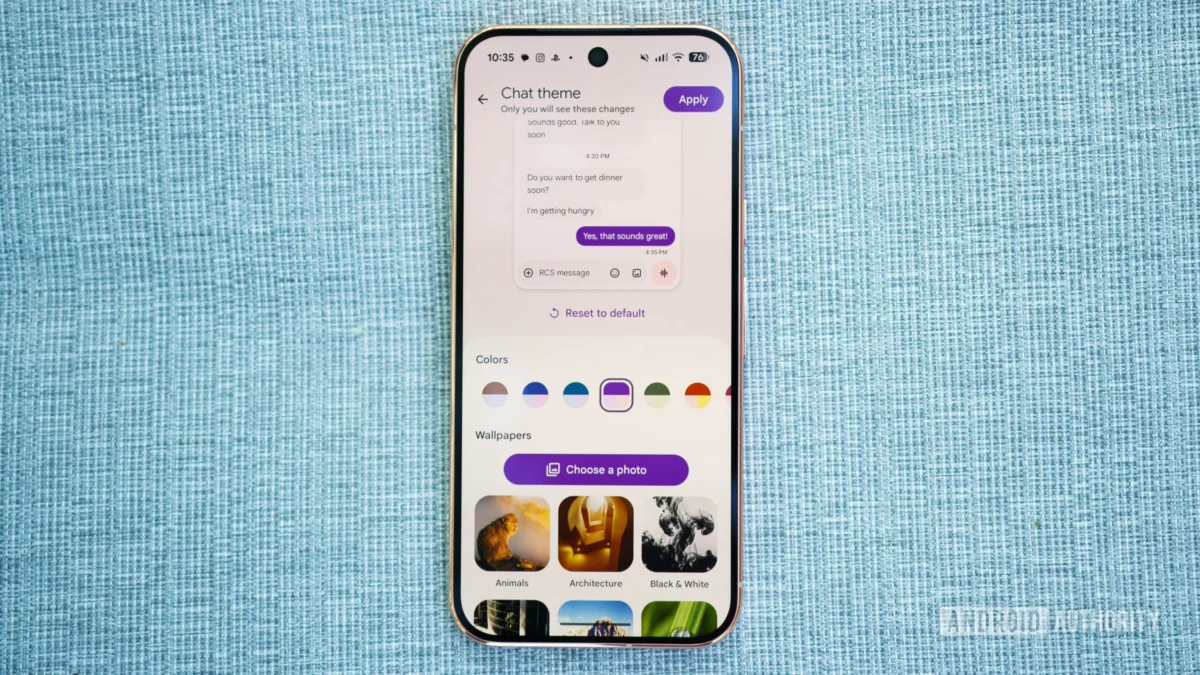
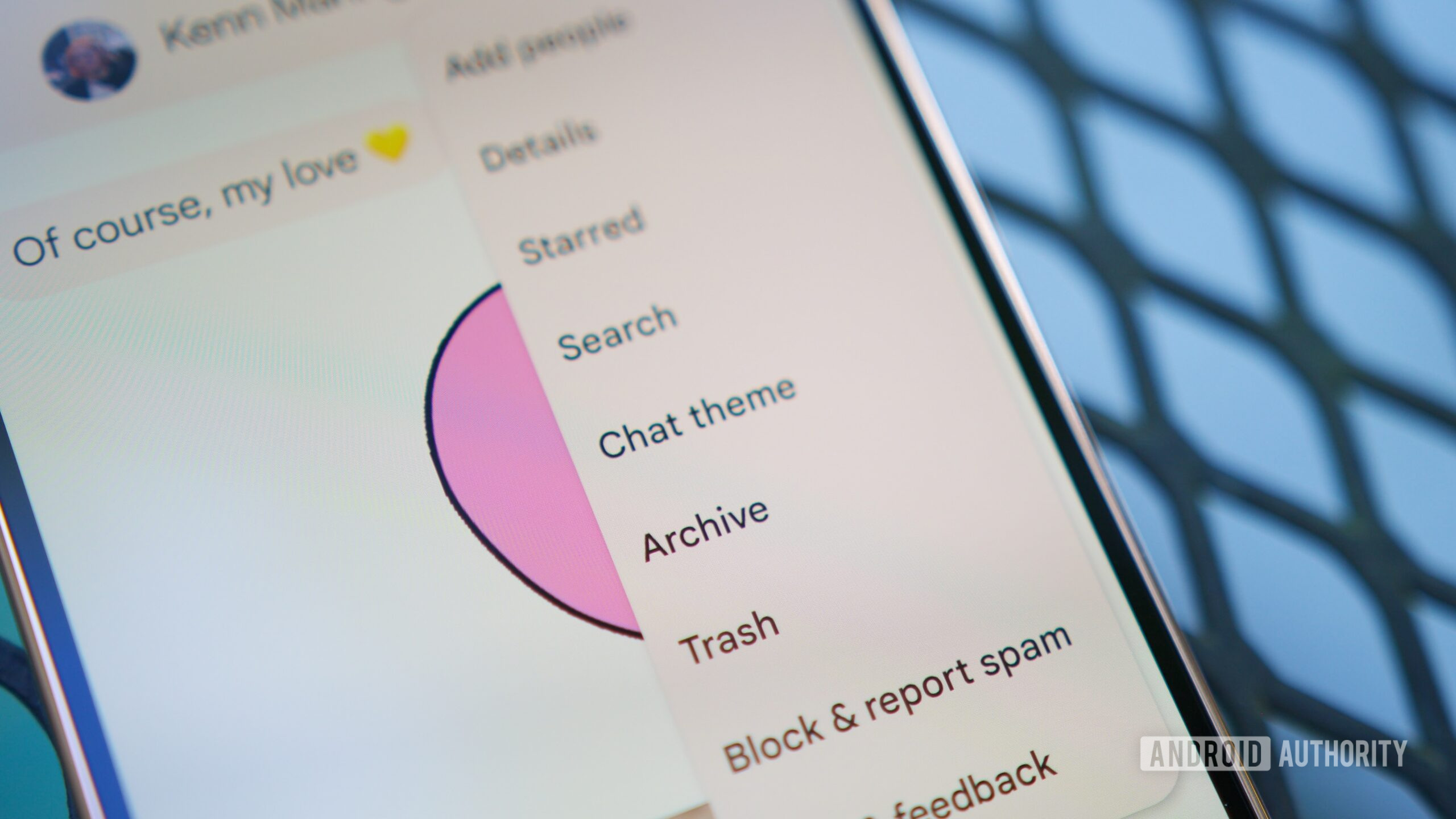
Once the foundational requirements are verified, activating and configuring a personalized chat theme is a streamlined process designed for maximum accessibility. Users can initiate customization by navigating into an active conversation thread, accessing the contextual overflow menu, and selecting the newly integrated theme parameters. The interface presents a dual-layered approach to personalization: chromatic adjustments and background imagery. The color palette selection dynamically adapts to system-level accents or chosen wallpapers, while also offering distinct preset styles that completely recolor chat bubbles, background shades, and functional UI elements such as audio recording buttons and attachment menus.
The inclusion of dynamic wallpaper support represents the crown jewel of this update. Moving beyond flat, monochrome backgrounds, Google has curated a diverse library of high-resolution imagery spanning thematic categories such as architecture, natural landscapes, celestial space photography, and minimalist fauna. More importantly, the system breaks away from restrictive walled gardens by integrating directly with local device storage and cloud-based image repositories. Users can leverage personal photography or curated albums from Google Photos to serve as unique conversation backdrops. This flexibility transforms a utilitarian text stream into a deeply personal digital canvas, echoing the granular customization ethos that has long defined the Android ecosystem.
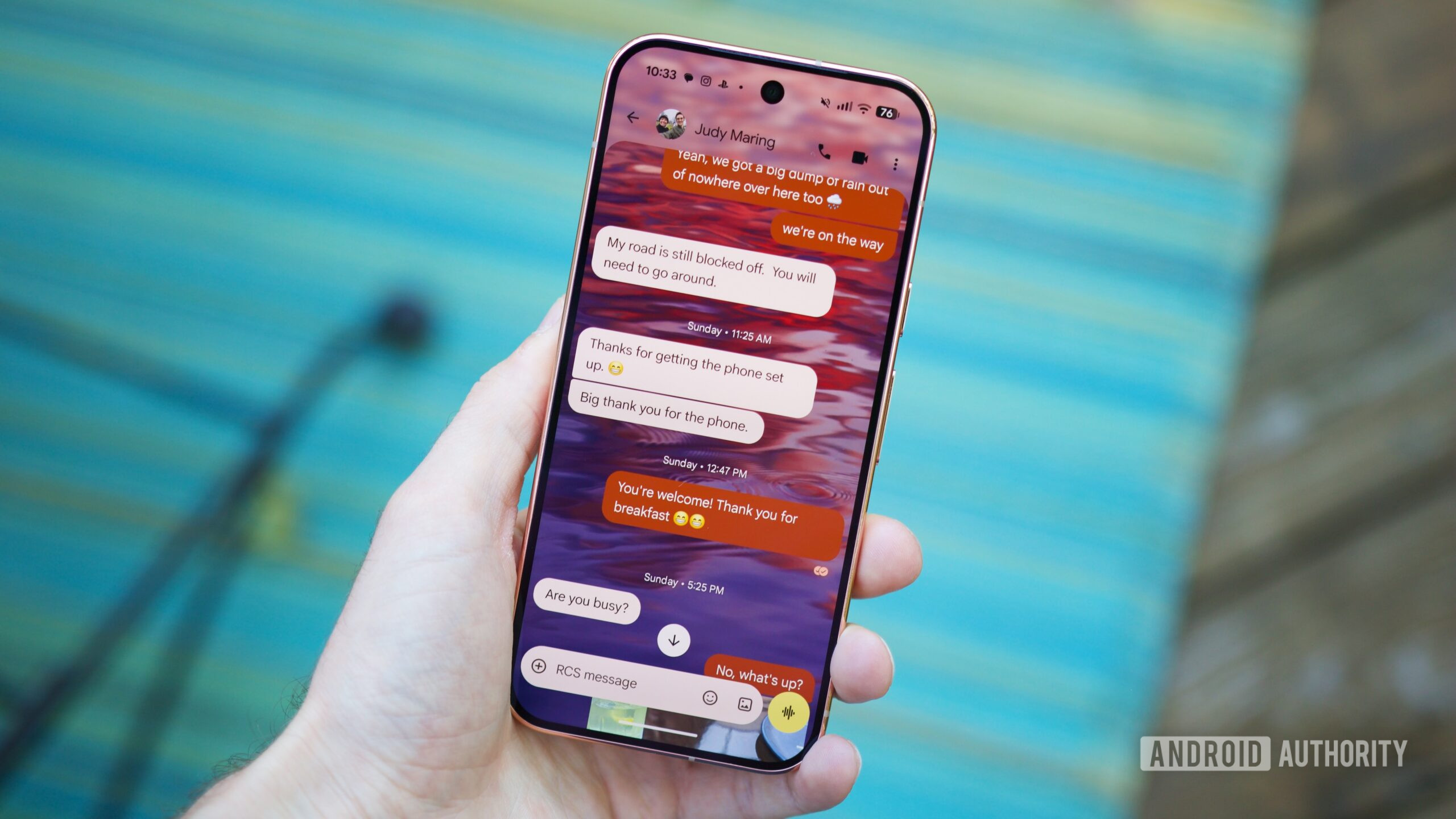
An essential design consideration implemented in this rollout is the unilateral nature of visual modifications. Unlike collaborative platforms where shared themes affect all participants in a group or direct message, Google Messages treats chat themes as a strictly client-side preference. Any color palette or photographic background applied to a conversation is rendered exclusively on the user’s device. The recipient or group members continue to view their own localized interface configurations. This architectural choice prevents potential friction between communicating parties who might possess vastly differing aesthetic preferences, ensuring that individual personalization never compromises the readability or visual comfort of the opposing party.
Looking toward the future, the introduction of customizable chat themes points toward an increasingly modular and user-centric horizon for mobile communication software. As artificial intelligence and algorithmic design continue to permeate operating systems, we can anticipate future iterations of messaging clients to feature context-aware themes that shift dynamically based on time of day, weather conditions, or conversational sentiment. The establishment of a baseline theme engine lays the critical groundwork for these advanced paradigms, transforming the humble text message container into a sophisticated, responsive digital environment. For now, the arrival of manual chat themes marks a triumphant milestone for mobile customizability, finally granting users the creative autonomy they have demanded for years.
