

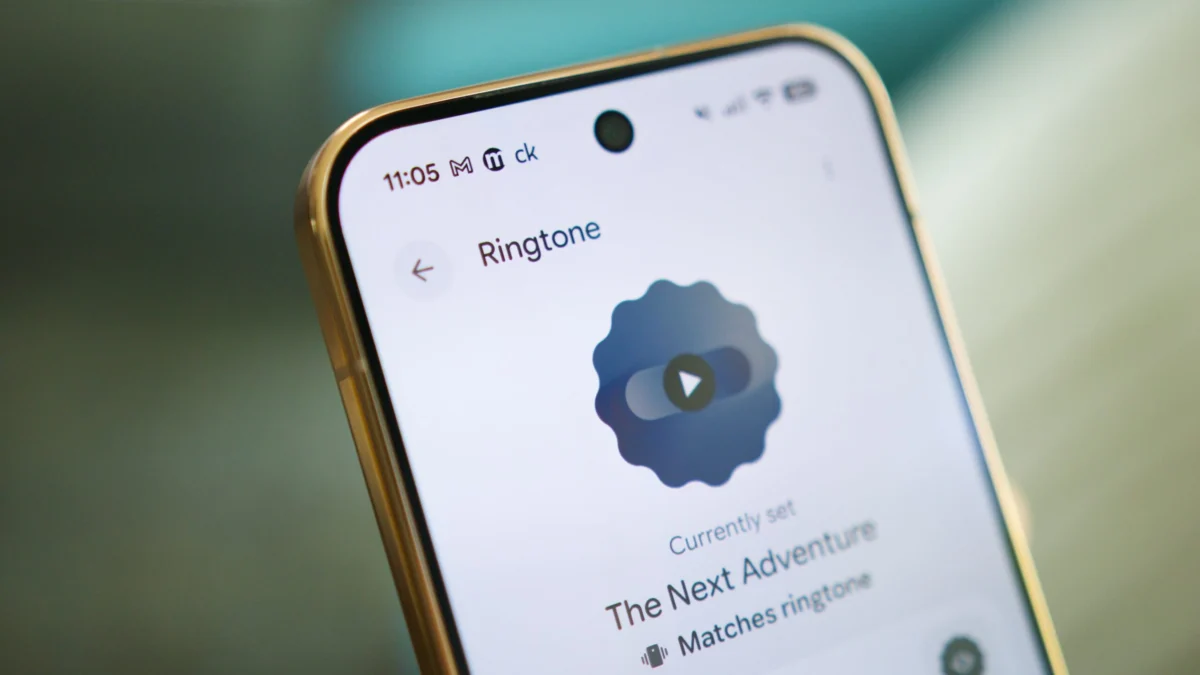
For anyone who navigated the tumultuous technological landscape of the late 1990s, the ringtone was far more than a functional alert; it was an unequivocal digital status symbol. Possessing a device capable of playing polyphonic melodies or, later, actual compressed audio clips served as tangible evidence that you were on the bleeding edge of the consumer electronics revolution. Yet, this golden age of personalization proved remarkably ephemeral. Within a decade, the cultural pendulum swung violently. Custom ringtones devolved from markers of technological sophistication into social faux pas, largely perceived as obnoxious, intrusive, and aggressively tacky.
This cultural aversion was only accelerated by the dawn of the smartphone era. The relentless onslaught of push notifications, automated alerts, and constant connectivity conditioned mobile users to seek refuge in silence. For many, the default state of a modern handset became permanent vibration mode, nestled quietly within a pocket or resting face-down on a desk. The traditional ringtone was effectively relegated to a relic of a bygone era, dismissed as unnecessary noise in an already over-stimulated digital environment.
However, consumer technology has a peculiar way of looping back on itself, transforming obsolete concepts through the lens of modern innovation. Today, the conversation surrounding mobile alerts is undergoing a quiet renaissance, catalyzed entirely by the mainstream integration of generative artificial intelligence. By leveraging advanced machine learning models capable of synthesizing custom audio on demand, mobile users are discovering entirely new avenues for device personalization. Rather than settling for factory defaults or scouring the web for compressed, questionable audio files, users can now prompt generative systems to compose bespoke soundscapes tailored to their exact psychological and aesthetic preferences.
This shift raises a fundamental question for contemporary device management: what is the actual utility of an audible ringtone in an era dominated by haptic feedback and smartwatches? The answer lies in the evolving geometry of modern usage habits. Over recent years, many tech-conscious individuals have intentionally sought to curb compulsive device checking. Simple behavioral adjustments—such as leaving a handset charging in a designated room or intentionally setting the phone aside during domestic activities—frequently result in missed communications. While granular notification filtering ensures that only priority contacts can break through the digital silence, missing a call from an aging parent, a critical client, or a medical professional underscores the inherent limitations of relying exclusively on vibration.
The challenge, therefore, was not whether to abandon silent mode entirely, but how to reintroduce audible alerts without succumbing to the auditory fatigue that drove users away from ringtones in the first place. Generic, pre-packaged audio clips fail to resonate because they lack personal narrative. They do not reflect the user’s individual energy, lifestyle, or context. Furthermore, the existing ecosystem of third-party ringtone repositories has become bloated, frustrating, and bogged down by monetization models that turn the simple act of choosing a notification sound into an arduous digital chore.
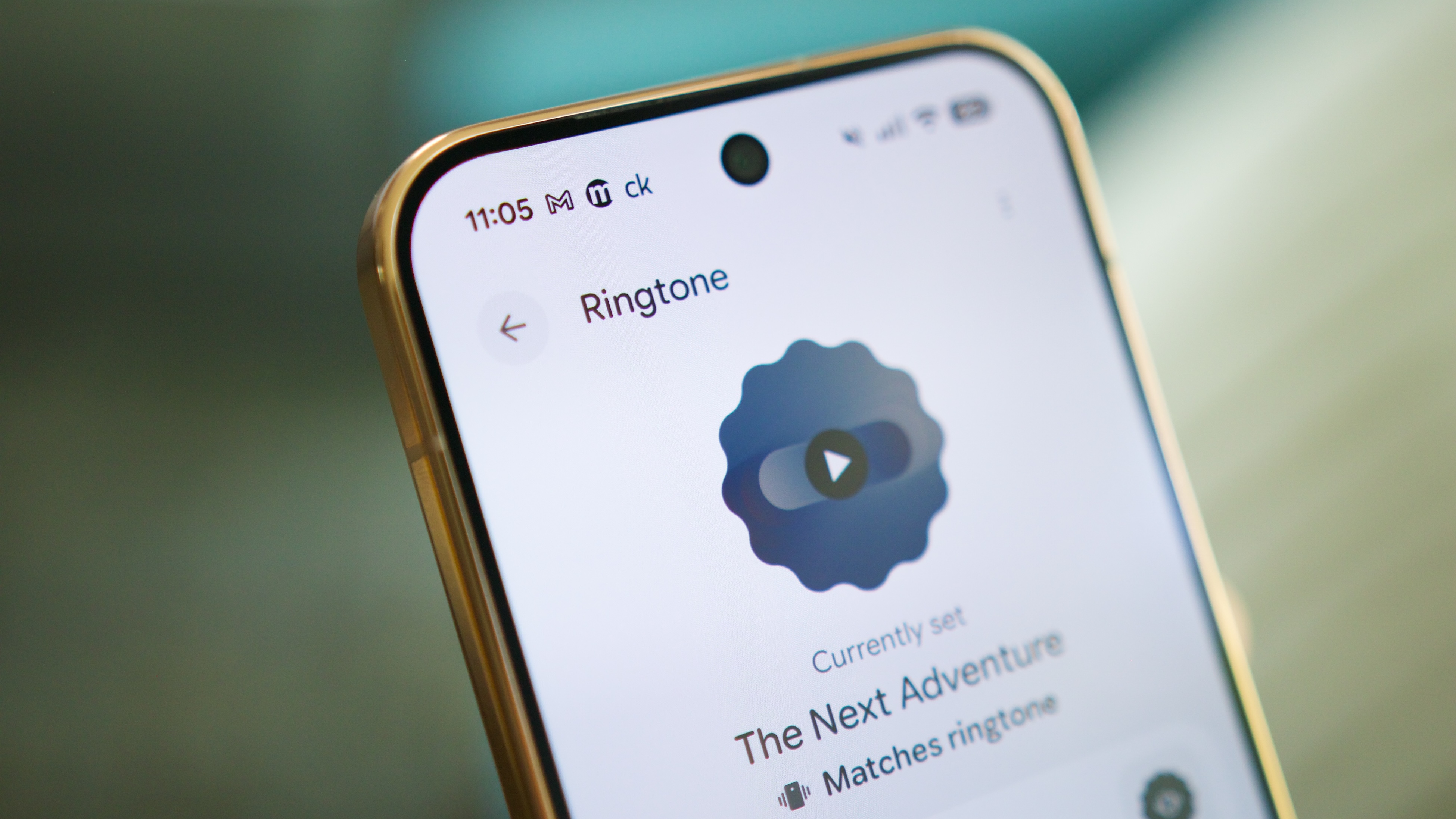
Entering the domain of generative artificial intelligence offers a compelling alternative. By framing a ringtone as a prompt engineering challenge, users can bypass the traditional marketplace entirely, generating entirely unique audio assets that reflect specific moods, cinematic inspirations, or relational dynamics. Nevertheless, this emerging medium is not without its systemic complexities. Industry analysts point out that generative audio models operate by synthesizing patterns derived from vast training datasets, meaning that even a seemingly original AI-generated melody invariably borrows structural and stylistic elements from preexisting, copyrighted compositions. For creators and consumers alike, this gray area highlights ongoing copyright debates surrounding generative media. Furthermore, users must recognize that these AI generation pipelines are engineered to build short, atmospheric audio snippets or instrumental loops; they are fundamentally unsuited for extracting high-fidelity masters of commercial pop tracks from major recording artists.
Navigating this nascent space reveals two distinct approaches currently dominating the Android ecosystem: dedicated customization applications and multi-modal generative platforms. Evaluating these paradigms provides a clear picture of how consumer-facing AI is reshaping everyday hardware interactions.
The dedicated application route is anchored by platforms that have successfully transitioned from legacy wallpaper repositories into modern AI playgrounds. Zedge, for instance, represents a familiar entry point for smartphone users looking to experiment with synthetic audio. The platform simplifies the creation process by combining traditional categorization tabs—such as genre, mood, and thematic tags—with an intuitive prompt box. Users can feed the system descriptive keywords to orchestrate custom audio files without requiring any formal background in music production.
Despite its accessibility, the app-based approach introduces specific friction points. Ecosystems that rely on user-generated content and ad-supported business models frequently struggle with aggressive monetization strategies. Users attempting to generate custom ringtones on a freemium tier are often subjected to prolonged, unskippable video advertisements, mandatory viewing intervals between generations, and occasional latency spikes. While subscription tiers—ranging from modest weekly passes to permanent lifetime unlocks—effectively eliminate these advertisements, the underlying architecture still requires users to operate within a constrained, walled-garden environment.
In practice, the qualitative output of dedicated applications yields fascinating results. When tasked with composing an instrumental piece infused with the nostalgic, adventurous energy of classic fantasy role-playing games like The Legend of Zelda, app-based generators deliver surprising melodic coherence. Similarly, crafting humorous or thematic alerts for specific contacts—such as a personalized musical cue indicating a mother is calling—demonstrates the platform’s capacity for contextual humor and narrative association.
Conversely, utilizing advanced multi-modal foundation models, such as Google’s Gemini ecosystem, offers a significantly more robust and flexible workflow for power users. While these comprehensive AI platforms generally require paid subscription tiers to unlock high-end audio generation capabilities, the financial investment extends far beyond mere ringtone creation, integrating deeply into broader productivity and creative workflows.
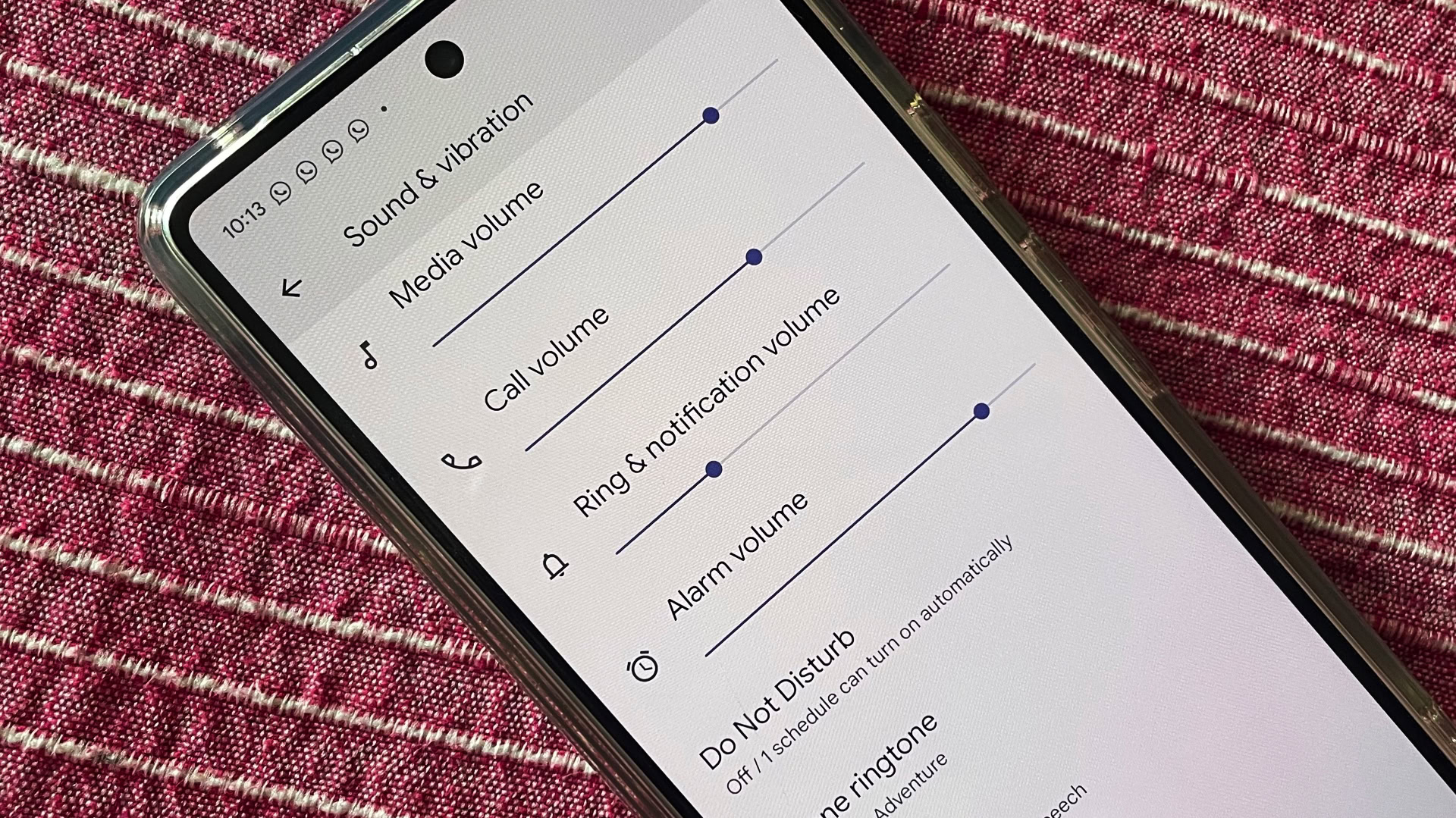
The primary structural divergence between multi-modal AI tools and dedicated ringtone applications lies in the user interface. Advanced language and audio models typically strip away specialized genre tabs and mood sliders, replacing them with an open-ended conversational prompt interface. This absence of rigid structural guardrails might initially seem daunting, but it ultimately empowers the user with unprecedented expressive freedom. Crafting an audio prompt requires nothing more than descriptive natural language. Directing the model to construct a composition characterized by grand, cinematic adventure, evocative brass sections, and a distinct heroic cadence—while explicitly avoiding direct copyright infringement—yields remarkably sophisticated audio assets.
In comparative evaluations, these multi-modal systems often excel at capturing nuanced emotional tones and specific sonic atmospheres. An AI-generated composition designed around a high-fantasy archetype can serve as an exceptionally polished default ringtone for close family members, outperforming the more generalized output of traditional utility apps. Yet, these advanced models are not universally superior in every context. For lighter, more whimsical requests—such as playful vocal-synth hybrids or specific character-driven alerts—dedicated applications occasionally strike a more immediately charming chord.
Ultimately, the revival of the unmuted smartphone through generative audio represents a broader maturation of consumer AI. We have moved past the initial phase of novelty, where artificial intelligence was viewed merely as a parlor trick for generating bizarre images or summarizing text documents. Today, AI is actively permeating the micro-interactions of everyday hardware, transforming mundane functional necessities like notification sounds into avenues for hyper-personalized self-expression.
For users fatigued by the endless sea of generic stock alerts and the sterile nature of permanent vibration mode, the integration of generative ringtones offers a welcome middle ground. It restores a layer of acoustic personality to our devices while respecting the desire for curated, intentional communication. As underlying audio generation models continue to advance in fidelity, latency, and contextual understanding, the boundary between consumer and creator will blur even further, cementing bespoke, AI-crafted device audio as a permanent fixture of the modern mobile experience.
