

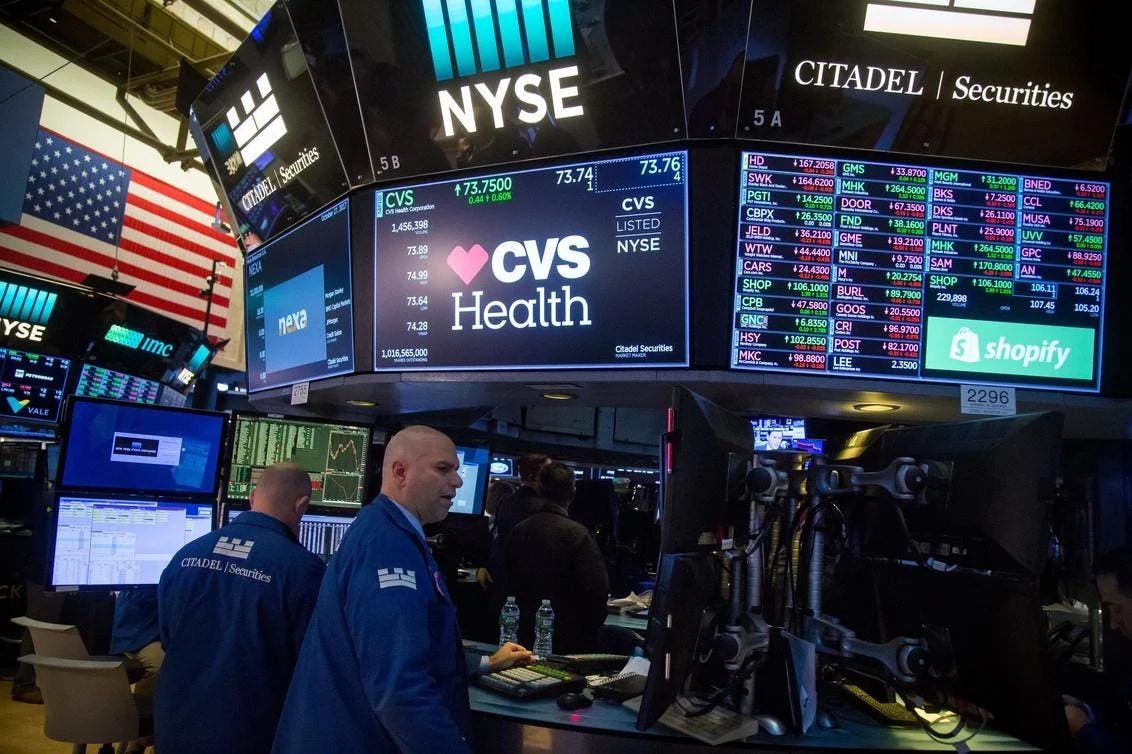
The American healthcare landscape is undergoing a profound financial transformation as the nation’s largest insurers report a summer of record-breaking earnings, signaling a decisive shift in how managed care organizations navigate the complexities of post-pandemic medical utilization. After a period of uncertainty marked by fluctuating patient volumes and rising labor costs within the provider sector, the health insurance industry has emerged with a renewed sense of fiscal discipline. This resurgence is reflected in a wave of surging stock prices, driven by the realization that these corporate giants have successfully regained their grip on medical expenses.
At the center of this financial rally is the "Medical Care Ratio" (MCR), a critical metric that tracks the percentage of premium revenue an insurer spends on medical claims. For investors, a lower MCR typically indicates higher profitability, and the latest round of quarterly reports suggests that the industry’s largest players have optimized this ratio through a combination of aggressive pricing strategies, benefit redesign, and sophisticated data analytics.
UnitedHealth Group, the parent company of UnitedHealthcare and the industry’s bellwether, recently set the tone for this era of expansion. The company reported a staggering second-quarter net income exceeding $5 billion, a performance underpinned by a significant improvement in its medical care ratio. In the second quarter of 2026, UnitedHealth’s MCR dropped to 86.7%, a notable decline from the 89.4% recorded during the same period the previous year. Management attributed this success to "pricing discipline" and "medical cost management initiatives," phrases that underscore a broader industry trend: insurers are becoming more selective about the risks they take and more efficient at managing the care of the members they already have.
This fiscal health has translated directly into shareholder value. UnitedHealth’s stock has recently flirted with the $400 mark, representing a gain of more than 30% over the last twelve months. Similarly, CVS Health, the parent company of Aetna, has seen its shares climb by more than 30% since last summer. For CVS and UnitedHealth, the secret to sustained growth appears to lie in vertical integration. By owning both the insurance entity and the healthcare providers—through divisions like United’s Optum and CVS’s burgeoning primary care and pharmacy services—these companies can capture margins at every stage of the patient journey. While Wall Street analysts once questioned whether these massive, vertically integrated structures would become too unwieldy, the current earnings season suggests that the strategy of owning the "payor" and the "provider" is paying off by allowing for more seamless cost controls.
The momentum extends far beyond the top two players. Centene and Humana, companies with deep footprints in government-subsidized markets like Medicare Advantage and Medicaid, have seen their valuations skyrocket. Centene’s stock price has more than doubled in the past year, recently hovering around $65 per share—a dramatic rise from the $30 range seen just a year prior. Humana has mirrored this performance, with its stock price exceeding $380, doubling its value in a mere five months.
The performance of Centene and Humana is particularly telling because they cater to some of the most vulnerable and medically complex populations in the United States. Their ability to generate substantial profits—Centene reported over $1 billion in second-quarter net income—suggests that the industry has successfully calibrated its models to account for the higher costs associated with aging populations and chronic disease. However, this calibration comes with a trade-off that is beginning to reshape the geographic availability of healthcare.
As insurers prioritize "margin over membership," many are opting to exit markets that do not meet their profitability thresholds. This "targeted plan exit" strategy is becoming a standard tool for maintaining a healthy bottom line. Humana, for instance, recently announced that it would be implementing targeted exits for the 2027 health benefit year. These moves are expected to impact approximately 600,000 members who will find their current plans discontinued. While the company expressed intentions to recapture many of these members through other products, the reality for the consumer is often a period of forced transition, potentially leading to the loss of established relationships with doctors and hospitals if those providers are not in the networks of the remaining available plans.

The industry’s pivot toward efficiency is also being fueled by a new generation of "insurtech" companies that are finally reaching maturity. Oscar Health, which specializes in the individual market under the Affordable Care Act (ACA), has become a standout performer. After years of being viewed as a speculative tech-heavy startup, Oscar has proved its viability by swinging to a $361 million profit in the second quarter. Its stock price has tripled in the last six months, rising from $11 in March to nearly $32. Oscar’s success highlights a growing trend: the use of proprietary technology to engage members early, direct them toward lower-cost care settings, and automate administrative tasks that have historically bloated the medical care ratio.
Looking toward the future, several factors will determine whether this gold rush for health insurer stocks can be sustained. First is the evolving regulatory environment. As the federal government adjusts reimbursement rates for Medicare Advantage, insurers will need to continue their "pricing discipline" to ensure that government payments keep pace with the medical inflation of services. There is a delicate balance to be struck between maintaining attractive benefits for seniors and satisfying the demands of shareholders for ever-expanding margins.
Second, the role of Artificial Intelligence (AI) and predictive analytics is set to expand. The "medical cost management initiatives" cited by UnitedHealth are increasingly driven by algorithms that can predict which patients are at risk of expensive hospitalizations before they occur. By intervening with preventative care or home-based monitoring, insurers can avoid the high costs of emergency room visits and inpatient stays. This shift toward "value-based care"—where providers are paid for outcomes rather than the volume of services—is the ultimate goal of the industry’s current technological evolution.
However, the industry faces potential headwinds in the form of public and political scrutiny. As profits soar and stock prices double, the optics of plan exits and rising premiums can become a liability. Lawmakers and consumer advocacy groups are increasingly questioning whether the efficiency gains found by insurers are being shared with the public or if they are primarily serving to enrich investors. The tension between healthcare as a social good and healthcare as a profit-driven enterprise remains the central conflict of the American system.
Furthermore, the "member mix" mentioned by corporate executives is a variable that can change quickly. An economic downturn could shift millions of people from employer-sponsored insurance to Medicaid, where margins are often thinner and state budgets are more constrained. Insurers like Centene, which have built their business models around government programs, are particularly sensitive to these shifts in the political and economic climate.
Despite these challenges, the current data paints a picture of an industry that has successfully navigated a period of intense volatility. By diversifying their assets, leveraging technology to manage costs, and being willing to walk away from unprofitable markets, health insurers have positioned themselves as some of the most resilient performers in the current economy. The "parade of earnings" seen this summer is more than just a seasonal spike; it is a signal that the managed care sector has refined its playbook for the mid-2020s, prioritizing fiscal stability and surgical precision in cost management.
For the investor, the message is clear: the integration of insurance and care delivery, combined with a ruthless focus on the medical care ratio, has created a powerhouse sector. For the consumer, the message is more nuanced. While a financially stable insurance market is necessary for the long-term viability of the healthcare system, the trend toward "targeted exits" and "pricing discipline" means that the burden of navigating the system—and the risk of losing access to preferred providers—remains a persistent reality. As we move toward 2027 and beyond, the success of these companies will likely be measured not just by the height of their stock prices, but by their ability to maintain these margins without compromising the fundamental promise of accessible care.
