

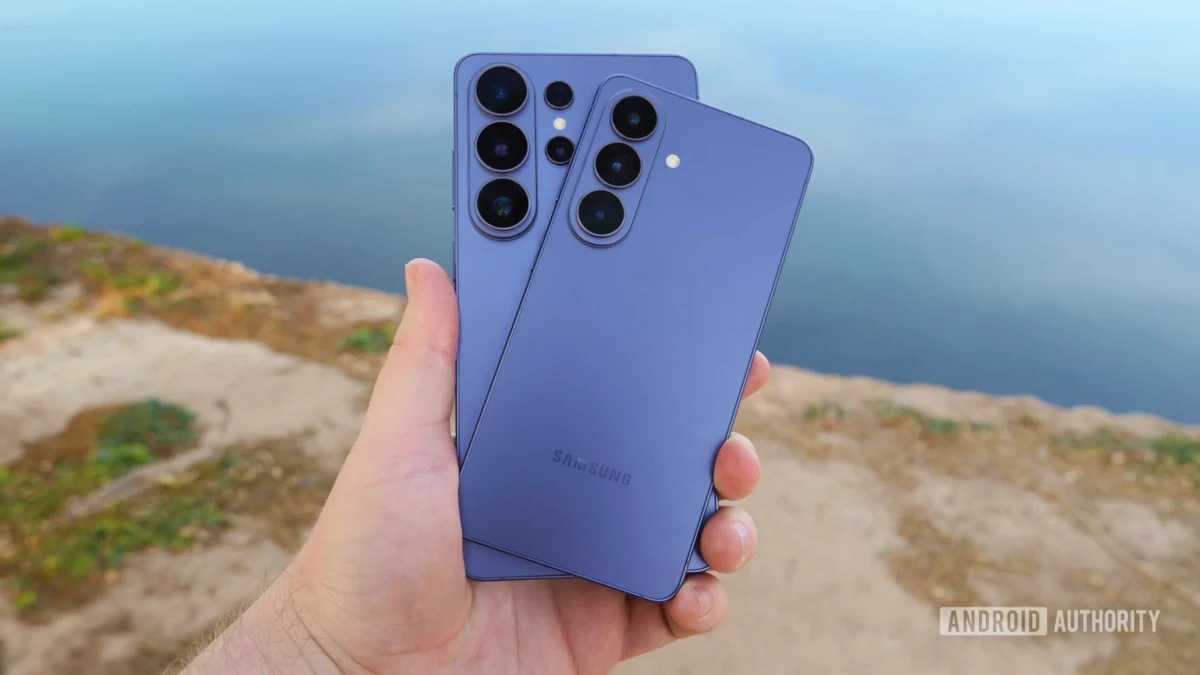
The narrative of Samsung’s internal semiconductor division, the System LSI business unit, has been one of high-stakes ambition punctuated by technical adversity. For years, the company has grappled with the formidable task of crafting proprietary silicon that can stand shoulder-to-shoulder with the industry’s elite. Following a tumultuous period characterized by architectural shifts, inconsistent manufacturing yields, and a series of strategic retreats, the Exynos brand is attempting a resurgence. The launch of the Galaxy S26 marks a pivotal moment for this endeavor, signaling the return of in-house silicon to the vanguard of Samsung’s flagship offerings. However, as the industry observes this comeback, the focus remains on whether the long-term gamble on AMD’s graphics architecture has truly paid dividends or if it has merely acted as a placeholder in a market dominated by external competition.
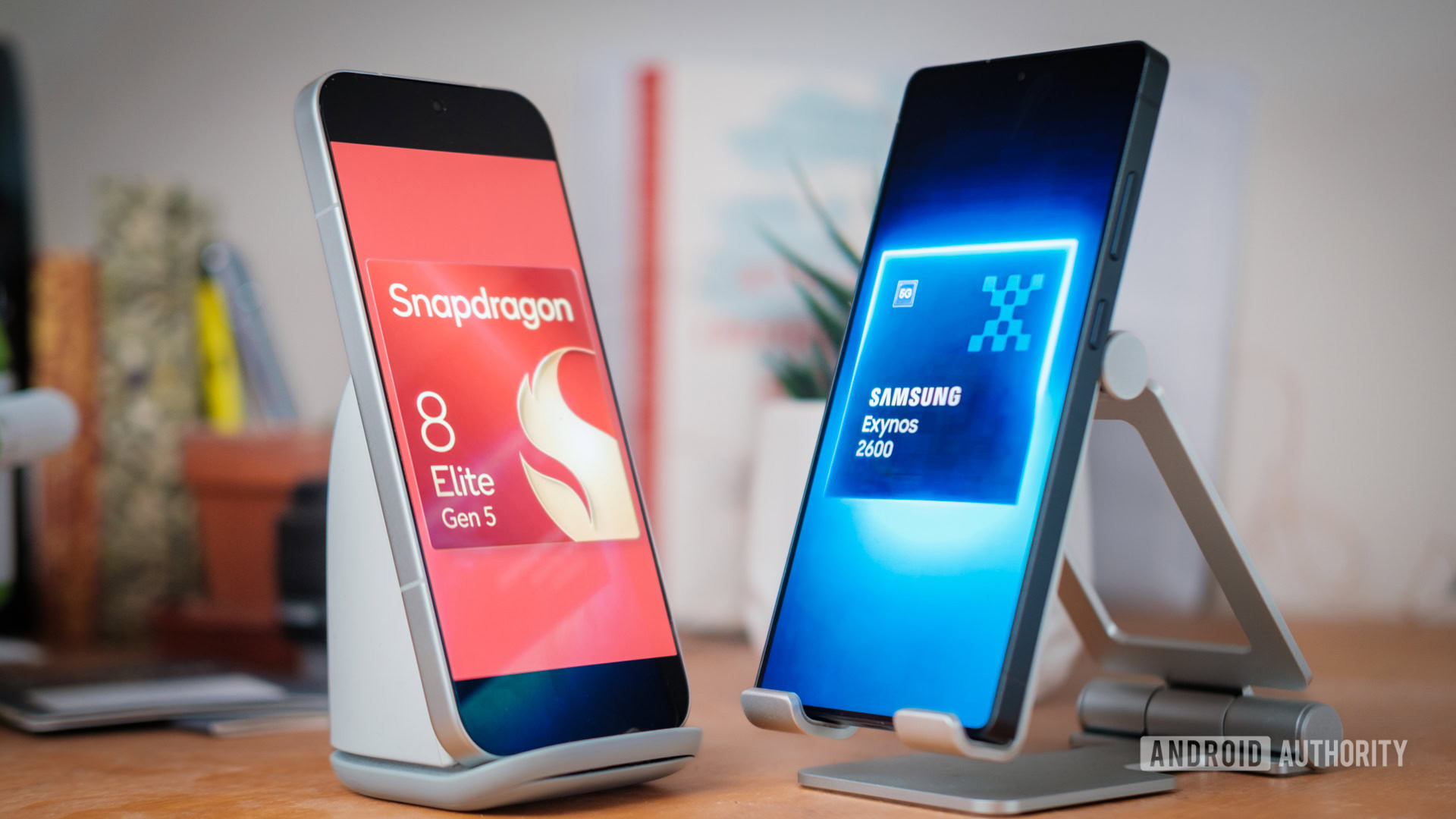
To understand the current state of Exynos, one must acknowledge the volatility of the last decade. The product line has experienced a "yo-yo" effect: the Galaxy S23 series completely abandoned the platform due to documented thermal and power-efficiency deficits. Similarly, the previous generation of Galaxy devices sidelined the silicon, a decision widely attributed to the superior performance metrics of the Snapdragon 8 Elite and the challenges associated with maturing Samsung Foundry’s 3nm manufacturing process. While the Exynos 2500 found a niche application in the Galaxy Z Flip 7, its restricted deployment served as a tacit admission that the chipset was not yet ready for prime-time flagship duty. In response, Samsung has initiated a top-to-bottom reorganization of its design and manufacturing hierarchies. These structural overhauls are intended to lay the groundwork for future iterations, including the highly anticipated transition to a fully custom GPU architecture in the upcoming Exynos 2800.
The most defining element of this modern era is the strategic partnership with AMD. Since the introduction of the Exynos 2200 in 2022, Samsung has pivoted away from the ubiquitous Arm Mali GPUs in favor of the Xclipse graphics engine, which leverages AMD’s RDNA architecture. This was more than a technical upgrade; it was a marketing statement. By being the first to introduce hardware-accelerated ray tracing to the mobile ecosystem, Samsung sought to differentiate its hardware from the sea of standardized Arm-based chips.
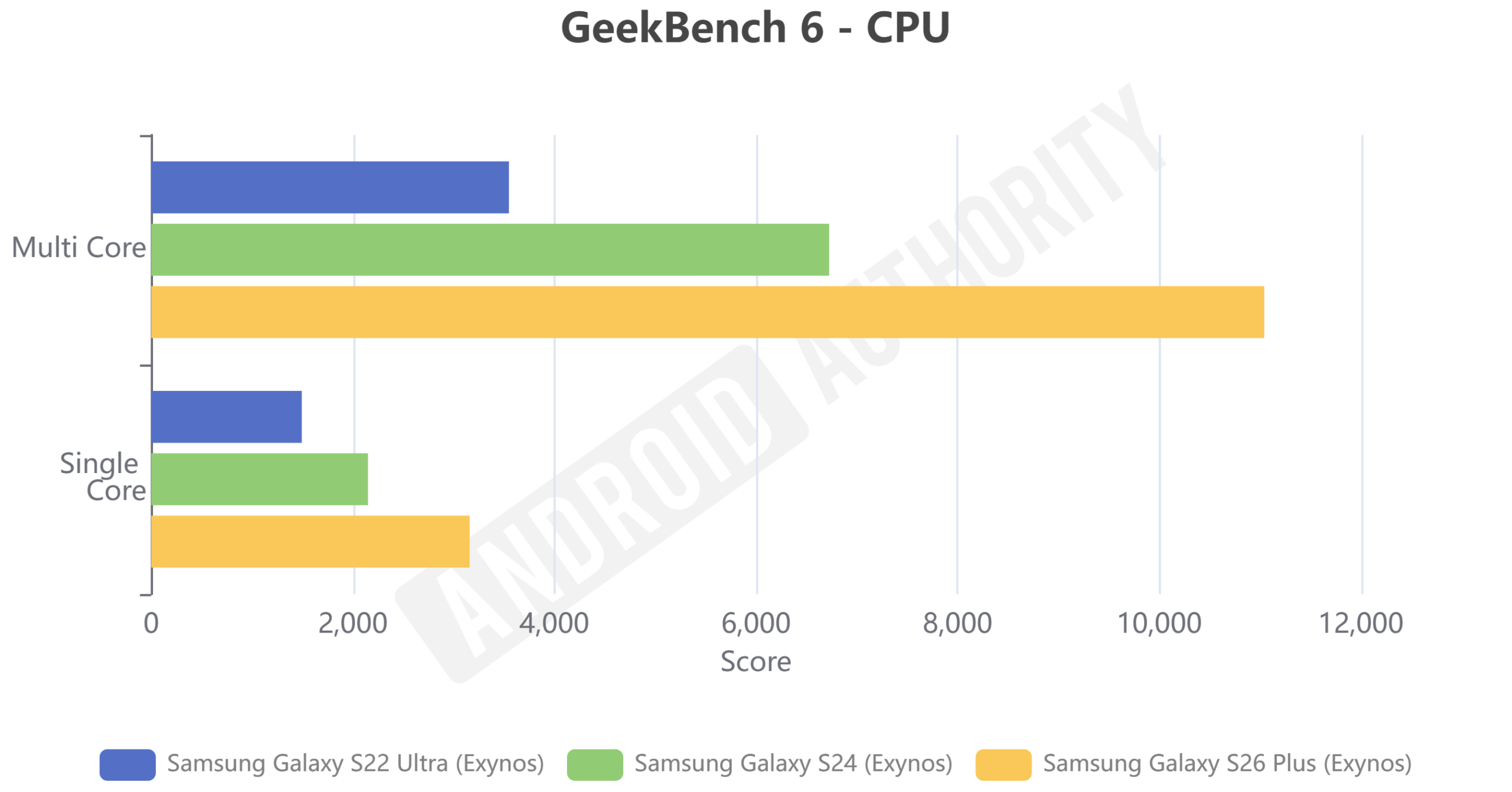
When analyzed in isolation, the progress is undeniably impressive. From the Exynos 2200 to the current 2600, the silicon has demonstrated substantial generational leaps. In synthetic benchmarks such as Geekbench 6, single-core CPU performance has surged by over 110%, while multi-core capabilities have seen a staggering 211% improvement. These figures indicate that Samsung has successfully optimized its integration of Arm’s standard CPU cores, even without the bespoke instruction-set customization employed by rivals like Apple or Qualcomm. Similarly, the graphics subsystem has evolved from a nascent, driver-plagued implementation to a formidable engine. Performance in 3DMark’s Wild Life Extreme and the ray-tracing-heavy Solar Bay test has increased by over 200% and 250% respectively. Yet, the industry does not operate in a vacuum. The challenge for Samsung is that while its internal metrics show a clear upward trajectory, the competition is not standing still.
The comparison between AMD’s Xclipse and the current state of Arm’s Immortalis series reveals the difficulty of this transition. While Samsung was the first to offer mobile ray tracing, that competitive advantage vanished almost immediately. Qualcomm integrated ray-tracing capabilities into its Adreno GPUs, and Arm’s subsequent Immortalis releases bridged the gap with remarkable speed. In head-to-head testing, the Exynos 2200 struggled to maintain relevance against the newer Dimensity chipsets that utilized the mature Immortalis architecture. The Exynos 2600, despite being a generational leap over its predecessor, still finds itself trailing current competitors from MediaTek in both ray-tracing efficiency and, more critically, traditional rasterization performance.
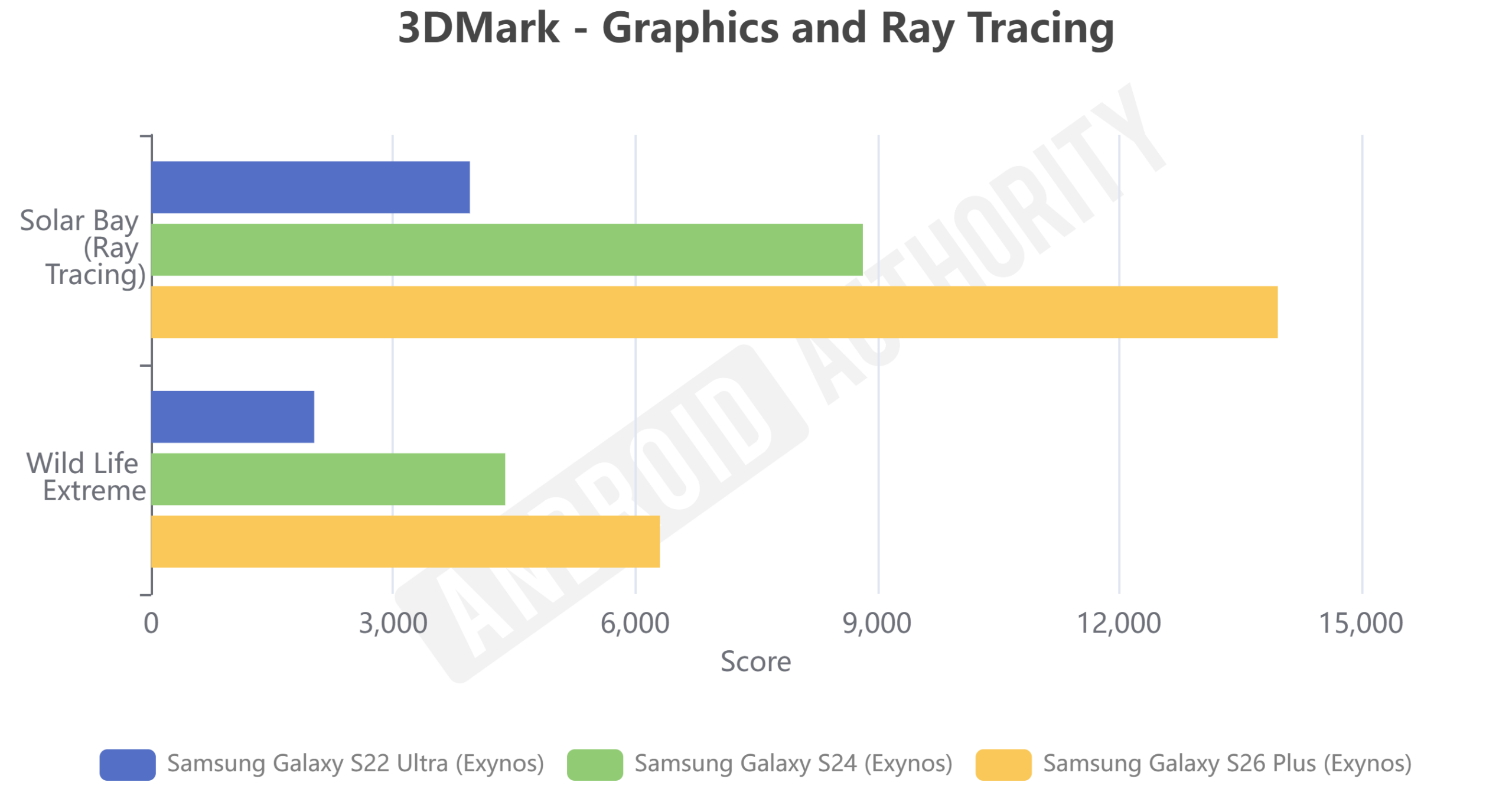
Rasterization—the fundamental rendering of 2D and 3D graphics—remains the backbone of mobile gaming. Here, the delta between the Exynos platform and its rivals remains wider than desired. The persistent gap in raw graphical throughput suggests that while the AMD architecture is capable, the integration and driver maturity required to leverage that hardware effectively for mobile gaming have lagged behind the more established Adreno and Immortalis ecosystems. For consumers, this often translates to a perceived lack of optimization in high-end mobile titles, where the "Snapdragon-only" or "optimized for Arm" stigma persists.
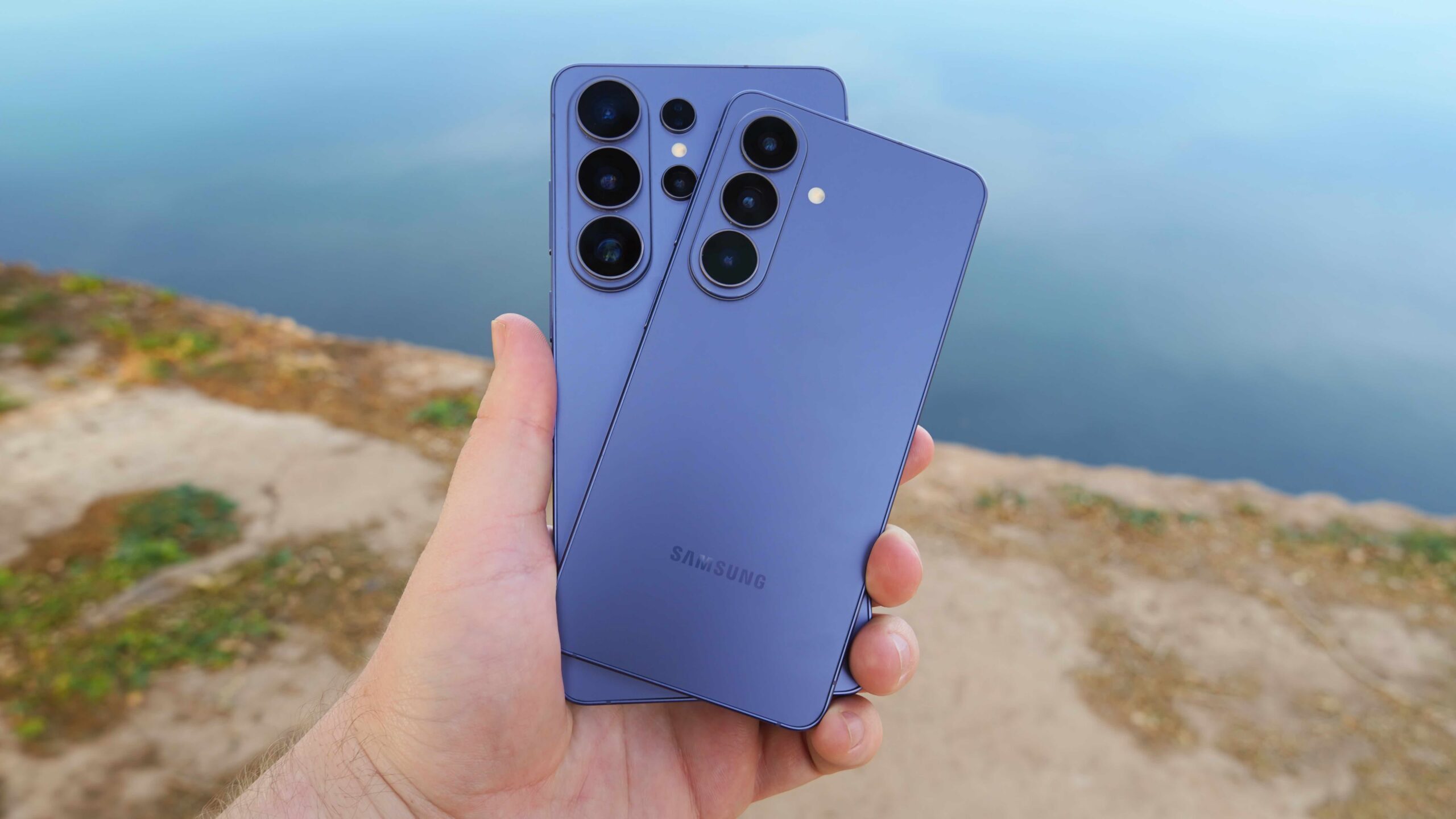
The broader implication of this struggle is the continued bifurcation of the Samsung flagship experience. Even as Exynos returns to the mainstream, the "Ultra" models in the Galaxy S lineup remain exclusively powered by Qualcomm silicon. This creates a de facto two-tier hierarchy within the brand’s own portfolio. It also reinforces a recurring issue in global markets: consumers in some regions receive the cutting-edge performance of a Snapdragon chip, while others are relegated to the Exynos variant. This consistency gap has long been a source of friction for the brand’s most loyal customers, who demand a uniform experience regardless of their geographical location.
From an industry perspective, Samsung’s persistence with Exynos is a masterclass in long-term strategic hedging. The investment is clearly not just about delivering a competitive chip today, but about securing vertical integration for the future. By maintaining its own silicon division, Samsung gains a significant degree of leverage in its negotiations with suppliers like Qualcomm and MediaTek. Furthermore, it provides the internal teams with a sandbox for experimental technologies, such as the implementation of Arm’s SME2 (Scalable Matrix Extension) for localized AI processing and the proprietary "Heat Pass Block" (HPB) technology designed to mitigate thermal throttling in the 2600 series.
The future of this strategy will hinge on the transition away from the current AMD-licensing model toward the rumored custom GPU. If the Exynos 2800 and its successors can successfully divorce themselves from the limitations of legacy mobile architectures and the constraints of the AMD RDNA adaptation, Samsung may finally achieve the parity it has sought for over a decade. However, until that proprietary architecture reaches maturity, the company remains caught in a difficult middle ground.
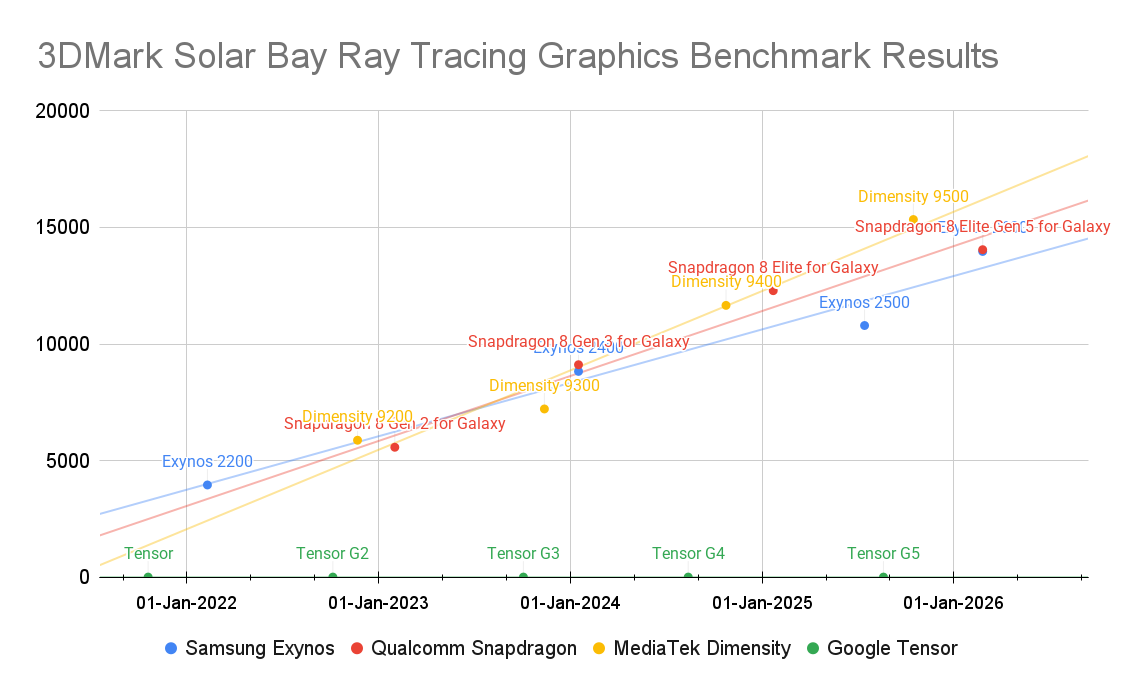
Ultimately, the Exynos journey serves as a cautionary tale about the sheer difficulty of high-performance silicon design. The raw numbers show that Samsung has built a vastly superior product compared to its early, error-prone iterations. It is no longer a "bad" chip; it is a powerful, capable processor that simply happens to be running in a race where the front-runners are setting a blistering pace. Whether the strategic benefits—greater supply chain independence, AI-centric customization, and architectural control—ultimately outweigh the costs of consumer perception and the performance gap remains the defining question for Samsung’s mobile division. The company is playing a long game, banking on the idea that the ability to control its own silicon destiny is worth the short-term friction of being a perpetual runner-up in the benchmark wars. For now, the Exynos platform stands as a testament to the fact that in the world of mobile semiconductors, engineering brilliance is only half the battle; the rest is about consistency, ecosystem adoption, and the relentless, unforgiving speed of the competition.
