

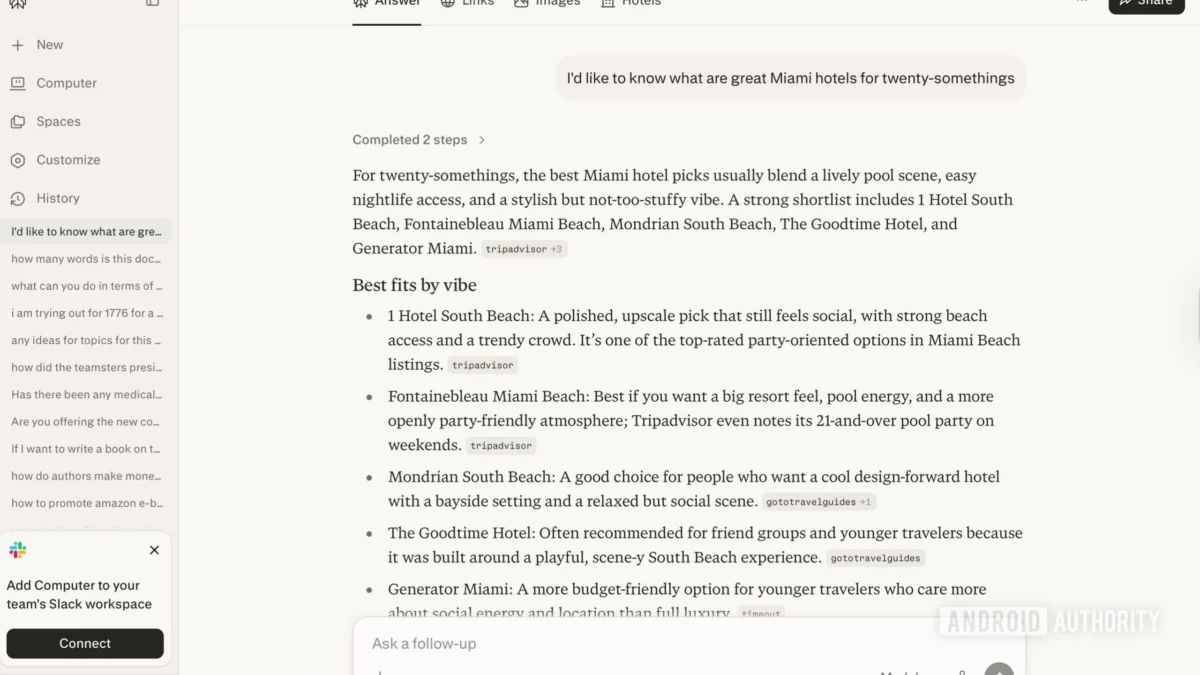
The "subscription economy" has quietly metastasized into the artificial intelligence sector. For many professionals, developers, and casual users alike, the rapid proliferation of generative AI tools has led to a fragmented digital landscape where recurring monthly payments feel like small, manageable leaks in a budget. Yet, when aggregated, these $20 monthly fees create a significant financial drain. After conducting a rigorous audit of my own digital ecosystem, I discovered that I was paying for three distinct AI services—Adobe Firefly, ChatGPT Plus, and Perplexity Pro—that were largely redundant, failing to provide marginal utility beyond what their free counterparts could offer. By canceling all three, I didn’t just reclaim $50 a month; I gained a clearer understanding of how to optimize my workflow for genuine productivity rather than mere convenience.
The Illusion of Subscription-Based Utility
The primary catalyst for this shift was a simple, stark question: "Am I using this, or am I just paying for the possibility of using it?" The psychological trap of AI subscriptions is profound. We often subscribe to "Pro" tiers as a hedge against future needs—believing that having the best model available will somehow force us to be more creative or efficient. However, the reality for most users is that the high-tier capabilities of these models remain dormant for the vast majority of the month.
In my professional life as a tech writer, I had convinced myself that I needed the absolute best, most expensive tools to stay competitive. Yet, when I tracked my actual usage, I found that I was performing basic summarization, drafting, and research—tasks that are now commoditized by the baseline versions of these very platforms.
Rethinking Image Generation: From Firefly to Ideogram
Adobe Firefly had become a staple in my workflow primarily due to the marketing narrative surrounding its training data. For a professional, the promise of ethically sourced, commercially safe imagery is a compelling value proposition. However, my usage patterns revealed a disconnect. I wasn’t creating professional-grade assets for Fortune 500 campaigns daily; I was creating social media headers and blog illustrations.
The image quality provided by free-to-use platforms, specifically Ideogram, has matured rapidly. Ideogram, in particular, offers an exceptional balance of prompt adherence and stylistic versatility that rivals, and often exceeds, the output I was getting from my paid subscription. By moving to a free, usage-based model, I saved the monthly cost without sacrificing the quality of my visuals. The takeaway here is crucial: if you are not operating within a legal framework that requires specific indemnification for every pixel generated, the "commercial safety" premium of enterprise-level AI is often unnecessary for independent creators.
The ChatGPT Dilemma: When Habit Overrides Necessity
The decision to cancel ChatGPT Plus was perhaps the most challenging, not because of its functionality, but because of its ubiquity. It is the default tool in the collective consciousness. However, I found myself in a state of subscription bloat. Because I already maintained a professional subscription to Claude Pro—a model I found superior for long-form reasoning and coding—ChatGPT Plus had become a redundant layer.

The free tier of ChatGPT, powered by the highly capable GPT-4o, is more than sufficient for the average user’s needs. While the free version does come with rate limits, I found that those limits rarely hindered my daily workflow. The "Pro" tier, while offering higher message caps and advanced data analysis features, is a luxury for those who aren’t power-coding or handling massive datasets. By shedding this subscription, I eliminated a "habitual" payment that provided little more than a sense of security.
Refining the Research Process with Perplexity
Perplexity Pro was the final tool to fall. Like many, I was initially drawn to the promise of an "AI search engine" that could replace Google. While the Pro tier offers interesting features like file uploads and access to various advanced models, my actual research patterns remained focused on quick information synthesis and source verification.
The free version of Perplexity handles these tasks with remarkable efficiency. It provides the same verifiable citations and synthesized summaries that the Pro version does, making the upgrade largely redundant for a user whose primary goal is information retrieval rather than heavy-duty data analysis. Removing this subscription was the most straightforward decision of the three, as it highlighted that most AI "Pro" features are designed for a power-user demographic that, in reality, represents only a fraction of the subscriber base.
The One Constant: Why Claude Pro Remains
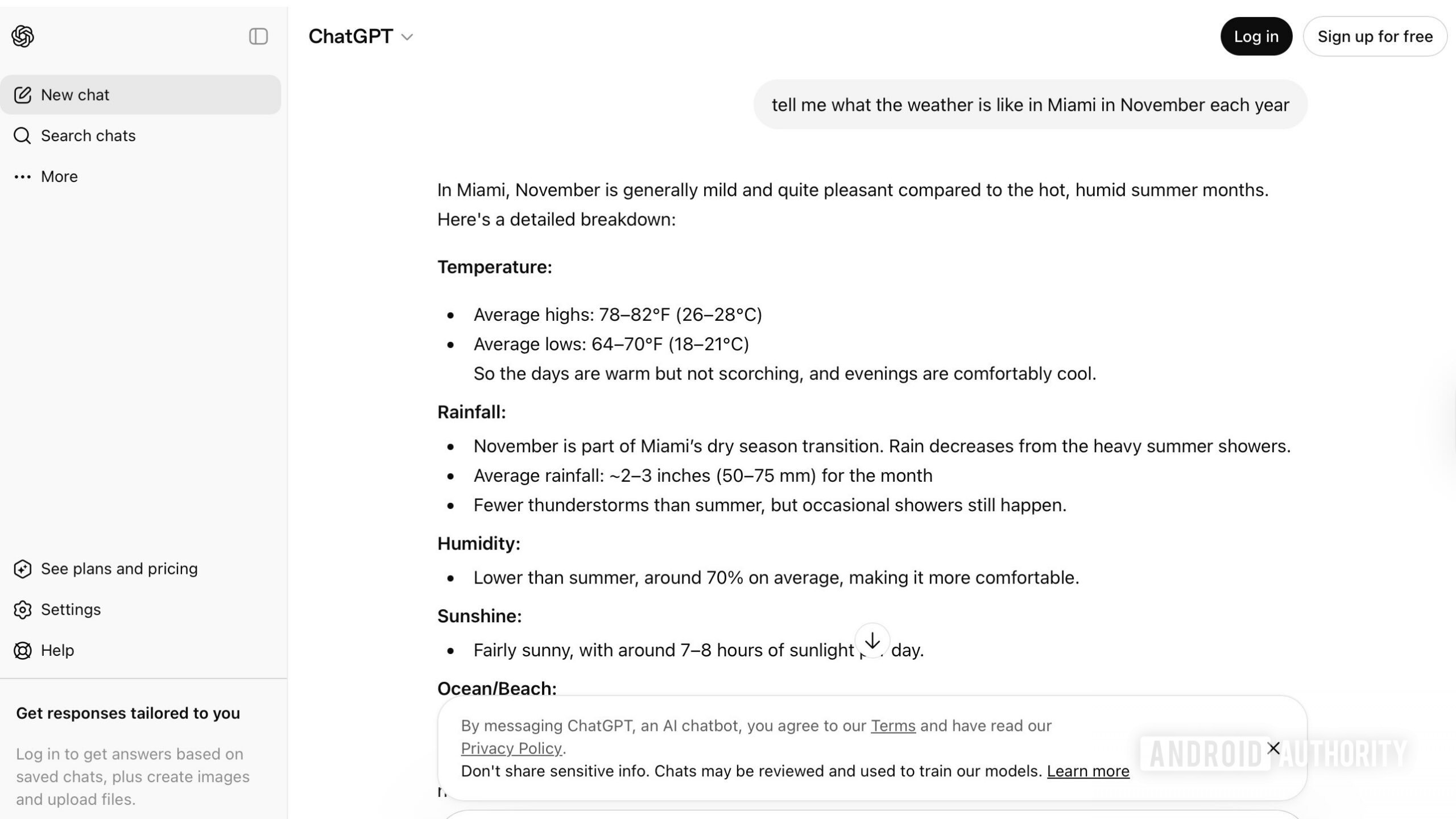
Despite my aggressive cost-cutting, I kept one subscription: Claude Pro. This decision was grounded in a specific, expert-level analysis of my own workflow. Unlike the other tools, which often served overlapping roles, Claude Pro offered a unique set of capabilities—specifically its long-context window and superior coding performance—that directly impacted the quality of my work.
Managing a long-form novel and complex B2B client projects requires a model that can "remember" and reason across hundreds of pages of text without hallucinating or losing context. In this specific arena, Claude’s performance is objectively superior for my needs. This reinforces a key lesson for the modern digital worker: you should pay for the tools that provide a unique, non-substitutable advantage to your core output, and cut everything else.
The Broader Industry Implication
This shift highlights a growing trend in the AI industry: the "commoditization of intelligence." As models like Llama 3, Mistral, and the base versions of GPT-4o become increasingly powerful and accessible for free, the value proposition of a $20-per-month subscription is weakening. We are moving toward an era where AI will be treated more like a utility—like electricity or water—than a premium software suite.
The industry is currently in a "gold rush" phase, where companies are betting on mass-market subscriptions to justify the astronomical costs of model training. However, as users become more sophisticated and realize that free, browser-based, or open-source local models can handle 90% of their daily requirements, the market will likely see a significant churn in subscribers. This will force companies to shift their focus from generic "chat" subscriptions to more specialized, vertical-specific AI agents that offer deeper integration and actual ROI for professionals.
Future Trends: Local and Specialized AI
Looking ahead, we can expect a transition away from the "one-size-fits-all" chat interface. The future of AI productivity lies in two directions: local execution and highly specialized agents.
- Local LLMs: As hardware improves, running powerful models directly on our local devices (Macs, PCs, and high-end workstations) will become the norm. This eliminates the need for a monthly subscription entirely, as the user owns the model, ensuring privacy and removing the "metered" aspect of usage.
- Specialized Agents: We will likely see a decline in generic subscriptions and an increase in specialized tools that do one thing perfectly—whether that is legal document review, specialized medical diagnostics, or high-level software architecture. These tools will justify their cost not by being "better" at everything, but by being indispensable at one thing.
A Call for Digital Hygiene
The exercise of auditing my AI subscriptions taught me more than just how to save money; it taught me about the importance of digital hygiene. In an age of endless "Pro" tiers, it is easy to become a passive consumer of software. We sign up for a service, forget about it, and assume that it’s adding value to our lives simply because we’re paying for it.
I urge anyone currently paying for multiple AI services to perform the same audit. Open your billing history, look at your usage logs, and ask: "If this service disappeared tomorrow, would my work suffer?" If the answer is no, you are simply paying a "convenience tax." By cutting the clutter, you not only improve your financial bottom line but also force yourself to engage more intentionally with the technology you use, leading to a more focused and efficient professional life. The era of mindless AI subscription is coming to an end; the era of intentional AI usage has just begun.
