

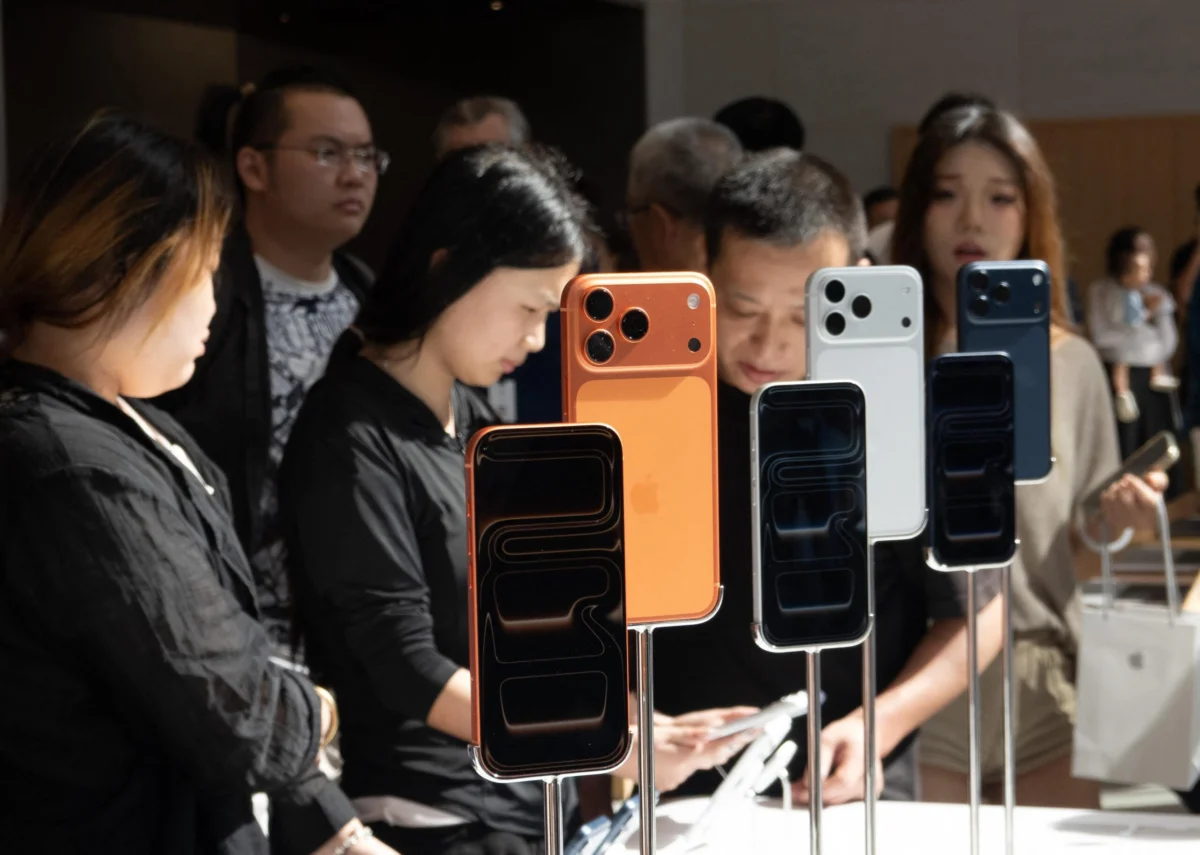
The consumer electronics industry operates on a rhythm dictated by many players, but there is only one conductor whose baton controls the tempo of the entire global market. As the industry looks toward the third quarter of 2026, the expected launch of the iPhone 18 Pro family on Wednesday, September 9, represents more than just a product refresh. It is a masterclass in predatory scheduling, a tactical maneuver that leverages predictability as a weapon to starve competitors of media attention, retail space, and consumer dollars. For years, the tech world has anticipated the "September window," yet despite knowing exactly when the blow will land, the rest of the industry remains unable to parry Apple’s most aggressive annual move.
The timing of the iPhone 18 Pro launch is not merely a matter of tradition; it is a calculated strike against the European tech calendar, specifically the IFA Berlin trade show. Taking place from September 4 to September 8, 2025, IFA has long served as the "Mobile World Congress of the North," a venue where manufacturers like Samsung, Sony, and various Chinese OEMs showcase their year-end hardware. However, by positioning the iPhone 18 Pro reveal just twenty-four hours after the doors close in Berlin, Apple effectively renders the news coming out of the show obsolete before the exhibitors have even finished packing their booths.
This "oxygen deprivation" strategy has profound implications for the mid-range smartphone market. While IFA has historically been a launchpad for premium devices, the looming shadow of the iPhone has forced high-end Android manufacturers to flee to earlier dates in July and August. This leaves IFA as a sanctuary for mid-range handsets, such as the rumored Galaxy S25 FE. However, these devices now find themselves in a precarious financial vice. As Apple moves its "vanilla" or standard iPhone models to a spring release cycle—potentially starting in 2027—the mid-range market is being squeezed. Component costs for memory and storage are skyrocketing, and with Apple commanding the lion’s share of the premium margin, mid-range manufacturers are finding it increasingly difficult to justify the marketing spend at a trade show that will be forgotten the moment John Ternus takes the stage in Cupertino.
Apple’s dominance is further solidified by what economists call the "last-mover advantage." In the high-stakes world of premium silicon, being first to market is often seen as a virtue. Yet, in the smartphone sector, Apple has proven that being the final word of the year is far more lucrative. Samsung and Google have been forced into a defensive posture, compressing their hardware cycles to avoid a direct collision with the fourth-quarter iPhone juggernaut. Samsung’s decision to move the Galaxy Z Fold and Flip launches earlier into the summer is a transparent attempt to establish a market foothold before the iPhone 18 Pro arrives to "clear the bases."
Google faces a similar dilemma with the Pixel 11 Pro. With a mere two-week window between the Pixel’s critical review period and the iPhone 18 Pro’s global reveal, the Mountain View giant finds its marketing momentum perpetually neutralized. When the world’s press descends upon Apple Park, the digital headlines and column inches dedicated to the Pixel are instantly overwritten by the fervor surrounding the new A-series chips and the latest Pro-grade camera optics. Whether competitors choose to retreat further into the summer or attempt to stand their ground in September, the result is the same: Apple wins the narrative.
This year, the iPhone 18 Pro launch also serves as a critical transition point for Apple’s leadership. As John Ternus prepares to take the reins as CEO, the iPhone 18 Pro represents a "continuity product"—a device that must maintain the company’s staggering retail dominance while signaling a new era of hardware refinement. The predictability of the September launch provides Ternus with a stable platform to demonstrate operational excellence, ensuring that the transition from the Tim Cook era does not disrupt the company’s most vital revenue stream.

Perhaps the most sophisticated aspect of the iPhone 18 Pro’s market entry is how it handles the inevitable reality of price inflation. Industry reports suggest that the iPhone 18 Pro and Pro Max will see a price increase of between $100 and $200. This is not an arbitrary hike but a response to the same memory and silicon shortages that have plagued the industry for the past eighteen months. Apple recently raised prices across its Mac and iPad lineups—with some models seeing a 23% jump—and the iPhone is the final piece of the puzzle to adjust to these new economic realities.
However, because Apple is the "last mover," it avoids the "sticker shock" that usually accompanies such a significant price jump. Samsung and Google, having launched their flagships earlier in the summer, were forced to be the ones to break the news of higher prices to the public. By the time consumers reach the September 9 launch event, the concept of a $1,199 or $1,299 flagship has already been normalized by the competition. Apple isn’t seen as the instigator of inflation; it is seen as simply "following market conditions." The Galaxy and the Pixel took the reputational hit, allowing the iPhone to reap the rewards of higher margins without the associated consumer backlash.
Beyond the hardware and the pricing, the iPhone 18 Pro release date is synchronized with the labyrinthine world of North American carrier subsidies. The September launch window is perfectly aligned with the 12- and 24-month upgrade cycles of millions of consumers. Carriers like Verizon, AT&T, and T-Mobile build their entire annual promotional calendars around this specific Wednesday in September. When a consumer’s contract expires in early September, the marketing machine is already primed to funnel them directly into an iPhone 18 Pro. This creates a "retail moat" that is virtually impossible for Android manufacturers to cross. Even if a competing device is technically superior or more affordably priced, it cannot overcome the institutional momentum of the carrier-contract-upgrade cycle that Apple has spent decades cultivating.
Looking ahead, this fixed calendar creates a predictable environment for Apple’s massive supply chain. Partners like TSMC can align their 2nm or 3nm node transitions with the precision of a Swiss watch, knowing that the "Red-Letter Day" in September is immovable. This allows Apple to secure the lion’s share of advanced wafer capacity, effectively starving competitors of the very components they need to challenge the iPhone’s performance benchmarks.
The strategy does not come without risks. By sticking to such a rigid schedule, Apple leaves itself vulnerable to any unforeseen disruptions in its global logistics network. However, the company has proven time and again that its operational prowess is second to none. The shift of the standard iPhone 18 to a spring release window further suggests that Apple is looking to diversify its "attack surface," applying the same pressure to the Mobile World Congress (MWC) in February that it currently applies to IFA in September.
In conclusion, the iPhone 18 Pro’s release date is not just a point on a calendar; it is the cornerstone of a comprehensive strategy to dominate the global technology landscape. By leveraging the "last-mover advantage," insulating itself against price sensitivity through the actions of its competitors, and maintaining a vice-like grip on carrier upgrade cycles, Apple has created a market environment where the competition is defeated long before the first pre-order is even placed. As September 9 approaches, the industry isn’t just preparing for a new phone; it is preparing for the annual reassertion of Apple’s unchallenged hegemony in the premium mobile space. The iPhone 18 Pro hasn’t just arrived to compete; it has arrived to remind the world that in the business of technology, timing isn’t just everything—it’s the only thing.
