

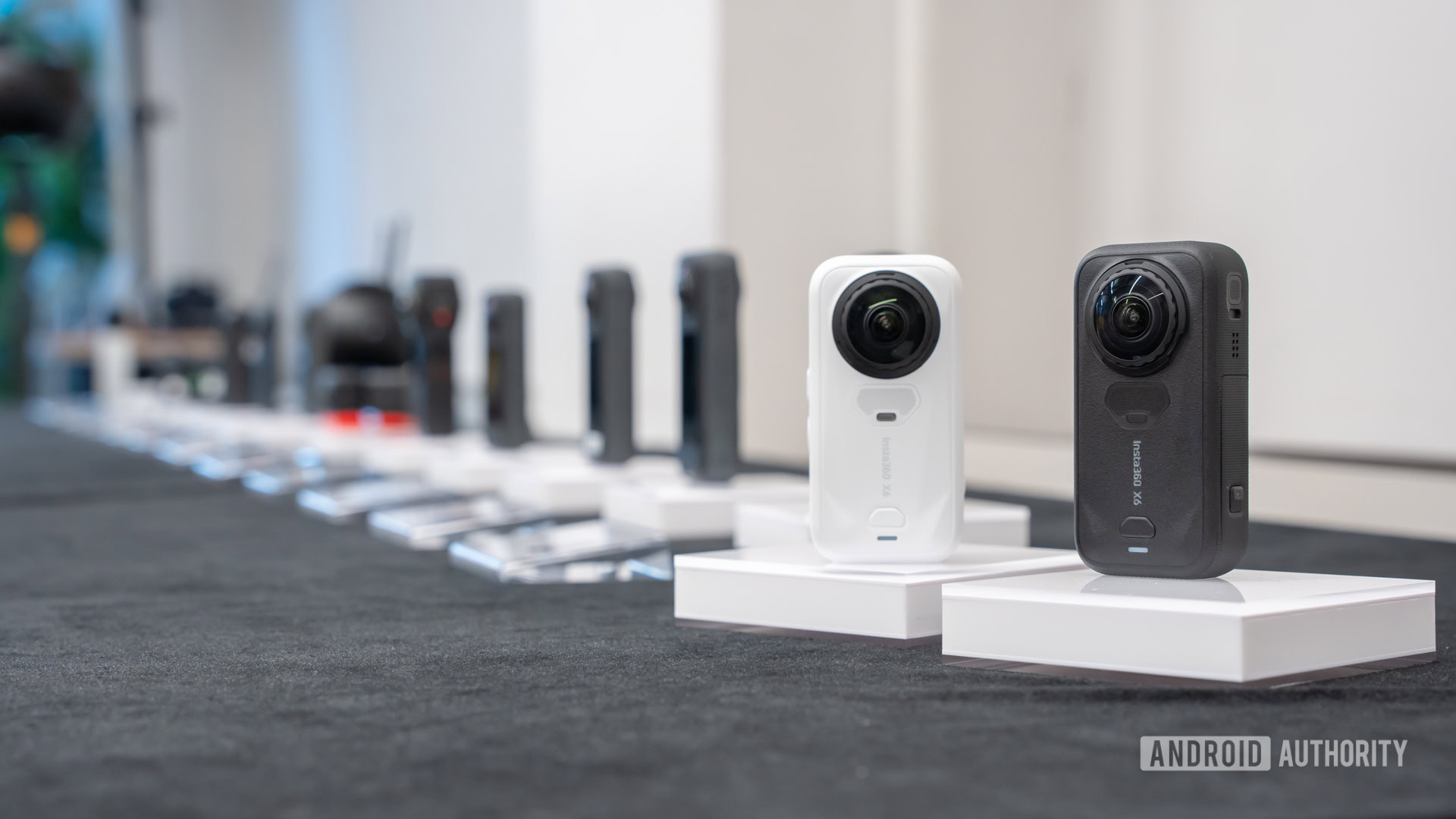
Stepping into a high-profile technology briefing room in Manhattan weeks ahead of a major global hardware reveal often provides a clearer window into corporate strategy than any standard press release ever could. While the primary objective of the gathering was to pull back the curtain on the upcoming Insta360 X6, the dialogue quickly expanded into a retrospective journey through a decade of hardware iteration, software evolution, and a bold vision for the future of digital content creation. Although the physical capabilities of the new flagship device are undeniably impressive, the broader narrative centers on how a comprehensive hardware-software ecosystem is actively reshaping what consumers expect from portable imaging tools. For years, the conversation surrounding spherical capture has focused narrowly on resolution upgrades and sensor sizes. Today, the conversation has matured into something far more ambitious: positioning a single omni-directional device as the definitive, multi-purpose replacement for an entire arsenal of traditional shooting gear.
A Decade of Overcoming Structural Industry Friction
Looking back over the past ten years reveals just how far the consumer 360-degree sector has traveled. Veterans of the tech journalism beat will vividly recall the early days of experimental spherical attachments, such as the pocket-sized Insta360 Nano that clipped directly onto early iPhone iterations to bring spatial capture to the masses. During those formative years, skepticism within the analyst community was high. The core dilemma facing the market was never a lack of consumer fascination with immersive media; rather, it was a staggering array of workflow barriers that effectively gated the technology away from everyday users.
Producing high-quality spherical clips a decade ago required navigating a punishing pipeline. Creators needed dedicated, often expensive capture hardware, specialized proprietary stitching software, and a deep understanding of complex editing suites. Furthermore, rendering immersive files demanded workstation-class computing power that far exceeded what the average consumer had sitting on their desk. When standard, flat 2D video editing already demanded significant technical proficiency and patience, convincing mainstream audiences to embrace multi-angle, spherical workflows seemed like a bridge too far.
Yet, persistent engineering and software optimization changed the trajectory of the market. Rather than retreating into an ultra-niche corner for extreme sports enthusiasts and professional real estate documentation, the category steadily dismantled its own barriers. Today, consumer-grade spherical cameras boast robust build qualities, easily replaceable lens protection modules, and high-definition recording standards that rival traditional single-lens shooters. The modern computing landscape has shifted dramatically as well, allowing mid-range mobile devices to process demanding video files locally, supported by powerful cloud infrastructures that offload heavy computations from local hardware.
The Artificial Intelligence Revolution and the Zero-Edit Paradigm
Even as hardware durability and processing power improved, time remained the ultimate bottleneck for content creators. Sorting through hours of raw footage, selecting compelling angles, applying transitions, and synchronizing audio tracks demanded hours of tedious labor. To truly bridge the gap toward mainstream adoption, the industry required a paradigm shift away from manual post-production. This realization has birthed the era of zero-edit workflows, powered by advanced multimodal artificial intelligence models designed to completely automate the storytelling process.
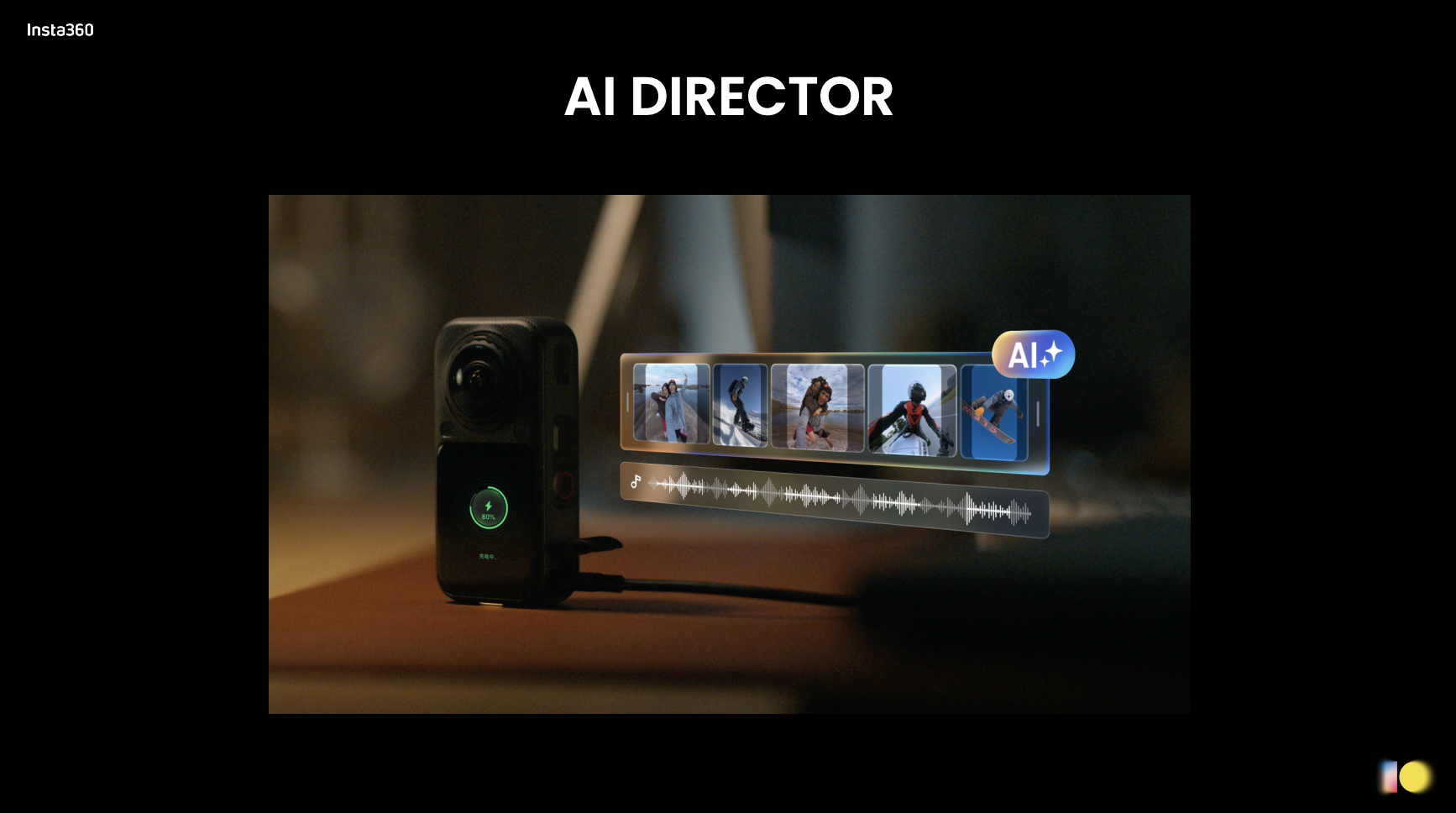
Modern computational frameworks, such as the newly introduced APEV model, function as an intelligent digital director embedded within the user’s pocket. Instead of forcing creators to spend their evenings scrubbing through timelines, these intelligent systems analyze raw, multi-angle data streams in real time. They evaluate motion vectors, identify high-energy moments, filter out unstable segments, and construct coherent narrative vlogs autonomously. Features like automated daily compilation tools allow users simply to plug their hardware in to recharge overnight, prompting the device to generate and wirelessly transfer a polished, ready-to-share recap directly to a mobile device before morning.

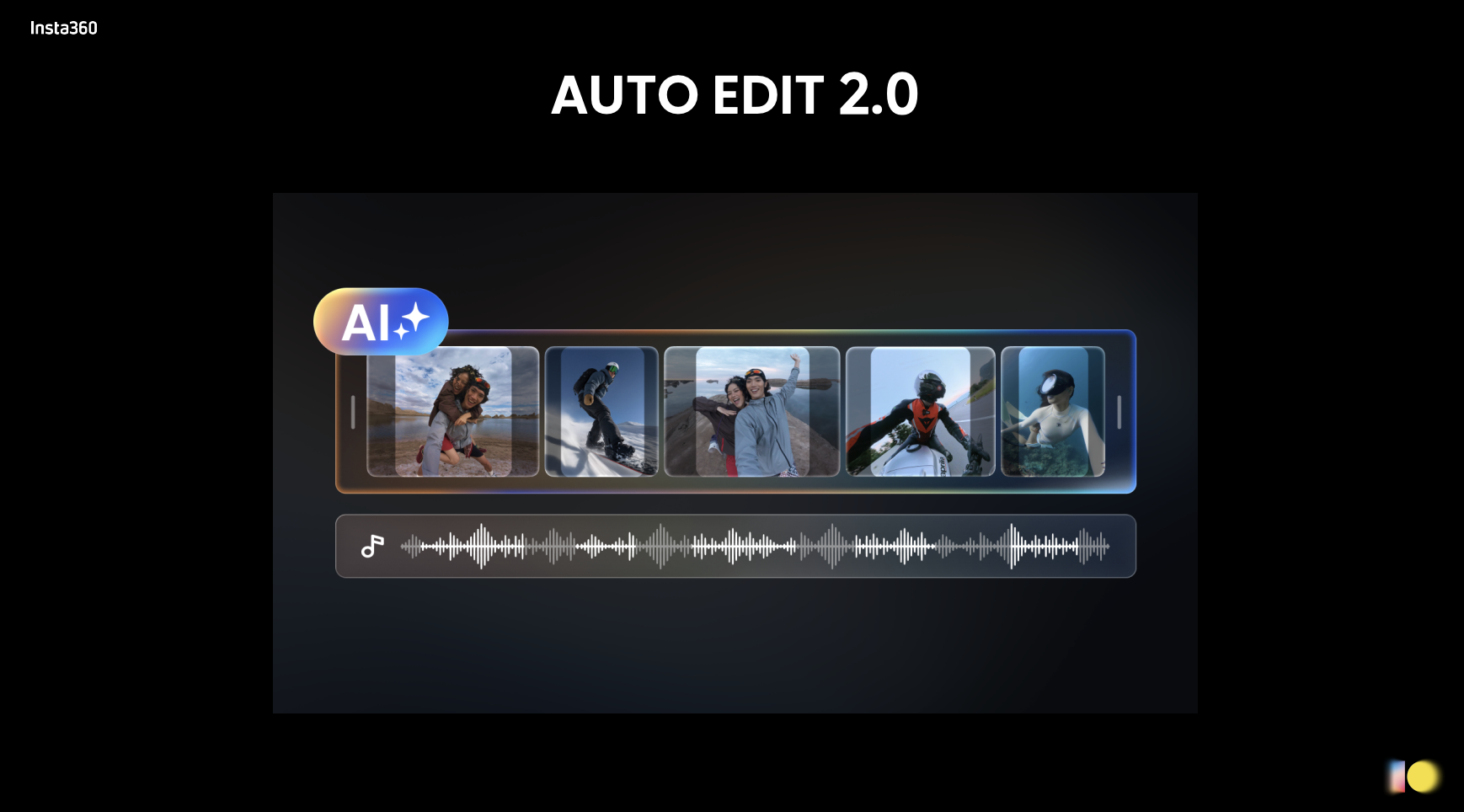
For creators who prefer a more personalized touch, automated editing suites have evolved to handle manual clip selections with sophisticated precision, seamlessly applying beat-matched soundtracks and dynamic framing adjustments. Furthermore, the integration of cutting-edge cloud intelligence platforms, featuring conversational multimodal assistants like Gemini, transforms the editing process into a natural language dialogue. Creators can now verbally instruct their editing suite to alter pacing, highlight specific subjects, or shift thematic tones using conversational prompts, effectively democratizing professional-grade post-production for users with zero prior editing experience.
Consolidating the Portable Gear Bag
As computational photography and artificial intelligence converge, the hardware itself is evolving to absorb the functions of entirely separate product categories. For decades, content creators have carried fragmented toolkits: action cameras for rough terrain, dedicated gimbals for stable walking shots, traditional webcams for desk-bound communication, and standard mirrorless cameras for static vlogging. The modern evolution of spherical hardware threatens to render this fragmentation obsolete.
The core advantage of omni-directional capture lies in its fundamental data capture method: by recording every possible angle simultaneously, the camera captures an expansive spatial buffer. In post-production, the user is no longer constrained by the physical direction the lens was pointing at the moment of recording. A high-resolution crop from an 8K spherical video stream yields a pristine, ultra-sharp standard 2D framing that easily competes with dedicated action cameras. At the same time, advanced electronic stabilization algorithms utilize the surplus surrounding visual data to smooth out erratic camera movements, effectively duplicating the mechanical stabilization performance of a motorized three-axis gimbal without the added bulk.
When integrated with standard desktop and mobile communication software, these devices seamlessly transition into high-fidelity webcams, offering wide fields of view and intelligent subject-tracking capabilities that keep the speaker centered automatically during video conferences. By combining the durability of an adventure camera, the stabilization of a motorized mount, the flexibility of re-framable high-resolution video, and the convenience of automated artificial intelligence direction into a single, pocket-sized form factor, the tech industry is witnessing the birth of a genuine consolidation wave.
The Road Ahead for Spatial and Traditional Media
The transition toward a unified capture ecosystem raises important questions about the future trajectory of consumer imaging hardware. As optical fidelity reaches parity with traditional single-lens formats and artificial intelligence removes the friction of post-production, the psychological barrier to entry for spherical media continues to dissolve. While traditional cinema cameras will always retain their specialized domain in Hollywood-grade narrative production, the everyday consumer and enthusiast market is prime for a structural realignment.
Consumers are increasingly valuing convenience, versatility, and efficiency over the hassle of managing multiple niche devices. If a single pocketable tool can reliably document an afternoon hike, produce stabilized vlogs, stream professional video calls, and edit its own footage autonomously while charging overnight, the rationale for maintaining a cluttered gear bag diminishes rapidly. The recent breakthroughs showcased in New York signal that the era of the single, all-encompassing capture device is no longer a distant theoretical concept. It is arriving rapidly, challenging creators to rethink how they capture, curate, and share their daily lives.
