

The narrative surrounding home entertainment projection has historically been one of deliberate ritual. Recalling the early days of portable projection—the cumbersome equipment, the necessity of precisely timed twilight, and the sheer logistical effort required to host an outdoor screening—underscores a fundamental difference between projectors and traditional television sets. Televisions were ubiquitous, always-on focal points; projectors were special-event instruments. This distinction, however, is rapidly dissolving as the integration of advanced operating systems like Google TV breathes new life into portable projection, transforming these devices from niche cinema tools into dynamic, communal hubs. Manufacturers are strategically embedding social functionalities and ambient utility features, signaling a profound shift in how consumers interact with projected imagery.
The Genesis of the Social Display
For decades, the projector market focused its innovation efforts almost exclusively on core optical performance metrics: lumens for brightness, contrast ratios for image depth, and acoustic engineering for fan noise suppression. While these elements remain crucial, the recent explosion in the portable projector segment—driven by miniaturization, battery technology advancements, and the proliferation of smart OS integration—has forced manufacturers to consider the user experience in a broader context. The addition of Google TV, with its unified interface and vast app ecosystem, has provided the necessary software foundation for this evolution.
The industry is now recognizing that a device designed for portability is inherently more likely to move between social settings—from the living room to the patio, or even to a friend’s gathering. This mobility necessitates a change in design philosophy. Instead of being relegated to a permanent, light-controlled home theater, these projectors are being engineered to integrate seamlessly into the fluid environment of modern social life. This is where the "social" element enters the fray, moving beyond simple screen mirroring to active content contribution and atmospheric enhancement.
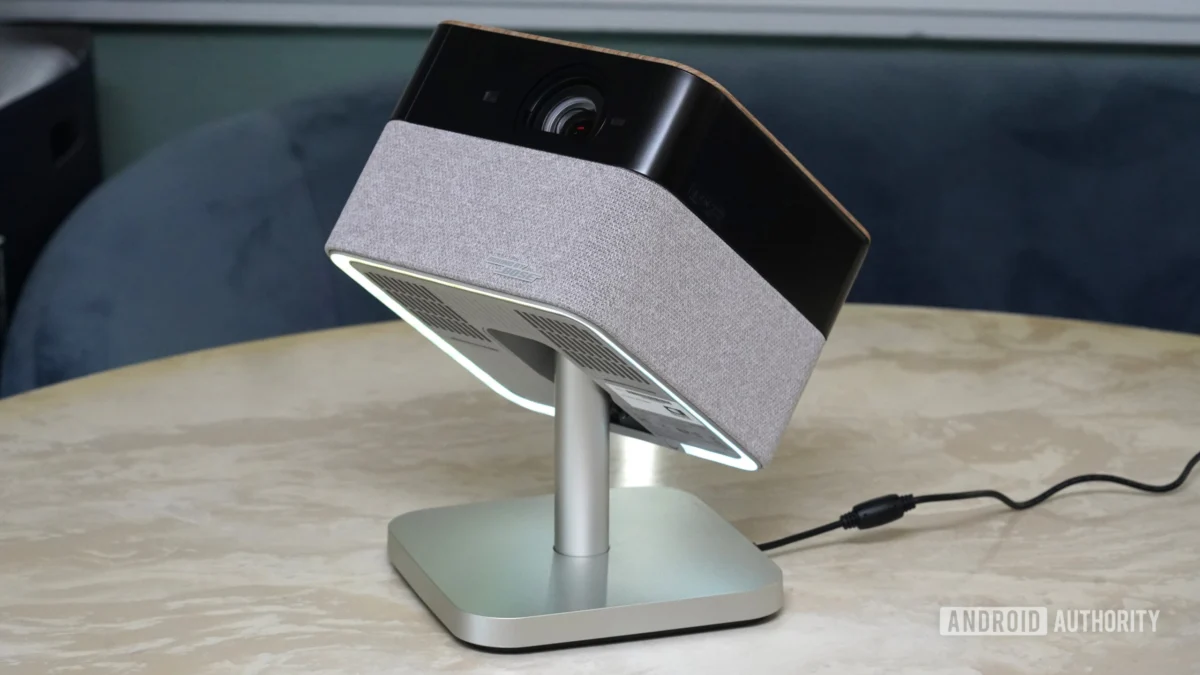
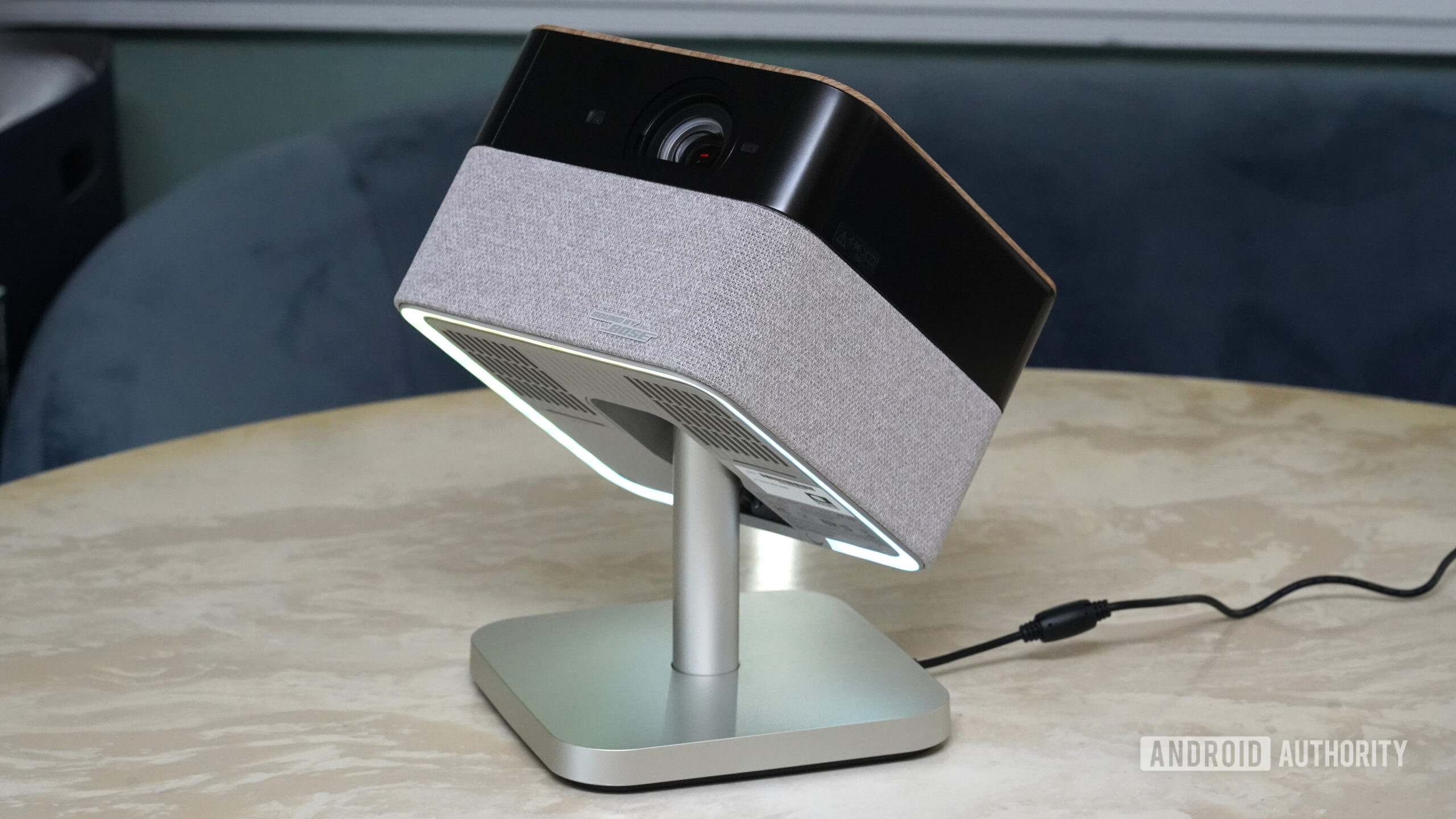
Epson’s recent foray with the Lifestudio product family exemplifies this strategic pivot. The very nomenclature suggests an intent to be a lifestyle accessory rather than a mere piece of AV hardware. Devices like the Lifestudio Flex Plus are characterized by consumer-friendly industrial design and robust auto-setup capabilities—automatic keystone correction, autofocus, and intelligent obstacle avoidance—which drastically lower the barrier to spontaneous use. The inclusion of Google TV ensures that the device is perpetually "on" in a functional sense, accessible for a casual evening stream of a favorite series, transforming the projector into a daily-use display equivalent to a flat-screen television.
Analyzing Collaborative Content Integration
The most compelling aspect of this trend is the move toward bi-directional content sharing. Traditional projection setups were inherently unidirectional: content flowed from a source device (a laptop, a Blu-ray player) through the projector to the audience. Collaborative features fundamentally alter this dynamic.
Epson’s Lifestudio platform appears to be pioneering a software layer that treats the projection surface as a shared digital canvas accessible by multiple participants. This is not simply screen casting; it involves curated, shared sessions where guests can contribute media—be it recent vacation photos, shared documents, or collaborative playlists—directly into the projection stream. From an analytical standpoint, this taps into the inherent human desire for shared visual experiences that go beyond passive consumption. It mirrors the functionality of digital photo frames or communal smart displays but scaled to cinematic dimensions.
Consider the implications for social gatherings: instead of huddling around a smartphone to view a few quick snapshots, a group can instantly populate a massive screen with a stream of memories, fostering immediate, shared reminiscing. This capability shifts the projector’s role from an entertainment delivery system to a genuine social catalyst.
Beyond the Image: Ambient Functionality and Ecosystem Lock-in
The social evolution of Google TV projectors extends beyond direct content sharing into creating an encompassing atmosphere. Manufacturers are leveraging the built-in processing power and speakers to offer features that maintain relevance even when no video content is being displayed.
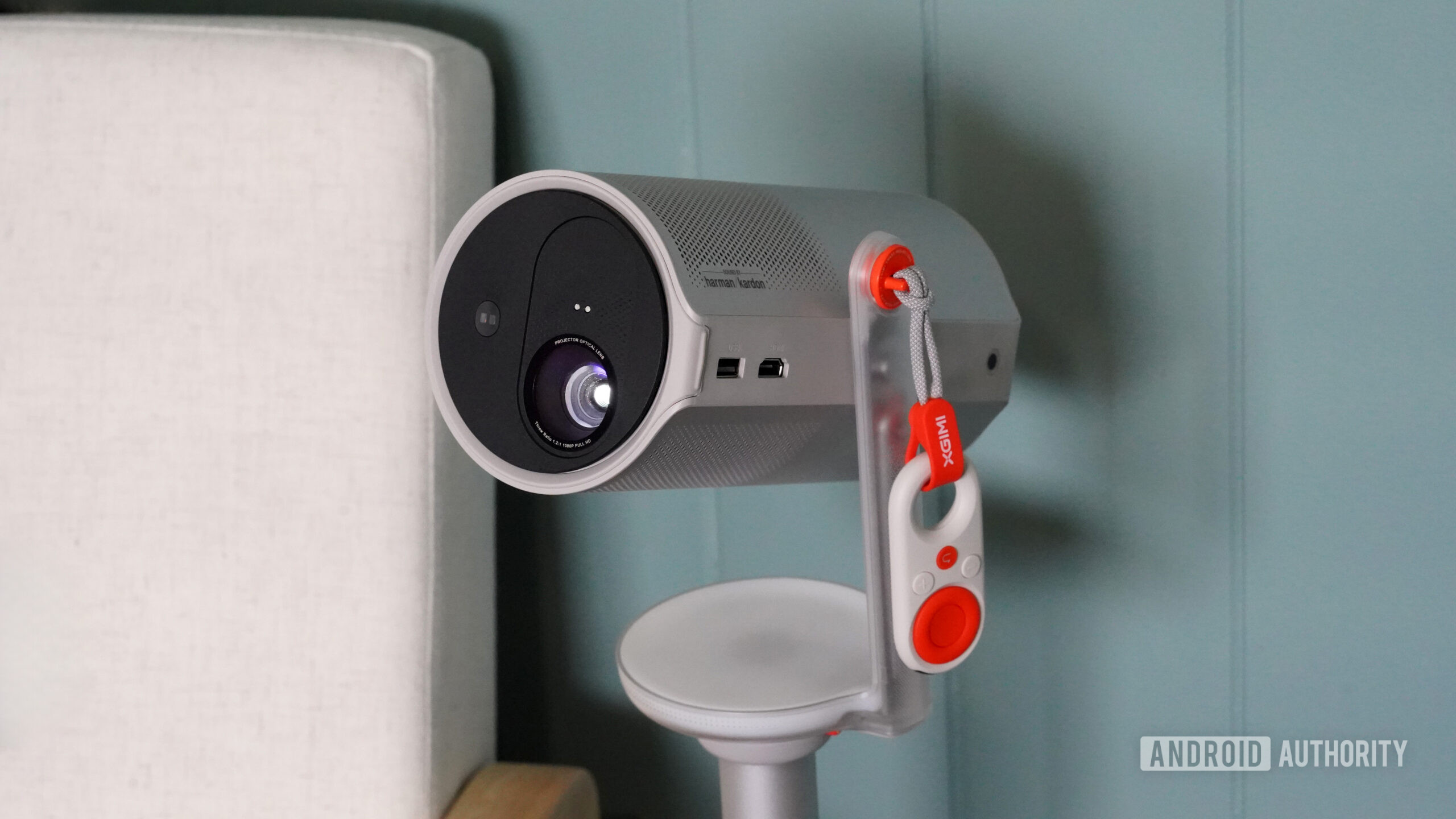
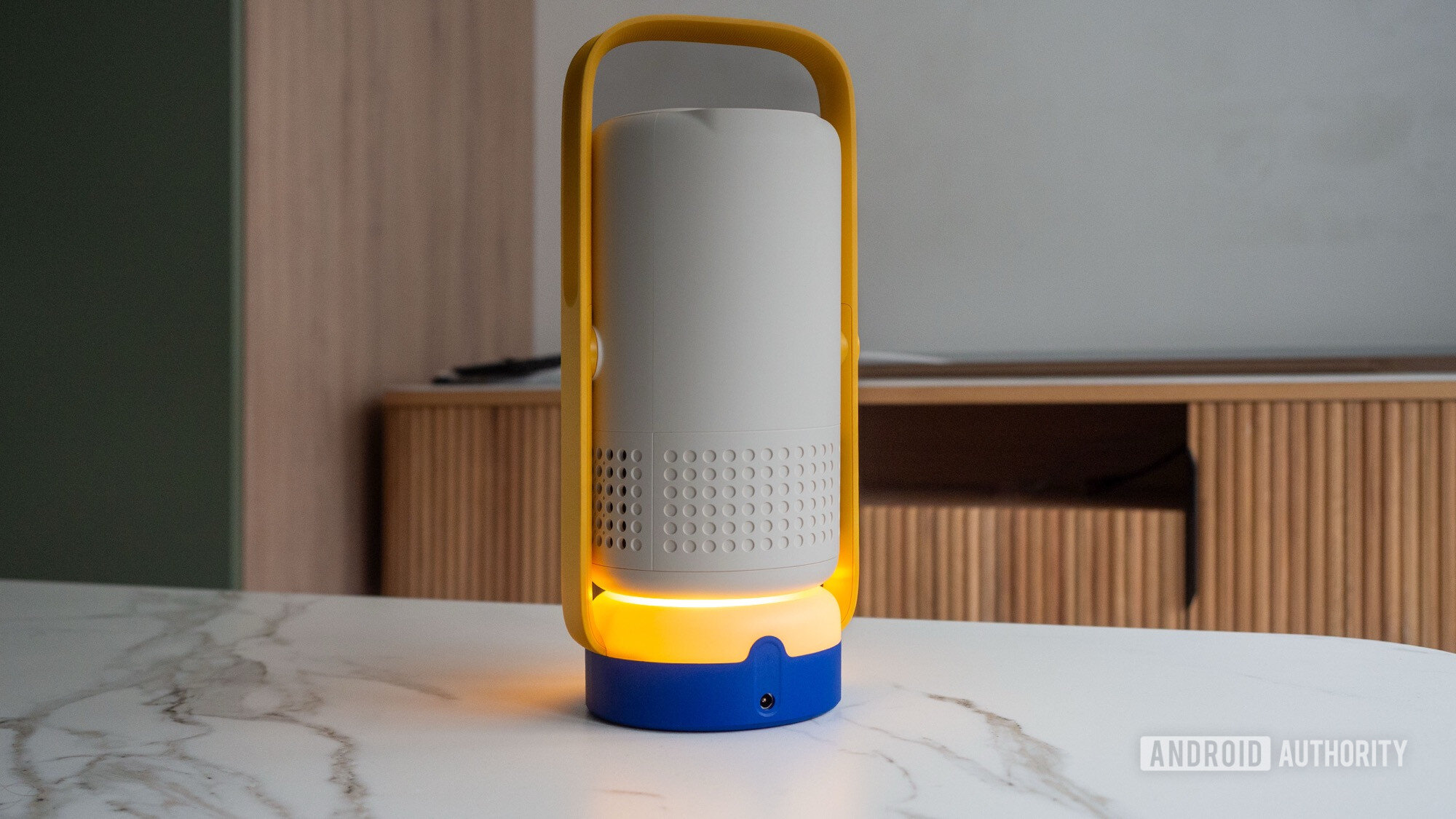
XGIMI’s Vibe One is a prime example of this multi-functional approach. Its design prioritizes aesthetic appeal—compact, perhaps even colorful—signifying its readiness to occupy prominent, everyday spaces. Crucially, the device incorporates advanced ambient modes. These modes utilize the projector’s optics and light engine not just for video, but as dynamic mood lighting. Features like music-synced light shows or customizable color washes effectively turn the projector into a sophisticated smart lamp or entertainment centerpiece, independent of its primary function.
Furthermore, the integrated high-fidelity audio, often positioned as capable Bluetooth speaker replacements, adds another layer of utility. A user can utilize the Vibe One solely for high-quality audio playback while simultaneously cycling through subtle, atmospheric visual effects. This integration strategy aims for "always-on" relevance, ensuring the device earns its footprint in the living space rather than being packed away after the credits roll. The interchangeable magnetic filters seen on models like the MoGo 4 further reinforce this: these physical accessories allow for immediate, on-the-fly thematic alteration of the projected light, serving both entertainment and mood-setting purposes.
Industry Implications: The Erosion of the TV Monolith
The trend toward feature-rich, socially integrated portable projectors poses significant structural challenges to the established dominance of the flat-panel television market, particularly in secondary viewing areas or for younger demographics.
Historically, the primary inhibitor for projectors replacing TVs was setup friction and ambient light performance. Today, auto-correction algorithms have largely mitigated the setup hurdle. While true ambient light performance remains a challenge compared to high-end OLED or QLED panels, the "good enough" standard for casual viewing, especially when combined with superior flexibility, is changing consumer calculus.
Expert Analysis on Market Positioning:
- De-centralization of the Primary Display: If a portable projector can offer 100+ inches of screen real estate with respectable brightness (e.g., 800-1500 ANSI lumens) and smart OS integration, it begins to seriously compete with 65-inch fixed displays for primary living room use, especially in smaller urban dwellings where wall space is premium. The ability to deploy a massive screen only when needed is a powerful value proposition.
- The "Shared Experience" Premium: The introduction of genuine collaborative software (like shared photo streams) creates a feature set that fixed televisions, constrained by their standard remote controls and input structures, struggle to replicate effectively. This capability offers a tangible differentiator that appeals directly to social use cases, which are often the defining moments of consumer technology adoption.
- OS Standardization via Google TV: The widespread adoption of the Google TV platform standardizes the interface, making the transition between different brands (Epson, XGIMI, Samsung) less jarring for the end-user. This standardization accelerates user comfort and reduces the learning curve associated with adopting projection technology over traditional smart TVs.
This evolution suggests that manufacturers are not merely selling better projectors; they are selling an alternative mode of social interaction centered around a large, dynamic visual space.
Future Trajectories: AI, Interoperability, and Contextual Projection
Looking ahead, the incorporation of social and ambient features will likely deepen, driven by advancements in artificial intelligence and expanding IoT interoperability.

Contextual Awareness: Future iterations will move beyond user-initiated sharing to context-aware projection. Imagine a projector recognizing the presence of multiple smartphones via local Wi-Fi or Bluetooth pings, prompting a "Start Group Share Session?" dialogue automatically. AI could curate slideshows in real-time based on metadata from contributing devices—for instance, automatically detecting and sequencing photos taken at the same event or location by different users.
Enhanced Auditory/Visual Sync: The ambient sound features will become more sophisticated. Instead of just music syncing, projectors could integrate with smart home sensors to create responsive environments. A sudden, loud noise detected by a smart speaker could trigger a corresponding visual effect on the projection surface, or the device could use internal microphones to dynamically adjust light output based on room acoustics and conversation levels.
Augmented Reality Overlays: While current social features involve sharing existing media, the future may involve real-time AR integration. If a group is discussing a landmark seen on a travel video, the projector could potentially overlay relevant contextual data—maps, historical facts, or even minor visual annotations—directly onto the projected image, managed via guest-accessible mobile interfaces.
The current trajectory confirms that the portable Google TV projector is shedding its identity as a cumbersome AV peripheral. It is rapidly morphing into a flexible, interactive, and socially engaged appliance. The ease of use, coupled with software designed for spontaneous group interaction, positions these devices not as replacements for the living room TV in every scenario, but as superior tools for communal, flexible, and atmosphere-driven visual experiences. This integration of social utility is not a mere gimmick; it represents a fundamental and welcome redefinition of what a projector can be in the modern connected home. The age of the highly adaptable, socially aware display is clearly underway, and its emergence promises a more spontaneous and engaging form of shared digital life.
