

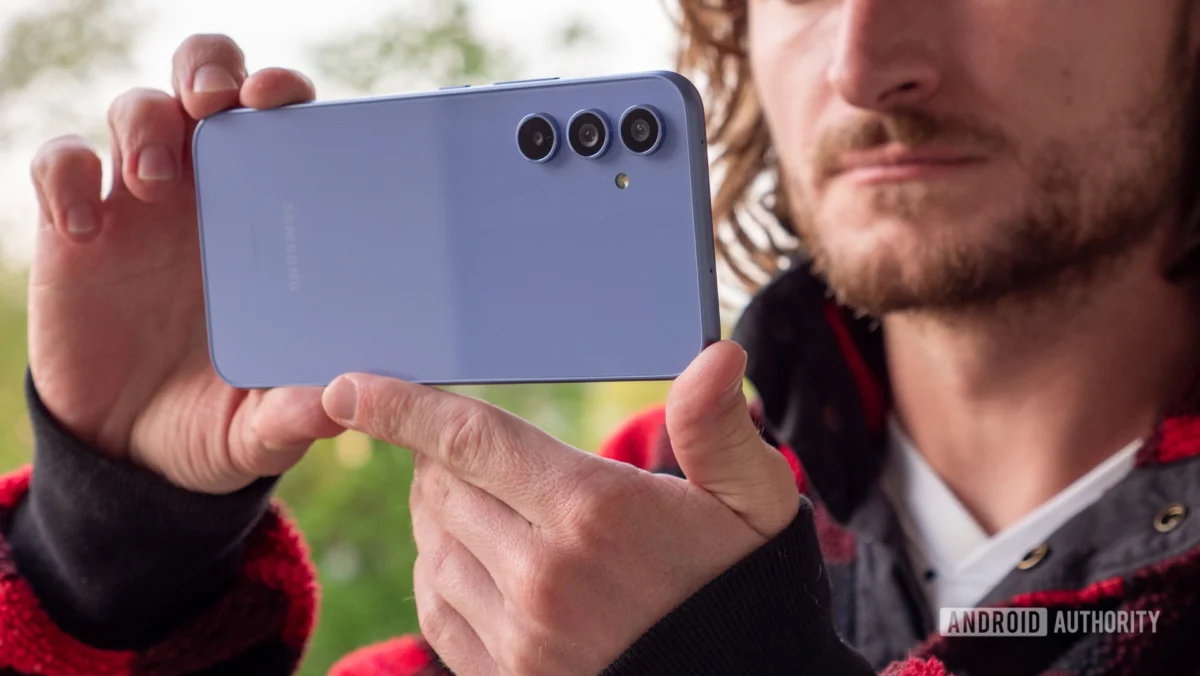
Samsung’s aggressive software strategy has taken a significant turn, signaling that the company is no longer reserving its most advanced interface testing exclusively for premium flagship hardware. In a move that highlights the longevity of its mid-range portfolio, the tech giant has officially initiated the One UI 8.5 beta program for the Galaxy A54. This development follows hot on the heels of similar access being granted to the Galaxy A55, suggesting a broader, more inclusive approach to software distribution that aims to refine the user experience across a diverse spectrum of devices.
Expanding the Horizon of Beta Testing
The inclusion of the Galaxy A54 in the One UI 8.5 beta ecosystem is a notable milestone for users of the popular 2023 device. Initially observed through emerging reports from regional testing pools in India, the rollout confirms that Samsung is prioritizing the optimization of its software on hardware that, while no longer at the cutting edge of the company’s release cycle, continues to hold a massive share of the active user base.
For many, the Galaxy A54 served as the definitive "value-for-money" handset of its year, balancing performance with a display and camera system that punched well above its price bracket. By inviting these users to participate in the One UI 8.5 testing cycle, Samsung is effectively crowdsourcing feedback on how its latest software refinements—which are increasingly centered on AI-driven features and system-level efficiencies—perform on mid-tier chipsets and memory configurations.
Regional Limitations and Global Expectations
While the expansion of the beta program is a cause for celebration, it is currently characterized by geographical fragmentation. At this stage, the availability of the One UI 8.5 beta for the A-series remains confined primarily to markets like India and Korea. This has left a global user base—particularly in Western markets such as the United States, Germany, and the United Kingdom—waiting for further confirmation.
Industry analysts observe that this tiered rollout strategy is standard for a company of Samsung’s scale. By stabilizing the software in high-volume, high-density markets first, the engineering team can address critical bugs and performance bottlenecks before exposing the firmware to a wider, more diverse set of network configurations and localized carrier requirements. However, there is mounting pressure on the manufacturer to standardize these releases, as users in global markets have become increasingly accustomed to the rapid iteration cycles set by premium Android competitors.
The Ripple Effect: What About the Galaxy A34?
The silence surrounding the Galaxy A34, a sibling to the A54, remains a point of curiosity for enthusiasts. Given that the A35 and A36 models have already been integrated into the beta ecosystem, the exclusion of the A34 feels like a temporary state rather than a permanent omission. Samsung’s internal roadmap often prioritizes devices based on current market penetration and chipset architecture similarities. It is highly probable that as the software reaches a higher level of maturity, the A34 will be invited into the fold, ensuring that the legacy of the 2023 mid-range lineup is fully supported in the latest software environment.
Industry Implications: Why Mid-Range Matters
Samsung’s decision to include older mid-range devices in its beta testing is not merely a gesture of goodwill; it is a strategic business necessity. The smartphone market is currently witnessing a trend where the "diminishing returns" of flagship hardware upgrades are pushing consumers to hold onto their devices for longer periods. Consequently, manufacturers are realizing that software support is the primary battleground for customer retention.
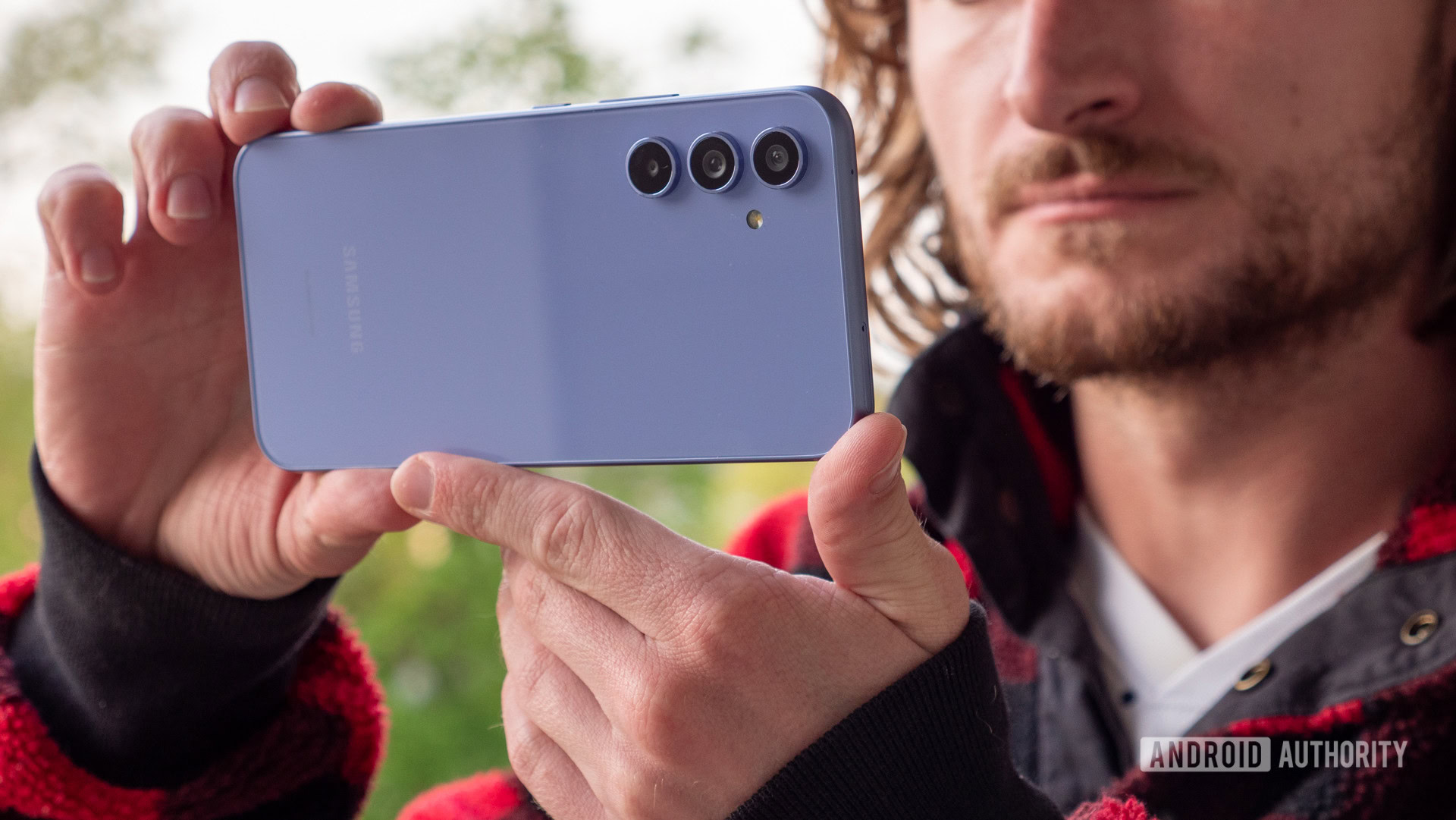
By extending the reach of the One UI 8.5 beta, Samsung is signaling a commitment to longevity. This approach directly challenges the perception that mid-range devices are "disposable" hardware. When a user can run the latest, most feature-rich version of an operating system on a device that is several years old, the perceived value of the brand increases, fostering long-term loyalty that is far more valuable than a one-time hardware sale.
Technical Hurdles and Optimization
From an engineering perspective, bringing a new UI layer to older hardware is a complex task. One UI 8.5 is expected to include significant backend changes, likely integrating more advanced AI processing tasks that were previously reserved for the S-series flagships. The challenge for Samsung’s software team is to ensure that these features do not compromise the system’s stability or battery life on the Galaxy A54’s hardware.
The beta program provides an invaluable dataset for the company to monitor thermal performance, memory usage, and background process management. If the software can run fluidly on an A54, it demonstrates a high level of code optimization, which subsequently benefits the entire Android ecosystem by setting a benchmark for efficiency.
How to Engage with the Beta
For owners of the Galaxy A54, participating in this process requires navigating the Samsung Members application. The process is designed to be user-friendly, though it is gated by capacity limits. Users should:
- Access the Samsung Members App: Ensure the application is updated to the latest version via the Galaxy Store.
- Locate the Announcement: Look for a dedicated promotional banner at the top of the home feed regarding the "One UI 8.5 Beta Program."
- Registration: If the banner is not visible, navigate to the "Notices" or "Beta" section, often located at the bottom of the dashboard.
- Account Syncing: Users must link their primary Samsung account to the request to receive the over-the-air (OTA) update.
Because these programs are limited by server capacity and regional quotas, the window of opportunity to join is often short. Once a user is accepted, the beta will arrive as a standard firmware update. It is important to note that beta software, by definition, may contain stability issues; users are encouraged to back up all critical data before proceeding with the installation.
Looking Ahead: The Future of One UI
The broader trajectory of Samsung’s software development suggests a future where the distinction between "flagship" and "mid-range" software experiences is increasingly blurred. As the company continues to lean into AI-integrated features—such as real-time language translation, advanced photo editing, and predictive system management—the ability to deploy these tools across its entire catalog will be a key competitive advantage.
The current inclusion of the Galaxy A54 serves as a litmus test for this unified vision. If the rollout proceeds smoothly, it sets a precedent for faster, more comprehensive software updates across the board. This, in turn, pressures other Android OEMs to follow suit, potentially raising the industry standard for post-purchase support and software longevity.
As Samsung continues to refine its ecosystem, the role of the user—the beta tester—becomes increasingly critical. Through the feedback provided by A54 owners, the company is not just fixing bugs; it is shaping the future of the One UI experience for millions of users worldwide. The integration of these devices is a testament to the fact that in the modern smartphone landscape, the software is the phone. By investing in the longevity of its best-sellers, Samsung is securing its position as a leader in both hardware innovation and software stewardship.
