

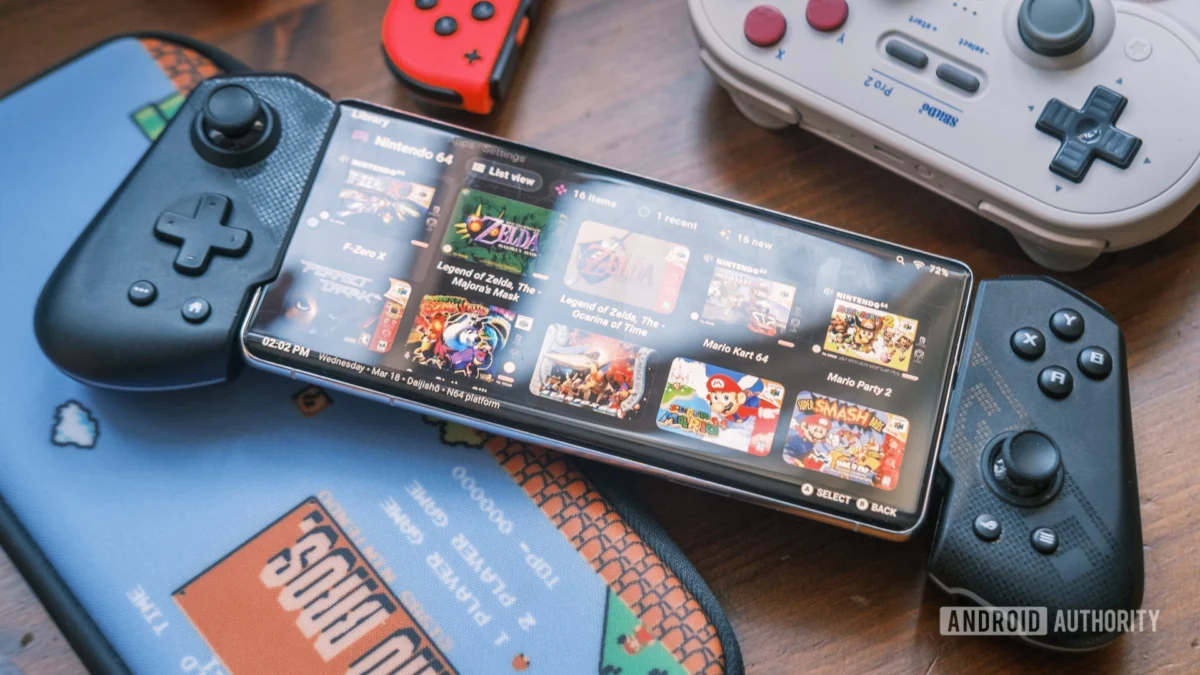
The digital archaeology trend continues unabated, fueled by enthusiasts seeking to revisit seminal gaming experiences with modern convenience. For many users, the aging flagship smartphone sitting in a drawer represents untapped potential—a powerful, pocketable computer awaiting a specialized vocation. My recent experiment involved transforming a Google Pixel 7 Pro, a device now several generations removed from the cutting edge, into a dedicated portable emulation rig. The objective was straightforward: can a two-to-three-year-old high-end Android device still deliver a satisfying, console-quality retro gaming experience on the go? The answer, surprisingly, leans heavily toward the affirmative, provided one manages expectations regarding the most demanding systems.
This pursuit is more than mere nostalgia; it touches upon significant themes in consumer electronics longevity and the evolving landscape of mobile computing power. When the Pixel 7 Pro launched, its Tensor G2 chipset was positioned as a powerhouse for AI and computational photography. Today, while newer silicon dominates benchmarks, the G2 retains substantial graphical and processing capability that far exceeds the requirements of classic 16-bit and even many 32-bit consoles. The fundamental question becomes how effectively modern emulation software can harness this existing hardware, sidestepping the need to purchase dedicated, single-function handhelds.
The Necessary Ecosystem: Software Synergy for Seamless Play
Transforming any Android device into a cohesive gaming handheld requires more than simply installing individual emulator applications. The experience must be streamlined, mirroring the instant-on, library-centric interface of dedicated hardware like the Nintendo Switch or Steam Deck. Navigating dense settings menus or hunting for individual app icons defeats the purpose of a "portable station."
Initial consideration often leads to robust, all-encompassing solutions like RetroArch, the open-source backbone supporting numerous console cores. RetroArch’s strength lies in its unparalleled compatibility and deep configuration options. However, its native user interface, particularly when optimized for touch input on a large smartphone screen, can feel cumbersome when controlling an attached gamepad—a critical component for serious emulation. This friction necessitates a superior front-end layer.
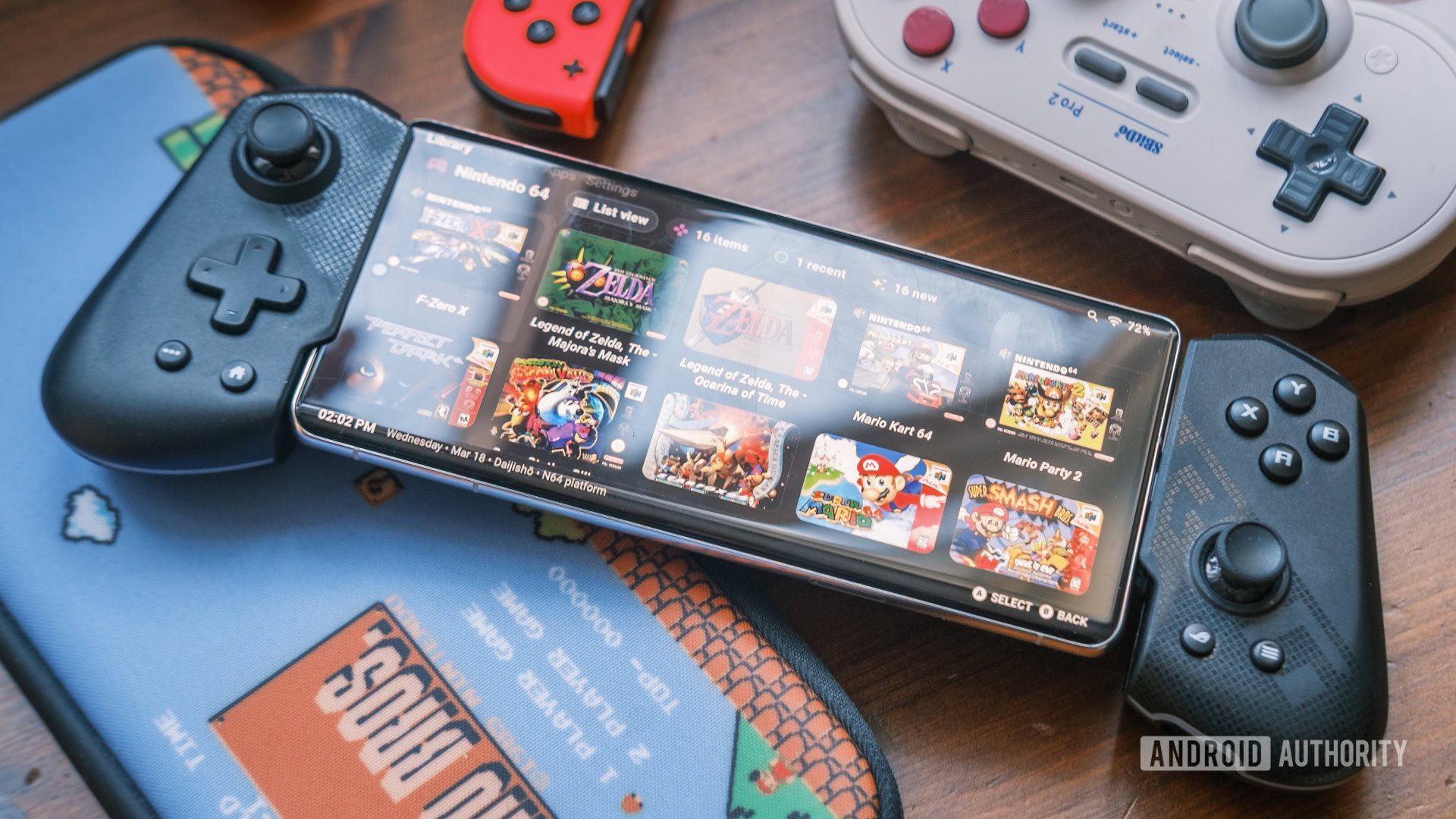
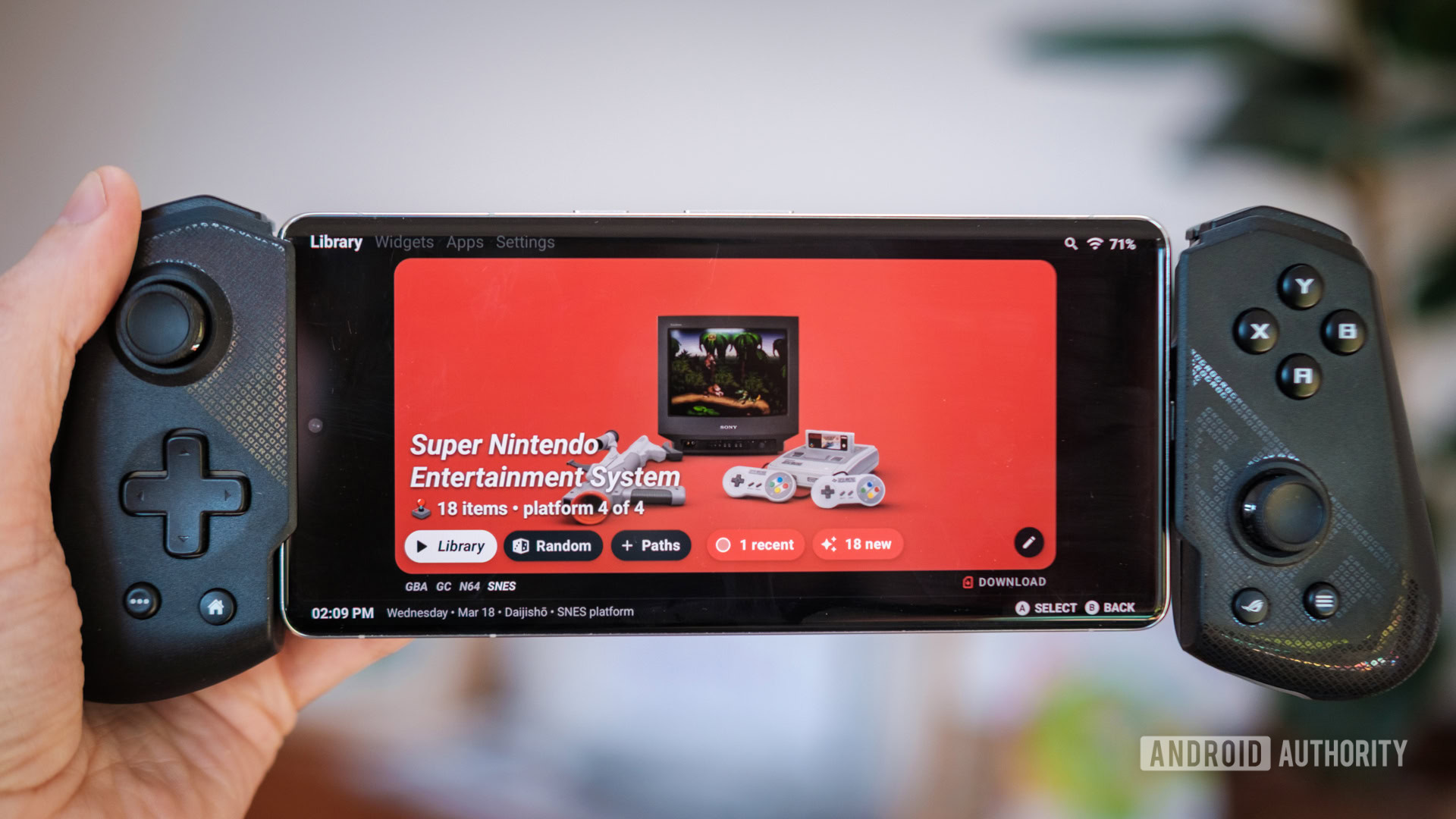
The chosen solution involved a powerful synergy: utilizing RetroArch for its broad core support and hardware abstraction capabilities, layered beneath Daijisho. Daijisho functions as an elegant, controller-centric aggregator. It scans the system, identifies compatible emulators and their respective cores (many of which are RetroArch modules), scrapes metadata and cover art, and presents a unified, visually rich interface that is inherently designed for gamepad navigation. This combination proves highly effective. Daijisho handles the presentation layer, offering aesthetic appeal and streamlined game launching, while RetroArch quietly manages the emulation execution, often automatically detecting and configuring peripherals like the ASUS ROG Tessen controller without tedious manual input mapping. This software architecture creates a dedicated gaming environment where the underlying complexity of emulation is abstracted away from the user. Furthermore, this modularity allows for strategic deployment of specialized emulators—such as standalone builds of DuckStation or Dolphin—when the specific core within RetroArch exhibits performance or compatibility shortcomings, as was noted with the Dolphin core experience.
Performance Benchmarking: The Tensor G2’s Endurance Test
The true measure of this repurposed handheld lies in its ability to handle increasingly demanding emulation targets. Emulation scalability is not linear; the jump from rendering a PlayStation 2 game at native resolution (480p) to a modest 3x upscale (1440p equivalent) can introduce a significant performance overhead, often pushing the CPU core to its limits, regardless of GPU strength.
The experimentation focused on three key generational tiers: PlayStation 2 (via NetherSX2), the original PlayStation (via DuckStation), and the Nintendo GameCube/Wii generation (via Dolphin).
The PS2 Hurdle:
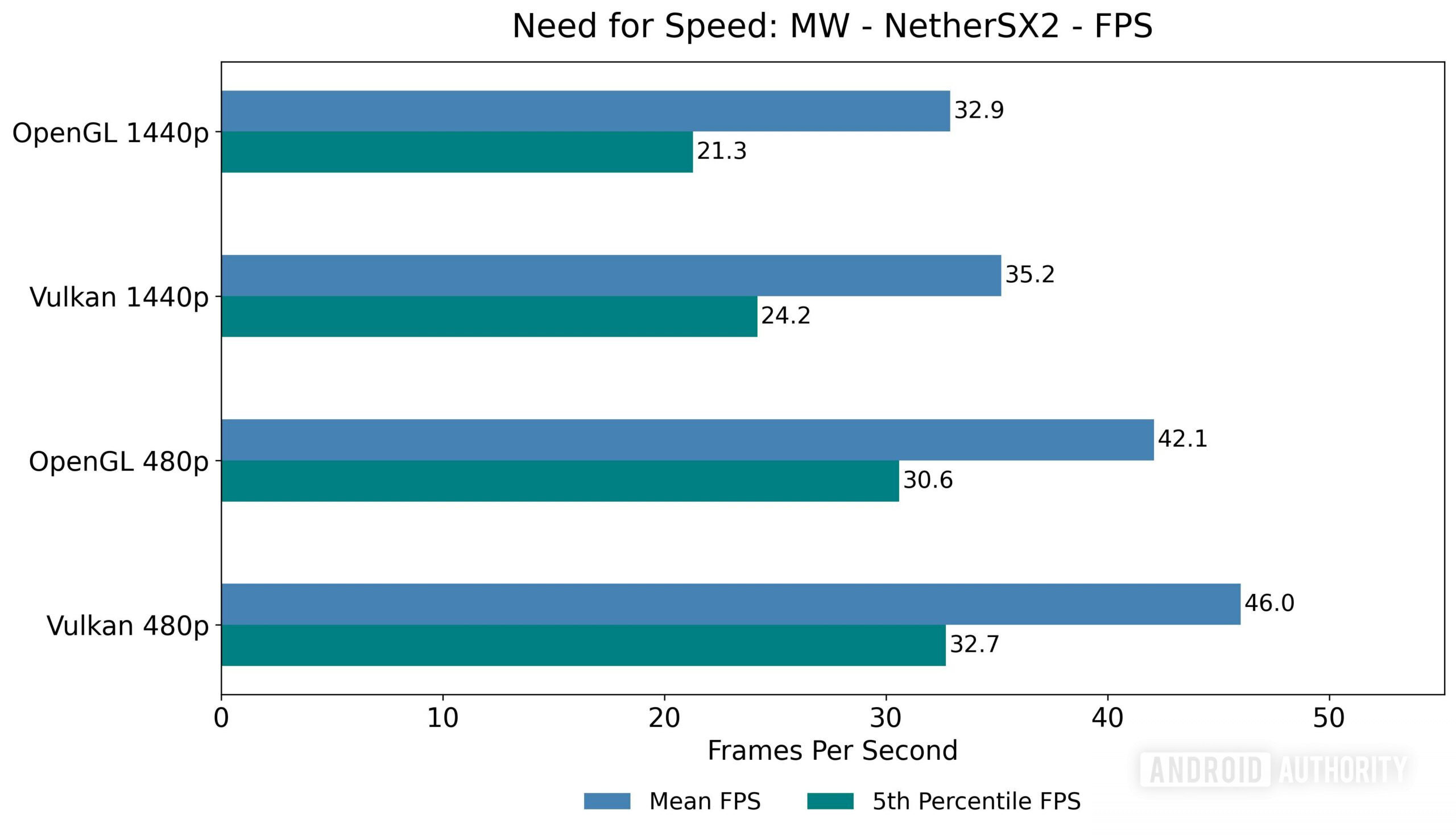
Testing began with Need for Speed: Most Wanted on NetherSX2. This title, while not the pinnacle of graphical complexity for the PS2 era, is notorious for challenging mobile CPUs due to its dynamic environments and physics calculations. The results were sobering. Even when restricted to native 480p output using the Vulkan API, which often provides better raw throughput on modern Android GPUs, the Tensor G2 struggled profoundly. Frame rates frequently dipped below playable thresholds, often hovering around 50% of the target speed (0.5x). This confirmed a key limitation: while the G2’s GPU handles most 2D and early 3D work effortlessly, its CPU architecture, particularly in sustained, high-demand emulation scenarios, exhibits bottlenecks when attempting to push the complex instruction sets required by early PS2 emulation. Upscaling, even moderately, was impossible to maintain at a fluid pace. This tier suggests that for users targeting the PS2 era, a newer chipset—perhaps one found in the Pixel 8 series or modern Snapdragon 8 Gen 2/3 devices—is necessary for a truly high-fidelity experience.
The Sweet Spot: PS1 and GameCube/Wii:
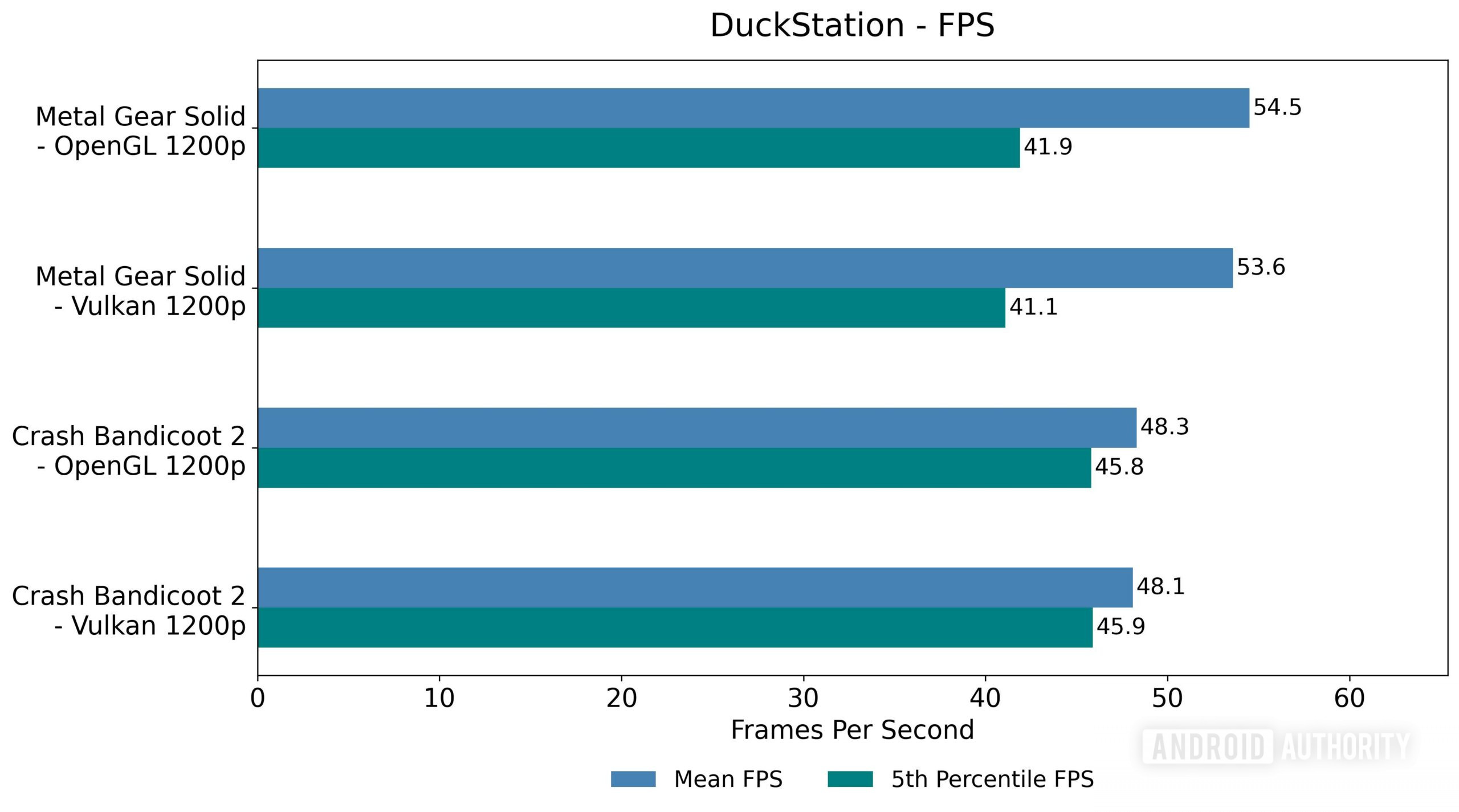
The landscape shifted dramatically upon descending to the previous generations. DuckStation, the premier emulator for the original PlayStation, demonstrated near-perfect compatibility. Games like Metal Gear Solid showed minor fluctuations during high-action cutscenes, but the general gameplay experience remained rock-solid. Running at a 5x internal rendering resolution (approaching 1080p sharpness on the Pixel 7 Pro’s display) was generally smooth, confirming that the G2’s architecture is exceptionally well-suited for the simpler rendering pipelines of the late 90s consoles.
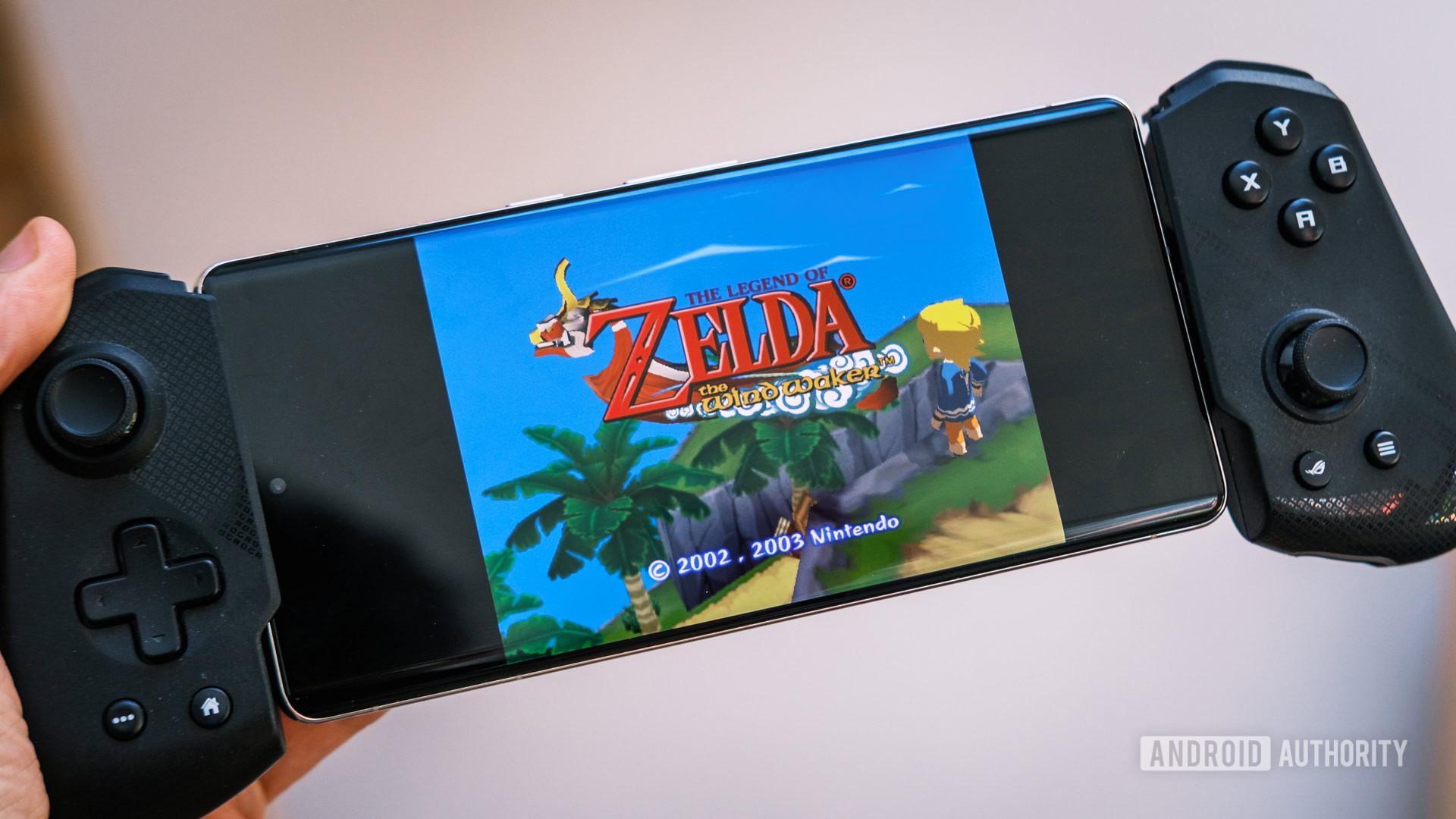
The most surprising success came from the GameCube/Wii emulation using the highly optimized Dolphin emulator. Testing F-Zero GX and Mario Kart Wii—both fast-paced titles that demand precise timing—yielded excellent results using a 3x internal resolution upscale via the OpenGL backend. Hitting a near-consistent 60 frames per second was achievable. This suggests that Dolphin’s mature optimization strategies, likely prioritizing efficient instruction translation over brute-force rendering, allow the Tensor G2’s GPU (Mali-G710 MP7) to punch well above its perceived weight class in this specific context. The performance advantage of OpenGL over Vulkan in this particular configuration warrants deeper technical investigation, as it deviates from trends seen in newer hardware emulation testing.
Industry Context and the Longevity of Mobile Hardware
The successful repurposing of the Pixel 7 Pro speaks volumes about the diminishing returns in mobile SoC development for tasks outside of cutting-edge 3D gaming or intensive machine learning workloads. A device considered "aging" by two to three years can be perfectly revitalized for a specific task like retro gaming.
Implications for Consumer Electronics and E-Waste:
From an environmental and economic standpoint, this practice is crucial. The continuous upgrade cycle is a significant contributor to electronic waste. By demonstrating that high-end devices retain substantial functional capacity years after their primary market relevance fades, enthusiasts are effectively extending the useful lifespan of these complex devices. The Pixel 7 Pro, instead of becoming obsolete upon receiving its final major OS update, becomes a dedicated, high-quality gaming peripheral. This model contrasts sharply with the dedicated handheld market, where many units (like the Anbernic or Retroid lines) often rely on mid-range chipsets that may struggle with the same emulation targets achieved here.
The Emulation Software Arms Race:
The performance variations observed (PS2 struggles vs. GameCube success) highlight the critical role of the emulation development community. The quality of the core—whether it’s NetherSX2, DuckStation, or Dolphin—and its specific optimization for Android’s Vulkan/OpenGL drivers directly dictates the success on specific hardware. This decentralized development model ensures that as new hardware emerges, or as older hardware is re-evaluated, performance ceilings are constantly being pushed upward, often bypassing the original manufacturer’s intended performance metrics.
Future Trajectories and the Next Generation of Repurposing
Looking ahead, this trend will only intensify. As the gap widens between flagship performance and the needs of emulating systems up to the eighth generation (PS3/Xbox 360), older flagships will find new niches.
The Mid-Range Barrier:
The current experiment establishes a clear performance demarcation: the Tensor G2 is the effective ceiling for a smooth, high-fidelity experience encompassing the GameCube/Wii era. Future experiments will likely test the limits of the Snapdragon 8 Gen 1 and 8 Gen 2 devices, as they possess the necessary CPU headroom to attempt more complex systems like the PlayStation 3 or Xbox 360, systems that currently require desktop-class PCs or specialized hardware. If mobile emulation for these consoles becomes viable on high-end phones from 2022/2023, the lifespan of those devices as "capable gaming machines" could extend well into the late 2020s.
Hardware Integration and Accessories:
The final evolution of this trend involves seamless physical integration. While using a standard phone with a clip-on controller (like the ROG Tessen) is functional, the market is rapidly moving toward specialized telescoping controllers that effectively transform the smartphone into a seamless unit, much like the Razer Kishi or Backbone One series. This physical transformation solidifies the device’s new identity, removing the awkwardness of handling a large slab of glass and metal designed primarily for communication.
Ultimately, the transformation of the Pixel 7 Pro into a competent emulation handheld is a resounding success within its defined performance envelope. It demonstrates that performance obsolescence is often a manufactured concept, contingent upon the software ecosystem. By leveraging optimized emulation frameworks and controller-centric front-ends, a formerly premium device finds a rewarding, high-performance second act, offering a deeply satisfying way to engage with decades of gaming history without tethering oneself to a couch or investing in new, purpose-built hardware. The ability to carry a curated library spanning decades of gaming—from 2D sprites to early high-definition 3D—in one pocketable device powered by yesterday’s technology is a testament to both enduring game design and the ingenuity of the emulation community.
