

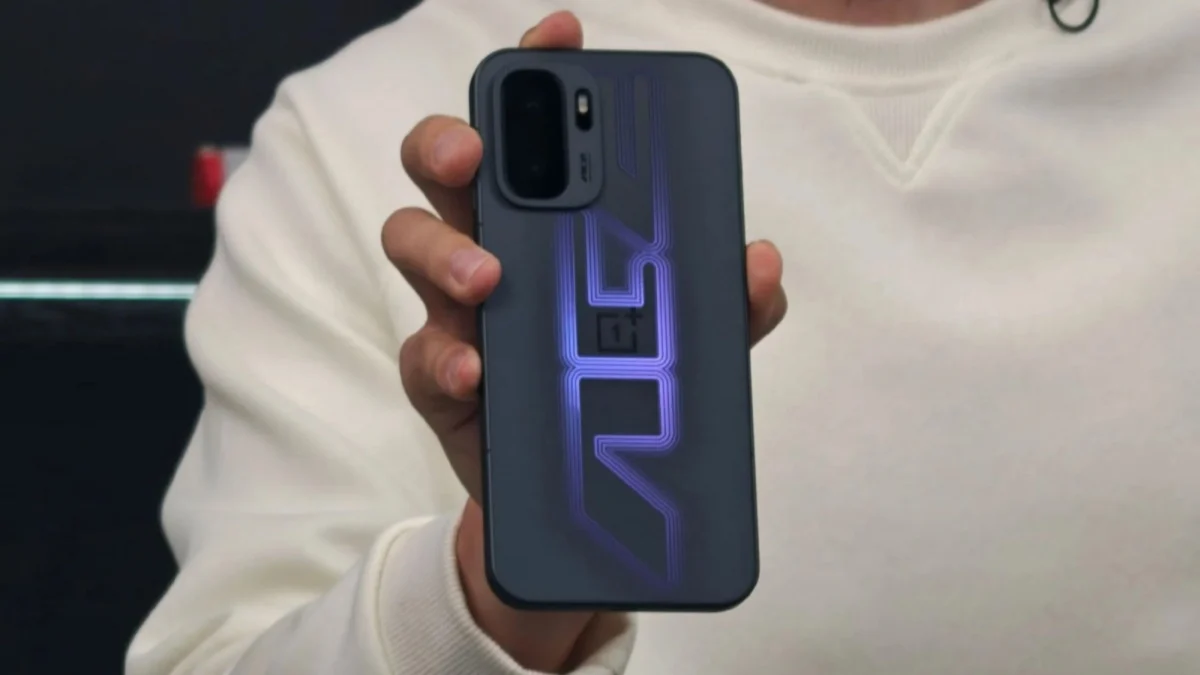
The smartphone industry is witnessing a distinct pivot toward hyper-specialized hardware, and OnePlus is at the forefront of this movement with its latest announcement. By officially teasing the OnePlus Ace 6 Ultra, the company is not merely releasing another iterative flagship; it is positioning a dedicated device to capture the burgeoning mobile esports demographic. With a suite of specifications designed to challenge the status quo of mobile gaming, the Ace 6 Ultra represents a significant departure from standard smartphone design philosophies, opting instead for a "performance-first" architecture that blurs the lines between a traditional handheld device and a dedicated portable gaming rig.
Architectural Shifts and Performance Philosophy
The most notable development in the Ace 6 Ultra’s internal composition is the transition from the Qualcomm Snapdragon ecosystem—which powers the base Ace 6—to the MediaTek Dimensity 9500 chipset. This decision is indicative of a broader industry trend where manufacturers are increasingly leveraging MediaTek’s high-end silicon to achieve specific thermal and efficiency profiles that favor sustained heavy workloads. While the Snapdragon 8 Elite is a benchmark titan, the Dimensity 9500 is reportedly optimized for the specific, prolonged thermal demands of high-frame-rate mobile gaming.
For the competitive gamer, thermal throttling is the primary enemy. By integrating a more specialized chipset, OnePlus aims to maintain peak clock speeds during extended sessions of graphically intensive titles. This hardware choice is complemented by an ambitious battery configuration: an 8,500mAh cell. In an era where flagship phones typically hover between 5,000mAh and 6,000mAh, an 8,500mAh capacity is a bold statement. It suggests that OnePlus is prioritizing "uptime" as a key performance metric, ensuring that the device can endure marathon gaming sessions without necessitating a tether to a wall outlet. Coupled with 100W fast-charging capabilities, the device effectively minimizes downtime, addressing a long-standing pain point for mobile power users.
The Display as a Competitive Advantage
At the heart of the Ace 6 Ultra is a 6.8-inch display developed in collaboration with panel manufacturer BOE. The headline feature here is the 165Hz refresh rate. While 120Hz has become the industry standard for premium devices, 165Hz moves into the realm of desktop-grade gaming monitors.
Industry analysis suggests that this is not just a marketing gimmick but a functional requirement for the next generation of mobile first-person shooters (FPS) and battle royale titles. As mobile games move toward higher frame rates, the display must be capable of rendering those frames with minimal motion blur and near-instantaneous touch sampling rates. The collaboration with BOE indicates that OnePlus is focusing on the "esports-optimized" experience, which involves not just the raw refresh rate, but also latency reduction, color accuracy, and adaptive sync technologies that prevent screen tearing during erratic, fast-paced movements.
Design Language and Brand Identity
Beyond the internal specifications, the "Ace Awakening" colorway serves as a symbolic marker for the product line’s evolution. Utilizing a proprietary 3D laser-etching process to create a reflective, light-engraved logo, the device leans heavily into the "gamer aesthetic." This is a departure from the minimalist, professional aesthetic of the standard OnePlus flagship series.
The inclusion of such a bold design choice underscores the company’s intent to cultivate a distinct sub-brand identity. By visually differentiating the Ace 6 Ultra from its more conventional counterparts, OnePlus is creating a clear distinction for consumers: the standard flagship is for the general user, while the "Ultra" is for the enthusiast who demands specialized hardware. This branding strategy mirrors the successful approaches of other gaming-centric sub-brands, which have historically relied on aggressive design to cultivate a loyal, niche audience.
Market Implications and Future Trends
The introduction of the Ace 6 Ultra arrives at a pivotal time for the smartphone market. As the performance gap between mid-range and flagship devices continues to shrink, manufacturers are struggling to differentiate their offerings. Specialized gaming phones provide a clear value proposition that standard flagships often lack.
However, this strategy carries inherent risks. By creating a device that is hyper-optimized for gaming, OnePlus must ensure that the user experience remains balanced for daily tasks. If the device is perceived as a "one-trick pony," it may struggle to gain traction outside of the enthusiast circle. Furthermore, the company has teased a "new form factor product" to be revealed alongside the phone. Industry observers are speculating that this could be anything from a dedicated cooling accessory or a modular controller to a completely new category of peripheral, which would further solidify the ecosystem approach.
The global availability of the Ace 6 Ultra remains an open question. Historically, the "Ace" line has been heavily focused on the Chinese market, with select models rebranded for international audiences. Should this device remain exclusive to China, it would leave a significant gap in the global market, where demand for dedicated gaming hardware is rising but supply is dominated by a few established players. If OnePlus decides to bring the Ultra to Western markets, it will need to navigate a landscape where consumer expectations for software optimization and local support are significantly higher.
Looking Toward the Future
The move toward 165Hz displays and 8,500mAh batteries signals that we are approaching a "peak hardware" phase for mobile gaming. As the raw power of smartphone silicon reaches parity with entry-level gaming laptops, the next battleground will be in software optimization, cooling solutions, and ecosystem integration.
OnePlus’s commitment to this segment suggests that they view mobile gaming as a pillar of their future growth. The integration of "esports-grade" components suggests that the company is aiming to attract not just casual gamers, but those who take their mobile performance seriously. Whether this will lead to a broader shift in the company’s overall product strategy remains to be seen, but the Ace 6 Ultra is undeniably a clear indicator of where the company believes the mobile industry is headed.
As we await the official launch later this month, the tech community is watching closely to see how these specifications translate into real-world performance. The Ace 6 Ultra is more than just a phone; it is a laboratory for OnePlus to test the limits of what a mobile device can achieve in a competitive gaming environment. If the company succeeds in balancing its massive battery and high-refresh-rate display with a polished user interface and a competitive price point, it could redefine the expectations for what a gaming-focused smartphone can deliver. For now, the hardware specs alone confirm that OnePlus is not just participating in the gaming market—they are attempting to lead it.
