

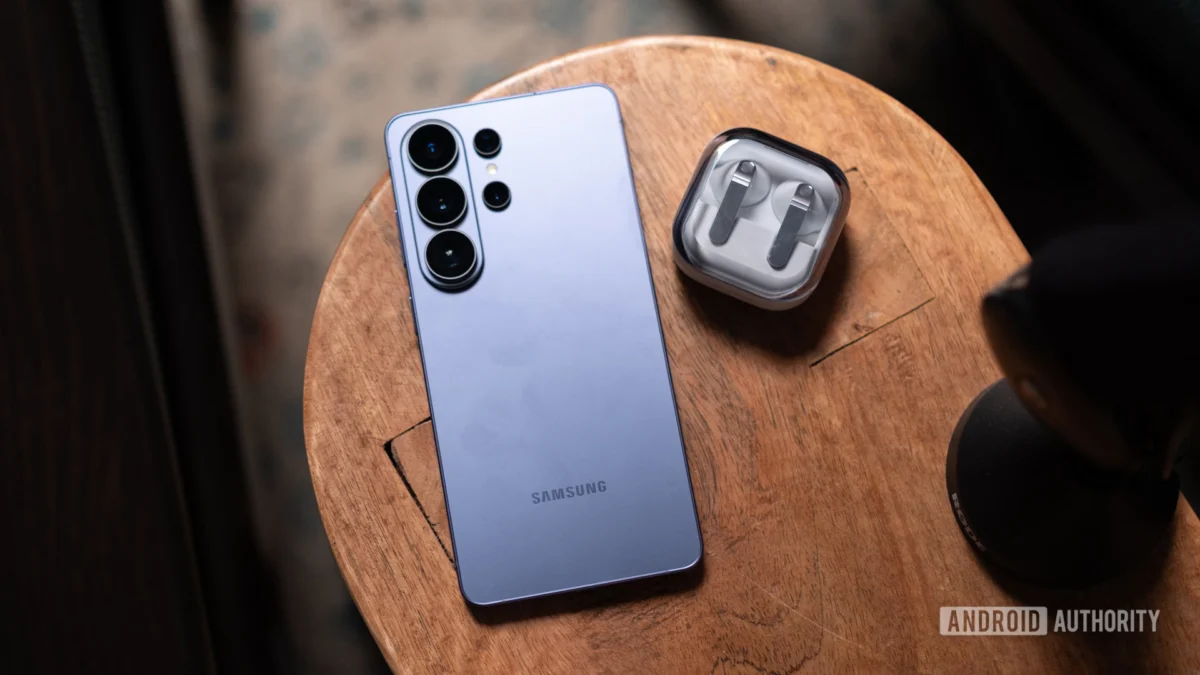
The smartphone industry has reached a critical juncture where hardware innovation is no longer the sole driver of consumer excitement. Instead, the focus has shifted toward software intelligence, specifically the integration of artificial intelligence into the daily mobile experience. Samsung, having pioneered the "Galaxy AI" suite with its S24 series, finds itself at a philosophical crossroads. As the company continues to push these features across its flagship ecosystem, it is simultaneously encountering pushback from users who perceive these additions as intrusive rather than additive. Recent dialogue between the manufacturer and its user base has shed light on how Samsung intends to navigate this friction, while also clarifying its controversial stance on the decline of compact hardware.
The Friction of Intelligence
During a recent engagement session hosted on Reddit, Samsung UK’s VP of Product and Marketing for Mobile Experience, Annika Bizon, addressed the growing sentiment among tech enthusiasts that AI has become a "burden" rather than a utility. The core of this criticism lies in the perception that AI features are often forced upon users, cluttering interfaces and complicating simple tasks.
Samsung’s response suggests a "choice-first" architecture. The company emphasized that Galaxy AI is not a mandatory operating system layer but an opt-in set of tools. During the initial device setup, users are presented with the choice to activate or bypass these features. Even post-setup, the granular controls within the system settings allow for a surgical removal of specific AI functions. This reflects a broader industry trend where manufacturers are realizing that the "forced-AI" approach risks alienating power users who prioritize performance and privacy over predictive algorithms.
However, the challenge for Samsung remains the perceived lack of utility. Many users argue that current AI implementations are gimmicks—features that solve problems users don’t actually have. Samsung’s counter-argument is rooted in incremental adoption: "Start with one feature and let it do something for you." The company posits that trust is built through utility, not quantity. By allowing users to integrate AI into their workflow at their own pace, Samsung hopes to transition these tools from "novelties" to "infrastructure." The ultimate goal, as defined by the company, is to make AI invisible—an ambient, background utility that functions like electricity: essential, pervasive, and largely unnoticed until it is needed.
Industry Implications: The "Invisible" Future
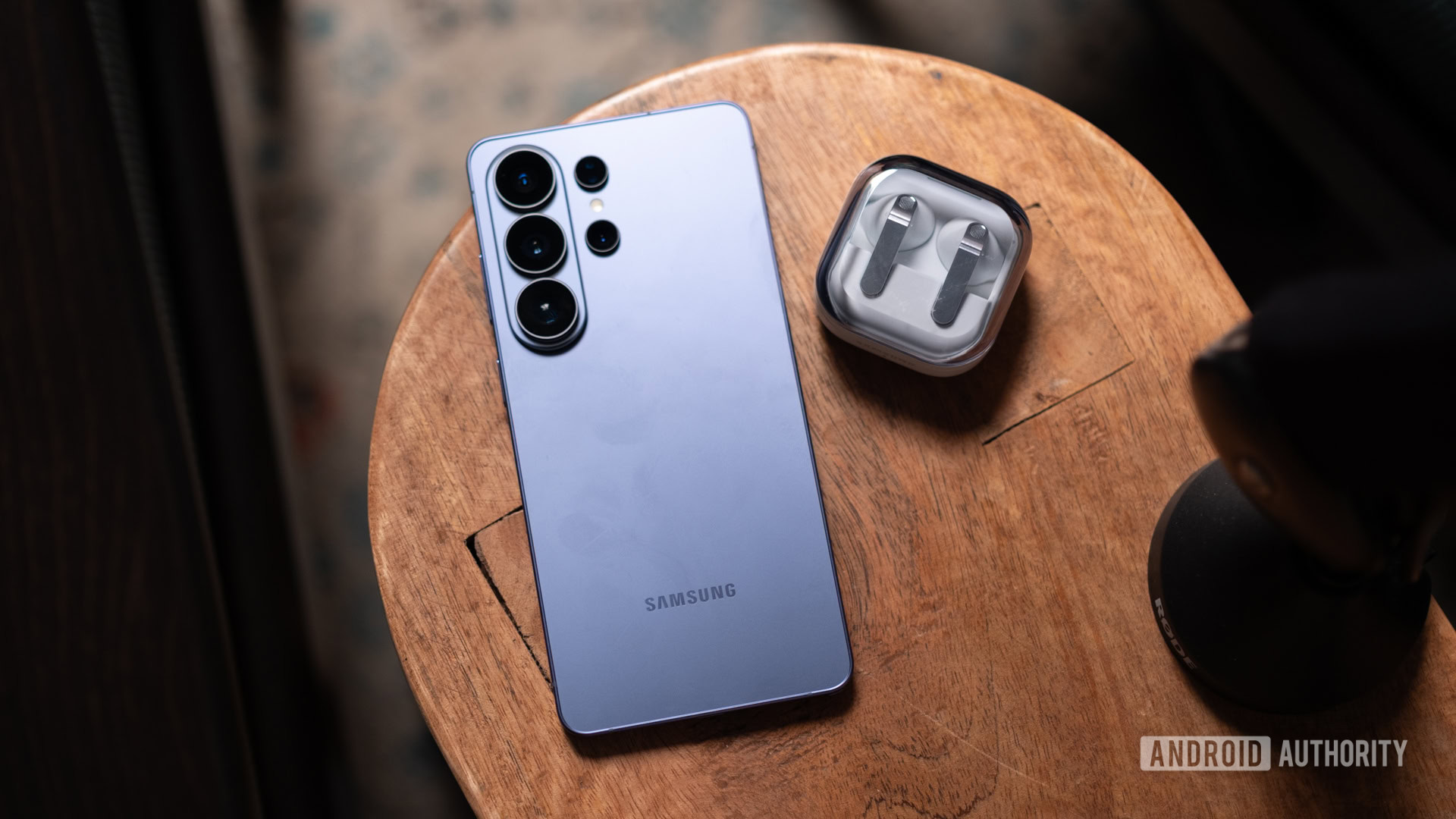
This philosophy of "invisibility" is a significant departure from the marketing tactics seen in the early days of generative AI, where companies were desperate to show off flashy photo-editing tricks or real-time translation. The industry is now entering a maturity phase. The focus is shifting toward "agentic" AI—systems that proactively manage calendars, optimize battery life, or filter notifications based on user habits—rather than just tools that manipulate images.
From an analytical perspective, Samsung’s willingness to defend the "off-switch" is a strategic necessity. In a market where privacy concerns are at an all-time high, allowing users to disable AI is a competitive advantage. It bridges the gap between the bleeding-edge tech enthusiasts and the privacy-conscious demographics who view AI as a data-mining liability. By framing AI as a "controlled utility," Samsung is attempting to future-proof its ecosystem against potential regulatory shifts regarding data sovereignty and user autonomy.
The Hardware Reality: Why Compact Phones Are Fading
Beyond the software debate, the AMA session touched on a long-standing grievance among the mobile community: the extinction of the compact flagship. The days of the sub-6-inch, one-handed powerhouse are effectively behind us, and Samsung’s reasoning is purely data-driven.
The market has spoken, and it has chosen screen real estate over portability. The modern smartphone has evolved into a "do-it-all" device—serving as a primary camera, a streaming console, a productivity hub for documents, and a communication center. As users migrate more of their professional and creative lives onto their handsets, the demand for larger displays becomes a functional necessity rather than a aesthetic preference.
Samsung’s rationale is that a smaller chassis inherently limits the potential for battery longevity, thermal management, and sensor size—all of which are critical for the demanding AI features the company is now championing. For the segment of the market still craving a smaller footprint, Samsung is steering them toward the Galaxy Z Flip series. By positioning the foldable form factor as the "best of both worlds," the company is essentially trying to redefine what a compact phone looks like. In their view, the future of the "small" phone isn’t a slab device with a smaller screen; it is a large-screen device that can shrink to fit in a pocket.
The S26 Ultra and the Trade-offs of Progress
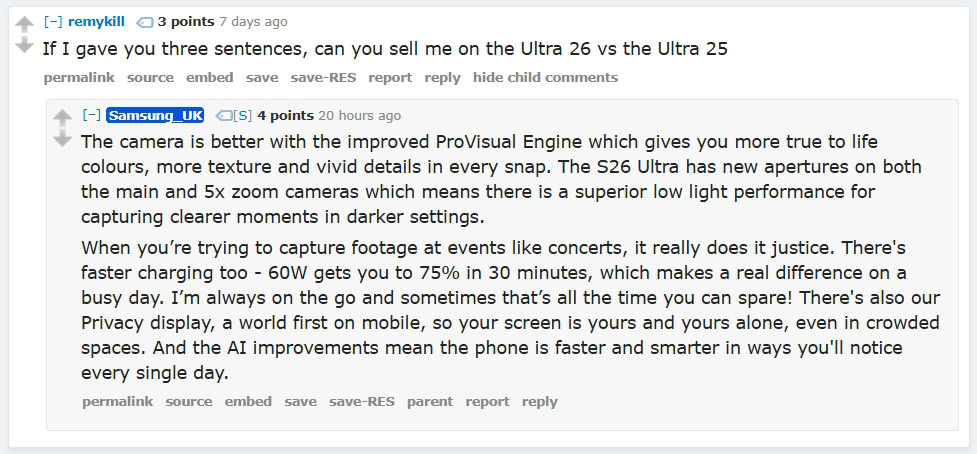
The dialogue also provided a window into the evolution of the Galaxy S26 Ultra. When pressed on the value proposition of upgrading, the company highlighted the ProVisual Engine, refined charging capabilities, and the new "Privacy Display."
The Privacy Display, in particular, illustrates the current state of mobile hardware development: trade-offs are inevitable. While the technology successfully limits viewing angles for shoulder-surfers, it has been noted by early adopters to potentially introduce nuances in screen clarity or eye strain, underscoring the delicate balance between innovation and user comfort. This is a recurring theme in the flagship market. As companies push for faster charging and more advanced displays, they often encounter thermal and ergonomic limitations that require compromise.
Future Outlook and Strategic Conclusion
Samsung’s approach to the next few years appears to be one of cautious persistence. They are betting that the "burden" of AI will dissipate once the software becomes more context-aware and less intrusive. However, the company is also acutely aware of the potential for fatigue. By maintaining a modular, user-controlled approach to software and leaning into the physical versatility of foldables, they are attempting to hedge their bets.
The shift toward AI-integrated hardware is not a sprint; it is an marathon of consumer psychology. If Samsung can successfully prove that its AI features are not just "there" but are actively saving time, the current skepticism may wane. However, the company must be careful not to fall into the trap of prioritizing AI for the sake of the narrative. The danger is that by chasing the "AI-everywhere" trend, manufacturers might neglect the foundational aspects of the user experience—battery life, ergonomic design, and raw performance—that initially made the Galaxy S series the standard-bearer for the Android ecosystem.
For the consumer, the path forward is clear: the era of the "dumb" device is over, but the era of the "forced-intelligence" device is one they have the power to resist. As Samsung continues to refine its flagship offerings, the success of its vision will not be measured by how many people use its AI, but by how many people feel they can no longer do without it—and, perhaps more importantly, by how many people feel they still have the agency to turn it all off if they choose. The future of the smartphone is likely to be a hybrid one, where the most advanced AI runs quietly in the background, serving a user who is increasingly demanding about both their productivity and their privacy. Whether Samsung can maintain this balance while simultaneously pushing the boundaries of hardware size and capability will be the defining story of the next generation of mobile computing.
