

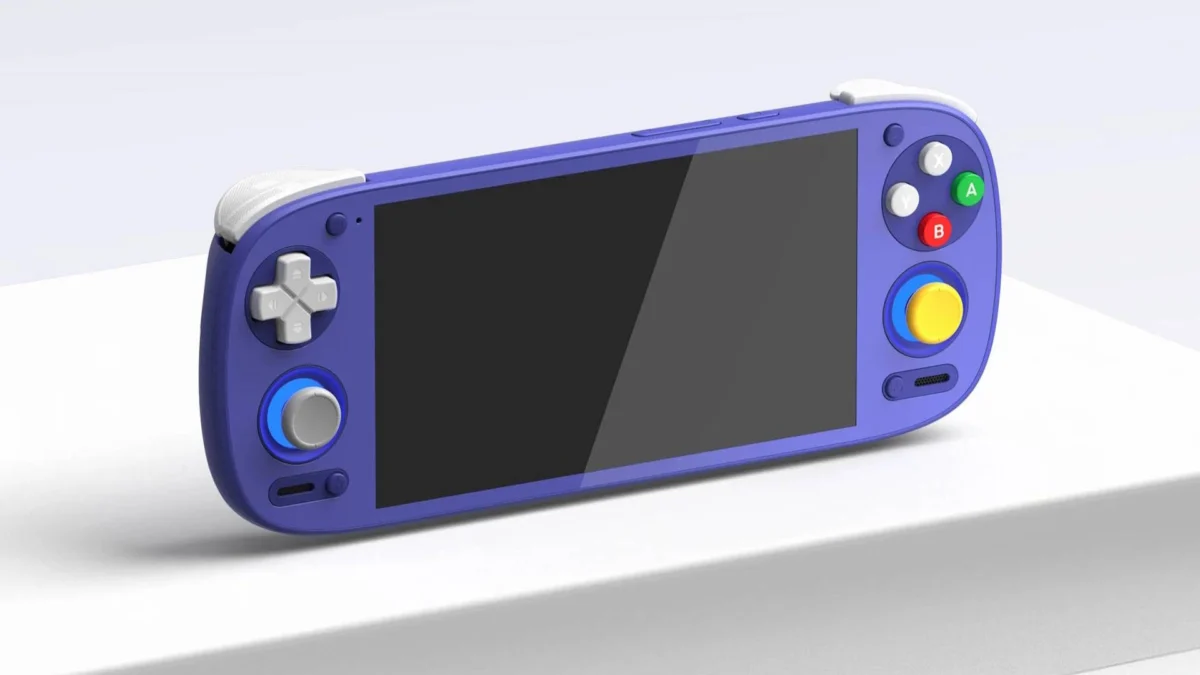
The landscape of portable gaming has long been defined by a rigid dichotomy. On one side, we have dedicated x86-based consoles like the Steam Deck and various Windows-based handhelds, designed to bridge the gap between desktop gaming and on-the-go mobility. On the other, we have a thriving, diverse ecosystem of Android-powered devices. Historically, these two worlds rarely intersected, with the latter primarily relegated to emulation, cloud streaming, and mobile-native titles. However, recent advancements in open-source software development are beginning to erode these boundaries, introducing a new, albeit experimental, paradigm for the enthusiast community.
The Rocknix project, a specialized Linux distribution engineered for portable hardware, has recently pushed an update that fundamentally changes what is possible on specific Android-based handhelds. By integrating Valve’s Proton—the sophisticated compatibility layer that serves as the backbone of the Steam Deck’s success—the developers are enabling these devices to execute Windows-native titles directly on their mobile hardware. This development is not merely a technical novelty; it represents a significant shift in how we perceive the utility and longevity of portable gaming hardware.
The Technical Evolution of Portable Linux
To understand why this is a transformative moment, one must look at the historical constraints of mobile handhelds. Android devices rely on ARM-based architectures, which differ fundamentally from the x86 architecture found in standard PCs. Historically, running Windows games on ARM required complex translation layers that were often inefficient, resource-heavy, and prone to severe performance bottlenecks.
The Rocknix team’s approach leverages the maturity of the Linux kernel to create a more efficient bridge. By deploying a custom Linux environment that can interface with the hardware of popular handhelds—such as those produced by Retroid, AYN, and Ayaneo—the distribution bypasses the overhead of the Android operating system. This allows the hardware to interact more directly with the game files, with Proton serving as the interpreter to translate DirectX calls into Vulkan, which the mobile hardware can process.
This development mirrors the broader "de-centralization" of the PC gaming market. As Valve proved with the Steam Deck, the consumer appetite for high-fidelity gaming on a portable form factor is massive. However, the supply chain issues, regional availability, and price points of dedicated x86 handhelds have left many consumers looking for alternatives. By repurposing Android hardware, which is often more affordable and accessible, the community is effectively democratizing the portable PC gaming experience.
The Reality of Hardware Constraints
Despite the undeniable brilliance of this software breakthrough, it is imperative to temper enthusiasm with a realistic appraisal of current hardware capabilities. The primary hurdle remains the architectural difference between the mobile chipsets utilized in these devices and the custom APUs found in high-end portable PCs.
Currently, the Rocknix implementation is highly selective, primarily supporting specific Qualcomm Snapdragon chipsets. Even among the supported hardware, there is a clear distinction in performance tiers. For instance, while a mid-range Snapdragon chip might be sufficient to run older indie titles or lightweight 2D games via Proton, it will likely struggle significantly with modern, AAA titles that demand robust GPU throughput.
Furthermore, the lack of support for cutting-edge chipsets, such as the Snapdragon 8 Elite, underscores the infancy of this technology. These newer chips are significantly more powerful, yet they require complex, specialized drivers that the open-source community is still in the process of reverse-engineering and optimizing. Additionally, the limitation regarding RTX (Ray Tracing) compatibility points to a fundamental gap in mobile GPU drivers. While mobile chips are getting better at handling advanced graphical features, they do not yet possess the specialized silicon architectures required for hardware-accelerated ray tracing at the same efficiency as dedicated desktop or laptop GPUs.
Industry Implications and the "Proton Effect"
The emergence of such capabilities carries deep implications for the gaming industry. For years, manufacturers have locked their hardware into walled gardens, forcing users into specific software stores and operating systems. This move by the Rocknix team is a triumph of open-source philosophy, suggesting that hardware should not dictate the software experience.
If this trend continues, we may see a shift in how handheld manufacturers market their devices. Rather than focusing solely on the "Android experience," future handhelds might be marketed with greater transparency regarding their Linux-compatibility potential. This could lead to a "Proton-certified" class of Android devices, where manufacturers provide open bootloaders and better driver support to facilitate alternative operating systems.
Moreover, the success of this project could put pressure on Valve and other major platforms to officially support broader hardware configurations. While Valve has historically focused on its own Steam Deck hardware, the increasing demand for "Steam-on-anything" could eventually incentivize a more hardware-agnostic approach to their Proton ecosystem.
Navigating the "Nightly" Frontier
It is vital for the average user to recognize that this feature is currently in its nascent, "nightly" build phase. In the world of software development, a nightly build is the cutting edge—it is where the most recent code changes are merged, and it is almost guaranteed to be unstable.
For the enthusiast, this represents a playground of discovery. Users can experiment with different game configurations, contribute to compatibility databases, and help the developers identify which games run well and which crash the system. However, for the casual gamer who simply wants to pick up a device and play Cyberpunk 2077 or Elden Ring, the experience will likely be frustrating. The process of setting up these environments requires a degree of technical proficiency, including navigating command-line interfaces, managing file systems, and troubleshooting dependencies.
We are currently in a "tinkerer’s era." Much like the early days of PC gaming, the barrier to entry is high, but the potential reward—the ability to carry a massive library of PC games in a pocket-sized device—is unparalleled.
Looking Toward the Horizon
What does the future hold for this technology? We are likely to see a period of rapid refinement. As the community continues to optimize the Proton-to-ARM translation, we can expect to see better performance, broader chipset support, and a more user-friendly interface.
The next frontier will be power management. Running intensive PC games on a device designed for battery-sipping mobile apps creates significant thermal and power challenges. Future advancements will likely involve better thermal throttling management and more aggressive upscaling techniques (such as FSR or XeSS) being integrated into the Linux layer to maintain playable frame rates without melting the device or draining the battery in twenty minutes.
Furthermore, we should expect more hardware manufacturers to take notice. If a significant percentage of their customer base is installing Linux to play Steam games, it is only a matter of time before companies begin to ship devices that officially support dual-boot configurations or dedicated Linux modes.
Ultimately, the ability to run Steam on an Android handheld is a testament to the ingenuity of the gaming community. It highlights a future where the divide between "mobile gamer" and "PC gamer" is increasingly blurred, replaced by a singular, flexible portable experience. While we are not yet at a point where an Android device can perfectly replicate the performance of a high-end handheld PC, the gap is closing. For those willing to brave the instability of nightly builds and the complexities of open-source configuration, the future of portable gaming has already arrived—one line of code at a time.
