


The landscape of Android malware continues to shift from simple credential harvesting to sophisticated systems engineering. Among the more aggressive iterations of modern mobile threats is ToxicPanda 2.0, a highly evolved banking trojan that marks a concerning milestone in how cybercriminals manipulate core operating system components. Rather than relying solely on traditional social engineering or straightforward API abuse, this iteration integrates deep network-level manipulation and developer-tool exploitation to cement its foothold on targeted handsets. Security researchers have revealed that the malware’s architecture has undergone a radical transformation, allowing it to govern network traffic, silence protective ecosystem services, and autonomously misuse high-privilege debugging facilities without requiring physical access or user interaction during its deeper operational phases.
At the heart of the latest ToxicPanda strain is a calculated strategy to isolate the infected device from its primary security guardians. Traditionally, mobile malware had to contend with real-time checks executed by cloud-based vetting mechanisms and local integrity verification tools. ToxicPanda 2.0 circumvents this obstacle by requesting VPN service permissions under the guise of an innocuous utility or network enhancer. Once granted, the malicious application provisions a local network interface that intercepts and processes all inbound and outbound traffic passing through the device.

Through this localized funnel, the malware systematically blocks communication streams directed toward Google Play and Google Play Services. By halting these data channels before executing its payload drop, the trojan effectively blinds the device’s native defense framework. Critical security functions—including application verification routines, signature updates, background integrity scans, and telemetry communications with Google Play Protect—are abruptly stifled. This network-level isolation guarantees that security operations designed to warn users or quarantine dangerous software are disabled at the protocol level, allowing the primary payload to unpack and embed itself into the system architecture completely undisturbed.
Following this initial network neutralization, the campaign utilizes a multi-tiered infection vector. Telemetry indicates that the distribution infrastructure relies heavily on scalable, cloud-hosted storage solutions such as Amazon AWS buckets, bypassing traditional app store review panels entirely through side-loading or deceptive update prompts. Once the initial dropper executes and establishes its local VPN filter, it aggressively petitions the victim for Accessibility Service permissions.
In the realm of modern Android threats, Accessibility Services represent the keys to the kingdom, granting applications the ability to read screen contents, mimic user touches, and navigate system menus autonomously. ToxicPanda leverages these elevated privileges not merely to click through administrative prompts, but to orchestrate a complex chain of automation that reaches deep into the operating system’s developer utilities.

A standout characteristic of the upgraded malware family is its systematic exploitation of the Android Debug Bridge (ADB), specifically leveraging the Wireless ADB functionality introduced in Android 11. ADB is a robust command-line utility engineered for developers, permitting deep shell-level access to the operating system over a local USB connection or, in the case of Wireless ADB, across a Wi-Fi network. Historically, harnessing ADB required physical tethering to a development workstation paired with explicit manual authorization. ToxicPanda 2.0 automates this entire sequence.
Using its Accessibility Service privileges, the malware navigates the device settings menu, activates Developer Options, and enables Wireless Debugging. It then programmatically extracts the six-digit pairing code and corresponding port, immediately establishing a local loopback or network connection with the device’s internal ADB daemon. Security analysts emphasize the gravity of this technique: once the malware successfully authenticates against its own local ADB service, it acquires shell-user permissions.
This access level entirely bypasses standard Android runtime consent pop-ups. Rather than waiting for a user to approve permission requests, the malware issues high-privilege shell commands directly to the underlying OS. This grants the trojan sweeping control to authorize its own extended permissions, neutralize operating system background restrictions, forcibly enable dormant components, and enforce structural persistence that withstands standard user remediation efforts. This technique mirrors methodologies observed in other contemporary threat families, such as the RedHook malware, highlighting an industry-wide trend toward weaponizing developer tools for mobile extortion.
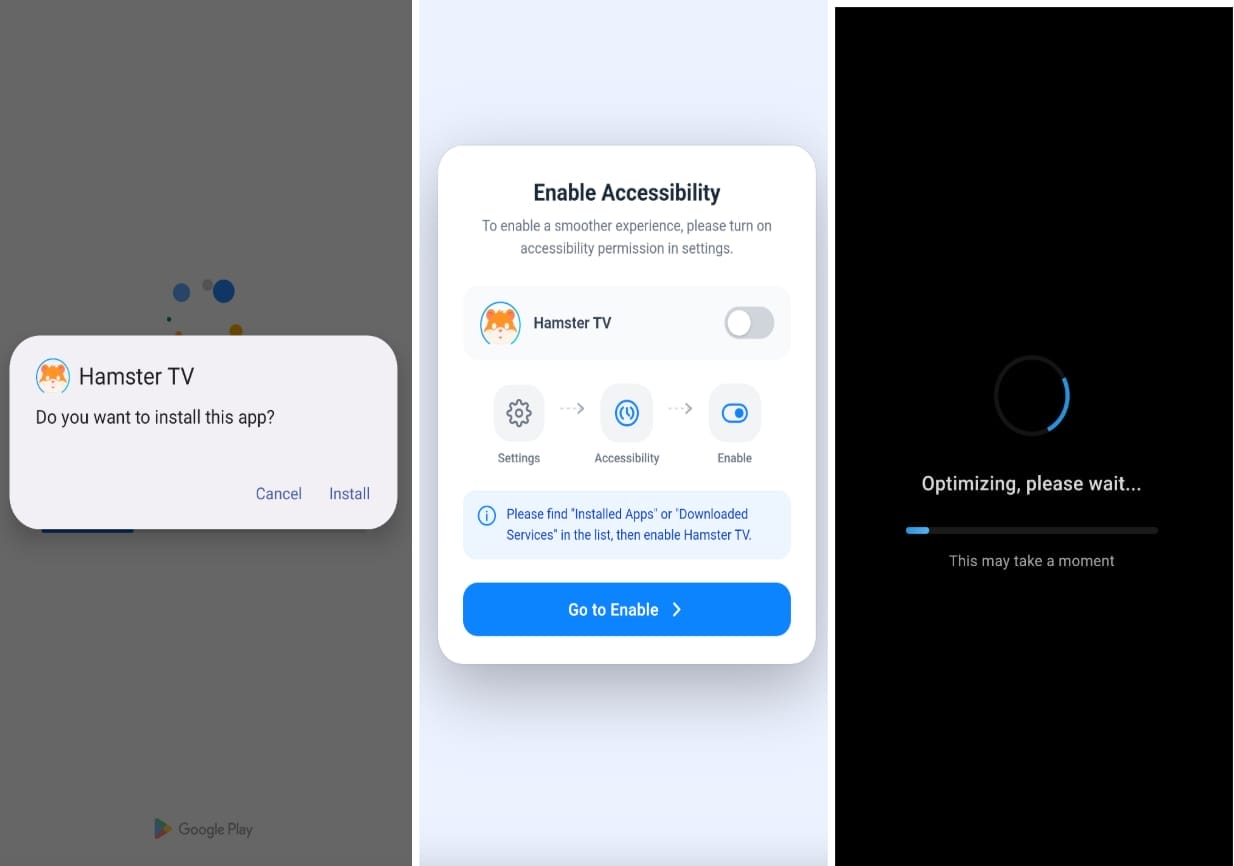
The operational scope of ToxicPanda 2.0 is vast, encompassing an expansive command-and-control (C2) infrastructure capable of supporting 167 distinct remote commands. Financial fraud remains its primary commercial objective. The trojan features localized phishing overlays specifically designed to mimic the user interfaces of 349 distinct banking, financial technology, cryptocurrency management, and e-wallet applications spread across 16 countries. These overlays are engineered to render invisibly to the victim’s naked eye while precisely capturing tactile input, allowing malicious operators to harvest login credentials, authentication tokens, and authorization codes in real time as the user attempts to interact with legitimate financial portals.
Complementing its overlay mechanism is a dedicated PIN-harvesting module tailored to extract security codes and unlocking patterns from 140 specific financial and cryptocurrency applications. This module is dynamically updatable via the C2 server, allowing threat actors to rapidly pivot their targeting strategy as new financial services gain traction or as security teams patch specific application vulnerabilities. Furthermore, ToxicPanda implements convincing spoofs of the standard Android lock screen as well as fake system update interfaces. These visual deceptions mask the underlying malicious activities, ensuring that the device appears occupied with routine maintenance while data exfiltration and background execution proceed uninterrupted.
To maintain its grip on infected hardware, the malware addresses a persistent challenge faced by mobile threat actors: aggressive OEM-specific power management and battery optimization routines. Modern smartphone manufacturers—including Xiaomi, OPPO, Vivo, Samsung, and Huawei—employ aggressive background process killers to preserve battery life and enhance system performance. These utilities routinely terminate idle or suspicious background applications, which would normally disrupt a malware’s persistence mechanisms.
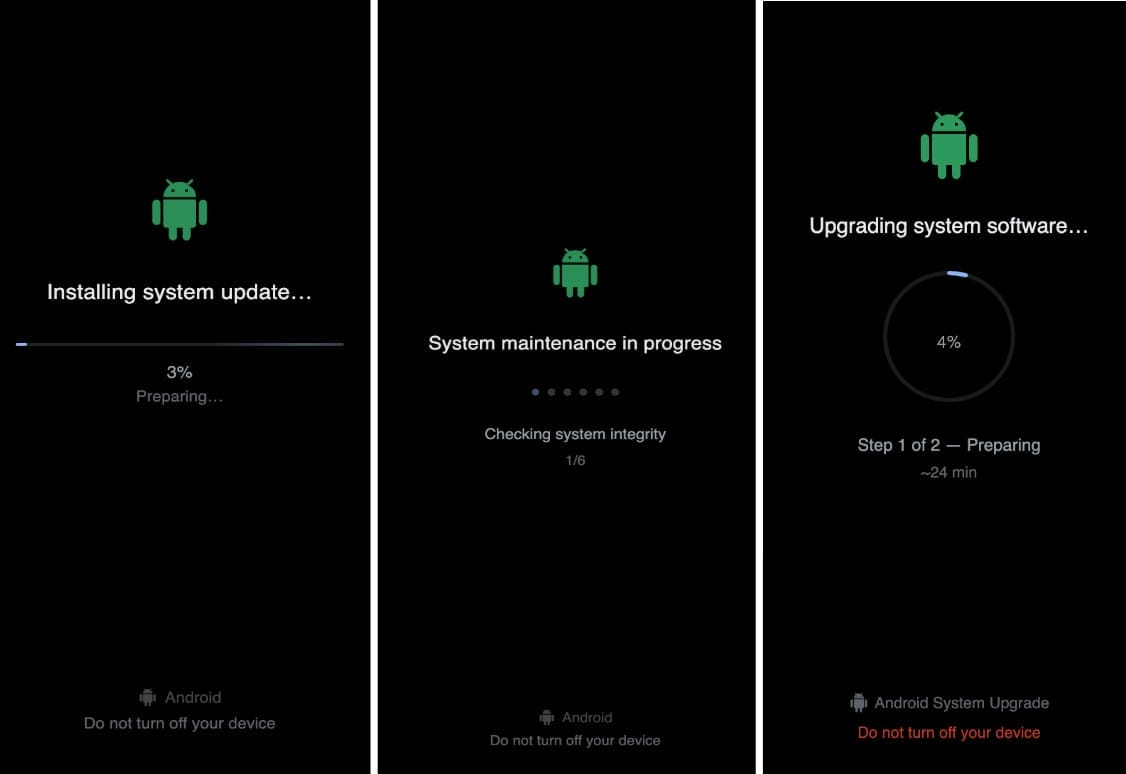
ToxicPanda counters this defensive measure through a specialized remote command designated as "autoBoot." Upon execution, this routine inspects the host device’s hardware manufacturer and dynamically launches the corresponding OEM-specific auto-start configuration screens or power management settings. By manipulating these native menus through Accessibility Services, the malware ensures that its background services are explicitly whitelisted from battery optimization policies. This guarantees uninterrupted communication with command-and-control servers, enabling persistent espionage and financial theft over extended periods without user intervention.
The emergence of ToxicPanda 2.0 underscores a critical evolution in the threat landscape facing mobile ecosystems. As platform developers implement stricter runtime permissions, enhanced sandboxing, and proactive cloud scanning, sophisticated threat actors are responding by attacking the structural integrity of the operating system itself. By weaponizing network isolation techniques, abusing developer debugging utilities, and subverting native power management controls, modern Android malware has transformed from simple credential-stealing applications into advanced persistent threats.
Security researchers continue to monitor these developments closely, publishing detailed indicators of compromise (IoCs) and technical taxonomies to assist enterprise defenders and mobile security vendors in identifying early-stage infections. However, the trajectory of these attacks suggests that securing mobile endpoints will increasingly require robust behavioral analysis capable of detecting systemic abuse of diagnostic frameworks long before financial payloads can be successfully deployed.
