

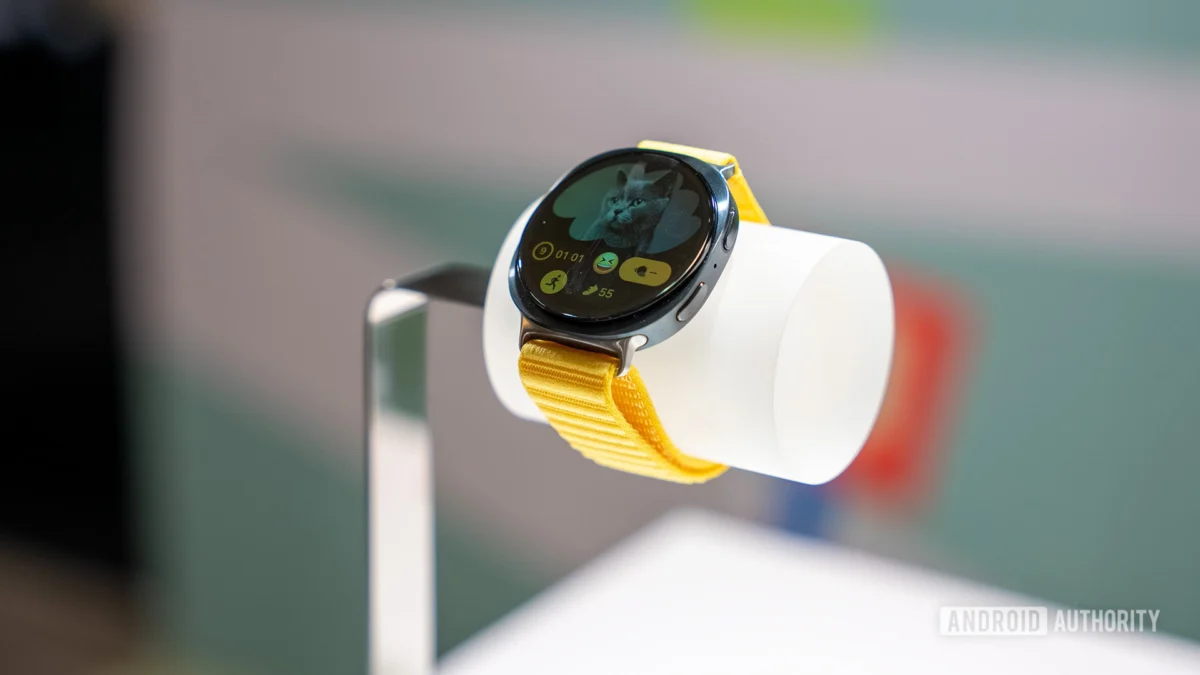
The consumer technology landscape moves at a relentless pace, where hardware lifecycles are measured not just by physical durability, but by software longevity and the cadence of feature updates. Samsung Electronics has once again demonstrated its commitment to long-term device support by officially opening the One UI 9 Watch beta program for the Galaxy Watch 8 and Galaxy Watch 8 Classic. This strategic move effectively bridges the gap between the company’s latest flagship wearable offerings—namely the Galaxy Watch 9 and the Galaxy Watch Ultra 2—and its preceding hardware generation, ensuring that loyal consumers do not feel left behind as software architectures evolve.
Industry analysts have closely monitored Samsung’s software strategy over recent years, noting a clear pivot toward extended support horizons that mirror trends seen in the smartphone sector. By bringing the Wear OS 7-based One UI 9 Watch experience to the Galaxy Watch 8 series, Samsung is reinforcing its value proposition. Consumers investing in premium smartwatches expect robust, multi-year software updates that inject new life into existing hardware, and initiating beta trials for prior-generation devices is a vital component of maintaining consumer trust and market leadership in the highly competitive wearable ecosystem.
According to initial reports surfaced by industry insider Tarun Vats, the newly launched beta software is currently rolling out exclusively to users in South Korea. Owners of both Bluetooth and LTE variants of the Galaxy Watch 8 and Galaxy Watch 8 Classic who are eager to sample the cutting-edge interface can access the build. The software package arrives under firmware version ZZH3 and demands a substantial download footprint of roughly 2,010.76MB. Such a sizable file size underscores the depth of the modifications, architectural changes, and underlying system optimizations included in the package. Furthermore, the build incorporates the August 5, 2026, security patch level, highlighting Samsung’s dedication to keeping user data protected while introducing experimental features.
One of the more nuanced yet impactful updates highlighted within the Samsung Members app documentation centers around the user experience of enrolling in the beta program itself. Historically, early adopters frequently encountered repetitive, friction-heavy administrative hurdles when attempting to register multiple devices for separate software tests. Samsung has streamlined this onboarding friction by introducing a unified general beta terms agreement. Under this revised mechanism, users are required to accept the overarching beta program guidelines only once. This foundational acceptance subsequently clears the path for seamless, frictionless participation across multiple subsequent beta initiatives and hardware ecosystems, eliminating the administrative redundancy that previously frustrated power users and tech enthusiasts.
While comprehensive, line-by-line changelogs are still emerging as users install and dissect the ZZH3 build, initial disclosures and accompanying update descriptions paint a vivid picture of what Wear OS 7 paired with One UI 9 Watch brings to the wrist. Visually, the interface has undergone a comprehensive overhaul, designed to offer cleaner typography, smoother transition animations, and a more cohesive aesthetic language that aligns with Samsung’s broader software design philosophy across smartphones, tablets, and wearable devices. Customization has also taken a leap forward, with richer, more dynamic watch face options that allow users to personalize complications, color palettes, and data layouts with unprecedented granularity.
Beyond mere aesthetics, the software iteration introduces critical safety enhancements and robust functional tools aimed at daily utility and emergency preparedness. However, the most significant improvements reside within the Samsung Health ecosystem. Wearables have increasingly transitioned from simple notification mirrors into sophisticated health-monitoring hubs, and One UI 9 Watch accelerates this trajectory. The update delivers granular, deeper analytical insights into aerobic load, empowering athletes and fitness enthusiasts to monitor training intensity and recovery metrics with clinical-grade context. Additionally, advanced sleep vital tracking and refined continuous heart health analytics provide users with a more holistic, comprehensive understanding of their physiological baselines, cementing the Galaxy Watch 8 series as a powerful tool for proactive wellness management.
At present, the geographic footprint of the One UI 9 Watch beta remains strictly confined to South Korea, servicing domestic owners of the Galaxy Watch 8 and Watch 8 Classic across all connectivity tiers. However, historical precedent suggests that this regional confinement is merely temporary. Samsung has a well-established blueprint for its beta deployment strategy, typically rolling out initial builds domestically before systematically widening the net to key international markets. Tech enthusiasts residing in the United States, the United Kingdom, India, Poland, and Germany can reasonably anticipate regional beta allocations in the coming weeks as stabilizing hotfixes are deployed in South Korea.
Looking further ahead, the launch of this beta program serves as a strong indicator for the broader Galaxy Watch lineup. As engineering teams refine the stability, performance, and battery efficiency of One UI 9 Watch on the Watch 8 architecture, the aperture of testing is widely expected to widen even further. Older iterations, notably the Galaxy Watch 7 and Galaxy Watch 6 series, are slated to receive their own respective waves of beta access in subsequent phases. This tiered rollout methodology allows Samsung to meticulously isolate device-specific bugs, optimize memory management across varying chipset generations, and ensure a polished public release when the stable version of Wear OS 7 and One UI 9 Watch eventually makes its commercial debut for all supported legacy hardware.
Ultimately, Samsung’s proactive handling of the One UI 9 Watch beta for the Galaxy Watch 8 highlights a maturing wearable market where software differentiation is paramount. As competitors vie for dominance in the smart health and connected ecosystem spaces, delivering timely, feature-rich OS updates that breathe new longevity into existing wrists is no longer just a bonus—it is an absolute baseline requirement for industry success.
