

The vast ecosystem of mobile applications maintained by Google extends far beyond the household names that dominate daily digital life. While billions of users globally interact with ubiquitous utilities like Gmail, Google Chrome, Google Maps, and the rapidly expanding Gemini artificial intelligence framework on an hourly basis, a vast subterranean layer of niche utilities, specialized companion tools, and hidden background packages operates quietly beneath the surface. From security keys like Google Authenticator to niche utilities like Google Opinion Rewards, the tech giant’s software portfolio is filled with specialized tools.
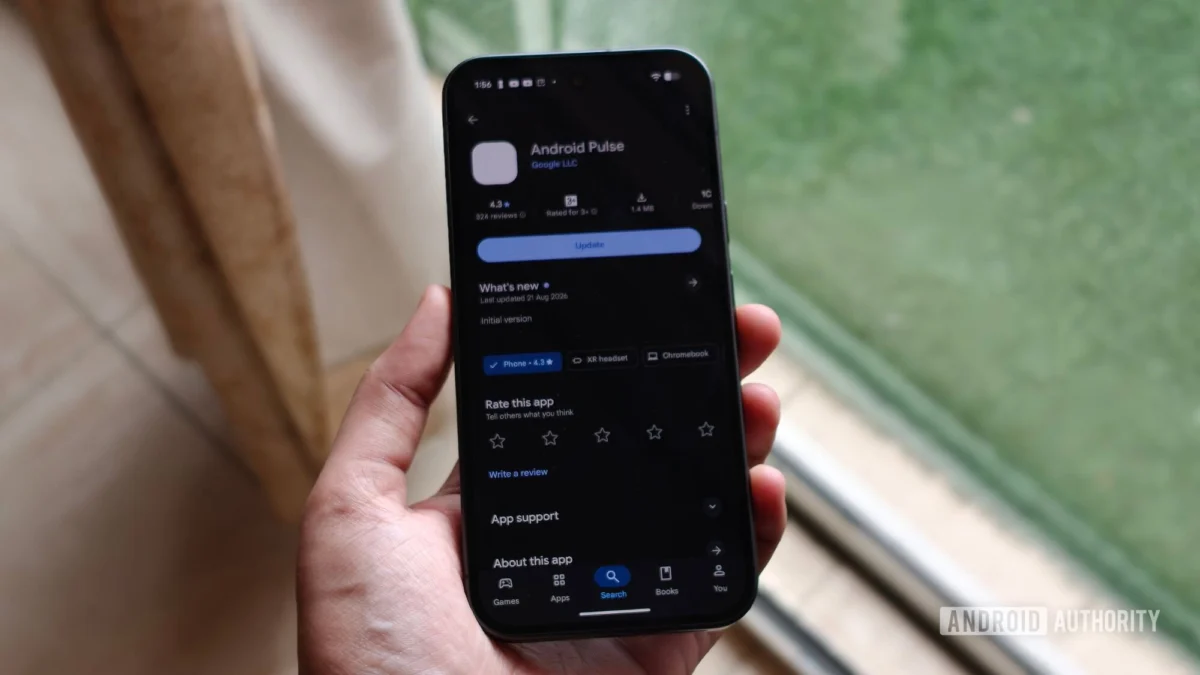
Recently, the technology community found itself buzzing with speculation following the sudden appearance of a previously unannounced utility: Android Pulse. Emerging seemingly out of nowhere on various user devices and digital marketplaces, this application sparked intense curiosity, analytical deep-dives across enthusiast forums, and a flurry of speculation regarding its true purpose. Following widespread inquiries from technology journalists and platform analysts, Google has finally broken its silence, offering official clarification regarding the nature of Android Pulse, its underlying architecture, and why everyday consumers are suddenly spotting it on their devices.
To understand why Android Pulse commanded such immediate attention, one must examine how modern mobile operating systems manage their internal health. Much like checking a biological pulse provides a rapid assessment of cardiovascular vitality, Android Pulse initially presented itself to observant users as an automated diagnostic and monitoring mechanism. Early speculation suggested it was designed to continuously evaluate operating system performance, preemptively identify anomalies, monitor component stress, and safeguard overall system stability across a fragmented hardware landscape.
As smartphones evolve into hyper-complex computing hubs running sophisticated machine learning models, persistent background monitoring has become essential. Modern mobile devices juggle hundreds of concurrent processes, ranging from thermal management scripts and battery optimization routines to security handshakes and memory allocation algorithms. Introducing a centralized, native telemetry framework like Pulse aligns with Google’s broader strategic shift toward modular operating system maintenance—a philosophy that has seen core OS components decoupled from major yearly platform upgrades and pushed directly through digital storefronts instead.
Following days of mounting speculation across developer communities and enthusiast forums, corporate representatives reached out to clarify the official function of Android Pulse and explain its unexpected visibility. According to the official statement provided by the company, Android Pulse is fundamentally classified as a core Google system service.
The statement elaborates on the deployment mechanism: "Android Pulse is a Google system service. It was intended to appear in Google system service settings. We’ve pushed an update so users will now see it in their settings. Google system services updates make your Android devices more secure and reliable, and give you new and useful features."
While this official explanation is concise, it corroborates the initial hypotheses formulated by software analysts. Rather than serving as an interactive application meant to be launched, configured, or managed by the end user, Pulse functions as a background supervisory process. Its primary mandate is to ensure that the complex machinery of the Android operating system continues to operate at peak efficiency, maintaining stability, security compliance, and long-term hardware reliability without requiring manual intervention.
The quiet rollout of Android Pulse highlights a delicate architectural tightrope that mobile platform developers must walk: the balancing act between system transparency and user-proofing. In recent years, consumers and power users alike have increasingly demanded granular visibility into what their devices are doing behind the scenes. This desire for transparency often clashes with the pragmatic need to protect complex operating system files from accidental user tampering—a classic example being the public fascination and occasional confusion surrounding specialized background files, such as Chrome’s internal machine learning weights binaries.
When operating system developers expose too much internal telemetry or grant granular control over critical system packages, they risk inviting unintended modifications. Casual users might inadvertently alter, freeze, or delete essential services, destabilizing their devices and triggering a cascade of software errors, battery drain issues, or security vulnerabilities. Conversely, keeping system architecture entirely opaque can breed distrust, fuel privacy concerns, and complicate troubleshooting efforts when bugs or performance regressions inevitably occur.
By integrating Pulse directly into the designated system services settings menu, Google appears to be carving out a middle ground. The service is visible enough to satisfy technical compliance and regulatory expectations regarding background data processing and modular software updates, yet it remains firmly categorized as a non-interactive system utility. Users cannot manually manipulate its core execution parameters, ensuring that the software remains resilient against accidental user-induced instability.
For the broader Android ecosystem, the introduction of modular background services like Pulse signals a maturation in how operating system updates are delivered. Historically, fixing minor background inefficiencies, rolling out telemetry frameworks, or enhancing diagnostic capabilities required a full firmware OTA (Over-The-Air) update, which often depended on a cumbersome chain of approvals involving original equipment manufacturers (OEMs) and wireless carriers. By shifting these capabilities into modular system services that can be updated silently via standard app store mechanisms, Google can patch vulnerabilities, refine performance monitoring, and deploy architectural improvements instantaneously across millions of heterogeneous devices running different manufacturer skins.
This decoupled architecture is especially vital given the extreme fragmentation of the Android market. From flagship foldable devices and high-end gaming phones to budget-friendly entry-level hardware deployed in emerging markets, Android must maintain consistent baseline performance across an astonishingly diverse array of silicon and memory configurations. Background supervisory mechanisms like Pulse provide the foundational telemetry necessary for engineers to understand real-world performance bottlenecks, thermal thresholds, and system reliability metrics across this vast hardware matrix.
Ultimately, the brief mystery surrounding Android Pulse serves as a reminder of the intricate ecosystem operating beneath the glass of modern smartphones. For the average consumer, the arrival of Pulse requires no action, no configuration, and no anxiety. It is a behind-the-scenes digital custodian designed to keep the operating system humming along smoothly, securely, and reliably. For Android enthusiasts and industry analysts, it represents another fascinating glimpse into the evolving modular architecture of the world’s most popular mobile operating system—proving that even the smallest background update can offer a compelling window into the future of mobile computing.
