

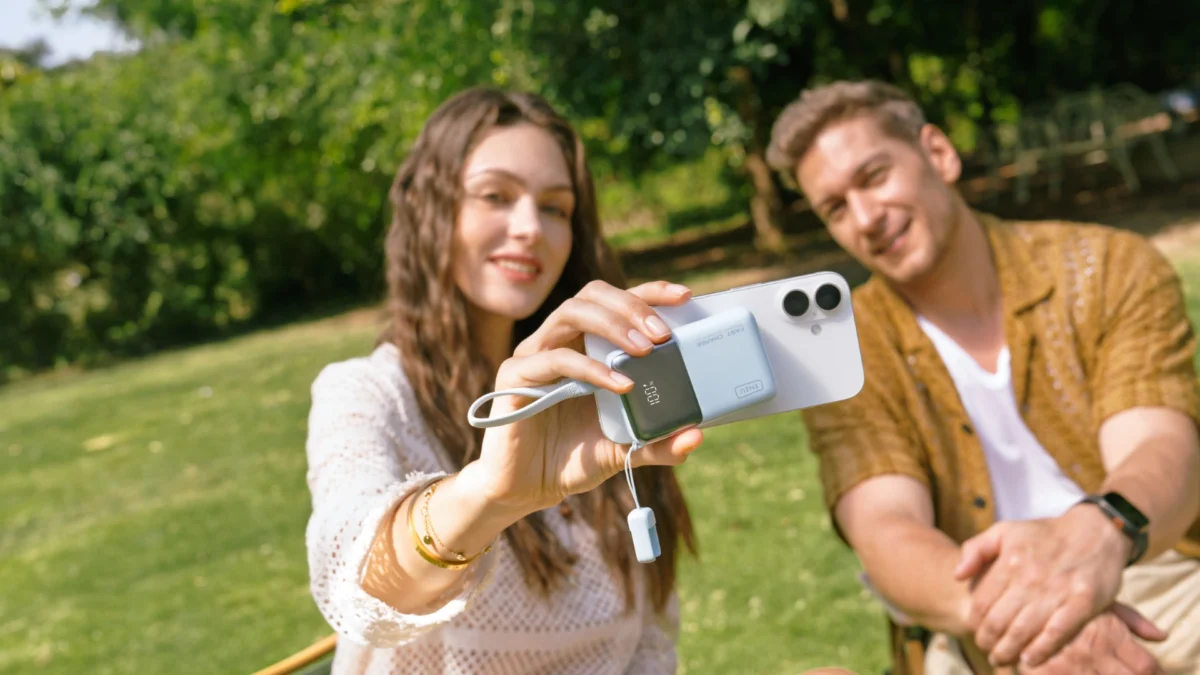
The shift from winter dormancy to the active pursuits of spring—be it spontaneous weekend getaways, extended outdoor adventures, or the resumption of business travel—places renewed stress on personal device power management. In the contemporary digital ecosystem, a depleted battery transcends mere inconvenience; it equates to the loss of navigation, critical communication links, photographic memory capture, and access to digital documentation like tickets or reservations. Consequently, the portable power bank has cemented its status as indispensable hardware. The market has evolved far beyond simple capacity metrics, now prioritizing charging speed, form factor innovation, and specialized utility. Selecting the right peripheral requires a nuanced understanding of intended use, balancing the need for ultra-portability against the demand for multi-day endurance. This comprehensive overview dissects leading options across the spectrum, from sleek, pocketable chargers designed for urban mobility to robust power stations engineered for remote operation, ensuring travelers remain connected regardless of their itinerary.
The Context of Mobile Power Dependency
The modern traveler operates under the assumption of constant connectivity. Smartphones, tablets, wireless headphones, e-readers, and increasingly, portable gaming consoles and specialized camera equipment, all vie for limited battery reserves. Historically, power banks were bulky lithium-ion bricks where the sole metric of value was milliampere-hour (mAh) rating. Today, the technological conversation centers on charging protocols—Power Delivery (PD), Quick Charge (QC), and proprietary standards like Samsung Super Fast Charging—which dictate how efficiently and rapidly energy is transferred to the host device. Furthermore, regulatory compliance, particularly for air travel, imposes strict limits on battery size (typically 100Wh or 27,000mAh, depending on airline interpretation), making capacity optimization crucial for frequent flyers. The industry’s pivot towards smaller, higher-density battery cells and GaN-based charging circuitry underscores a commitment to reducing bulk without compromising power output.
Ultra-Compact Power: The INIU Pocket Rocket P50
For the commuter, the day-tripper, or anyone prioritizing minimal carry weight, the form factor of a power bank has become as critical as its energy reserves. The INIU Pocket Rocket P50 exemplifies the current trend toward radical miniaturization within the 10,000mAh segment. Squeezing this capacity into a chassis described as being the size of "a couple of macarons" addresses the persistent complaint of bulk.
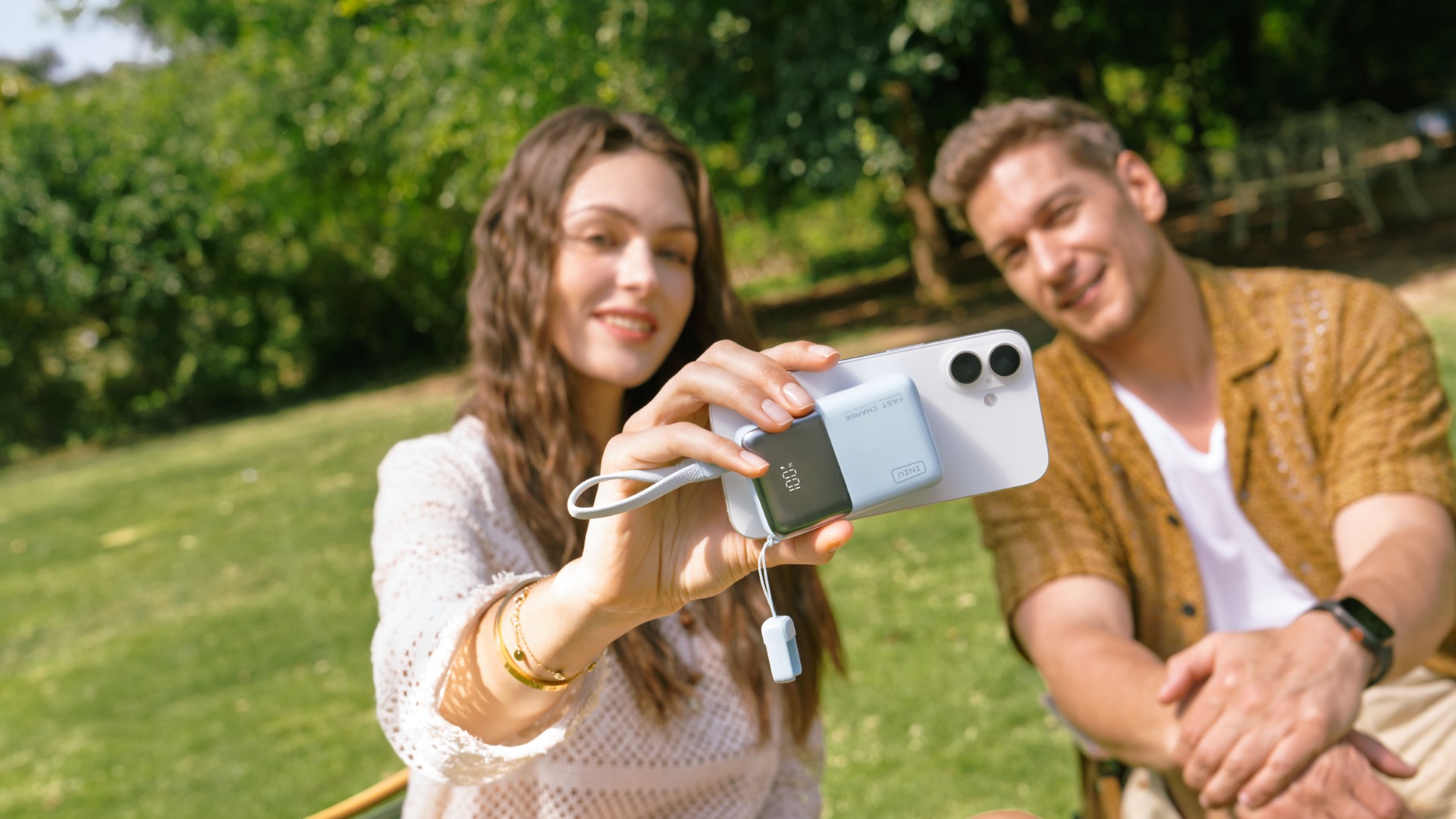
Weighing in at a mere 160 grams, the P50 offers substantial utility for its negligible physical footprint. Its performance specifications are noteworthy for this size class, featuring 45W fast charging capabilities. This allows for rapid revitalization of flagship smartphones—achieving approximately 70% charge on an iPhone in just 25 minutes. Critically, its support for broad protocols (QC, PD, and Samsung SFC 2.0) ensures optimized charging across diverse device ecosystems. The inclusion of three output ports maximizes utility for users carrying multiple smaller gadgets.
A key technological differentiator for INIU in this space is the utilization of their patented TinyCell Pro battery technology. This innovation allows the energy density to be significantly increased, resulting in cells that are reportedly 45% smaller than traditional counterparts while retaining the specified 10,000mAh capacity. This is not merely aesthetic; it represents a tangible engineering advance in power cell design, pushing the boundaries of volumetric efficiency. The availability in vibrant colorways further targets a consumer segment seeking personalized, less utilitarian accessories. The current promotional period for the P50 underscores a competitive pricing strategy designed to rapidly capture market share in the high-volume, everyday-carry category.
Balanced Performance for Daily Use: The UGREEN 10,000mAh Option
The 10,000mAh capacity remains the gold standard for balancing portability and practical reserve power, typically providing two full charges for most modern smartphones. The UGREEN 10,000mAh power bank targets the pragmatic traveler who requires reliability and clear state-of-charge information. Its dual-port configuration separates output capabilities: 20W PD via USB-C and 22.5W Super Charge via USB-A. This nuanced distribution of wattage caters effectively to users of both the latest iPhones (which prioritize PD) and high-end Android flagships (often utilizing higher wattage QC/SFC).
The integration of a digital display is a crucial ergonomic and functional advantage. In scenarios where power access is intermittent—such as during long-haul transit or multi-day camping—the ability to see the exact remaining percentage avoids the uncertainty associated with simple four-LED indicators. Reaching 55% charge in roughly 30 minutes demonstrates effective application of its advertised fast-charging standards. Its compliance with TSA regulations further confirms its suitability for air travel, cementing its role as a reliable, TSA-compliant carry-on essential.

Specialized Solutions: Bridging the Connectivity Gap
As travel patterns diversify, so too must the energy solutions available. The market is increasingly segmenting to serve niche needs that require more than just charging ports.
The Hybrid Work/Adventure Tool: Baseus 4G LTE Hotspot & Power Bank
For adventurers or digital nomads venturing into areas with unreliable infrastructure, the Baseus 20,000mAh unit offers a compelling convergence product. This device moves beyond passive power delivery into active network provision. By integrating a 4G LTE MiFi hotspot with a substantial 20,000mAh battery, it solves two primary pain points of remote work or exploration: power and connectivity.
The hotspot functionality, supporting 150 countries without requiring a local SIM card, is a significant logistical advantage. The inclusion of 1GB of complimentary data lowers the barrier to entry, while scalable monthly plans (up to 20GB) managed via a dedicated app provide predictable operational costs. From a charging perspective, the 20,000mAh capacity is ample for maintaining several devices, supplemented by 67W USB-C fast charging output. This high output wattage allows it to service demanding devices like larger tablets or even some lower-powered laptops, making it a versatile base station for a remote campsite or temporary field office. The industry trend here points toward multifunctionality—consumers are increasingly seeking consolidation in their gear bags, favoring devices that perform two or more critical tasks efficiently.
High-Demand Professional Gear: The Anker 25,000mAh Laptop Power Bank
For professionals whose spring travel involves keeping high-draw computing devices operational—think software developers, video editors on location, or extensive business travelers—the capacity ceiling of standard power banks is often insufficient. The Anker 25,000mAh model addresses this demand with significant power delivery capabilities.

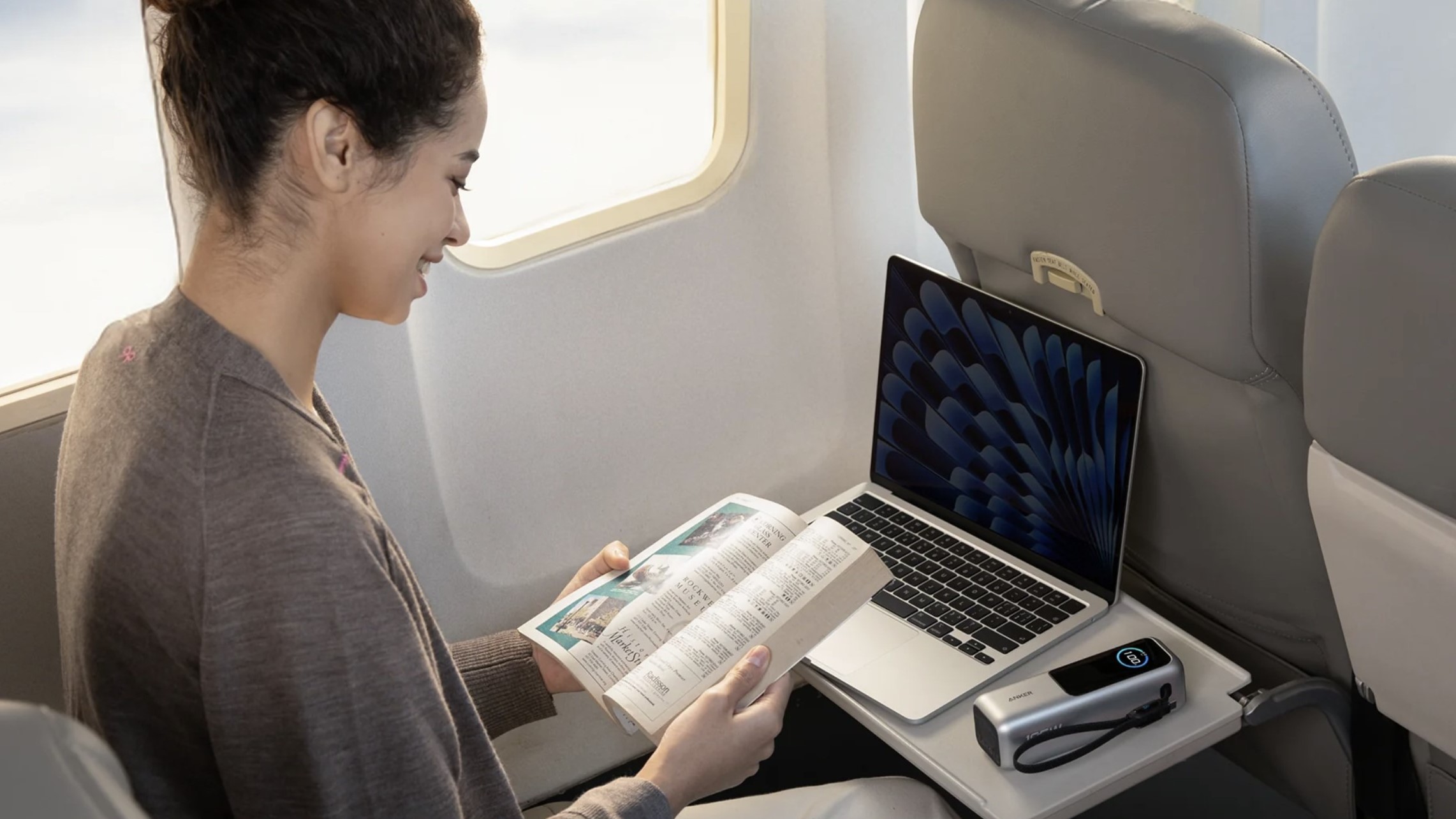
Its defining feature is the trio of 100W USB-C ports. 100W is sufficient to fast-charge most modern MacBook Pro models and comparable Windows ultrabooks, enabling users to maintain productivity without reliance on AC outlets. The capacity allows for substantial replenishment—charging a compatible laptop to 50% in under 35 minutes—while simultaneously servicing secondary devices. The engineering commitment to integrated solutions is evident in the inclusion of built-in cables: a retractable main cable (2.3 feet) and a shorter cable doubling as a carrying strap (0.98 feet). This design ethos minimizes the peripheral cable clutter that plagues travelers. Furthermore, its recharge speed, hitting 30% in just 22 minutes via the high-speed input, drastically reduces the downtime between uses, a critical factor for time-sensitive professionals. Its flight-approved status confirms its suitability for mainline commercial travel.
Power Stations: Redefining Remote Energy Autonomy
For extended expeditions, vehicle-based travel, or scenarios requiring sustained power for non-mobile electronics (like camp lighting, photography lighting rigs, or small refrigeration units), the power bank category merges into portable power stations. The Anker SOLIX C200 DC represents the sophisticated end of this continuum, offering capacities that move into the realm of true energy autonomy.
With a 192Wh capacity (approximately 60,000mAh equivalent) and a 200W maximum output, the SOLIX C200 transcends personal device charging. Its physical advantage over traditional lead-acid batteries is its lithium-ion construction, resulting in a manageable 4.4-pound weight despite its significant energy reservoir. The comprehensive I/O array—three USB-C ports and two USB-A ports—facilitates charging an entire suite of professional and personal equipment simultaneously. The 140W USB-C port is particularly significant, not just for its high output but for its bidirectional capability, allowing the unit itself to be rapidly recharged. A recharge time of just over an hour from empty, assuming a high-wattage source, is remarkable for a unit of this size, minimizing the time spent tethered to a generator or wall socket. This device is aimed at the prosumer or serious outdoor enthusiast who requires grid-level power reliability in off-grid environments.
Expert Analysis: Technological Trajectories in Portable Power
The current landscape showcases several converging trends that will define future power bank development:

1. Solid-State and Next-Generation Chemistry: The advancements seen in the INIU P50 hint at the industry’s push toward solid-state or semi-solid-state battery technology. These chemistries promise higher energy density, improved safety profiles (reduced thermal runaway risk), and potentially faster charging cycles compared to traditional liquid electrolyte lithium-ion cells. As these technologies mature and production costs decrease, we anticipate 10,000mAh becoming physically indistinguishable from current 5,000mAh units.
2. Smart Power Management and IoT Integration: Future power banks will likely feature more sophisticated onboard intelligence. This includes advanced Battery Management Systems (BMS) capable of learning device charging profiles to optimize cell longevity, predictive algorithms that estimate remaining charge life based on typical user patterns, and deeper integration with companion apps for remote monitoring and diagnostics. The display technology will evolve towards high-resolution, low-power OLEDs for clearer data presentation.
3. The Rise of Higher Wattage Standards: While 100W output is currently premium, the increasing power demands of portable workstations (e.g., gaming laptops, high-end drones) will drive the standard up. We anticipate seeing more 140W and potentially 200W portable units entering the conventional traveler market, requiring careful recalibration of FAA/TSA regulations, which currently base limits on Watt-hours (Wh).
4. Sustainability and Modularity: Consumer awareness regarding electronic waste is growing. Future iterations may incorporate more modular designs, allowing users to replace aging battery packs while retaining the charging circuitry and casing. Furthermore, the sourcing and recycling of critical materials, particularly cobalt and lithium, will become a greater talking point for major manufacturers, impacting both product design and supply chain ethics.
Conclusion: Matching the Tool to the Terrain
The "best" power bank is wholly dependent on the journey ahead. For the minimalist globetrotter navigating urban centers, the hyper-compact, high-speed INIU P50 offers unparalleled convenience. For the balanced traveler managing a smartphone and accessories for a standard travel day, the UGREEN unit provides proven capacity and clarity. Those requiring connectivity far from cellular towers will find the Baseus hybrid indispensable. Finally, for the digital nomad or off-grid enthusiast powering professional equipment, the high-output Anker models, culminating in the SOLIX station, provide necessary resilience. As technology continues to shrink energy storage while boosting output efficiency, the expectation for mobile power will only increase, making informed selection a key component of modern preparedness. The current promotional windows across these leading brands offer timely opportunities for travelers to upgrade their essential mobile energy infrastructure before the peak travel season commences.
