

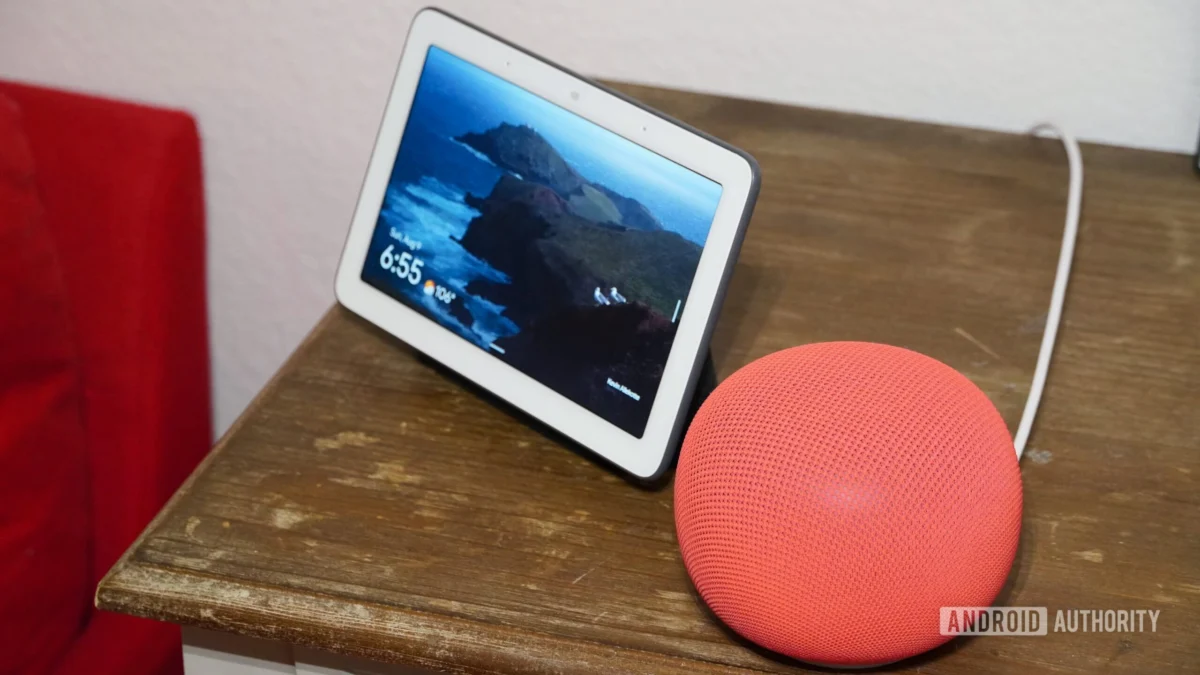
The fundamental expectation of any consumer-grade smart hardware is simple, reliable execution. When an individual invests in a voice-activated domestic assistant, the baseline threshold for utility rests on direct command comprehension. If a user explicitly asks an ecosystem device to stream a specific curated list of songs, the automated response should match the intent without deviation. Recently, however, this foundational contract between developer and consumer experienced a notable strain. Following a wave of persistent complaints across multiple support forums and social aggregation channels, technology multinational stakeholders have confirmed the rollout of a definitive patch designed to neutralize a pervasive audio routing anomaly that targeted proprietary and third-party music streaming requests on voice-activated displays and smart speakers.
For months, owners of hardware units embedded within the broader domestic automation lineup reported bizarre behavioral patterns. Requests for precise, user-curated audio compilations from prominent streaming ecosystems—most notably Spotify and YouTube Music—routinely resulted in unpredictable playback errors. Instead of initializing the requested sequence, the hardware often defaulted to randomized tracks, entirely different albums, or tangentially related public lists that bore little resemblance to the initial vocal command. This glitch transformed routine morning routines and casual listening sessions into exercises in frustration, prompting widespread discussions within online consumer communities where frustrated individuals detailed months of erratic device performance.
The genesis of this malfunction highlights the delicate complexity inherent in modern voice-activated machine learning models. Natural language processing frameworks must parse acoustic inputs, translate human phonetics into textual data, interpret semantic intent, query external content databases, and route media streams back to local hardware nodes in a matter of milliseconds. When an optimization routine or backend API update introduces latency or misinterprets metadata indexing, the cascading effects manifest instantly at the user interface level. In this specific scenario, backend algorithmic translation appeared to lose its precision, substituting exact string matches with broad, probabilistic approximations. If an individual requested a uniquely titled custom compilation, the underlying matching architecture seemingly decided that a generically named public alternative was close enough, overriding user intent in favor of generalized keyword proximity.
This incident is far from an isolated event within the consumer tech landscape. Over the past several cycles, smart home ecosystems developed by leading technology conglomerates have faced growing pains regarding software reliability. As these platforms incorporate advanced artificial intelligence models to manage more complex ambient computing tasks, the underlying codebases grow increasingly dense and interdependent. A minor adjustment to a cloud-based directory lookup service or a security certificate update can unintentionally destabilize peripheral functionalities, transforming seemingly unrelated software updates into systemic playback headaches for millions of households. Industry analysts note that as consumer expectations shift from novelty adoption to entrenched utility, the tolerance for software instability diminishes rapidly. When core pillars of daily life—such as home audio, lighting, and climate control—fail to execute basic commands reliably, consumer brand loyalty faces immediate erosion.
Official confirmation of the corrective deployment surfaced via community management channels on Reddit, where an authorized support representative formally addressed the cascading troubleshooting threads. The communication was concise, confirming that backend adjustments had successfully isolated and neutralized the root cause behind the erratic audio routing behavior. Engineers urged affected consumers to monitor their hardware nodes closely and provide feedback should residual symptoms persist. Despite the official acknowledgment, corporate transparency regarding the precise technical origins of the glitch remained minimal. No granular post-mortem analysis detailing the faulty server-side script, API handshake failure, or neural network misclassification was published, leaving external software engineers to speculate on whether the anomaly stemmed from a localized database index corruption or an overarching natural language processing regression.
The broader implications of this playback malfunction extend directly into the competitive arena of ambient computing and spatial audio integration. The modern smart speaker market relies heavily on seamless ecosystem integration. Consumers rarely purchase hardware in a vacuum; they select ecosystems based on interoperability with preferred streaming services, smart home appliances, and personal productivity tools. When an ecosystem stumbles on a utility as fundamental as audio playback, it opens a strategic window for competing hardware manufacturers to capture dissatisfied market share. Rivals specializing in alternative voice assistants monitor these friction points closely, leveraging consumer frustration to position their own product lines as more reliable, locally processed, or functionally robust alternatives. Consequently, ensuring airtight software reliability is not merely a matter of customer satisfaction; it is a critical defensive strategy in a heavily saturated marketplace.
Looking forward, the architecture of domestic automation must evolve to prevent similar regressions as generative artificial intelligence and multimodal models become standard features of connected hardware. Future iterations of smart assistants will likely rely on edge computing combined with advanced contextual awareness to anticipate user needs before vocal commands are even fully articulated. However, increased capability inherently introduces heightened vulnerability to cascading software bugs. To maintain consumer trust, manufacturers must prioritize robust automated regression testing, transparent communication channels, and faster deployment cycles for hotfixes. Until those proactive protocols become industry standard, users relying on voice-activated domestic assistants will continue to navigate the delicate balance between cutting-edge convenience and the occasional, frustrating reminder of software fragility. As the newly deployed patch circulates through global server networks, the immediate test will lie in whether households experience a lasting restoration of harmony or merely a temporary reprieve before the next systemic digital glitch disrupts their daily routines.
