

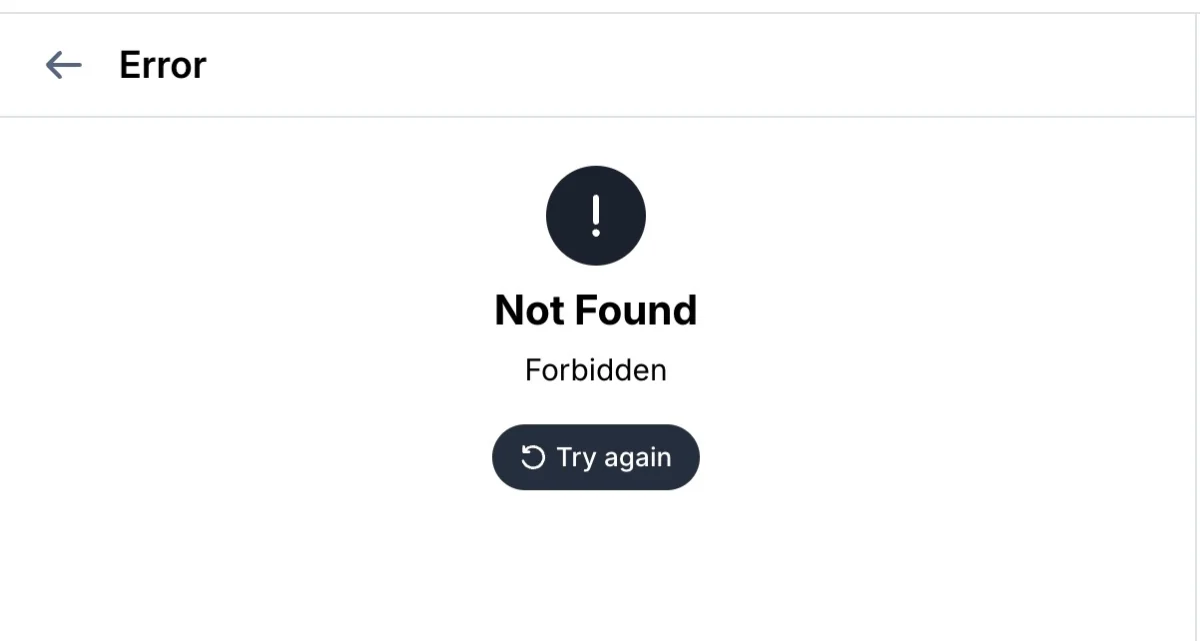
On the morning of April 16, 2026, the burgeoning social media landscape faced a significant stress test as Bluesky, the prominent champion of decentralized networking, succumbed to a series of sophisticated service interruptions. What initially appeared to be a routine period of high-latency gradually unraveled into a broader systemic struggle, leaving millions of users navigating a fragmented digital environment. According to the network’s internal status monitoring, the disruptions originated at approximately 2:42 a.m. ET, initiating a cascading series of failures that would persist throughout the day.
While the symptoms—slow loading times, intermittent error messages, and failed profile fetches—were immediately visible to the public, the underlying cause pointed to a more malicious intent. Rose Wang, Bluesky’s Chief Operating Officer, confirmed that the platform was the target of a Distributed Denial-of-Service (DDoS) attack. This revelation shifted the narrative from one of mere technical debt or scaling pains to a targeted effort to destabilize one of the most significant alternatives to traditional, centralized social media silos.
The Mechanics of the Outage
The user experience during this period was characterized by a "stuttering" effect. Unlike the total blackouts often seen with centralized services, Bluesky remained "sorta" functional—a byproduct of its decentralized architecture that proved both a blessing and a source of confusion. Users attempting to access popular feeds, such as the "Discover" tab or the official "Bluesky Team" updates, were frequently met with a "Rate Limit Exceeded" notification. This message, typically reserved for preventing automated scrapers from overwhelming the server, became a default defensive posture as the system struggled to distinguish between legitimate user traffic and the artificial flood of requests generated by the DDoS attack.

Bryan Newbold, a protocol engineer for Bluesky, underscored the severity of the situation in the early hours of the morning, noting that the services were being hit "pretty hard." The "Rate Limit Exceeded" error from the server suggested that the platform’s "App View"—the layer of the stack responsible for aggregating data into a readable format for the end-user—was the primary bottleneck. In a decentralized system like the AT Protocol (Authenticated Transfer Protocol), which powers Bluesky, data is stored across various Personal Data Servers (PDS). However, for a user to see a cohesive timeline, an "App View" must crawl those servers and index the content. When this indexing layer is bombarded, the entire front-end experience grinds to a halt, even if the underlying data remains safe and accessible.
A Test of the AT Protocol’s Resilience
One of the most fascinating aspects of this disruption was the uneven nature of the failure. Because Bluesky is built on an open, federated protocol, the "outage" was not universal across the entire ecosystem. While the primary bsky.app client and the official servers managed by the Bluesky Public Benefit Corporation (PBC) were under duress, independent communities and developers running their own infrastructure on the AT Protocol reported significantly fewer issues.
This serves as a critical real-world validation of the decentralized thesis. In a traditional centralized model, such as that employed by X (formerly Twitter) or Meta’s Threads, a successful DDoS attack on the core data centers results in a total global blackout. There is no alternative route to the data. In contrast, the April 16 event demonstrated that while the most popular "gateway" to the network (the Bluesky app) could be throttled, the network itself—the protocol—continued to breathe. Developers using independent relays or self-hosted PDS instances found that their corners of the "atmosphere" remained relatively clear.
The Security Implications for Emerging Platforms
The decision to target Bluesky with a DDoS attack is a testament to its growing influence in the social media hierarchy. As the platform has moved beyond its initial invite-only phase and established itself as a hub for journalists, academics, and tech enthusiasts, it has naturally become a target for those seeking to disrupt the flow of information.

For a platform like Bluesky, which prioritizes openness and developer access, security presents a unique challenge. Traditional firewalls and mitigation strategies must be balanced against the need for the protocol to remain "permissionless." If the platform implements too many restrictive "rate limits" or "gatekeeping" measures to prevent DDoS attacks, it risks undermining the very transparency that attracts its core user base.
Industry analysts suggest that this event will likely accelerate the development of more robust, distributed relay systems. Currently, a large percentage of Bluesky users rely on the default relay provided by the company. This creates a "centralized point of failure" within a decentralized system. To prevent future disruptions of this scale, the ecosystem will need to incentivize the adoption of third-party relays and "App Views" so that traffic can be rerouted seamlessly when one node comes under fire.
Competitive Dynamics and User Trust
The timing of the outage is also noteworthy within the context of the broader "social media wars." As legacy platforms grapple with shifting algorithms and advertiser concerns, Bluesky has positioned itself as the "user-centric" alternative. However, for a platform to truly compete with the incumbents, it must achieve "five-nines" reliability (99.999% uptime).
Frequent or prolonged service interruptions, even those caused by external malicious actors, can erode the confidence of less technical users who may not understand the nuances of a DDoS attack or the complexities of the AT Protocol. To these users, "down is down." The challenge for the Bluesky team moving forward is not just technical mitigation, but also communication. Maintaining a transparent status page and providing real-time updates from engineers like Newbold and executives like Wang is a step in the right direction, but it must be coupled with visible infrastructure hardening.

Future Outlook: Hardening the Atmosphere
Looking ahead, the April 16 disruption will likely be viewed as a turning point for the AT Protocol’s development. We can expect to see several key shifts in the platform’s technical roadmap:
- Enhanced Edge Protection: Bluesky will likely invest more heavily in global content delivery networks (CDNs) and advanced traffic scrubbing services that can filter out malicious botnet traffic before it reaches the core indexing servers.
- Decentralized Indexing: The community may see a push for more "App View" providers. If a user’s app could automatically switch from a struggling official indexer to a functional third-party one, the impact of a DDoS attack would be virtually unnoticeable to the end-user.
- Protocol-Level Defensive Measures: There may be updates to the AT Protocol itself to better handle high-volume traffic spikes, perhaps through more sophisticated cryptographic "proof-of-work" requirements for new requests during periods of high load.
The resilience of a digital town square is measured not by its ability to avoid attacks—which are inevitable in the modern internet era—but by its ability to withstand them and recover. Bluesky’s "sorta" down status was a frustrating experience for many, but it also highlighted the structural advantages of federation. While the front door was temporarily jammed, the house itself remained standing.
As of the latest reports, the Bluesky team continues to monitor the situation, and while service is slowly returning to normal levels, the incident serves as a stark reminder of the vulnerabilities inherent in scaling a new social web. The lessons learned from this DDoS attack will undoubtedly inform the next generation of decentralized infrastructure, as the industry moves away from the fragile "walled gardens" of the past toward a more distributed, albeit more complex, future.
For now, users are advised to remain patient as the network’s relays catch up with the backlog of posts and interactions. The "Rate Limit Exceeded" messages are fading, but the conversation regarding the security and stability of the decentralized web is only just beginning. In the high-stakes world of social media infrastructure, today’s disruption is tomorrow’s blueprint for a more resilient architecture.
