

The consumer electronics industry has spent over a decade locked in a relentless arms race centered on display metrics. Manufacturers routinely boast about pixel counts, refresh rates that exceed the limits of human perception, and luminance thresholds capable of searing through direct sunlight. Yet, this unwavering focus on raw technical specifications has frequently overlooked a critical vulnerability: long-term visual fatigue. For years, consumers have faced a frustrating compromise. They could opt for vibrant, high-contrast OLED panels that excel in media consumption but strain the eyes during extended reading sessions, or they could pivot toward specialized, low-glare alternatives that sacrifice color accuracy, contrast depth, and overall multimedia dynamism.
TCL has long challenged this dichotomy through its proprietary NXTPAPER technology. Initially deployed primarily on budget-friendly tablets and select LCD-based smartphones, NXTPAPER successfully replicated the diffuse, paper-like tactile viewing experience of physical print or electronic paper. By scattering ambient light rather than reflecting it mirror-style, the technology effectively neutralized glare and reduced harmful blue-light emissions. However, these earlier iterations came with an inevitable penalty. Relying on traditional LCD foundations meant forfeiting the deep blacks, infinite contrast ratios, and vivid color reproduction that modern mobile users have come to expect from premium OLED panels.
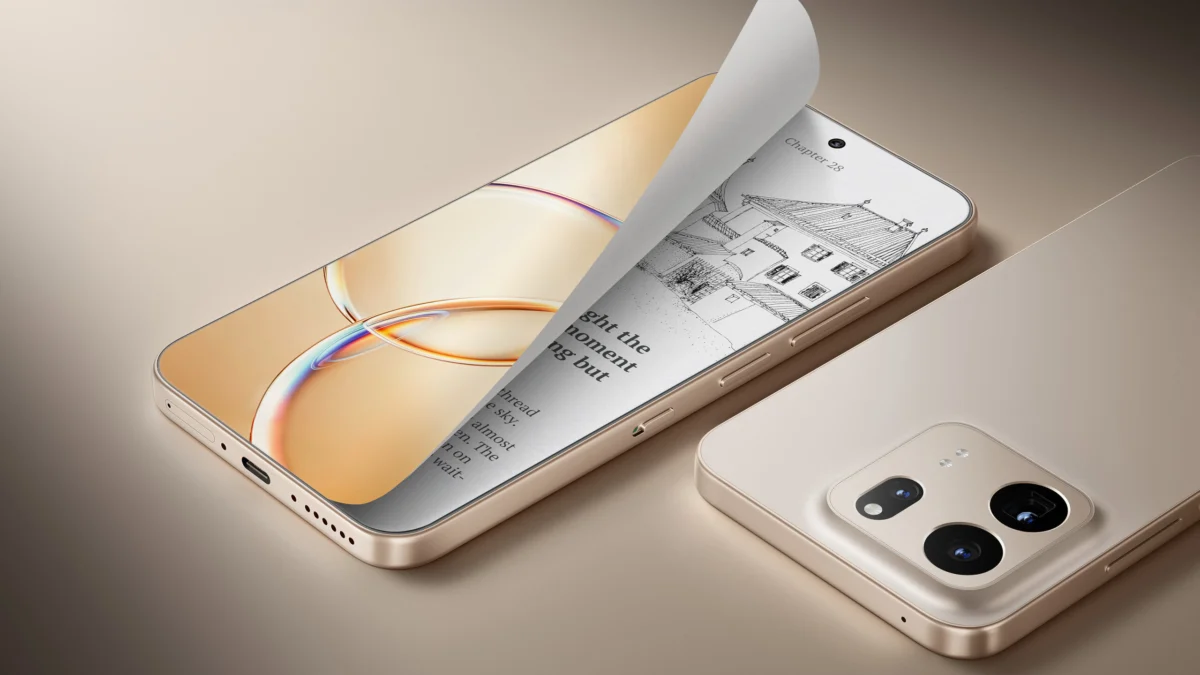
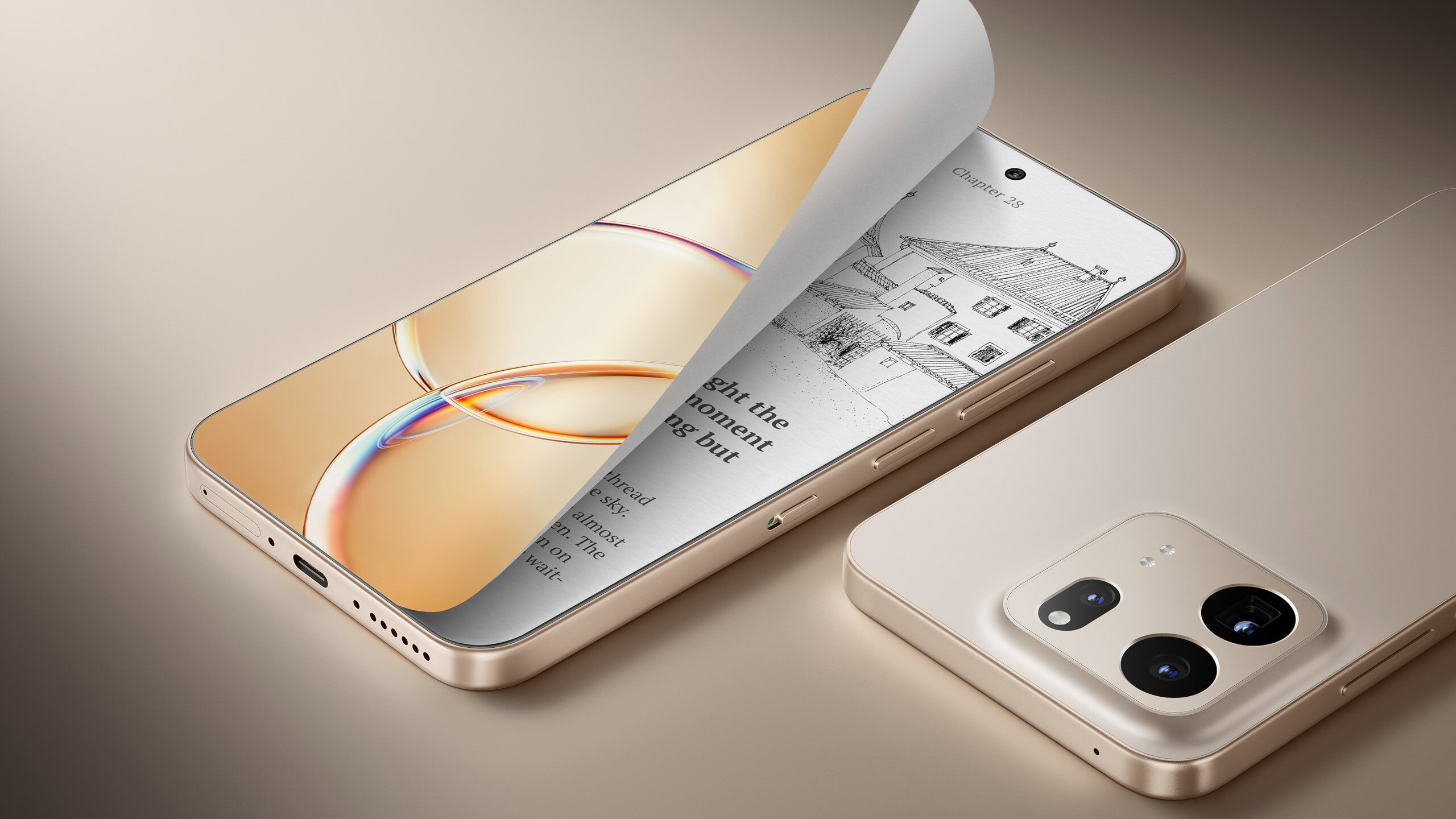
During the IFA technology showcase, TCL altered the mobile landscape by dismantling this persistent hardware barrier. The company officially pulled back the curtain on its P80 smartphone series, anchored by the P80 Ultra and the P80 Pro. These devices mark a monumental engineering milestone: they represent the world’s first integration of TCL’s signature NXTPAPER technology directly with an OLED panel, effectively fusing the eye-friendly properties of anti-glare surfaces with the rich, saturated visual splendor of self-emissive organic light-emitting diodes.
Beneath their sleek exteriors, the P80 Ultra and P80 Pro share a robust foundational architecture designed to compete aggressively within the upper-mid-range and flagship-adjacent tiers. At the heart of this shared DNA is a sprawling 6.83-inch OLED NXTPAPER display. Rather than forcing users to choose between ergonomic reading comfort and cinematic vibrancy, this hybrid screen delivers a crisp 1.5K resolution, a fluid 120Hz refresh rate, and a staggering peak brightness of 3,200 nits. This immense luminance ensures absolute legibility outdoors, while the specialized diffuse surface treatment actively diffuses environmental reflections.
Perhaps the most ingenious inclusion for digital bibliophiles and productivity-driven professionals is the physical NXTPAPER button positioned securely along the chassis. Activating this dedicated hardware control engages Max Ink Mode, which instantly shifts the graphical user interface into a monochrome, high-contrast E-Ink-style environment. By stripping away extraneous color processing and minimizing background system overhead, TCL claims this mode can stretch battery endurance to an astonishing seven days of continuous reading on a single charge. It transforms a high-performance multimedia device into a dedicated, eye-soothing e-reader at the flick of a switch.
Performance-wise, the core hardware pairing is equally formidable. Both upper-tier variants rely on the MediaTek Dimensity 7400 Elite processor, coupled uniformly with 8GB of physical RAM. Storage configurations span generous 256GB and 512GB capacities, ensuring ample room for sprawling media libraries, high-resolution photography, and offline documentation. Power management is anchored by a robust 5,800mAh battery cell, which comfortably supports multi-day workflows, backed by rapid 45W wired charging capabilities to minimize downtime at the wall outlet.
While the P80 Ultra and P80 Pro share a striking array of core specifications, a closer examination of their external hardware reveals strategic differentiators aimed at distinct consumer segments. The P80 Ultra firmly claims the crown as the premier flagship of the lineup. Its imaging array is headlined by a versatile 50-megapixel primary sensor utilizing a sizeable 1/1.56-inch optical format, accompanied by an impressive 50-megapixel periscope telephoto lens offering 3x optical zoom capabilities, alongside an 8-megapixel ultrawide shooter. Furthermore, the Ultra model boasts a full IP68 dust and water-resistance rating, ensuring robust durability against the elements.
Stepping down slightly, the P80 Pro retains the masterclass display and core processing engine of its sibling but trims away certain high-end hardware luxuries. The Pro model streamlines its camera configuration to a dual-lens setup, retaining the stellar 50-megapixel main sensor but dispensing with the dedicated periscope telephoto lens in favor of a simpler ultrawide companion. Additionally, official documentation regarding the Pro variant’s exact Ingress Protection rating remains absent, signaling that users looking for absolute ruggedness may need to lean toward the top-tier Ultra.
Rounding out the hardware family is the standard, vanilla TCL P80. Unlike its siblings, the base model foregoes the specialized NXTPAPER display treatment, opting instead for a conventional 6.83-inch OLED panel. Yet, it refuses to cut corners on raw screen metrics, maintaining the identical 1.5K resolution, 120Hz refresh rate, and blistering 3,200-nit peak brightness. Under the hood, the standard P80 steps down marginally to a MediaTek Dimensity 7300 Elite chipset, 8GB of RAM, and storage tiers starting at a leaner 128GB baseline. Energy demands are handled by a slightly smaller, though still respectable, 5,000mAh battery supported by the same 45W charging protocol.
TCL’s software support strategy for the P80 series deserves equal industry recognition. All three handsets launch out of the box running Android 16, backed by a comprehensive commitment to long-term device security encompassing seven years of security patches. The Pro and Ultra variants secure a generous four major operating system upgrades, while the standard P80 is slated for three major OS platform updates. This forward-thinking support model elevates TCL’s competitive standing, bridging the historical gap between niche hardware innovators and mainstream industry heavyweights.
Commercial rollout plans position the P80 family for an aggressive global footprint. European markets receive immediate availability, with retail pricing initiating at €549 (approximately $635) for the base 8GB/256GB P80 Ultra, €429 (roughly $496) for the 8GB/256GB P80 Pro, and €349 (about $404) for the entry-level 8GB/128GB standard P80. Following the European debut, regional expansions are scheduled for Latin America beginning in October. Crucially, TCL representatives confirmed during corporate media briefings that the P80 series is officially slated for a North American launch shortly thereafter, though specific US pricing details remain closely guarded.
The introduction of the TCL P80 series carries profound implications for the trajectory of smartphone display technology. For years, the industry has operated under the assumption that screen innovation must be measured strictly by saturation, contrast, and brightness. By successfully wedding the organic luminescence of OLED panels with the tactile, anti-glare ergonomics of NXTPAPER, TCL has redefined what an everyday carry device can achieve for human health and usability. As digital strain becomes an increasingly recognized occupational and lifestyle hazard, the P80 lineup demonstrates that the future of mobile displays lies not in forcing consumers to choose between aesthetic brilliance and visual comfort, but in harmonizing both into a single, cohesive user experience.
