

For over a decade, Discord has operated as a colossal digital fortress—a sprawling, vibrant ecosystem of niche communities, troubleshooting hubs, and specialized interest groups locked behind invite-only gates and private authentication walls. Often categorized under the umbrella of "dark social," the trillions of messages, technical insights, and troubleshooting steps shared across millions of servers have remained largely invisible to traditional search engines like Google and Bing. If a user sought the solution to an obscure coding bug, a complex gaming mod installation, or a hardware configuration error, typing that query into a web browser rarely yielded results from the platform’s vast archives. Instead, seekers faced a frustrating barrier requiring them to create accounts, secure invites, and navigate opaque server directories just to hunt for answers.
That long-standing structural isolation is drawing to a close. In a sweeping strategic pivot, the messaging giant has announced that discussions hosted within its public, discoverable communities will soon be indexed by external search engines. This initiative marks a monumental philosophical shift for a platform that built its reputation on enclosed, conversational sanctuary. By dragging its vast repositories of peer-to-peer knowledge out from behind authentication walls and onto the open web, the company is positioning itself not merely as a real-time chat application, but as a premier, searchable knowledge base for the modern internet.

The mechanics of this transformation are meticulously structured to target a specific tier of the ecosystem. The new indexing protocols apply exclusively to what the platform designates as "Discoverable Servers"—publicly listed, vetted communities boasting a minimum threshold of 1,000 active members. According to internal platform metrics, this category encompasses roughly 63,000 individual servers spanning everything from massive competitive gaming franchises to localized software development collectives. Private servers, direct messaging threads between individual users, and group announcements hosted on smaller, unverified communities remain strictly shielded from web crawlers.
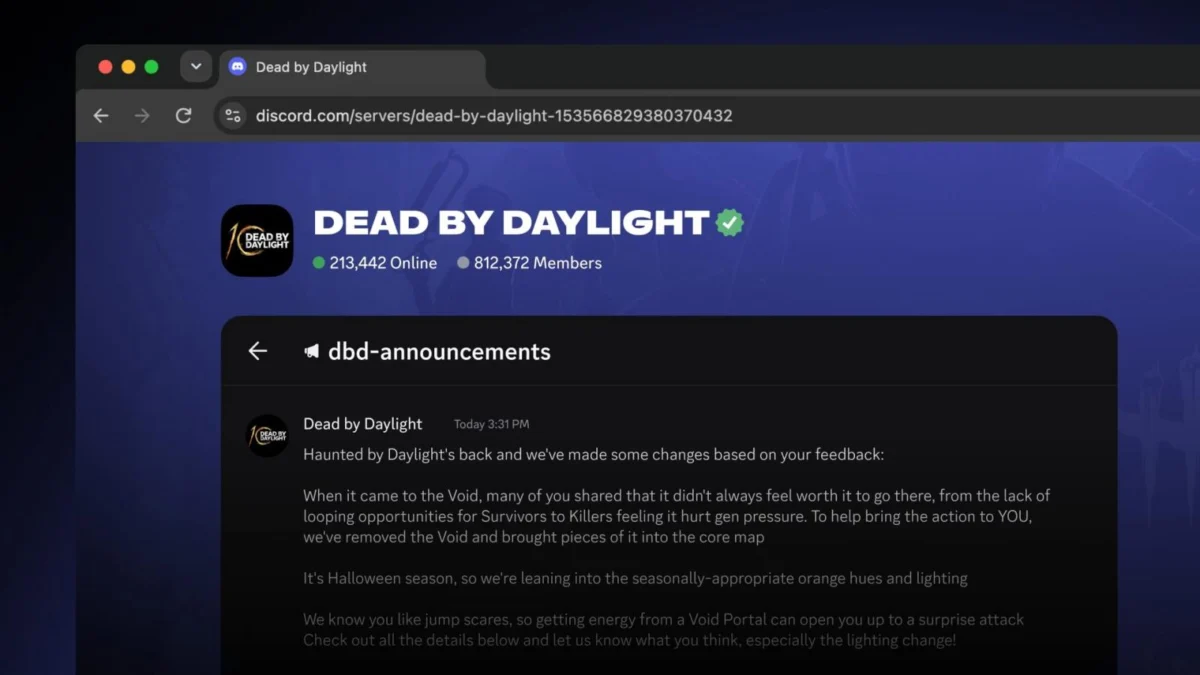
To facilitate this external visibility, the platform is introducing specialized "Server Web Pages." Beginning in mid-November, these web-optimized landing pages will be generated automatically for qualifying communities unless administrators proactively opt out by shifting their server classification to private. Following this foundational infrastructure phase, a gradual rollout of message indexing is scheduled to begin in December. Notably, the initiative features a strict forward-looking scope: historical conversations recorded prior to the official release date will remain excluded, ensuring that past discussions do not suddenly materialize in search results without contemporary context.
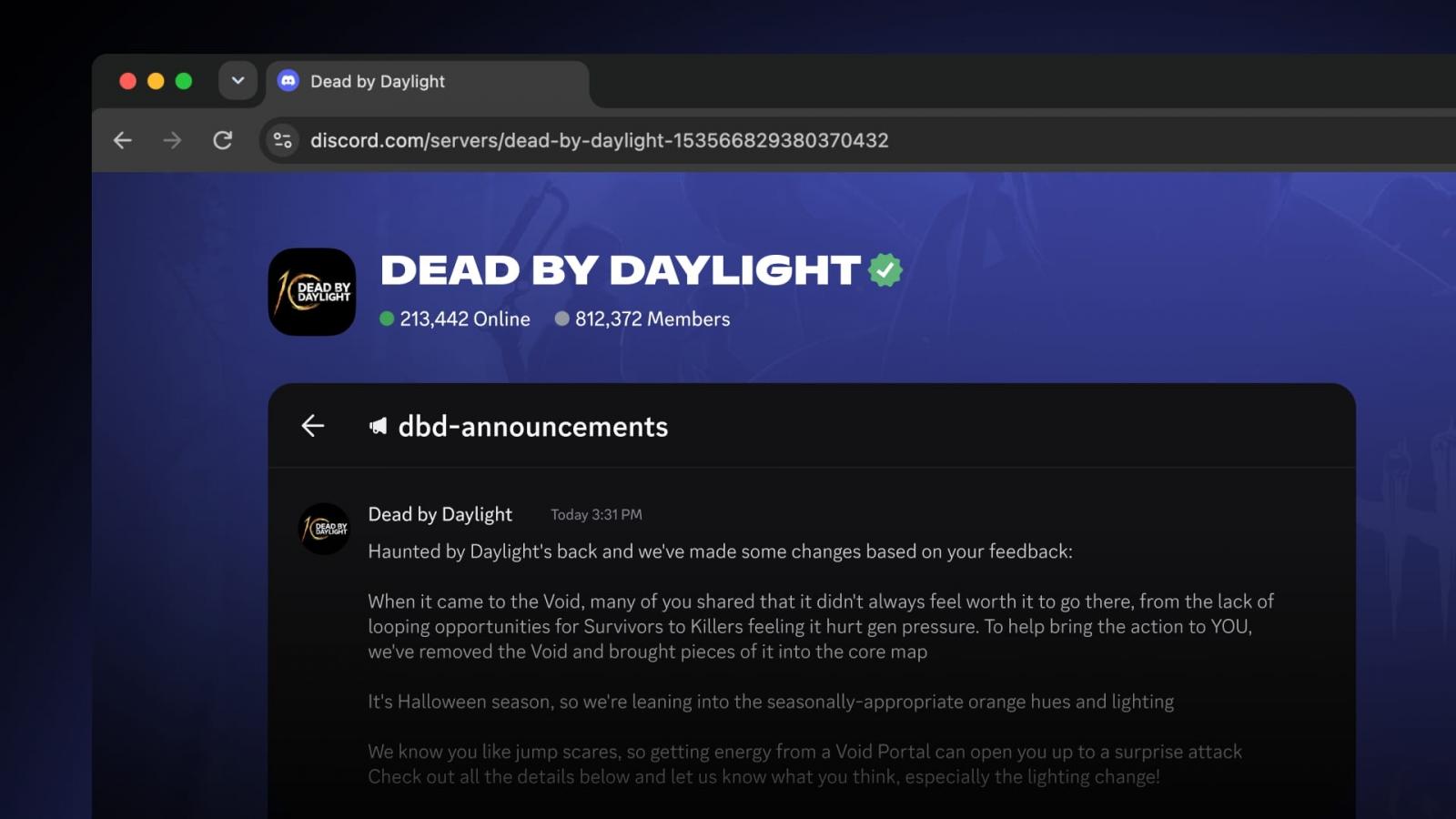
The genesis of this paradigm shift has been tested quietly over recent months through targeted pilot programs. Major gaming communities associated with titles such as NBA 2K, Rust, and Dead by Daylight served as the testing grounds for Community Messages and Server Web Pages. These trials allowed the platform’s engineering teams to evaluate infrastructural load, refine user interface elements, and gauge community sentiment regarding external visibility. The positive reception of these pilots—particularly among users seeking quick troubleshooting fixes—emboldened leadership to move forward with a broader deployment.
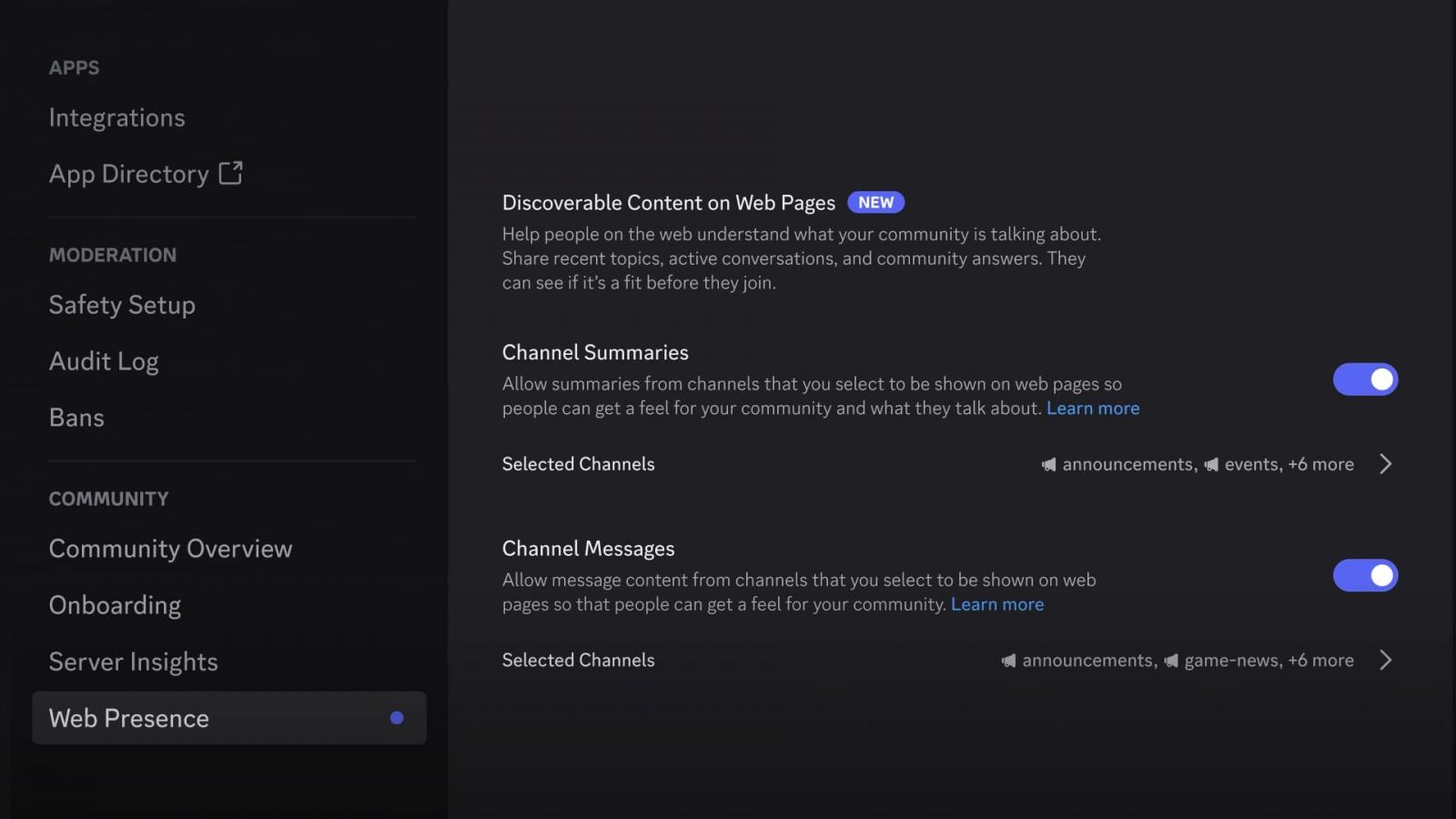
Yet, liberating conversational data for public consumption is a delicate balancing act, particularly in an era defined by heightened regulatory scrutiny over data privacy and user consent. To navigate this minefield, the platform has instituted a granular hierarchy of administrative and individual controls. Channel administrators are equipped with centralized management tools located under the "Server Settings > Web Presence" menu. Through this dashboard, mods can exercise sweeping authority, choosing to shield specific channels from external crawlers or disable web presence broadcasting for the entire community altogether.
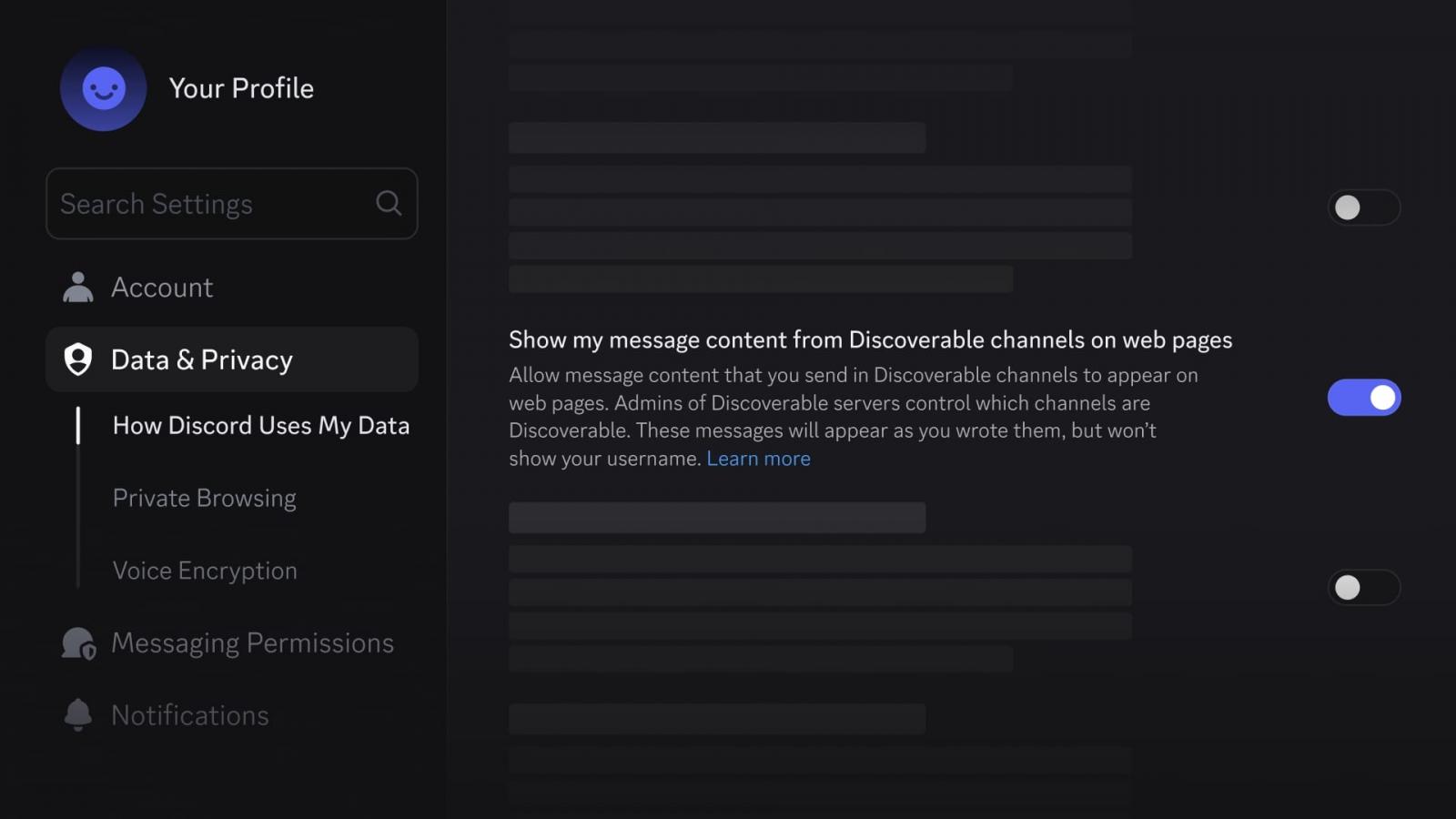
Individual community members are similarly empowered, granted the ability to dictate whether their own contributions appear on public Server Web Pages via the "User Settings > Data and Privacy" tab. However, the platform has emphasized a critical caveat regarding user-level controls: opting out halts future data exposure, but it cannot retroactively purge past messages that have already been indexed and integrated into web pages. This catch underscores the importance of proactive user awareness before the indexing mechanisms go live.
Furthermore, regional regulatory landscapes and demographic categories dictate stark exceptions to the default rollout behavior. Recognizing the stringent data protection frameworks codified in regions like the European Union, the United Kingdom, Canada, Brazil, Australia, and South Korea, the company has mandated an opt-in model for these territories. In these jurisdictions, message sharing will remain disabled by default; users must explicitly navigate their privacy settings and toggle the feature on if they wish to contribute to the open web. Additionally, minors and underage accounts are categorically excluded from the program, with the system enforcing an automatic block that prevents younger users from activating the feature until they reach the age of 18. If adult users and administrators in eligible regions take no action and leave their settings at default values, their public-facing contributions will automatically be swept into the new indexable framework.
The industry implications of this move extend far beyond simple convenience for users looking up video game strategies. For years, search engines have grappled with the "enshittification" of the open web—a phenomenon where traditional forums and independent blogs are increasingly crowded out by search-engine-optimized content, affiliate marketing fluff, and AI-generated articles lacking authentic human experience. By opening its doors to search crawlers, the platform injects a massive infusion of raw, authentic, peer-to-peer discourse back into the public internet. When a developer searches for a niche coding error, they may soon bypass generic aggregator sites and land directly on a genuine troubleshooting thread hosted within a specialized community server.
This shift also alters the competitive landscape of digital discovery. Platforms like Reddit have long profited from their symbiotic relationship with search engines, serving as the go-to destination for real-world advice and community-driven answers. By enabling similar web indexing, the messaging giant is directly challenging that dominance, positioning its vast network of interest-based servers as a viable alternative for crowdsourced knowledge retrieval. It transforms the platform from a closed loop into an active participant in the broader web ecosystem, driving inbound acquisition by allowing curious web surfers to step seamlessly from a search results page directly into a live, ongoing community discussion.
At the same time, this evolution forces a cultural reckoning within online communities. For years, the psychological safety of Discord stemmed largely from its obscurity—the unspoken assumption that conversations held within a server stayed within that server. Users could vent, brainstorm, experiment, and share casual thoughts without worrying about their words being permanently etched into public search engine indices accessible to future employers, journalists, or casual onlookers. As web pages begin mirroring public chat logs, community culture will inevitably adapt. Members may become more measured in their public-facing commentary, and server moderators will likely face new challenges in curating spaces that balance openness with the historical comfort of informal banter.
Ultimately, the decision to let search engines index public server messages represents a mature platform redefining its place in the digital hierarchy. By systematically dismantling the walls of dark social for its largest communities, the company is betting that the utility of accessible human knowledge outweighs the comfort of enclosure. As the rollout progresses through its scheduled phases, the success of this monumental transition will hinge on how effectively administrators and everyday users utilize their newfound privacy controls—and whether the broader internet embraces this massive influx of raw, unfiltered conversation as a net positive for human inquiry.
