

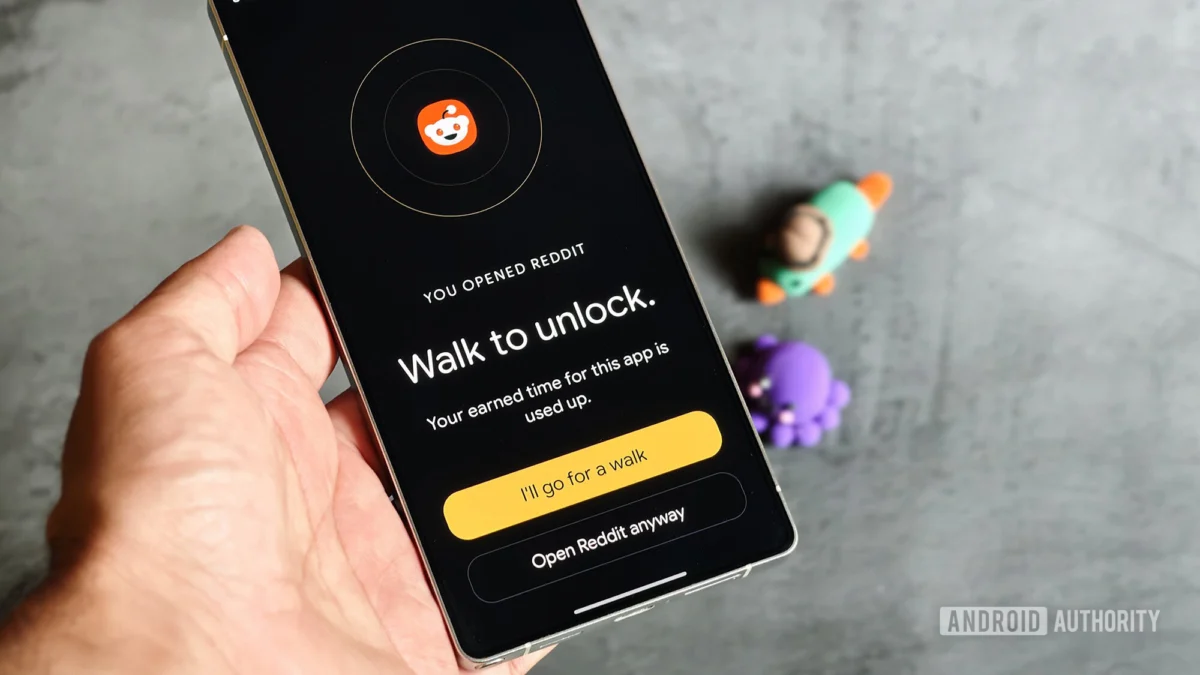
The modern smartphone landscape is defined by an ongoing paradox: the very devices engineered to keep us connected are meticulously optimized to fracture our attention. As major technology conglomerates continue to iterate on annual hardware releases, software differentiation has increasingly become the primary battleground for consumer loyalty. Google’s recent unveiling of the Pixel 11 series exemplifies this strategy, introducing a suite of sophisticated ecosystem enhancements designed to lure upgrades from previous-generation device owners. Among these additions, the integration of Android 17’s "Pause Point" feature within the Digital Wellbeing suite generated substantial industry interest. By forcing users to consciously deliberate before opening potentially addictive applications, Pause Point represents a meaningful step forward in mobile software design.
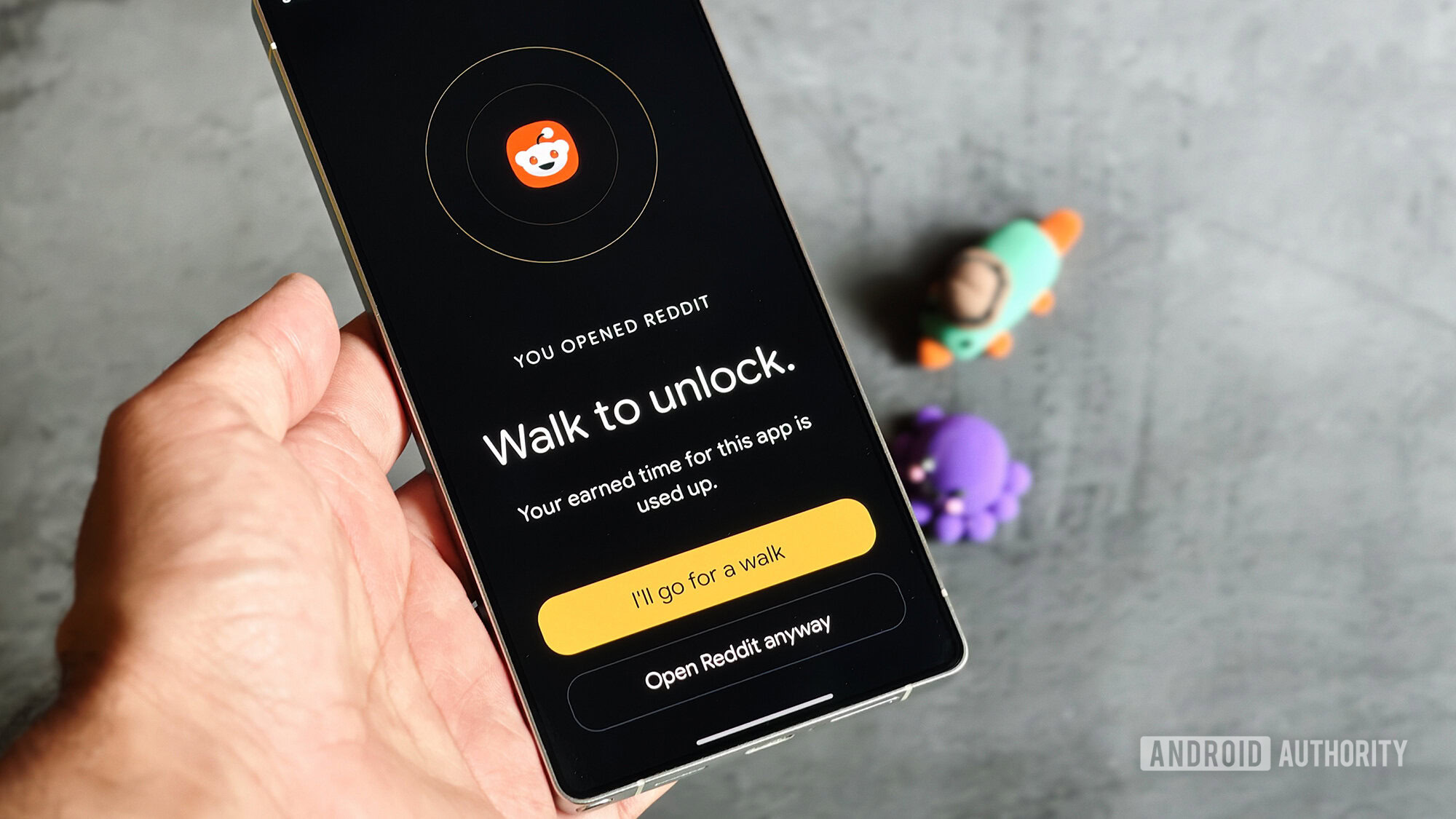
However, Google’s decision to restrict this core operating system capability exclusively to the Pixel 11 lineup sparked considerable friction within the broader Android community. For an operating system historically celebrated for its hardware democratization and open architecture, gating software-level cognitive health tools behind a newly released flagship tier feels entirely counterintuitive. Fortunately, the inherent flexibility of the Android ecosystem ensures that users are rarely beholden to OEM hardware artificial limitations. An independent utility application called Stroll has emerged as a compelling alternative, offering a radically creative approach to screen-time management that arguably surpasses Google’s native implementation. Rather than relying on passive introspection or reactive usage timers, this free application transforms physical movement into the literal currency of digital engagement, fundamentally reshaping how users interact with attention-sink platforms.
To understand why third-party interventions like Stroll represent a paradigm shift, one must first analyze the systemic flaws inherent in traditional digital wellbeing frameworks. For years, major mobile operating systems have relied on reactive app timers and static usage quotas. While these tools attempt to curb excessive screen time, they fundamentally misunderstands the psychological mechanics of modern algorithmic feeds. Standard app limits operate on a deferred consequence model. When a user establishes a sixty-minute daily threshold for a platform like Instagram or TikTok, the system offers no friction during the initial phases of consumption. The user can happily consume high-dopamine content uninterrupted for the first forty-five minutes of the day. Warnings typically arrive only when the allotment is nearly depleted, by which point cognitive exhaustion and emotional attachment have already compromised objective decision-making.
At that critical juncture, the psychological rationalization takes over. The user convinces themselves that an additional fifteen minutes will have negligible impact, effectively neutralizing the boundary. Furthermore, these reactive mechanisms punish the consumer after the behavior has occurred, inducing cycles of guilt and frustration without altering the initial trigger. Willpower alone proves perpetually insufficient against multi-billion-dollar recommendation engines engineered by behavioral psychologists to maximize dwell time. Without a structural disincentive built into the access loop, users inevitably fall back into habitual patterns of compulsive application-switching.
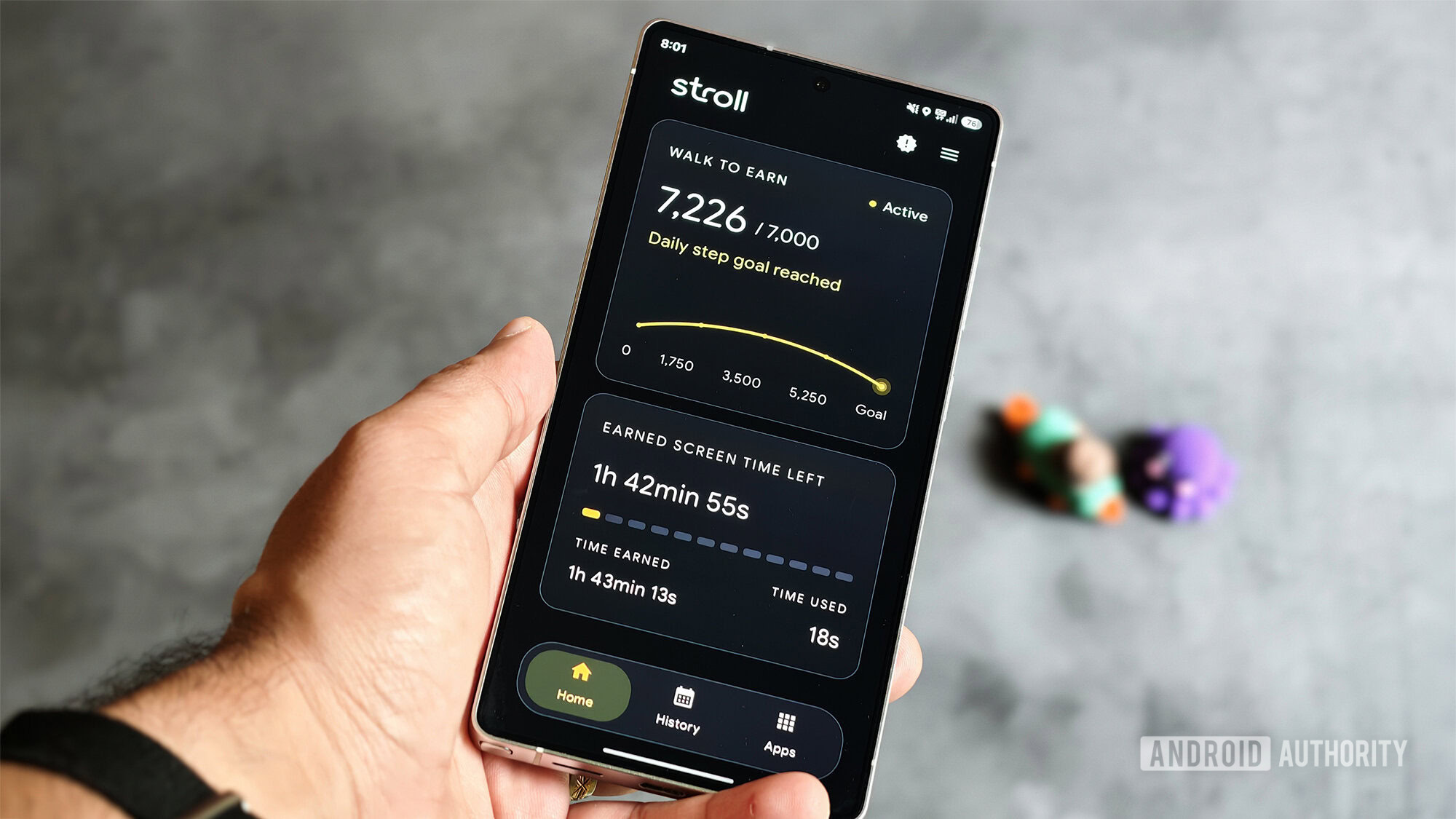
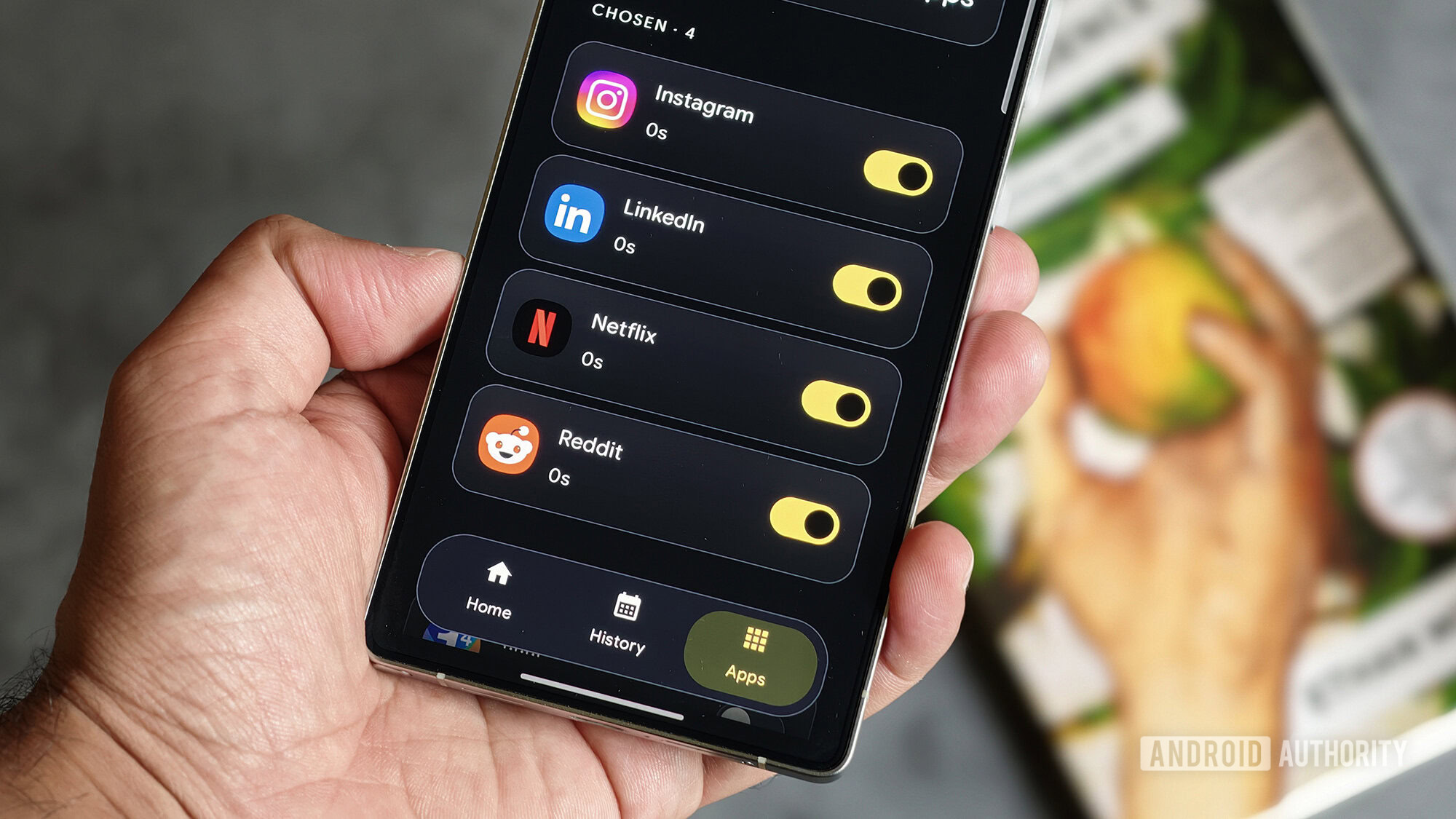
Stroll bypasses these psychological pitfalls by completely reversing the temporal sequence of gratification. Instead of allowing unfettered access at the beginning of the day followed by restrictive penalties, the utility enforces a proactive constraint: users must physically earn their digital leisure time prior to consuming it. The core mechanic is elegantly straightforward—every step recorded by the device’s internal sensors or synchronized via Health Connect from a compatible smartwatch accumulates time credits. These credits function as a finite budget for accessing designated restricted applications or URLs.
This model draws fascinating parallels to speculative science fiction narratives where time serves as the primary medium of exchange, yet applied here, the stakes are localized entirely to reclaiming personal autonomy. By establishing a literal physical barrier between the user and their algorithmic feed, the software alters the neurochemical cue-routine-reward loop. The individual is no longer fighting an abstract battle of internal willpower; they are engaging in a concrete economic transaction where physical wellness subsidizes digital indulgence.
Crucially, the application provides customizable enforcement tiers, allowing users to choose between a "soft wall" and a "hard wall." The soft wall introduces a deliberate friction point—a brief delay and a prompt requiring conscious dismissal before launching a blocked application. While technically bypassable, this microscopic window of intentionality is often all the conscious mind needs to short-circuit a mindless, reflexive unlocking habit. It completely disrupts the semi-conscious muscle memory of tapping application icons during moments of boredom or stress.
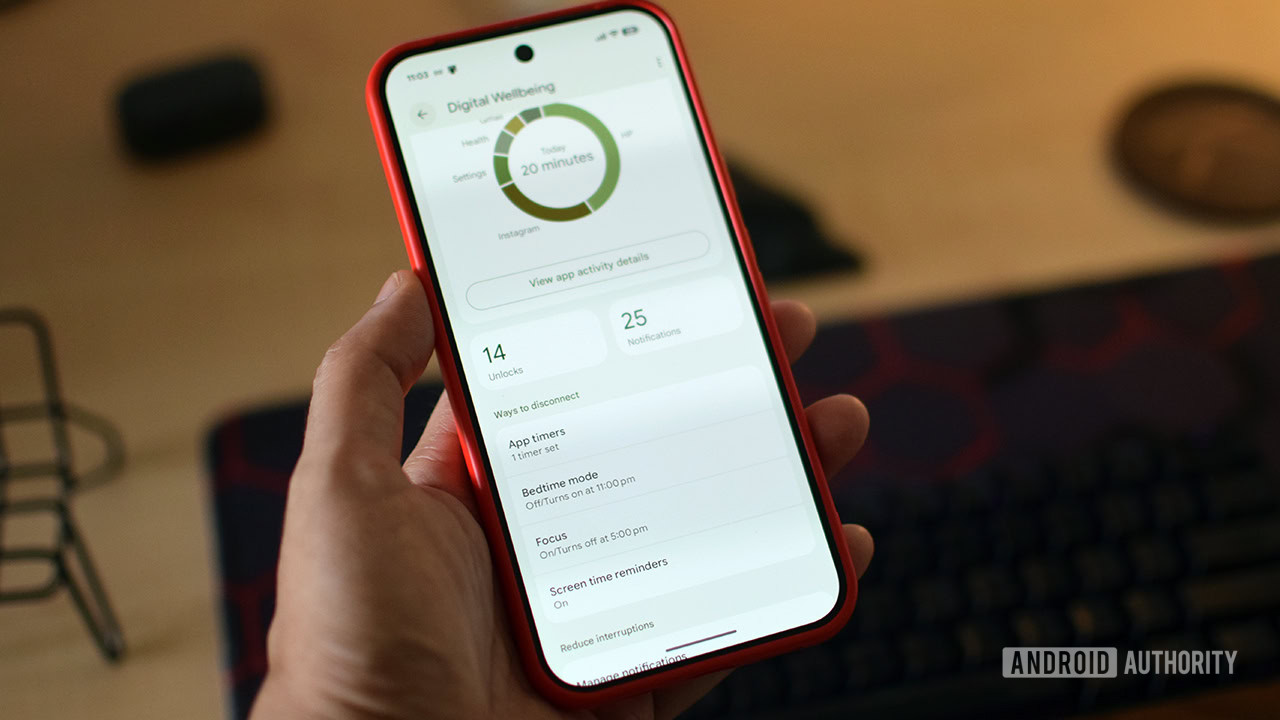
Industry analysts observing these trends note that the future of digital wellbeing lies not in restrictive blocking, but in behavioral redirection. Traditional software limits treat symptoms rather than causes, whereas movement-based gating introduces a constructive physiological prerequisite to sedentary consumption. Even if a user does not experience a dramatic surge in total daily physical activity, the structural requirement of recording steps fundamentally alters their psychological relationship with the smartphone. The device transitions from an infinite, effortless dopamine slot machine into a calibrated instrument whose utility must be consciously justified and economically balanced.
Furthermore, the integration capabilities of modern health APIs ensure that this ecosystem functions seamlessly without demanding obsessive manual tracking. Whether steps are logged via a dedicated running watch, a pocketed smartphone, or manually synced metrics, the background architecture preserves the user’s progress. Features like weekly streak tracking and customizable difficulty ratios—where the steps-to-time yield can be progressively adjusted—empower individuals to gradually tighten their boundaries as their tolerance for digital distraction improves.

The broader implications for the mobile software industry are significant. As operating system developers increasingly lock advanced lifestyle and productivity features behind expensive hardware upgrades, the independent developer community continues to demonstrate that algorithmic ingenuity can democratize premium software experiences. Users unwilling or unable to purchase a top-tier flagship device do not need to sacrifice access to sophisticated mindfulness tools.
Ultimately, the success of utilities like Stroll highlights a growing consumer desire for intentional technology. The goal of digital wellbeing should never be to induce shame or enforce draconian digital isolation, but rather to restore agency to the end-user. By reframing screen time as a earned resource rather than an endless entitlement, these alternative frameworks prove that the most effective software interventions are those that align digital habits with physical reality. As consumers continue to navigate an increasingly saturated attention economy, tools that successfully bridge the gap between physical vitality and digital mindfulness will undoubtedly shape the next evolution of personal computing.
