

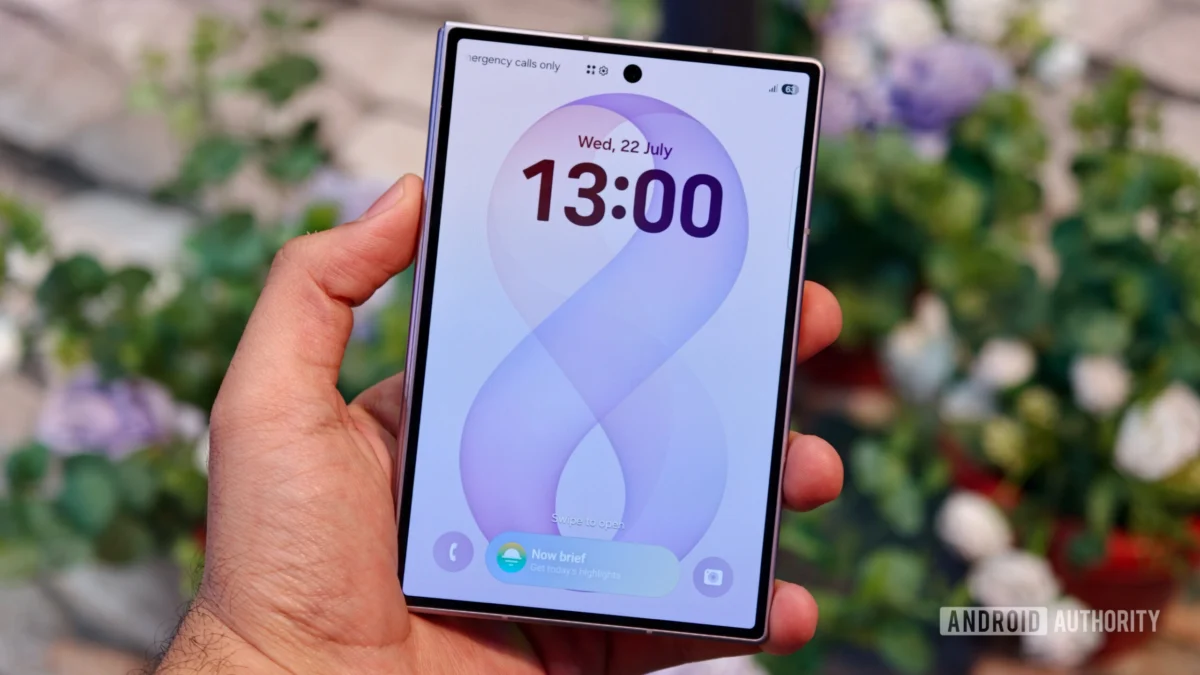
The foldable smartphone landscape has matured into a fiercely contested battleground. As manufacturers continuously refine hinge mechanisms, shave millimeters off chassis thickness, and experiment with novel aspect ratios, consumers find themselves facing an embarrassment of riches. Google’s entry into this high-stakes arena, the Pixel 11 Pro Fold, represents a genuine leap forward in hardware refinement compared to its predecessor. By addressing critical complaints regarding weight and bulk, Google has positioned its newest hardware iteration as a serious contender. Yet, even with these welcome engineering updates, a nearly two-thousand-dollar investment forces discerning buyers to look closely at the underlying compromises.
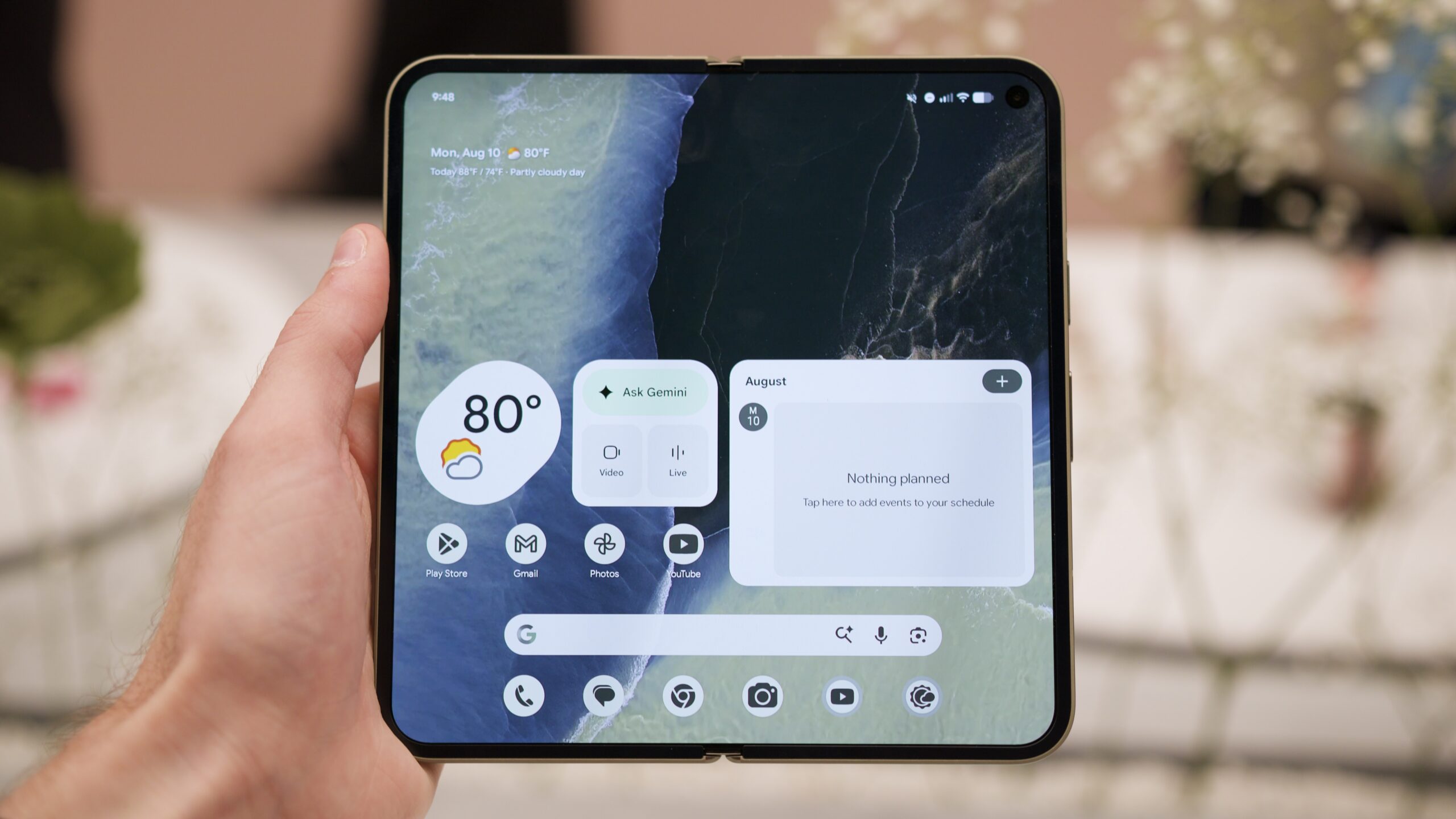
When evaluating devices in this elite tier, hardware choices inevitably involve trade-offs between thermal efficiency, battery capacity, camera versatility, and long-term software support. While Google’s latest foldable boasts an attractive aesthetic and magnetic charging ecosystem improvements, it also forces concessions like a reduced battery size and secondary camera sensors that lag behind industry benchmarks. For those hesitant to commit a significant financial outlay to Google’s ecosystem, the broader market offers several exceptional alternatives tailored to distinct user preferences.
Motorola Razr Fold
For consumers seeking a direct, book-style rival to Google’s hardware philosophy, the Motorola Razr Fold emerges as a formidable challenger. While marginally thicker and heavier on paper than Google’s offering, Motorola leverages its physical footprint brilliantly to house an expansive 8.1-inch internal panel alongside a massive 6,000mAh silicon-carbon battery. This power reserve completely outclasses what is achievable with traditional lithium-ion chemistry within tighter spatial constraints, providing endurance that easily handles heavy multitasking workflows. Furthermore, rapid 80W wired charging and 50W wireless capabilities ensure that downtime is kept to an absolute minimum.
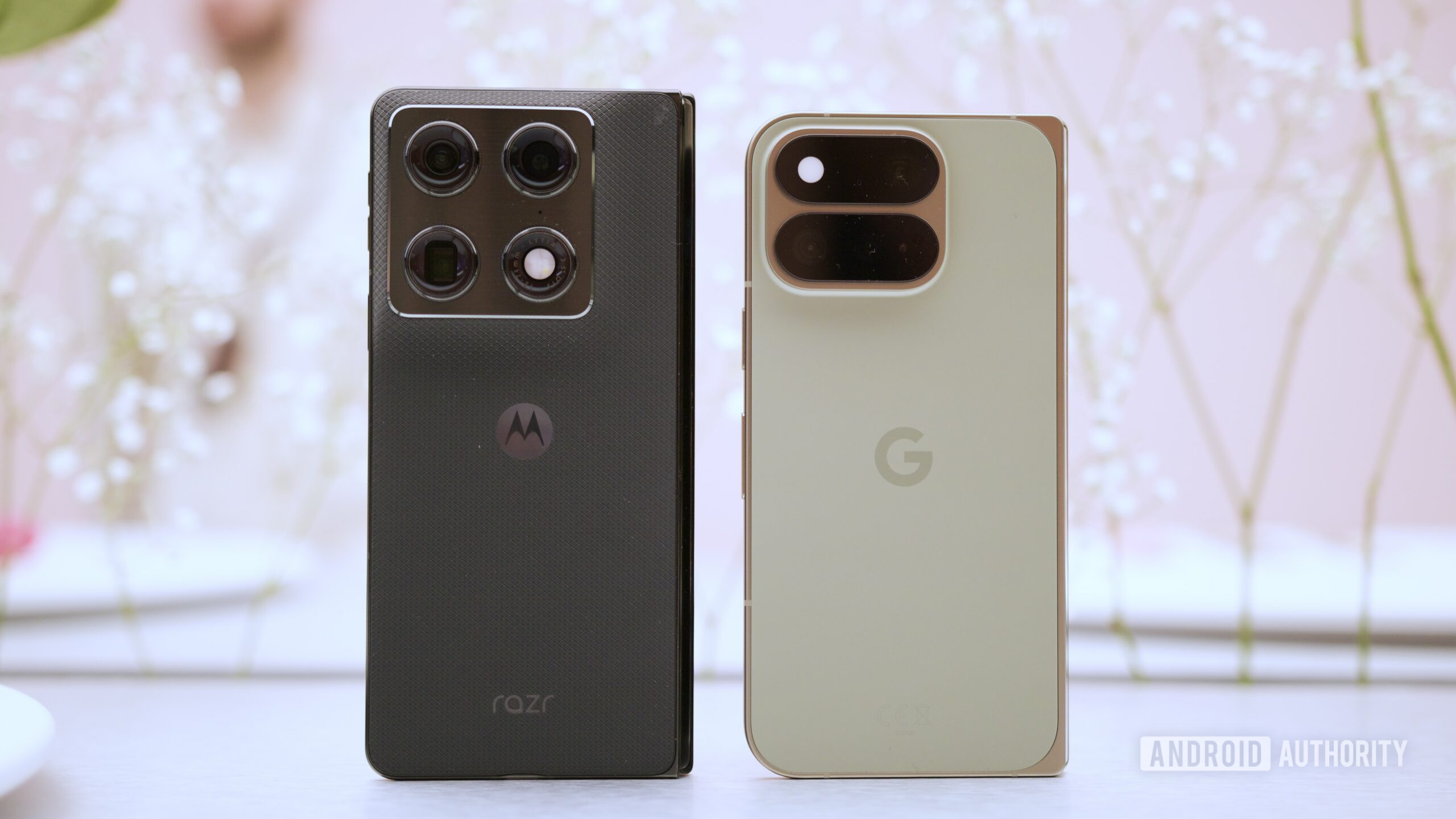
Under the hood, the Qualcomm Snapdragon 8 Gen 5 processor matches or exceeds the processing capabilities of Google’s custom silicon, delivering blistering performance for demanding applications and mobile gaming. Motorola also differentiates its hardware by outfitting the device with a versatile triple 50MP camera array, bypassing the lower-resolution secondary sensors found on competing foldables. While the software update lifecycle trails behind industry leaders at three full OS upgrades, Motorola compensates with robust, highly refined multitasking software that makes the expansive display genuinely useful for productivity.
Samsung Galaxy Z Fold 8
Samsung continues to dictate industry trends by redefining form factors to favor ergonomics and media consumption. The Galaxy Z Fold 8 shifts away from traditional narrow cover screens by adopting a short, wide layout paired with a 4:3 main display aspect ratio. This deliberate design decision drastically minimizes the intrusive black bars typically encountered when streaming widescreen cinematic content, offering a vastly superior viewing experience for videos, legacy television shows, and optimized games.
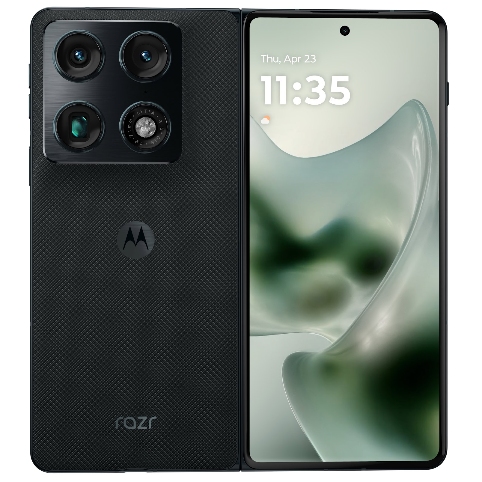
While this wider chassis alters the feel of the cover display, it delivers a lighter, highly portable package driven by the Snapdragon 8 Elite Gen 5 for Galaxy platform. Samsung couples this processing supremacy with advanced AI capabilities and reliable dual 50MP optics. For users prioritizing media immersion and a comfortable, pocketable profile without sacrificing sheer computational horsepower, Samsung’s paradigm shift proves deeply appealing.
Samsung Galaxy Z Fold 8 Ultra Statement Piece
Consumers demanding the absolute pinnacle of engineering without regard for budget will find their ambitions met by the Samsung Galaxy Z Fold 8 Ultra. Serving as the true spiritual successor to previous slim-line flagships, this device achieves a jaw-dropping thickness of just 8.9mm when closed, accompanied by an astonishingly light 215-gram weight that undercuts many conventional candy-bar flagships.

Despite its impossibly slim profile, Samsung manages to integrate a robust 5,000mAh silicon-carbon battery alongside top-tier hardware borrowed directly from the brand’s elite slab phone lineup. Driven by an overclocked Snapdragon processor and featuring a high-resolution 200MP primary camera sensor, the Ultra model delivers uncompromised performance. Although the omission of magnetic wireless charging systems is a concession made in the pursuit of thinness, the overall hardware sophistication redefines expectations for ultra-premium mobile engineering.
Motorola Razr Ultra (2025)
Clamshell foldables present an entirely different value proposition for users who prefer pocket-friendly portability over massive internal tablet displays. While current-generation flip phones command steep premiums or suffer from software limitations on their exterior panels, the previous-generation Motorola Razr Ultra (2025) represents an incredible sweet spot in the current market. Frequently discounted heavily from its original retail price, this device delivers flagship-tier performance via a robust Snapdragon processor while maintaining a sleek, stylish aesthetic.
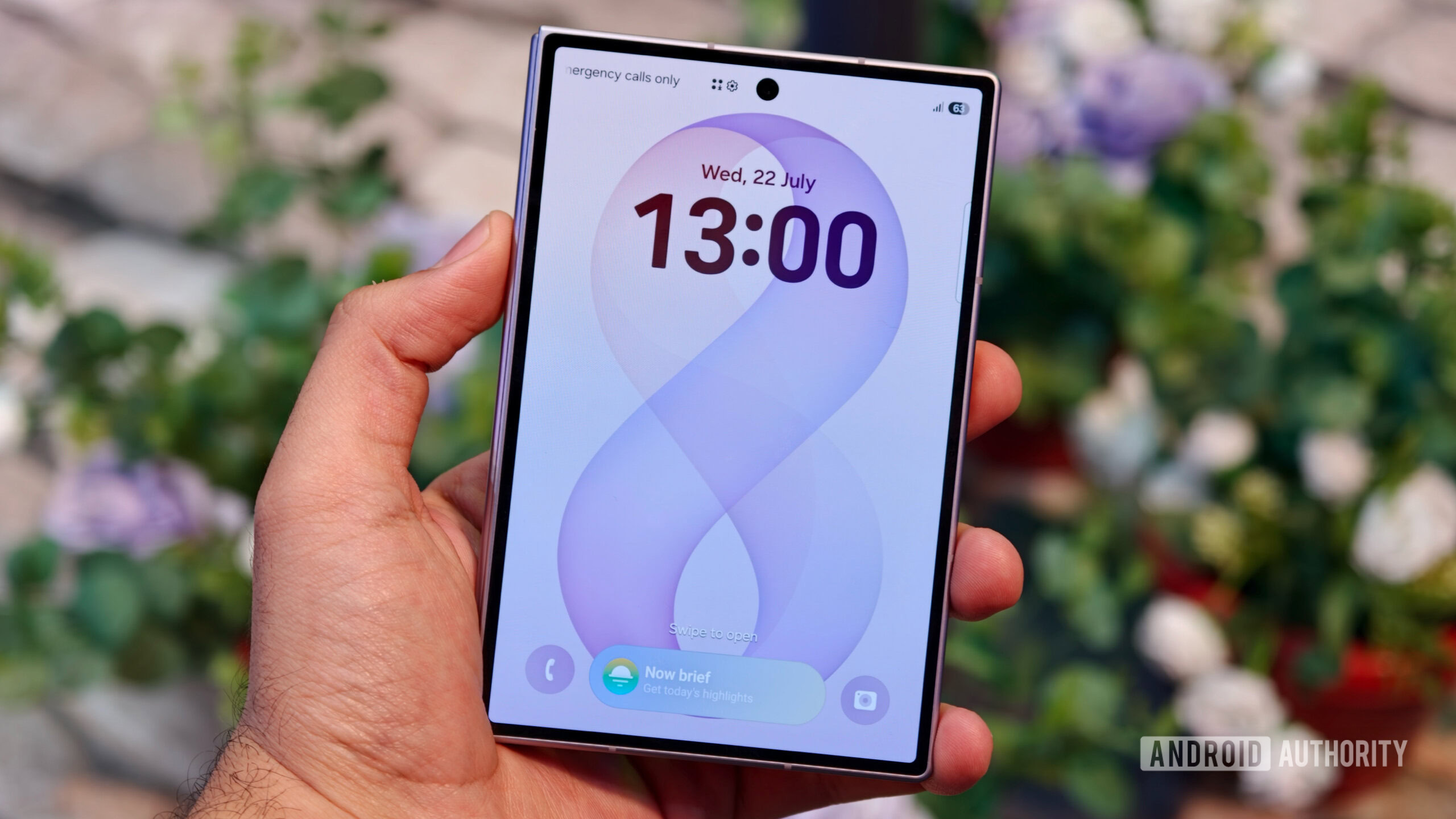
The appeal of opting for a slightly older clamshell model lies in the drastic reduction in financial commitment while retaining core flagship attributes. Users receive a gorgeous 7-inch main display, lightning-fast 68W wired charging, and generous storage tiers that often double what base models offer. While factoring in the progression of its guaranteed software lifecycle requires some caution, the immense cost savings make the compromise exceptionally palatable for budget-conscious tech enthusiasts.
Original Google Pixel Fold
For enthusiasts who appreciate Google’s unique software philosophy and clean interface design but recoil at modern flagship pricing, looking backward reveals a surprising hidden gem. The original Google Pixel Fold, introduced as an exploratory first-generation device, certainly carries its share of architectural growing pains, including a heavier chassis, thicker bezels, and a hinge that occasionally resists opening completely flat.

However, the modern secondary market and steep retail discounts completely alter the economic reality of this device. Running contemporary software smoothly, the original model provides the desirable passport-style wider aspect ratio alongside a functional 7.6-inch internal canvas and capable proprietary camera hardware. For a fraction of the cost of a brand-new contemporary foldable, users can secure an authentic folding experience that performs admirably for daily communication and media consumption, proving that high-end technology doesn’t always demand bleeding-edge release dates.
