

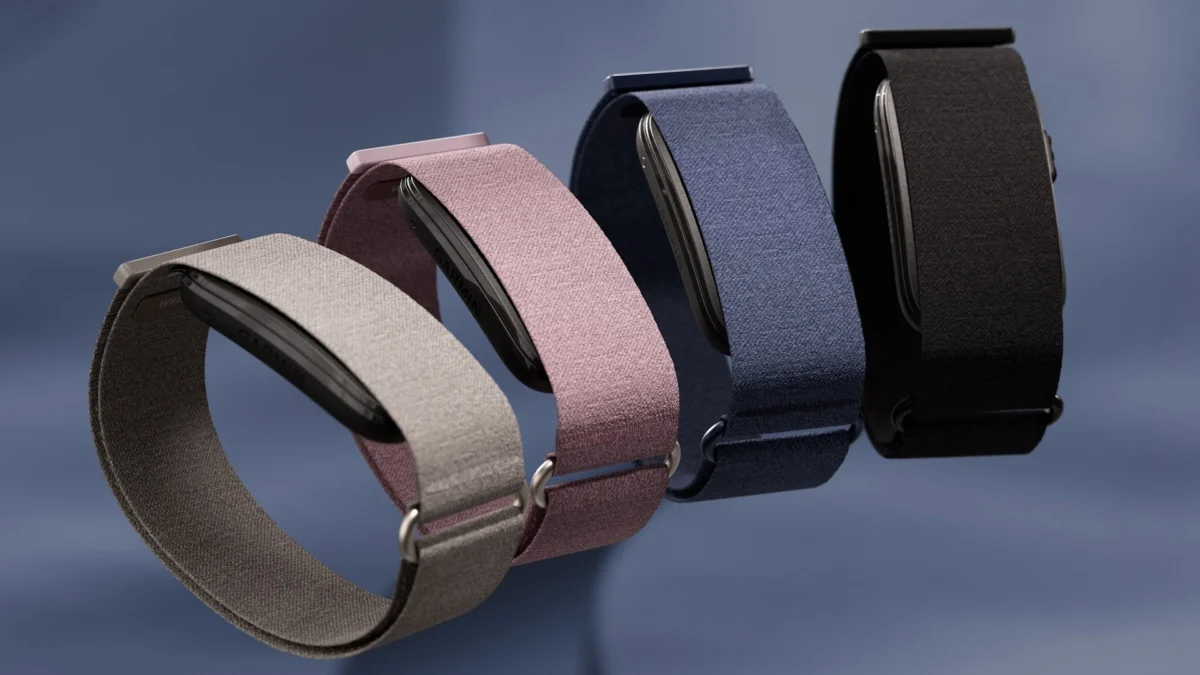
The consumer wearable market operates in a high-stakes ecosystem where hardware excellence can be instantly undermined by software instability. Few companies understand this delicate balancing act better than Garmin, a legacy titan in sports technology that has historically prided itself on rigorous engineering and dependable telemetry. However, the recent commercial rollout of the Garmin CIRQA—conceived as a sleek, lifestyle-oriented smart band designed to capture the mainstream demographic dominated by lightweight trackers—has encountered an unprecedented series of hurdles. Following a contentious debut marred by monetization missteps, the device is now grappling with a widespread software malfunction that has effectively crippled its heart rate broadcasting capabilities over Bluetooth Low Energy (BLE).
For a product engineered to capture casual fitness enthusiasts as well as dedicated multi-sport athletes, seamless interoperability is non-negotiable. The latest firmware patch, designated as version 2.50 and deployed globally in late August, was ostensibly crafted to refine system performance and eliminate minor bugs. Instead, it introduced a persistent connectivity breakdown that prevents users from transmitting real-time biometric metrics to secondary displays, cycle computers, and virtual training environments. As thousands of disgruntled owners flood community support forums and technical help desks, industry analysts are closely monitoring how Garmin responds to this critical software crisis, which threatens to overshadow the hardware’s initial market positioning.
The Trajectory of a Troubled Launch: From Paywalls to Patching
To fully understand the gravity of the current situation, one must evaluate the cumulative trajectory of the CIRQA since its commercial introduction earlier in the summer. When Garmin unveiled the device in July, it was framed as a direct challenge to lightweight, minimalist fitness trackers like the hypothetical class of streamlined health bands popularized across the industry. The hardware itself received largely favorable reviews for its featherweight chassis, impressive battery endurance, and minimalist aesthetic tailored for 24/7 wear.
Yet, the device’s launch was immediately overshadowed by a strategic miscalculation that alienated early adopters. In an unexpected departure from its traditional business model—which historically bundled software features directly into the hardware purchase price—Garmin initially attempted to gatekeep a fundamental metric behind a subscription paywall. The decision to charge recurring fees for continuous live heart rate analytics sparked immediate consumer backlash and fierce criticism from technology reviewers. Recognizing the severity of the public relations disaster, corporate leadership swiftly reversed course, stripping away the paywall and restoring the metric to a standard, subscription-free feature.
While that tactical pivot salvaged the device’s immediate reputation, the goodwill earned has now been severely tested by the firmware version 2.50 deployment. Software updates are typically anticipated as milestones of improvement, designed to iron out edge cases and elevate user experience. In this instance, however, the August 20 patch triggered a systemic malfunction that has directly impacted one of the wearable’s most valued utilities: external biometric broadcasting.
Dissecting the Connectivity Breakdown: What Goes Wrong in Version 2.50
At the heart of the current crisis is the failure of Bluetooth Low Energy data transmission. According to technical assessments compiled by independent gadget analysts and corroborated by a mounting ledger of user trouble tickets, the core issue isolates specifically to BLE protocol stacks within the new firmware. Interestingly, legacy ANT+ communication channels appear to remain stable and unaffected, providing a narrow workaround for a select subset of users who utilize dedicated bicycle computers or older sensor hubs.
For the vast majority of consumers who rely on modern smartphone applications, smart trainers, and cross-platform training environments, the bug manifests as a complete inability to maintain a stable telemetry stream. Heart rate broadcasting is an indispensable function for indoor cyclists, runners, and structured trainers. It transforms a wrist-worn tracker into a remote optical sensor, feeding vital pulse data directly to third-party software and hardware without requiring a chest strap.
The manifestation of the bug varies depending on the ecosystem in use, but the core symptom remains consistent: connection instability and total signal loss. Owners attempting to pair the CIRQA with Garmin’s own Edge series of cycling computers have reported an infuriating connection loop. The device continuously toggles between "Connected" and "Disconnected" states every few seconds, rendering real-time zone monitoring impossible during intense workouts.
Meanwhile, users attempting to interface with popular virtual training platforms—such as Zwift, TrainerRoad, Rouvy, and iOS-based iterations of Strava—find that the wristband fails to register as an available sensor entirely. The same erratic behavior plagues third-party Bluetooth-enabled exercise equipment, including smart stationary bikes and treadmill consoles that rely on standard BLE heart rate service profiles. For athletes accustomed to dropping into an indoor training session with zero friction, the necessity of troubleshooting communication protocols mid-workout has transformed routine exercise into a frustrating technical exercise.
Industry Implications and the Modern Software Dilemma
This incident highlights a broader, systemic vulnerability plaguing the modern consumer electronics industry: the rush to deploy frequent firmware patches without adequate pre-release regression testing. In the contemporary fitness technology landscape, devices are rarely finished products upon initial sale; rather, they are continuously evolving platforms governed by complex codebases. While this agile development model allows brands to rapidly introduce features and address security gaps, it also opens the door for unintended cascading failures.
Garmin has historically enjoyed an enviable reputation for software stability, particularly when compared to consumer tech giants whose wearables double as miniature smartphones. Devices in the Forerunner and Fenix lineages are legendary for their durability and long-term reliability in extreme environments. However, as the company expands its footprint into the lifestyle and casual fitness sector with products like the CIRQA, it must navigate a different set of consumer expectations. Lifestyle buyers demand smartphone-like immediacy and seamless interoperability across diverse operating systems, app ecosystems, and peripheral hardware. When a core feature breaks due to a routine patch, the tolerance for downtime is remarkably low.
Furthermore, this software glitch arrives at a delicate juncture for the wearable segment. Competitors are aggressively courting fitness enthusiasts with tightly integrated ecosystems, advanced biometric sensing, and frictionless synchronization. Any persistent hardware or software flaw can quickly prompt consumers to migrate toward rival brands. The economic stakes are high, and the velocity of consumer discourse on digital forums ensures that localized firmware bugs can rapidly snowball into brand-damaging controversies.
Garmin’s Response and the Road Ahead
As frustration mounted across digital communities, official acknowledgment from the manufacturer materialized through corporate participation on dedicated support threads. A designated Garmin support representative formally addressed the growing ledger of complaints, confirming that the telemetry anomaly has been escalated directly to the internal firmware engineering division. According to corporate communications, diagnostic investigations are actively underway to isolate the precise commit within version 2.50 that disrupted the BLE communication stack.
Regrettably for impacted consumers, the corporate response lacked a definitive timeline for the release of a corrective hotfix. Software debugging, particularly concerning proprietary protocol implementations and cross-platform compatibility with third-party operating systems like iOS and specialized training apps, requires meticulous validation to prevent secondary regressions. Until a new firmware build is compiled, tested, and pushed through Garmin’s deployment pipeline, users are advised to monitor the active support thread for official announcements.
In the interim, workaround strategies remain limited. While switching to ANT+ connections offers a viable bridge for compatible hardware, those tethered exclusively to Bluetooth-dependent mobile devices and virtual training software face a temporary loss of functionality.
The immediate challenge for Garmin transcends the technical task of rewriting a Bluetooth driver. It involves restoring consumer confidence following a launch cycle marked by early missteps and subsequent software instability. How swiftly and transparently the engineering team deploys a permanent resolution will serve as a definitive test of the company’s commitment to customer service and product reliability. For the wearable industry at large, the CIRQA situation stands as a cautionary tale: in the realm of modern fitness technology, hardware perfection is meaningless if software updates break the fundamental utility that users depend on every single day.
