

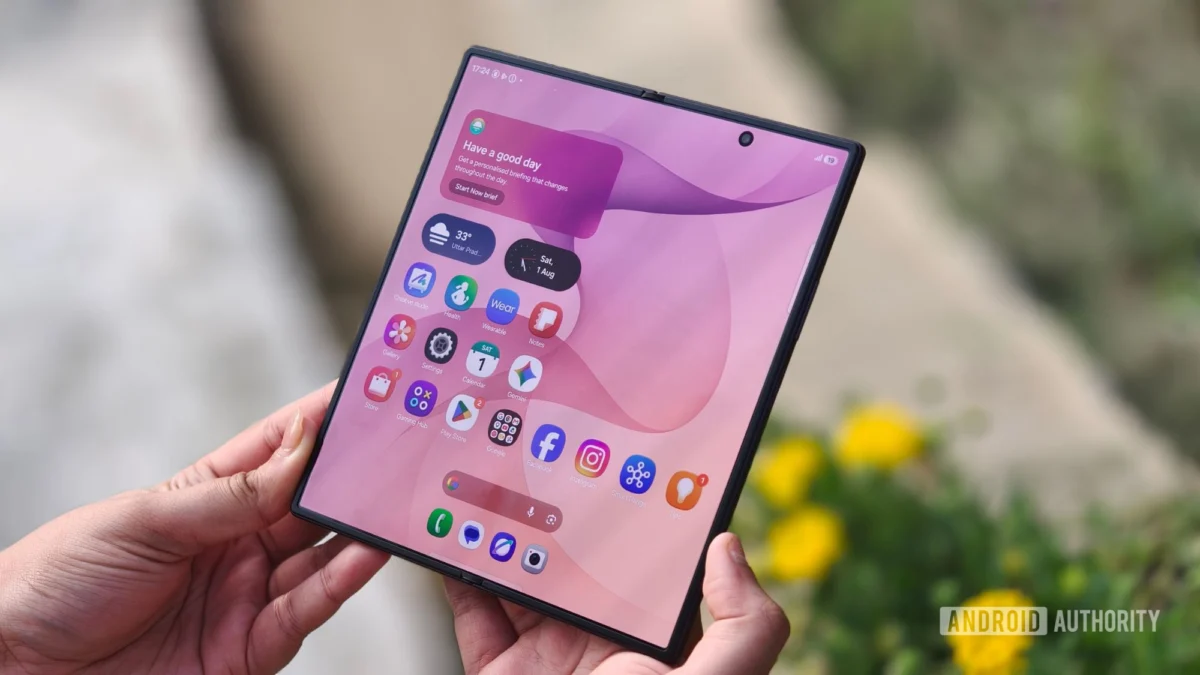
The debut of Samsung’s top-tier foldable hardware always triggers immense anticipation across the consumer technology landscape, but market enthusiasm for the newly launched Galaxy Z Fold 8 Ultra has been slightly tempered by supply chain constraints and heavy global demand. As eager buyers await shipping updates, the device has inevitably entered the spotlight of independent hardware stress-testing. Known for subjecting cutting-edge mobile electronics to extreme physical trials, prominent content creator Zack Nelson—widely recognized online as JerryRigEverything—has published his comprehensive physical assessment of Samsung’s latest folding marvel. The results offer a fascinating look at the engineering compromises required to achieve ultra-slim mobile architectures, highlighting both impressive resilience and unexpected structural vulnerabilities that prospective buyers should carefully consider.
To understand the significance of these stress tests, one must first look at the broader evolution of foldable phone technology. Over the past several generations, original equipment manufacturers have wrestled with a fundamental contradiction: consumers demand devices that are thinner, lighter, and visually indistinguishable from traditional slab-style smartphones when closed, yet folding screens require complex hinge mechanisms, multi-layered protective films, and flexible organic light-emitting diode panels. Samsung’s engineering teams have continually refined their industrial design language, shaving fractions of a millimeter off successive iterations while bolstering battery capacities and integrating high-end camera arrays borrowed from traditional flagship slabs. However, pushing the envelope of physical thinness inevitably alters the structural physics of the device, creating new challenges for stress distribution and impact absorption.
The assessment conducted by Nelson began with the traditional scratch analysis, serving as a baseline metric for material quality. The external cover screen of the Galaxy Z Fold 8 Ultra performed predictably well, holding its own against modern chemical-strengthened glass standards. It resisted permanent scarring up to level 6 on the Mohs scale of mineral hardness, with deeper grooves appearing at level 7. This performance aligns with virtually every standard flagship smartphone currently populating the market, ensuring that everyday hazards like keys, coins, or abrasive dust particles in a pocket will not easily mar the external viewing surface.
Conversely, the inner foldable display maintains the inherent physical limitations of flexible polymer-based substrates. Consistent with previous generations, including the Galaxy Z Fold 7, the primary internal screen showed visible abrasions at level 2 on the Mohs scale, with fingernail pressure capable of leaving temporary or permanent marks. This sensitivity is an unavoidable consequence of using ultra-thin flexible glass paired with protective plastic polymer layers designed to bend repeatedly without fracturing. While this characteristic is well-documented among seasoned foldable device owners, it remains a crucial consideration for users who prefer to navigate their screens using long fingernails or stylus accessories without exercising caution.
Where the evaluation took a startling turn, however, was during the structural integrity phase, specifically the reverse-bend test. While previous models typically absorbed physical flexing and outward stress without catastrophic internal panel failure, the Galaxy Z Fold 8 Ultra demonstrated a distinct vulnerability. When forced in the reverse direction—simulating an extreme, accidental bending scenario—the inner display succumbed to the pressure, rendering the flexible panel entirely non-functional despite the exterior cover screen continuing to operate normally.
This unexpected failure point has sparked intense debate among industry analysts and mobile hardware engineers. The Z Fold 8 Ultra boasts a noticeably reduced chassis thickness compared to its predecessors, a design choice celebrated by marketing teams for improving ergonomics and pocketability. Yet, reducing the overall profile by even a fraction of a millimeter requires tightly packed internal components, narrower structural margins, and altered stress-relief channels near the hinge assembly. It remains a subject of ongoing technical analysis whether the internal screen failure stems directly from this aggressive slimming strategy or from micro-architectural shifts introduced to accommodate larger battery cells and enhanced thermal dissipation plates.
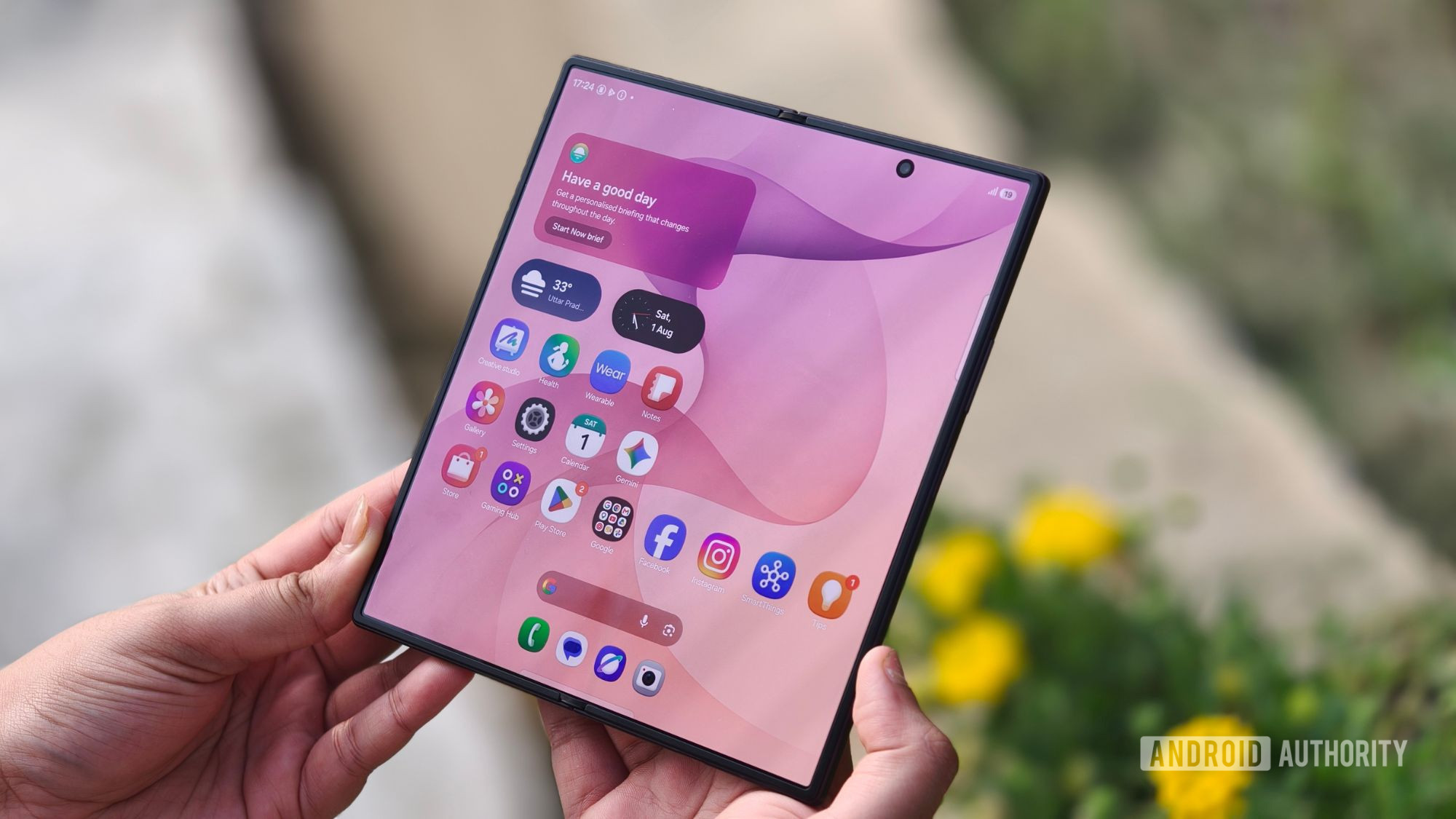
Compounding the gravity of this structural vulnerability is the stark economic reality of post-warranty hardware repair costs. According to data highlighted during the evaluation, replacing the flexible internal display of the Galaxy Z Fold 8 Ultra commands a staggering price tag of $639, representing a major portion of the device’s total retail value. In stark contrast, the exterior cover screen—which proved notably sturdier during the physical trials—carries a much more manageable replacement cost of roughly $149. This vast financial discrepancy underscores the high stakes involved in handling ultra-premium foldable technology, where a single catastrophic drop or extreme bending force can lead to repair expenses that rival the cost of an entirely separate mid-range smartphone.
Despite these sobering findings regarding structural rigidity, the device managed to score important victories in other categories. Most notably, the inner screen successfully withstood particulate intrusion during specialized dust and dirt simulations. This indicates that Samsung has successfully preserved and potentially optimized the advanced dust-resistance engineering introduced in the previous hardware generation, protecting the delicate mechanical hinge and internal cavity from fine debris that historically plagued early-generation folding devices. Maintaining mechanical sealing against dust without compromising the smoothness of the folding action is a formidable engineering achievement that deserves recognition.
It is vital to contextualize extreme durability assessments within the framework of real-world usage patterns. Content creators like Nelson purposefully subject devices to abusive, worst-case scenarios designed to push materials far beyond the thresholds of normal human operation. An everyday consumer will rarely, if ever, apply deliberate, high-leverage bending forces to an open foldable display. Therefore, these theatrical stress tests should not be interpreted as an indictment of the phone’s day-to-day usability. Millions of users carry and rely on foldable smartphones successfully without encountering catastrophic structural failure.
Instead, these rigorous trials serve as an invaluable diagnostic tool for tracking the macro-level evolution of mobile manufacturing. They expose the delicate balancing act that engineers must perform as they race to make devices thinner, lighter, and more powerful. Every reduction in thickness and every integration of advanced components alters the physical DNA of the device, occasionally introducing unforeseen vulnerabilities even as overall refinement improves.
Looking toward the future of the mobile industry, the findings surrounding the Galaxy Z Fold 8 Ultra highlight the urgent need for continuous innovation in materials science. As form factors continue to slim down, manufacturers must invest heavily in shock-dispersing internal frames, more resilient flexible substrates, and clever structural architecture that can absorb high-stress physical trauma without transferring destructive kinetic energy directly to expensive display panels. Until self-healing materials or unbreakable flexible displays become commercially viable at scale, premium foldables will remain luxury items that demand a heightened level of mindfulness from their owners.
Ultimately, the latest flagship foldable from Samsung remains a technological triumph in terms of raw processing power, multitasking capabilities, refined ergonomics, and imaging prowess. The inclusion of advanced artificial intelligence features, upgraded camera hardware, and an expanded battery profile cements its status as a powerhouse productivity tool. However, the rigorous physical evaluations serve as a timely reminder that cutting-edge innovation carries distinct trade-offs. Prospective buyers drawn to the bleeding edge of mobile engineering must weigh the benefits of a remarkably thin, expansive folding display against the stark reality of elevated repair costs and the physical care required to keep such sophisticated hardware safe from harm.
