


The United States Cybersecurity and Infrastructure Security Agency has issued a strict operational directive requiring civilian federal agencies to remediate a severely critical security flaw impacting the Zimbra Collaboration Suite within a compressed 72-hour window. This aggressive enforcement action comes on the heels of intelligence confirming that malicious actors are actively weaponizing the zero-day exploit in the wild, turning a latent architectural flaw into an immediate, high-severity threat vector for organizations globally.
The security deficiency, formally cataloged under the identifier CVE-2026-73570, centers around the Simple Network Management Protocol monitoring apparatus embedded within the widely deployed enterprise email and productivity platform. Developers at Zimbra quietly pushed out a security update addressing the vulnerability in version 10.1.20, which rolled out to administrators in late July. However, the lag time between software patches becoming commercially available and enterprise deployment has left thousands of internet-facing systems dangerously exposed to malicious infiltration.

According to technical threat analyses, the core vulnerability stems from insufficient sanitization of untrusted input processed during routine SNMP notifications. When an organization enables SNMP monitoring features on its target systems, an unauthenticated, remote adversary can transmit meticulously weaponized Simple Mail Transfer Protocol requests. Because the software fails to properly filter the incoming data stream, these malicious payloads can trigger a command injection flaw. The end result is full remote code execution, granting the attacker the ability to run arbitrary operating system commands under the security context of the primary Zimbra user account without requiring any prior authentication credentials.
The urgency surrounding CVE-2026-73570 escalated dramatically after CERT Polska, the Polish Computer Emergency Response Team, issued an independent advisory warning that malicious operators were actively exploiting the vulnerability in real-world campaigns. Following this disclosure, global threat intelligence and internet-scanning organizations began scouring cyberspace for indicators of compromise. Telemetry gathered by security watchdog Shadowserver revealed that more than 12,000 distinct Zimbra Collaboration Suite servers remain directly exposed to the public internet. While determining the exact proportion of these nodes acting as analytical honeypots versus live enterprise infrastructure remains difficult, subsequent scans uncovered more than 270 compromised Zimbra instances exhibiting clear signs of exploitation artifacts.
Recognizing the gravity of the unfolding threat landscape, CISA officially incorporated the flaw into its authoritative Known Exploited Vulnerabilities catalog. The ensuing directive mandated that all Federal Civilian Executive Branch agencies lock down their respective installations before a strict deadline, signaling to the broader global enterprise community that standard patching timelines are no longer sufficient against modern, automated exploitation frameworks.

While federal mandates apply strictly to government agencies, the ripple effects of this discovery extend deeply into the private sector, municipal governments, educational institutions, and multinational corporations. The Zimbra Collaboration Suite underpins the communication infrastructure for hundreds of millions of users worldwide, making it a lucrative and perpetually high-value target for both cybercriminals and state-sponsored espionage units. Enterprise email servers store a treasure trove of sensitive intellectual property, executive communications, and confidential documents, transforming an unpatched edge-device vulnerability into an organizational catastrophe.
Cybersecurity analysts emphasize that email gateways and collaboration suites are prime real estate for advanced persistent threat actors seeking initial access into heavily fortified enterprise networks. Over the past several years, vulnerabilities affecting Zimbra products have repeatedly served as primary entry points for sophisticated intelligence-gathering operations. For instance, security researchers previously exposed campaigns by the Russian military intelligence-linked group APT28, which leveraged a stored cross-site scripting flaw to compromise Ukrainian government email servers. Similarly, western cyber authorities issued joint warnings regarding state-backed campaigns from groups such as APT29, also known as Midnight Blizzard or Cozy Bear, targeting Zimbra architectures to harvest credentials and infiltrate diplomatic communications. Additional campaigns attributed to cyber espionage syndicates like Winter Vivern have similarly targeted webmail portals to intercept correspondence belonging to high-profile individuals and NATO-aligned entities.
The mechanics of CVE-2026-73570 highlight an enduring vulnerability pattern in enterprise software: complex administrative features that are rarely audited by default open wide doors for unexpected compromise. SNMP monitoring and notification subsystems are frequently enabled during initial deployments for performance tracking and network health metrics, yet they often lack the rigorous input validation applied to primary user-facing web applications. When an unauthenticated protocol handler accepts network-level traffic and feeds it into system-level execution contexts, the margin for error shrinks to zero. A single crafted request can pivot an external network connection into a persistent, deeply embedded backdoor.
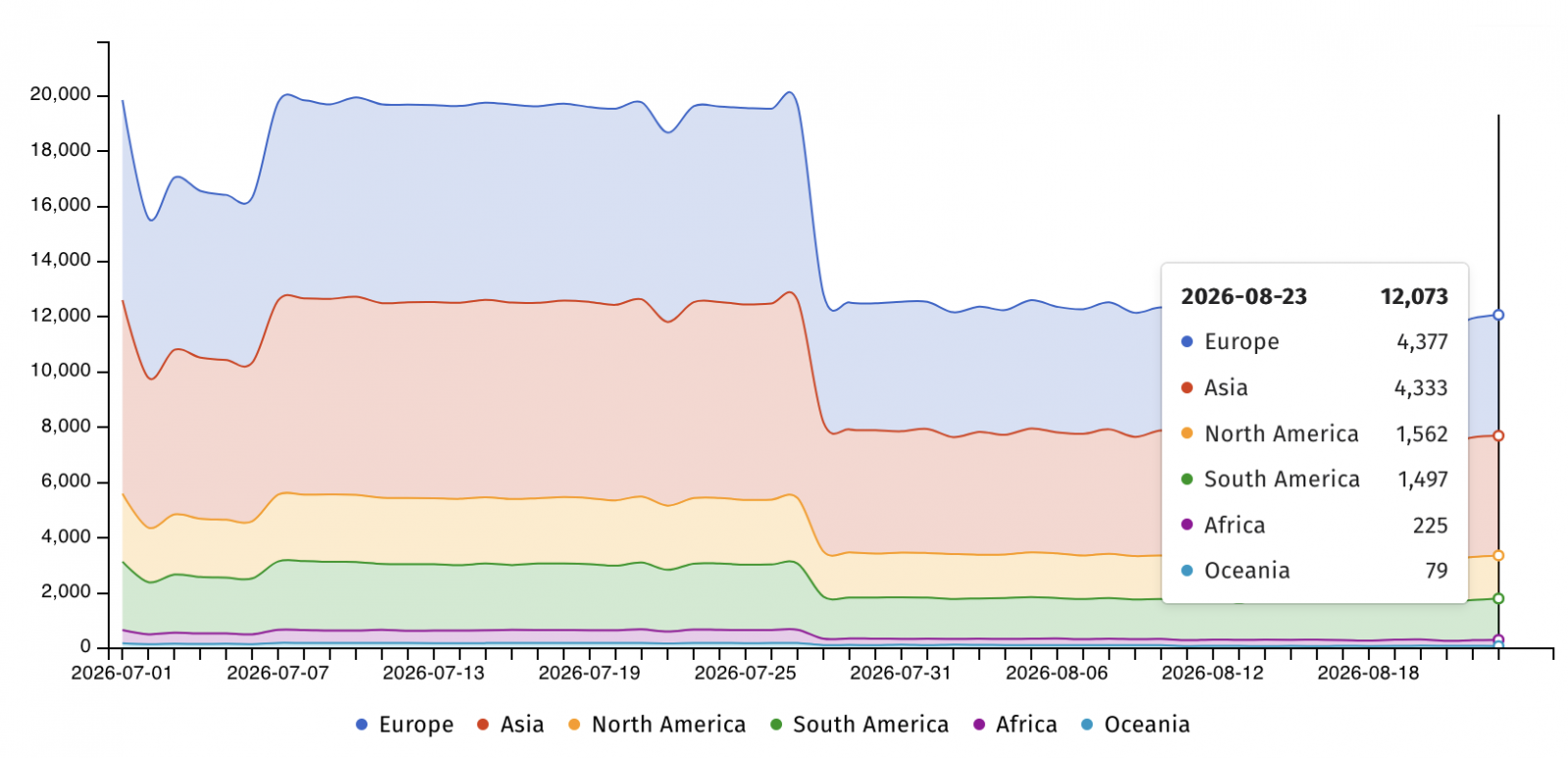
For security operations centers and corporate IT departments scrambling to ascertain their exposure levels, identifying past or ongoing compromises requires deep forensic analysis. Because CISA and intelligence partners have deliberately withheld explicit tactical indicators concerning the active campaigns to prevent copycat attacks, incident responders must rely on tactical defensive playbooks. CERT Polska has urged security teams to comb through system logs for anomalies such as unexpected service restarts of the core Zimbra application stack. Furthermore, administrators are advised to thoroughly inspect sensitive directories—including specific web application folders under Jetty paths as well as temporary system storage locations—for unauthorized files dropped by the primary service user over the preceding thirty days.
The broader implications of this incident point toward a permanent shift in vulnerability management strategies. As threat actors increasingly automate the weaponization of newly disclosed enterprise software flaws within hours of patch release, traditional patching cycles measured in weeks or months are obsolete. The three-day window imposed by federal authorities serves as a stark benchmark for enterprise risk tolerance. Organizations that fail to institutionalize rapid-response patch management for edge-facing productivity software are effectively operating with open doors.
Moving forward, the cybersecurity industry anticipates heightened scrutiny on legacy collaboration platforms that retain complex modular architectures. As cloud migration accelerates, locally hosted enterprise email servers remain uniquely vulnerable points of friction, often lagging behind automated update pipelines found in modern software-as-a-service environments. Until organizations fundamentally rethink their perimeter defense postures and prioritize zero-trust segmentation around internal mail routing and monitoring frameworks, critical vulnerabilities in collaborative software will continue to serve as the preferred pathway for high-impact enterprise breaches.
