

For years, the defining hallmark of Google’s Pixel hardware lineup has been its pristine software environment. Consumers migrating from heavily customized manufacturer interfaces often cited the utter absence of bloatware, pre-installed third-party software, and aggressive promotional alerts as the primary reason for choosing a Pixel. This philosophy positioned Google as a consumer-first hardware provider that respected the sanctity of the user’s notification shade. However, recent developments following the rollout of the latest flagship generation suggest a subtle yet significant shift in corporate strategy. Owners of legacy Pixel devices have reported receiving unsolicited marketing materials directly on their screens, pitching the newest hardware releases. This unexpected intrusion has sparked a wider industry debate about the monetization of first-party hardware interfaces and whether even the most curated Android experiences are ultimately susceptible to commercial pressures.
The encroachment of advertisements into mobile operating systems is hardly a novel phenomenon. Competing original equipment manufacturers, most notably Samsung with its proprietary One UI skin, have long integrated promotional notifications, native app banners, and commercial suggestions into their device ecosystems. While users of those platforms have largely grown accustomed to navigating these commercial touchpoints—often tolerating them in exchange for robust hardware feature sets—Pixel loyalists held an expectation of immunity. Google’s hardware ecosystem prided itself on being fundamentally distinct: devoid of paid-for third-party applications from social media conglomerates or enterprise software vendors, and completely separate from the company’s core web-based advertising engine. When promotional pings for newly announced handsets began materializing on older hardware models, it shattered a long-standing psychological barrier between Google’s advertising empire and its premium consumer hardware division.
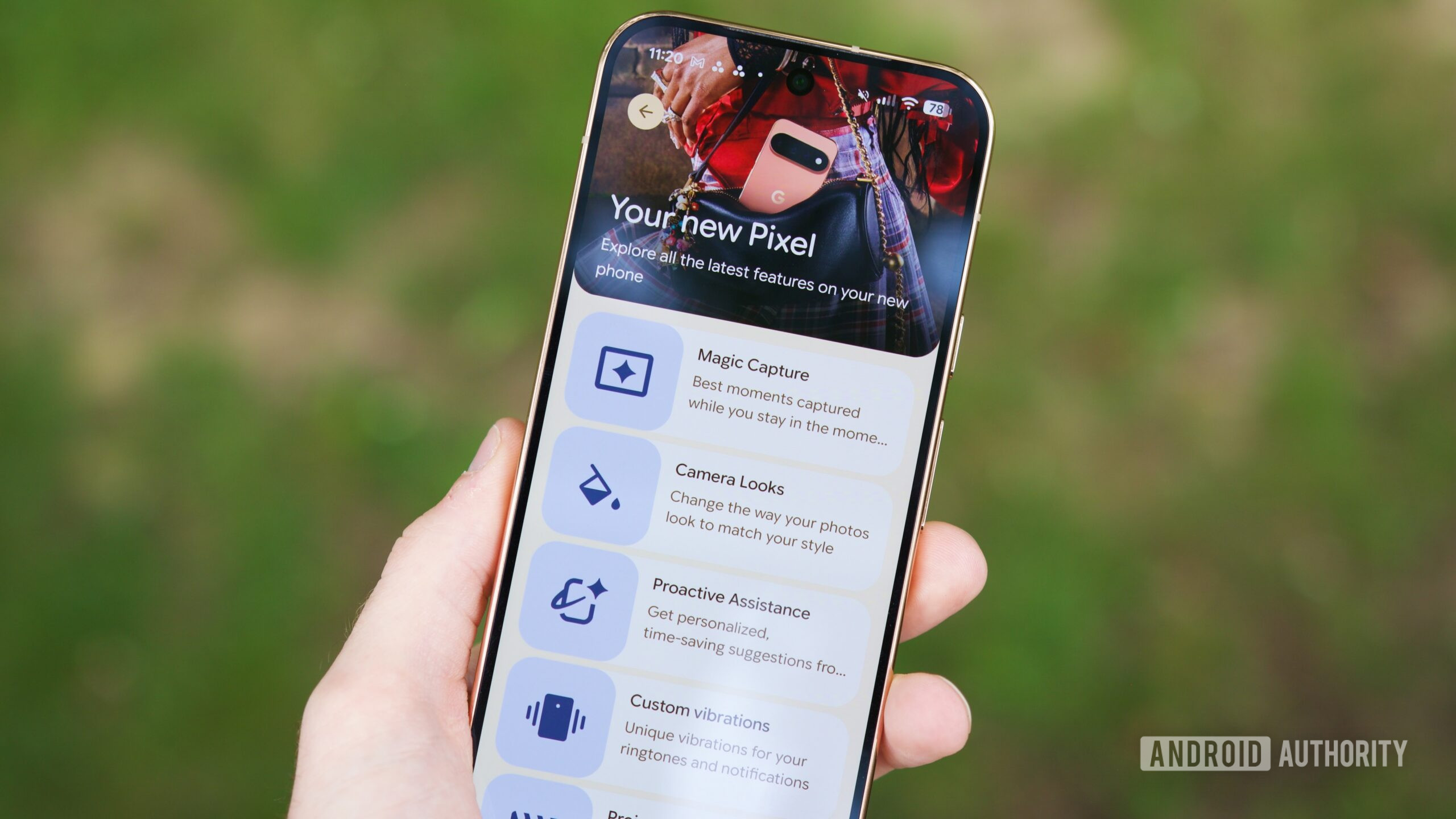
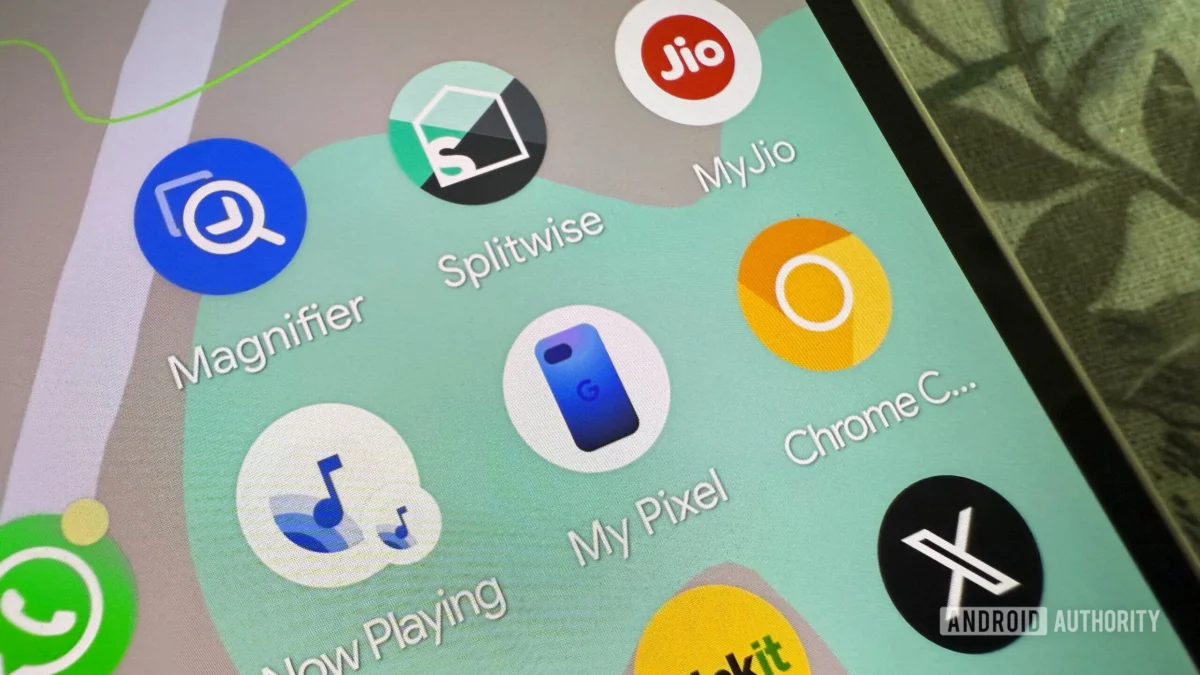
This shift traces its roots back to an operational evolution within a pre-installed utility previously known as Pixel Tips. Historically, this software served as a benign educational tool, designed to onboard new users, offer concise tutorials regarding core operating system functionalities, and deliver essential customer support links. Over time, however, corporate repositioning transformed this utility into the broader "My Pixel" application. Alongside the standard educational guides and software update logs, the revamped interface introduced a dedicated hardware store tab, directly bridging the gap between an individual’s existing pocket computer and Google’s broader retail catalog. While providing a convenient storefront within the device settings is acceptable to many, the introduction of push notifications driving direct hardware sales without explicit user opt-in represents a fundamental crossing of boundaries. Users resetting their devices or configuring clean installations are suddenly finding themselves enrolled by default in promotional channels they never explicitly authorized.
Examining the broader industry implications reveals a complex economic reality facing modern smartphone manufacturers. Hardware profit margins across the mobile sector have experienced continuous compression due to rising component costs, extended consumer upgrade cycles, and fierce global competition. Even industry titans find it increasingly challenging to sustain hardware divisions solely on initial device sales. Consequently, companies are turning toward software-driven monetization models, service subscriptions, and ecosystem lock-in strategies to secure continuous revenue streams. By utilizing native system utilities as direct marketing channels, manufacturers can bypass expensive traditional advertising mediums and communicate instantly with an captive audience. For Google, a company historically built on targeted advertising and data monetization, extending these methodologies into its flagship hardware division may simply represent an inevitable corporate alignment, albeit one that alienates its most loyal consumer base.
Fortunately, the underlying architecture of the Android operating system still provides sophisticated tools for users to reclaim agency over their digital environments. Nearly a decade ago, Google introduced notification channels—subsequently rebranded as notification categories—into the mobile platform framework. This powerful yet frequently overlooked feature grants individuals granular control over precisely which types of alerts an application is permitted to project into the notification shade. Within the My Pixel utility, these categories are meticulously divided into distinct operational buckets: feature highlights and educational tips, account administration and order tracking updates, consumer research surveys, shopping cart reminders, and new product announcements. By leveraging these native controls, users can surgically excise commercial solicitations without sacrificing the functional utility of the software.

To effectively neutralize promotional alerts while retaining essential device updates, users must navigate through the system configuration menus. Accessing the application settings via the system manager or by long-pressing the application icon reveals the application info panel. From there, navigating into the notification preferences unveils the complete hierarchy of notification categories. Disabling the toggle associated with new products, commercial offers, and promotional campaigns immediately halts incoming marketing pings. Meanwhile, users can safely keep categories such as feature walkthroughs and order fulfillment trackers enabled, ensuring they remain informed about post-update system additions and hardware deliveries without being subjected to upselling attempts. This targeted approach prevents the need for drastic measures such as completely disabling or freezing the application, which would otherwise forfeit access to genuine device support and educational tutorials.
Beyond the immediate annoyance of receiving marketing alerts for newer handsets, this architectural shift opens up unsettling questions regarding the future trajectory of smart devices. As artificial intelligence models become deeply integrated into mobile operating systems, the potential for conversational interfaces to subtly inject commercial recommendations grows exponentially. Consider the hypothetical scenario of interacting with an advanced on-device assistant like Gemini: a casual inquiry about fitness tracking or photography could theoretically be manipulated to suggest a specific ecosystem accessory or subscription tier. If system-level utilities are already utilizing push notifications to drive hardware upgrades, it signals a broader corporate willingness to monetize every available pixel of screen real estate.
Ultimately, the emergence of promotional alerts on flagship hardware serves as a cautionary tale about the vulnerability of curated user experiences in an increasingly saturated market. While the immediate issue can be mitigated through careful adjustment of notification categories, the underlying philosophy shift warrants close observation from tech journalists and consumers alike. As technology giants search for continuous revenue streams to satisfy stakeholder demands, the boundaries separating functional utility from commercial advertising will inevitably continue to blur. For now, diligent users retain the technical means to maintain a clean, ad-free environment on their personal devices. Whether those safeguards will remain robust in the face of deeper monetization efforts remains one of the most critical questions facing the mobile ecosystem in the years ahead.
