


In an era where the smartphone industry seems perpetually locked in a cycle of inflating price tags and marginal hardware gains, the consumer is often left at a crossroads. As we navigate through 2026, the prospect of purchasing a "flagship" device often requires a four-digit commitment, a reality that has pushed many potential buyers toward the secondary market. However, not all older hardware is created equal. While many devices from two or three years ago are beginning to show their age through battery degradation or software obsolescence, the Google Pixel 8 Pro stands as a defiant outlier. After spending an intensive week testing this device in the current ecosystem, it is clear that the Pixel 8 Pro has aged with remarkable grace, positioning itself as perhaps the most compelling value proposition currently available on the refurbished market.
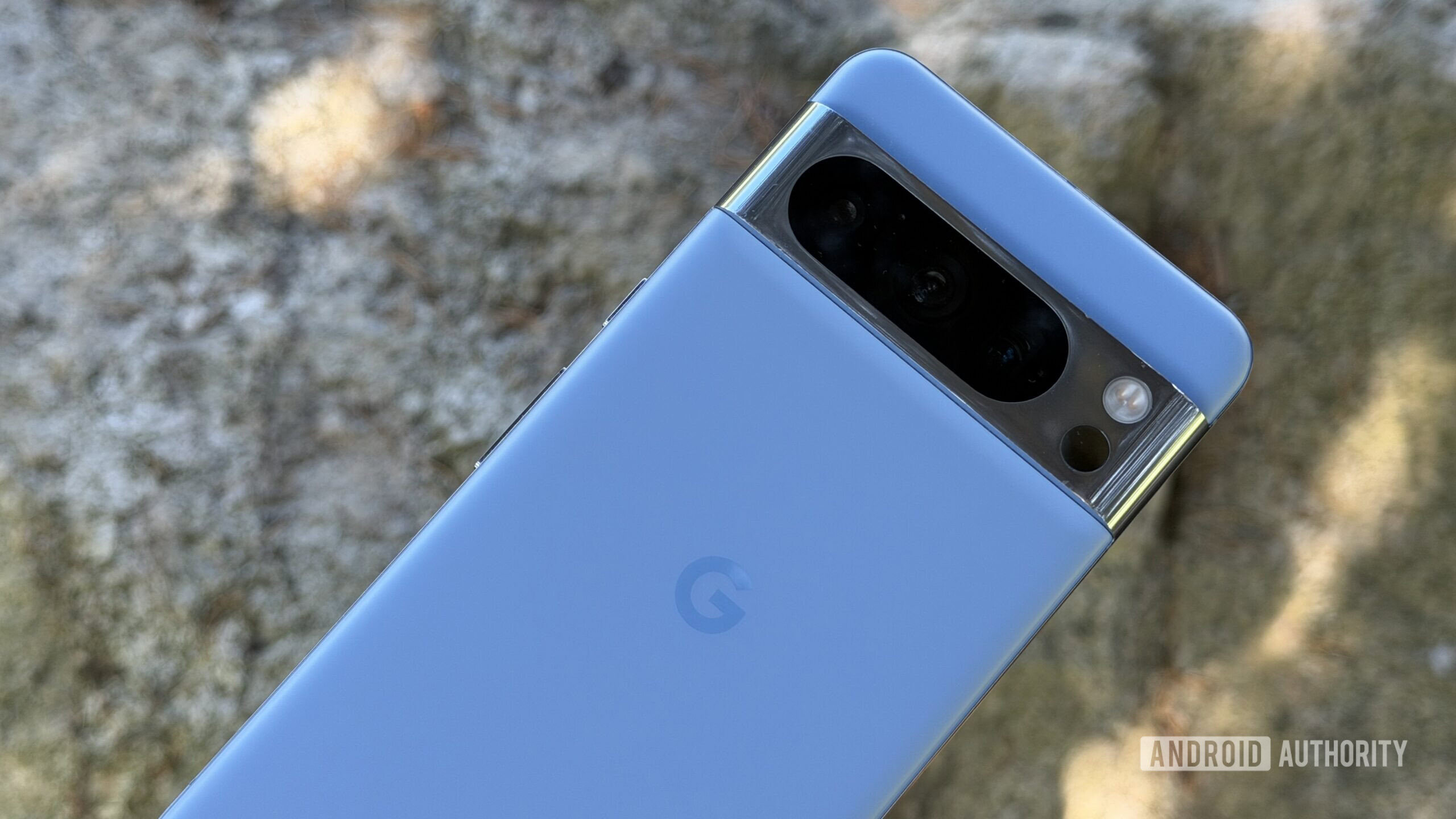
The narrative surrounding smartphone longevity has long been dominated by the idea that hardware eventually hits a "useability cliff." Manufacturers have historically encouraged this through aggressive marketing and the slow withdrawal of software support. Yet, the Pixel 8 Pro defies this trajectory. When you handle the device today, the tactile experience is indistinguishable from many modern mid-range offerings. The combination of Gorilla Glass Victus 2 and a robust, polished aluminum chassis remains inherently premium, providing a structural integrity that budget phones—even those released this year—often struggle to replicate. At the current price point of approximately $330, the build quality alone makes the device a standout, offering an IP68-rated aesthetic that feels substantial, durable, and sophisticated.
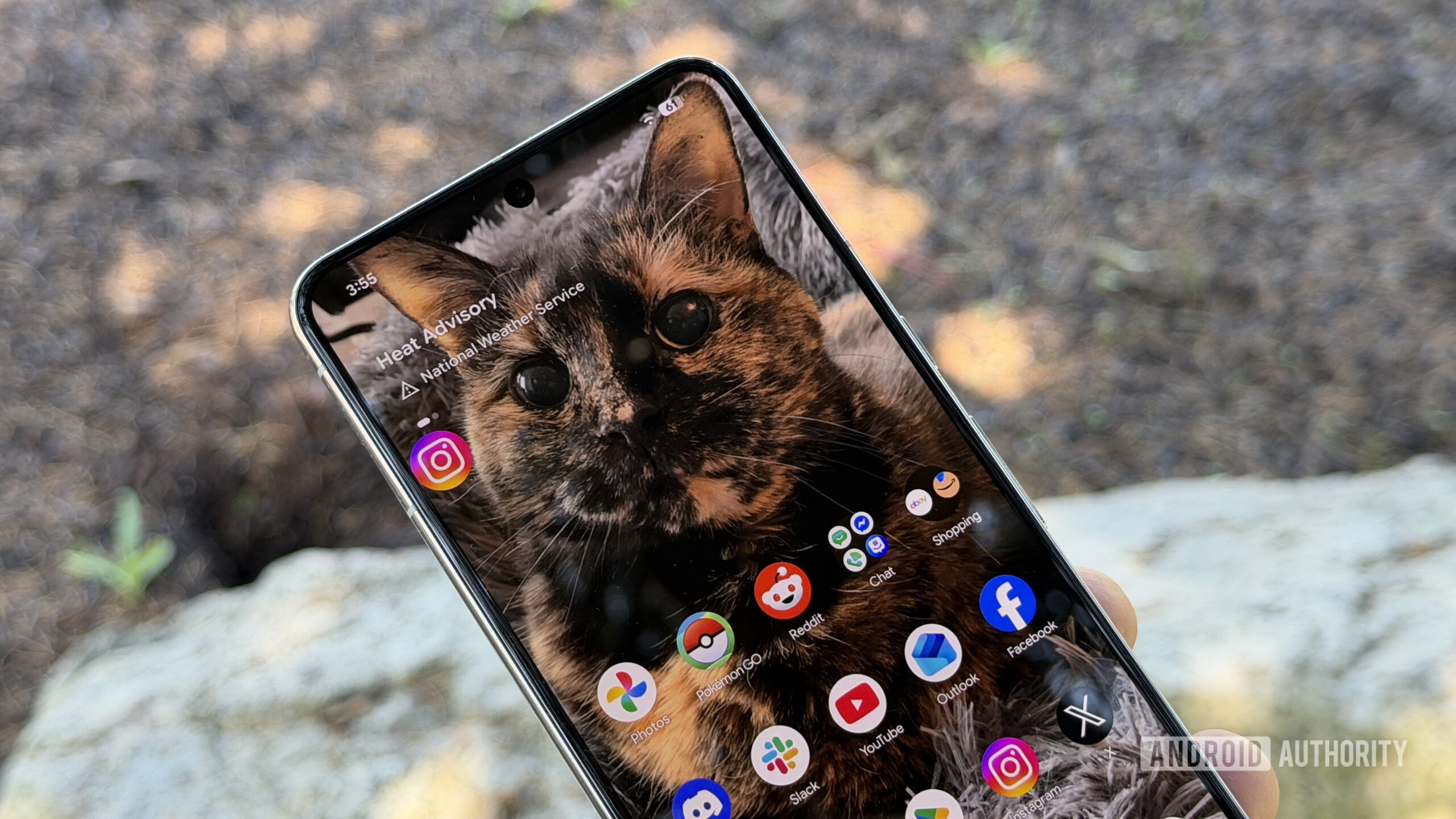
Beyond the chassis, the display technology remains the primary argument for choosing this over a newer, cheaper device. Google’s implementation of the Super Actua panel was a high-water mark for the series, and it continues to be one of the most vibrant, color-accurate, and bright displays on the market. In a segment where mid-range competitors are still often compromising with 1080p resolution and mediocre peak brightness, the Pixel 8 Pro’s QHD resolution remains a visual treat. Whether you are scrolling through high-fidelity social media feeds or consuming HDR content, the visual fidelity provided by this panel far exceeds the expectations for a phone in the $300 price bracket.
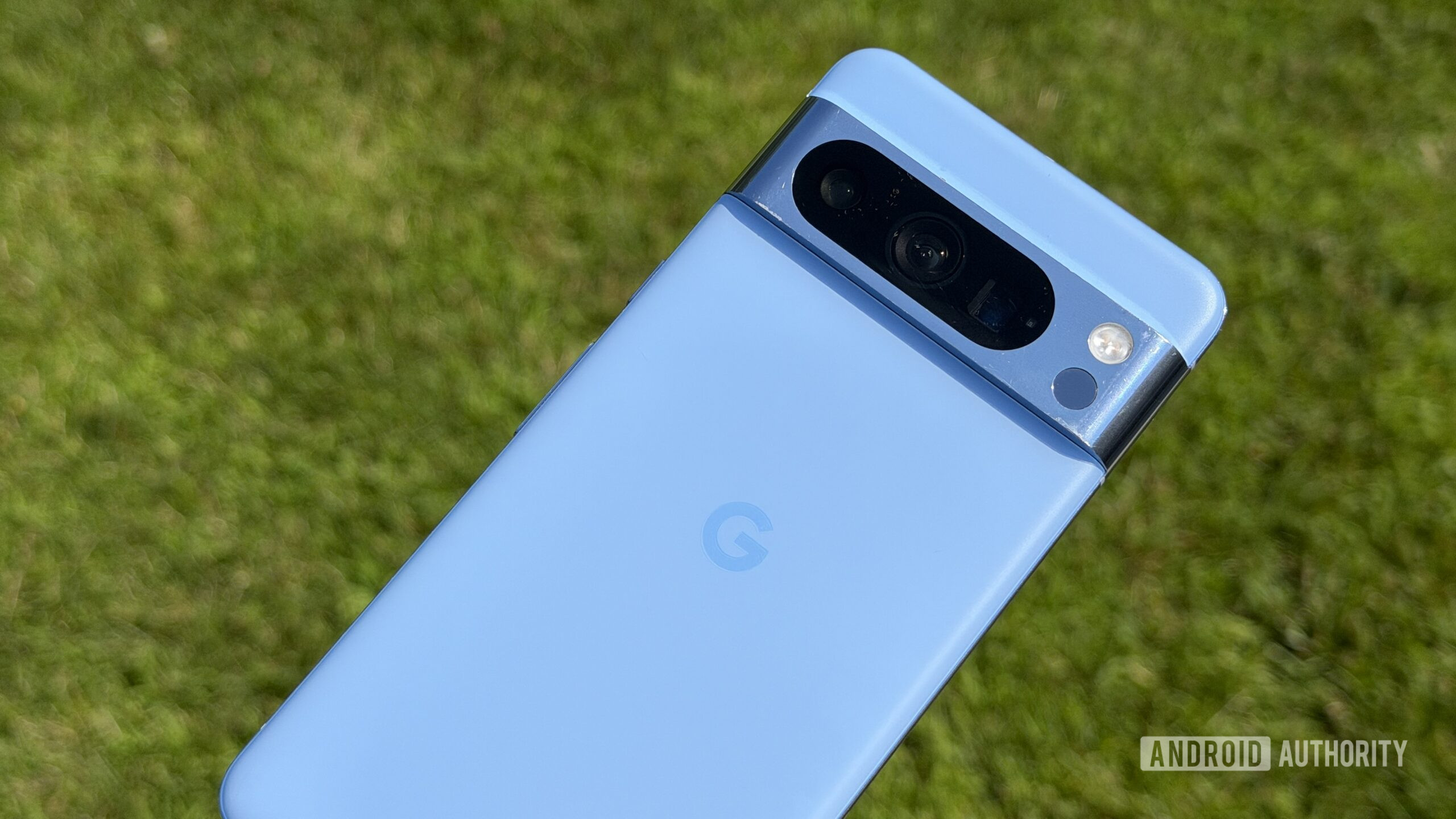
Perhaps the most scrutinized component of the Pixel 8 Pro is the Tensor G3 chipset. It is important to contextualize this processor not as a failed experiment, but as a transitional piece of technology that paved the way for current AI-integrated silicon. During my week of testing, the G3 proved more than capable of handling contemporary workloads. When paired with 12GB of RAM, the device maintains a fluidity that defies its age. While power users seeking the absolute ceiling of mobile gaming performance might look elsewhere, the average consumer will find that the G3 handles daily multitasking, navigation, and media consumption with zero friction. The real victory here is the software longevity. Because Google has committed to an industry-leading update policy, the Pixel 8 Pro is not a "legacy" device in any meaningful sense. With several years of Android OS upgrades and critical security patches still on the horizon, it offers a level of future-proofing that many new, lower-tier smartphones simply cannot match. Running the latest version of Android, the device feels snappy and current, particularly with modern features like app bubbles and advanced multitasking tools, which have matured into a seamless experience.
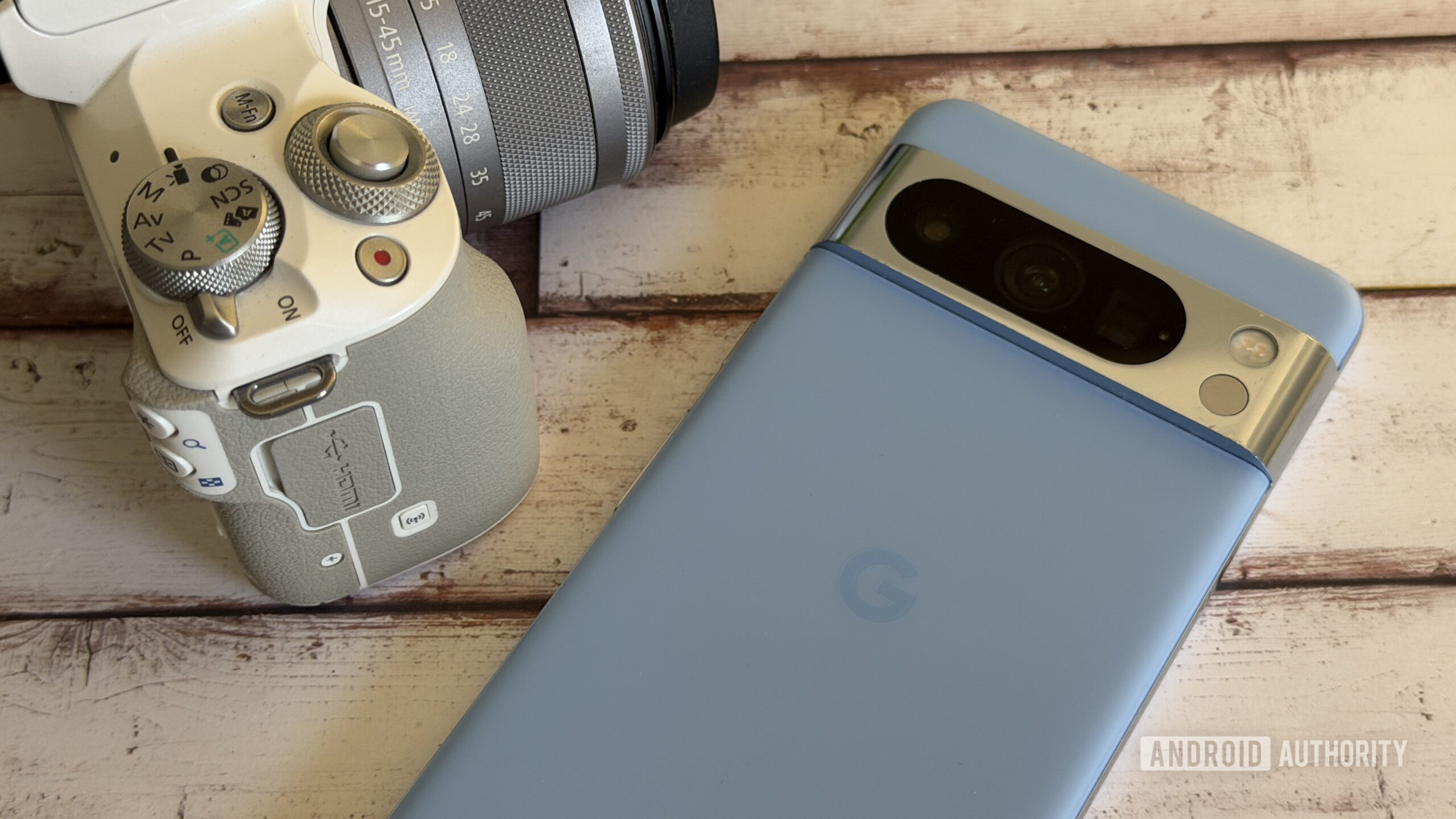
The camera system, arguably the device’s greatest legacy, continues to outclass contemporary mid-range rivals. Computational photography is the great equalizer, and Google’s software stack remains the gold standard. The triple-camera array, headlined by the versatile 5x telephoto lens, provides a level of photographic flexibility that is missing from most phones under $500. During my testing, the Night Sight capabilities proved to be the most stark differentiator. While budget phones often produce muddy, noisy images in low-light environments, the Pixel 8 Pro manages to retain color accuracy, sharpness, and dynamic range that feel genuinely professional. For those who prioritize photography but are unwilling to pay the "flagship tax," this device offers a level of consistency that is effectively unmatched.
From an industry perspective, the success of the Pixel 8 Pro as a secondary-market staple highlights a broader shift in consumer behavior. We are seeing a "plateau effect" where the year-over-year improvements in smartphone hardware are becoming increasingly incremental. When a three-year-old phone can perform 95% of the tasks of a 2026 flagship for a fraction of the cost, the incentive to upgrade annually evaporates. This trend puts immense pressure on manufacturers to justify their high-end pricing through more than just minor spec bumps. The Pixel 8 Pro serves as a benchmark for this reality—it is a device that has already reached the point of diminishing returns in terms of user experience.
There is also an undeniable environmental and economic argument for this approach. The circular economy of mobile technology is gaining traction, and devices like the Pixel 8 Pro prove that "renewed" does not have to mean "compromised." By opting for a high-end device from a few years ago rather than a brand-new budget handset, consumers are not only saving money but also receiving a superior, more durable piece of technology. The market is slowly realizing that a high-quality flagship from yesterday often provides a better experience than a budget-focused device from today.
However, the choice is not without its nuances. For those who prioritize the absolute latest in generative AI hardware-level acceleration or the newest ultra-high-end modem efficiencies, there are still reasons to invest in the newest iterations from companies like Samsung or Apple. The Galaxy S24 Ultra, for instance, remains a formidable machine with a refined feature set that continues to lead the industry. But this leads to a critical question of value: is the marginal gain in performance and the latest AI features worth an additional $200 to $500? For the vast majority of the population, the answer is a resounding "no."
Ultimately, the Pixel 8 Pro is a testament to the fact that great hardware—when supported by excellent software and a refined user interface—does not have an expiration date. It is a device that balances the aesthetic, the functional, and the economical in a way that very few smartphones manage to achieve. As we look at the landscape of the current mobile market, it is clear that we are entering a phase where the "best" phone isn’t necessarily the one released this month, but the one that offers the most meaningful utility per dollar spent. At its current price point, the Pixel 8 Pro is not just a bargain; it is a masterclass in how a well-engineered flagship can remain relevant and competitive long after the marketing cycle has moved on to the next shiny object. If you are looking to maximize your budget without sacrificing the "premium" feeling of a top-tier smartphone, there is currently no better place to direct your attention.
