

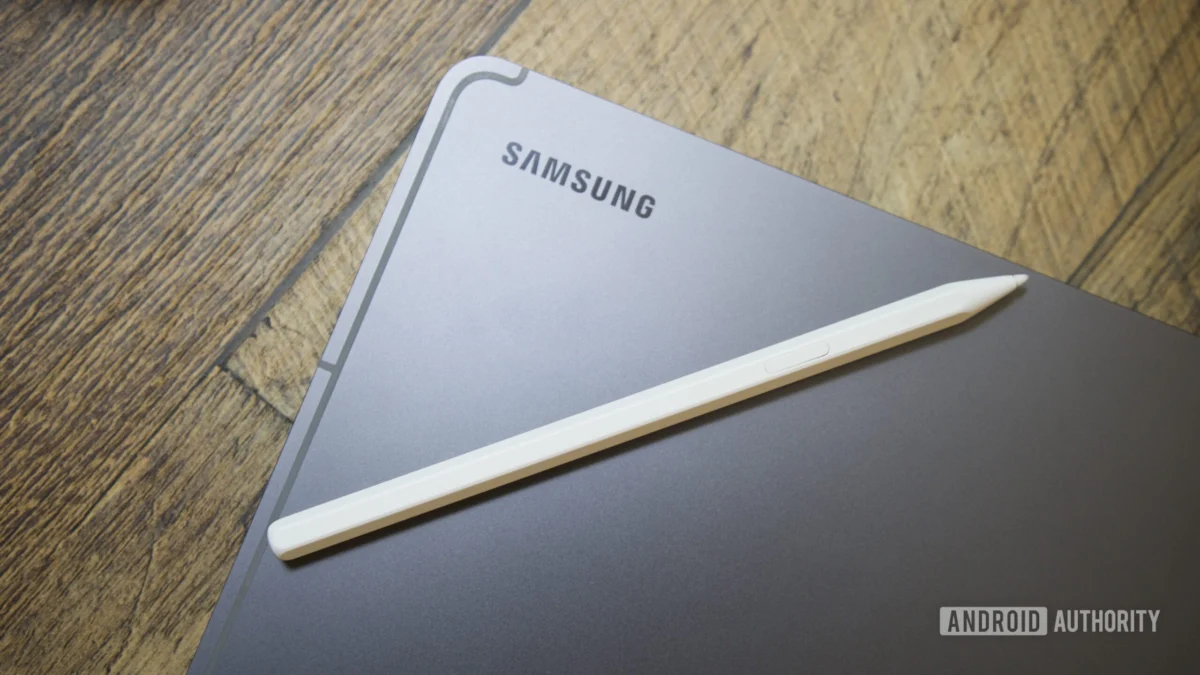
As the global tech community turns its eyes toward the upcoming Galaxy Unpacked event—where the latest iterations of Samsung’s foldable devices and wearable ecosystem are expected to take center stage—the company’s internal product pipeline is already showing signs of further expansion. While the immediate excitement surrounds the imminent debut of the Galaxy Fold and Flip series, fresh technical indicators suggest that the next wave of hardware, specifically the Galaxy S26 FE and the Galaxy Tab S12 series, is already being integrated into the company’s backend infrastructure.
The discovery of these devices within internal configuration files—specifically those governing promotional offers for Google’s premium AI services—serves as a reliable bellwether for upcoming hardware releases. By identifying these model names in the code, we gain a rare glimpse into the preliminary stages of the software-hardware integration phase that typically precedes a public launch by several months.
The Significance of Backend Traces
In the world of mobile technology journalism, tracking "paper trails" is essential to mapping a manufacturer’s roadmap. While regulatory bodies like the FCC or battery certification boards provide official, legally mandated documentation of a product’s existence, internal service lists—such as those used by Google to manage incentive programs for its AI features—often provide a more nuanced look at the pre-launch environment.
When a device appears in a list of products eligible for a complimentary trial of a paid AI account, it signifies more than just a passing reference. It confirms that the manufacturer is coordinating with software partners to ensure that the user experience—specifically the marketing and onboarding flows—is fully functional before the devices reach consumer hands. The inclusion of the "S26 FE" and "Tab S12" in these configurations underscores that Samsung’s software engineering teams have already begun the necessary backend mapping to ensure these products are treated as high-priority, AI-ready hardware from day one.
The Strategic Positioning of the S26 FE
The "Fan Edition" (FE) series has evolved into a cornerstone of Samsung’s mobile strategy. By offering a refined set of features—often derived from the flagship S-series—at a more accessible price point, Samsung manages to capture the mid-to-high-tier market segment. The Galaxy S26 FE is expected to follow this successful blueprint, likely leveraging a cost-optimized version of the flagship processor while maintaining the core display and camera capabilities that define the brand.
Industry analysts observe that the FE series is vital for maintaining market share during the latter half of the year. By positioning this device as a "back-to-school" or pre-holiday season option, Samsung creates a secondary wave of sales that sustains momentum after the initial excitement of the primary flagship launch has cooled. The early appearance of this device in internal code strongly suggests that the company is aiming for an aggressive rollout, potentially aligning with the release cycle that saw its predecessors arrive in the third quarter.
Tablet Innovation: The Tab S12 Series
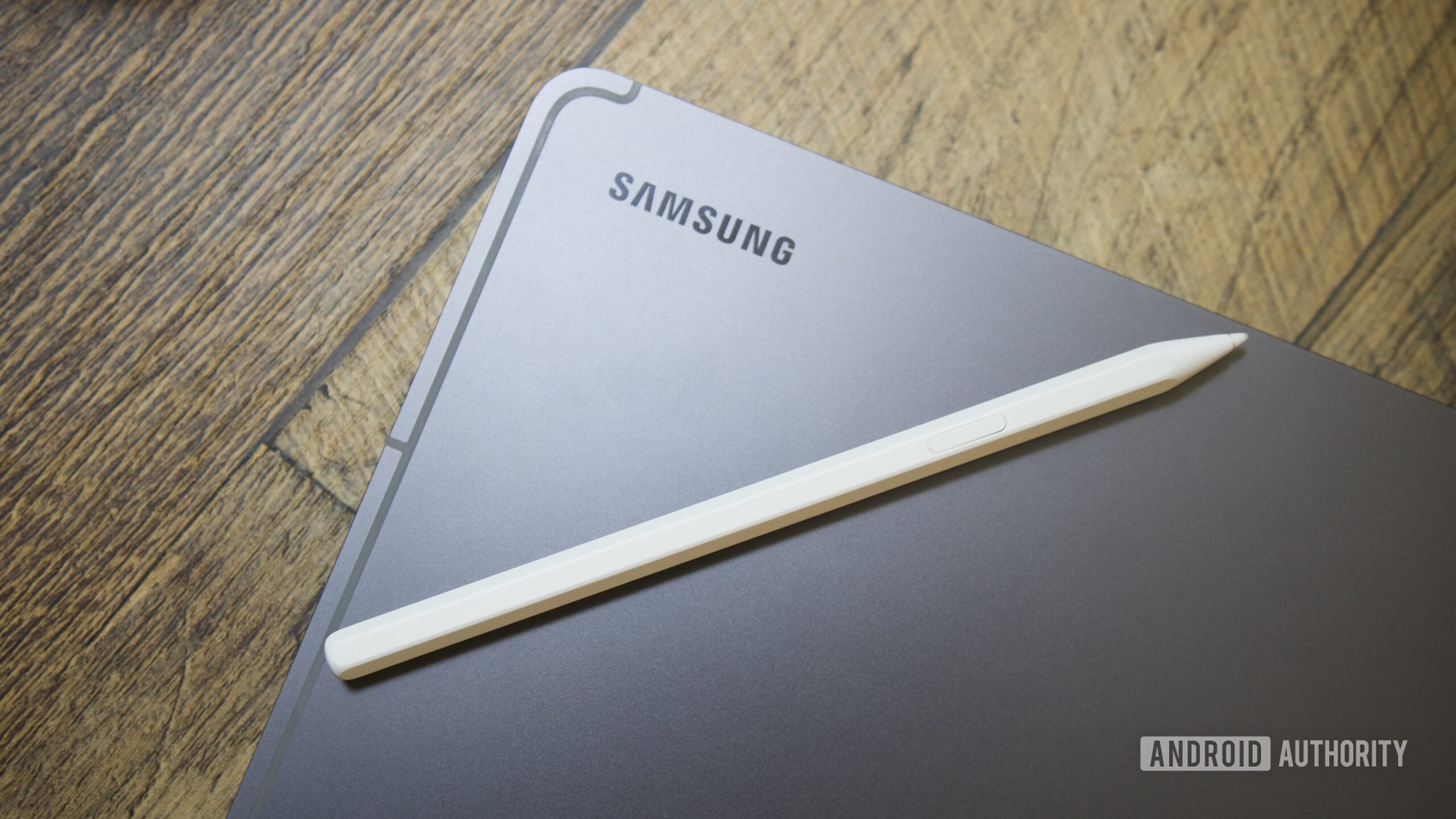
Parallel to the smartphone segment, the tablet market continues to be a battleground for productivity-focused hardware. The Galaxy Tab S12 represents a significant milestone for Samsung, as it continues to refine the tablet-as-a-computer narrative. With the industry shifting toward AI-enhanced multitasking and heavy-duty creative workflows, the Tab S12 will likely lean heavily into software-hardware synergy, utilizing its stylus capabilities and high-refresh-rate displays to compete directly against premium offerings from Apple and Microsoft.
The Tab S12 is not merely a spec bump; it is an opportunity for Samsung to further integrate its ecosystem. As the company pushes for deeper connectivity between its phones, tablets, and Windows-based laptops, the S12 will likely serve as the primary hub for this cross-device experience. Seeing it listed alongside the next-gen smartphone confirms that Samsung views the tablet as a critical pillar of its AI-first hardware strategy.
Expert Analysis: The AI Integration Factor
The fact that both devices were identified within the context of a Google AI promotional trial is telling. In 2026, the value proposition of a new device is no longer solely defined by its raw processing power or camera aperture; it is defined by its ability to run sophisticated on-device and cloud-based AI models. By bundling these AI trials, Samsung is signaling that both the S26 FE and the Tab S12 are designed to handle the heavy computational demands of modern generative AI features.
This strategic pivot toward AI-integrated hardware is a long-term play. By ensuring that lower-cost devices like the FE series are fully compatible with their flagship AI counterparts, Samsung is democratizing access to these advanced tools. This creates a "halo effect" where the brand’s software ecosystem becomes the primary reason for customer retention, regardless of which hardware tier the user selects.
Predicting the Timeline
While the official launch dates remain locked behind corporate NDAs, the discovery of these entries provides a logical framework for predicting a release window. Historically, Samsung has utilized the period between late August and late September to finalize the rollout of its non-foldable flagship counterparts and high-end tablets.
The appearance of the Fold 8 and Flip 8 in these same lists a week prior to their imminent debut suggests a very tight window between the initial backend appearance and the product announcement. If the S26 FE and Tab S12 follow a similar trajectory, we might see these devices arrive earlier than the typical September slot. While it would be premature to suggest a definitive August launch for these secondary devices, the rapid integration into service-provider databases indicates that the internal development cycle is running efficiently.
Future Implications for the Mobile Market
The broader implication of this early visibility is that the market is becoming increasingly transparent. As manufacturers rely more on cloud-based service integration for their devices, the "digital footprint" left behind in software configurations becomes almost impossible to hide. For consumers, this means the wait time between the first leaks and the actual product availability is shrinking.
Moreover, this trend highlights the consolidation of the mobile industry. By aligning the development cycles of tablets, smartphones, and wearable services, companies like Samsung are ensuring a unified, seamless user experience that is harder for competitors to replicate. The Galaxy S26 FE and the Tab S12 are not just individual products; they are components of a larger, interconnected strategy that will dictate the competitive landscape for the remainder of the year and into the next.
As we await official word from Samsung, the evidence is clear: the company is not resting on its laurels. The engineering and marketing departments are already in full swing, ensuring that as soon as the current excitement around the upcoming Unpacked event subsides, the next chapter of the Galaxy brand is ready to be written. Whether these devices arrive in late summer or early autumn, the groundwork for their market dominance has already been laid in the quiet, hidden lines of code that connect the devices to the future of mobile AI.
For now, the industry must remain patient. As with any early-stage leak, these configurations are subject to change, and features that appear in preliminary code may be refined or adjusted before the final manufacturing run. However, the presence of these models confirms one thing: the road to the next generation of Samsung hardware is already open, and the journey is gathering speed.
