

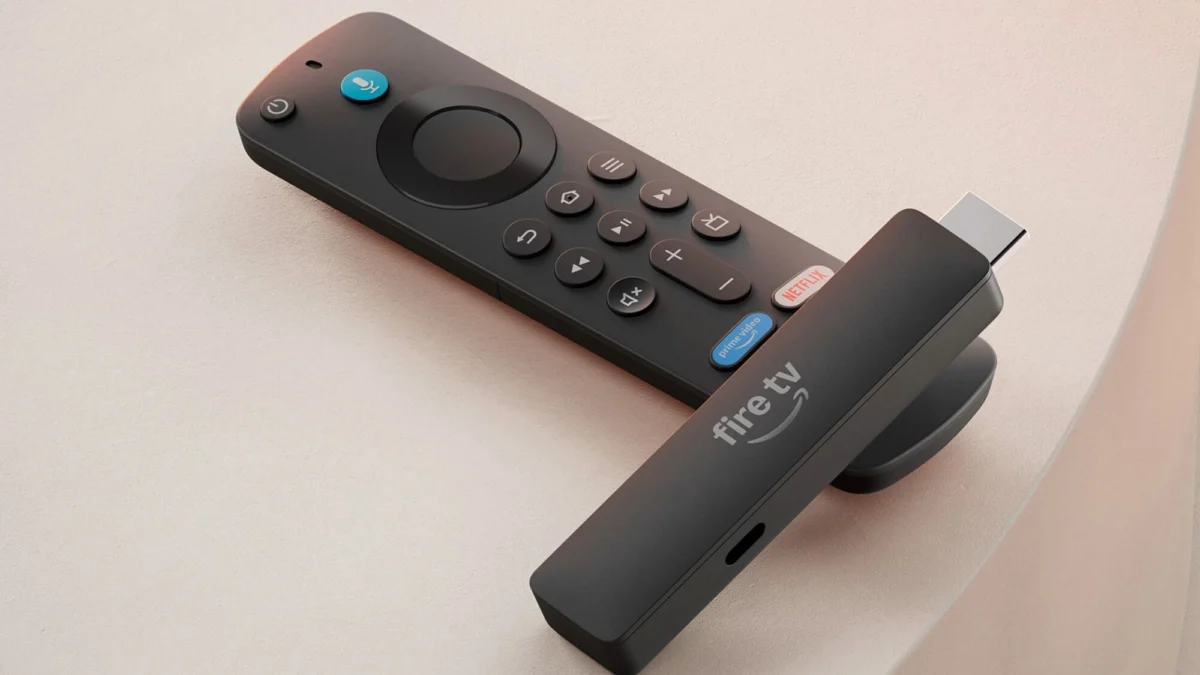
The recent introduction of the Fire TV Stick HD serves as more than just a routine hardware refresh; it represents a pivotal departure from the company’s long-standing reliance on the Android ecosystem. By shifting toward Vega OS—a proprietary, Linux-based architecture—Amazon is effectively closing the gates on a decade-long tradition of flexibility that defined its streaming sticks. For power users and hobbyists who have long relied on the ability to "sideload" third-party applications to expand their viewing options, this pivot signifies a definitive move toward a more restrictive, "walled garden" approach to consumer electronics.
This transition highlights a growing tension between user autonomy and corporate security protocols. Amazon’s newly implemented warnings on its retail storefronts are explicit: "For enhanced security, this device prevents sideloading or installing apps from unknown sources. Only apps from the Amazon Appstore are available for download." This message serves as a blunt instrument, signaling that the era of open-ended modifications on Fire TV hardware is reaching its sunset. While the practice of sideloading was never officially sanctioned, it was long tolerated, becoming a foundational aspect of the platform’s appeal for those seeking niche tools, alternative media players, or home-grown software not yet curated by the mainstream Appstore.
The Strategic Shift: Why Vega OS Matters
The move to Vega OS is a calculated strategic maneuver. For years, Amazon’s reliance on a forked version of Android allowed for rapid development and high compatibility with existing developer tools. However, maintaining that fork required constant synchronization with Android’s evolution, which inevitably introduced bloat and potential security vulnerabilities. By building a custom Linux environment, Amazon gains granular control over the entire software stack.
From an industry perspective, this shift aligns with the broader trend of hardware manufacturers seeking to maximize the monetization of their ecosystems. By tightening control over what can be installed, Amazon ensures that users remain within the company’s proprietary funnel. This reduces the risk of third-party software interfering with ad-delivery systems, data harvesting, or the seamless integration of Prime Video and other Amazon-affiliated services. The implication for the consumer is clear: the hardware you purchase is increasingly viewed as a service portal rather than an open computing device.
The Sideloading Paradox
The inconsistency in the warning labels—appearing for some users while remaining invisible to others—suggests a phased rollout or an A/B testing strategy designed to gauge consumer reaction. This uncertainty has fueled significant speculation within the enthusiast community. For many, the ability to install unofficial apps was the primary reason to choose a Fire TV device over more restrictive platforms like Roku or Apple TV.
If Amazon fully enforces this restriction across its entire product line, the Fire TV experience will become more uniform, but significantly less versatile. This "Apple-fication" of the living room has pros and cons. On the positive side, it simplifies the user experience. By limiting installations to the official Appstore, Amazon can guarantee a baseline level of performance and security that is often compromised by poorly optimized sideloaded apps. Conversely, it stifles innovation by removing the sandbox environment where new, experimental, or community-driven applications once thrived.
Long-Term Support and the "Sunset" of Legacy Tech
Amidst the transition to this new software paradigm, Amazon has made a notable effort to retain consumer trust by extending the lifecycle of its existing, Android-based hardware. The commitment to provide compatibility and security updates for most Fire TV devices through December 31, 2030, is a major gesture of goodwill. It effectively provides a five-year runway for legacy users, ensuring that their current devices will not become "bricks" overnight.
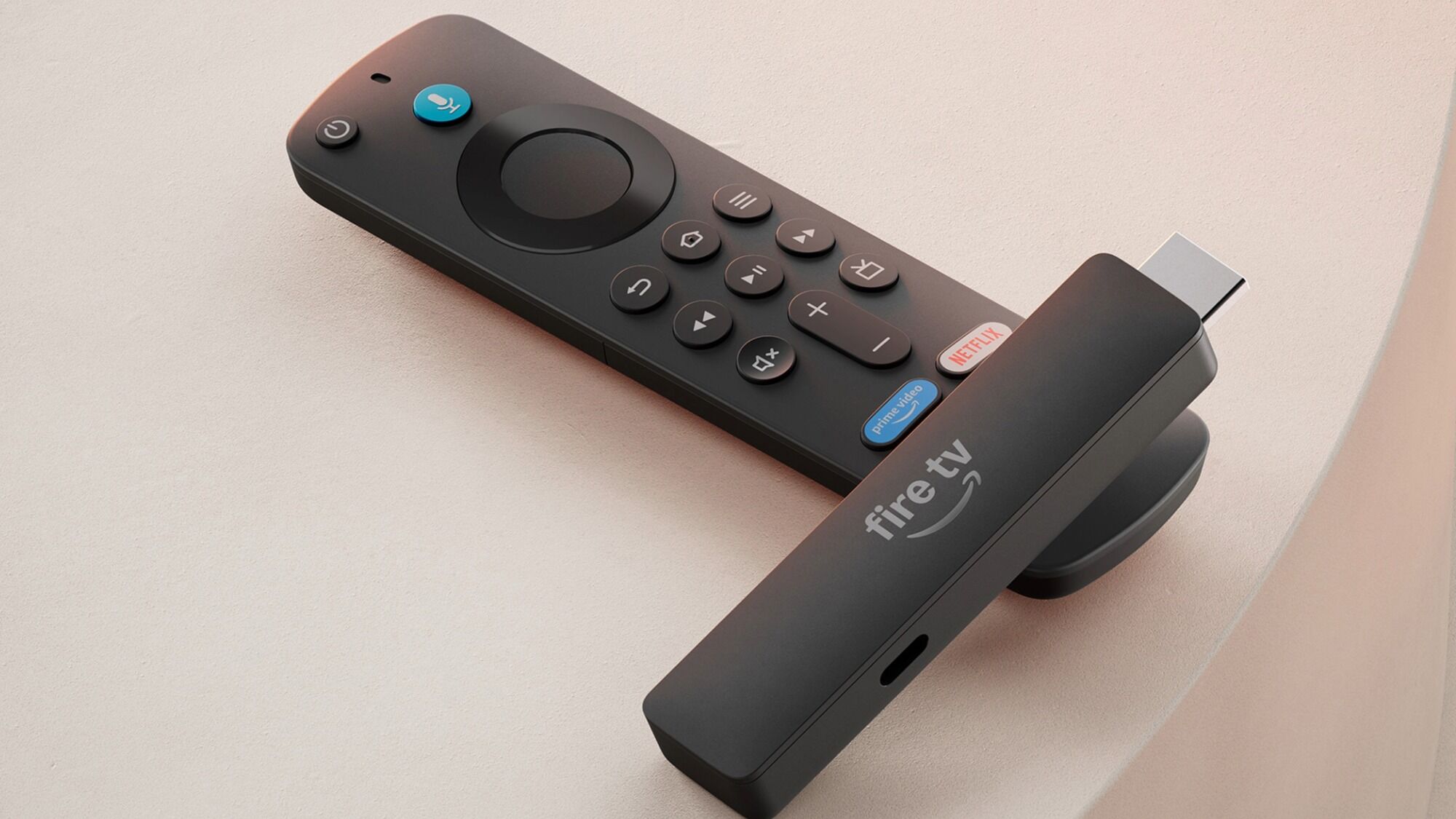
This announcement is particularly crucial in the wake of Amazon’s concurrent decision to cease support for several legacy Kindle models. Starting in May 2026, a wide range of foundational e-readers will lose critical connectivity. The juxtaposition of these two events—cutting off older e-readers while promising longevity for existing Fire TV units—reveals a clear company policy: Amazon is willing to support legacy tech only until the overhead of maintaining the software backend becomes economically unfeasible. By clearly defining the end-of-life dates for these devices, Amazon is attempting to preempt the kind of backlash that often accompanies the abandonment of older hardware.
Industry Implications and the Future of Streaming
The broader industry is watching this move with interest. Streaming platforms have historically been a battleground for content dominance, but the platform itself—the operating system—is becoming the final frontier for control. If Amazon successfully transitions its user base to a closed, proprietary system without suffering a mass exodus to alternatives like Google TV or specialized media centers, it will likely set a standard for other manufacturers.
We are witnessing a divergence in the smart TV market. On one hand, you have the "open" platforms that encourage broad app store access and user-driven customization. On the other, the "curated" platforms that prioritize security, consistency, and, above all, the manufacturer’s bottom line. The Fire TV Stick HD is a litmus test for how much the average consumer values openness versus the convenience of a highly managed environment.
Furthermore, this shift will inevitably impact software developers. Creating an app for a platform that is intentionally isolated from the rest of the Android ecosystem requires a significant investment of resources. Developers who once easily ported their Android apps to the Fire TV platform will now face a higher barrier to entry. This could lead to a decrease in the sheer number of niche apps available, favoring larger corporations that have the resources to build native applications specifically for Vega OS.
Expert Analysis: The End of the "Hacker" Era
For the better part of a decade, the Fire TV ecosystem was the "Goldilocks" of the streaming world: it offered the affordability of a cheap dongle combined with the versatility of a PC. That era is definitively closing. As we look toward 2030 and beyond, the trend toward restrictive, platform-specific operating systems appears irreversible.
The decision to limit sideloading is framed as a "security enhancement," a term that has become the industry standard for justifying the removal of user agency. While there is truth to the assertion that malicious software often enters through side-loaded channels, it is also a convenient justification for closing off competition. By controlling the app ecosystem entirely, Amazon eliminates the possibility of users bypassing their advertising and data tracking infrastructure.
Ultimately, the Fire TV Stick HD is a harbinger of the next iteration of the smart home. It is a device that demands trust from the user while simultaneously removing their ability to verify what is happening behind the curtain. As consumers, we are trading the freedom to tinker for the comfort of a device that "just works." Whether that is a fair trade will depend entirely on the individual’s priorities, but the shift in power from the user to the corporation is undeniable. As we move forward, the question will not be what we can do with our devices, but what the manufacturer allows us to do.
