

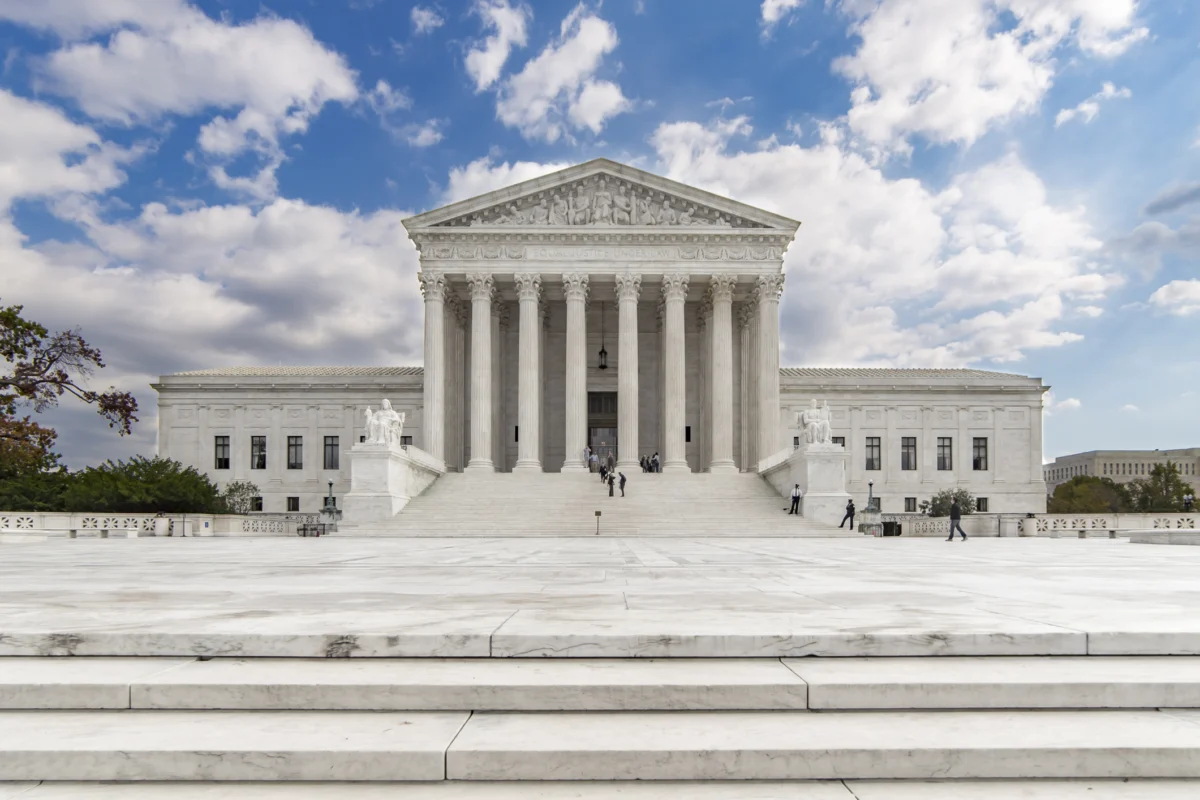
The sentencing of Nicholas Moore to one year of probation marks the conclusion of a legal saga that has cast a harsh spotlight on the persistent vulnerabilities within the United States federal digital infrastructure. Moore, who pleaded guilty to a series of unauthorized intrusions into the electronic filing systems of the U.S. Supreme Court, the Department of Veterans Affairs, and AmeriCorps, stood before a federal judge this past Friday to receive a sentence that many cybersecurity experts view as surprisingly lenient. While the defendant faced the possibility of a year in federal prison and a $100,000 fine for his repeated breaches, the final judgment reflected a shift in prosecutorial strategy, opting for supervised release over incarceration.
The case against Moore was not merely one of technical prowess, but rather a cautionary tale of digital vanity and the systemic failures of credential management. Over several months, Moore successfully infiltrated the U.S. Supreme Court’s electronic document filing system dozens of times. His reach extended beyond the judiciary, touching the sensitive networks of the Department of Veterans Affairs (VA)—the agency responsible for the healthcare and welfare of millions of military veterans—and AmeriCorps, a federal agency that manages domestic service and volunteer programs. The breadth of these intrusions suggests a wide-ranging exploitation of government systems that house not only procedural data but also the deeply personal information of civil servants and citizens alike.
What distinguishes this case from traditional state-sponsored espionage or financially motivated cybercrime is the performative nature of the perpetrator’s actions. Moore did not operate in the shadows; instead, he maintained an Instagram account under the handle @ihackedthegovernment. On this platform, he boasted of his exploits, treating the breach of high-level federal systems as a form of social currency. He went as far as posting the personally identifiable information (PII) of his victims, a move that transitions the crime from a simple technical violation to a targeted act of doxxing and harassment. This "clout-chasing" behavior is a growing trend among younger threat actors who prioritize online notoriety over the strategic or monetary gains typically associated with data breaches.
The technical methodology employed by Moore underscores a fundamental weakness in the security posture of many federal agencies: the reliance on single-factor authentication and the inherent risks of credential theft. Moore did not utilize sophisticated zero-day exploits or complex malware to bypass the Supreme Court’s defenses. Rather, he gained access by using the compromised credentials of a legitimate user. This "living off the land" approach, where an attacker uses valid tools and accounts to navigate a network, is notoriously difficult to detect because the activity often mimics authorized behavior. Once Moore had secured the login information of one victim, he leveraged that access to pivot across multiple federal platforms, highlighting the lack of robust internal segmentation within these networks.
The implications of a breach at the U.S. Supreme Court are particularly profound. The electronic filing system is the backbone of the nation’s highest judicial body, handling everything from routine motions to sensitive, under-seal documents that could influence national policy or the rights of individuals. While the government has not publicly detailed whether Moore accessed classified or sealed records, the mere fact that an unauthorized individual could repeatedly log into the system creates a crisis of confidence. In the legal world, the integrity of the record is paramount. If the digital repository of the court is seen as permeable, the perceived security of the entire judicial process is called into question.
Similarly, the targeting of the Department of Veterans Affairs and AmeriCorps highlights the vulnerability of agencies that manage large-scale volunteer and veteran data. The VA, in particular, has long struggled with modernizing its legacy IT systems. For an individual to gain access to these networks using stolen credentials suggests that the implementation of Multi-Factor Authentication (MFA) and Zero Trust Architecture—mandated by recent White House executive orders—has not yet reached full saturation across all federal touchpoints.
During the sentencing hearing, Moore expressed a measure of contrition that likely played a role in the prosecution’s decision to recommend probation. "I made a mistake," Moore stated to the court. "I am truly sorry. I respect laws, and I want to be a good citizen." This pivot from the braggadocio of his Instagram persona to the humility of the courtroom is a common trajectory in such cases, yet it leaves the cybersecurity community divided. Some argue that a year of probation is an insufficient deterrent for hacking the highest court in the land, potentially signaling to other aspiring hackers that the consequences for "testing" federal security are minimal.
From a legal and policy perspective, the Moore case intersects with the ongoing evolution of the Computer Fraud and Abuse Act (CFAA). For decades, the CFAA has been the primary vehicle for prosecuting cybercrimes in the U.S., but it has faced criticism for being overly broad. Recent Supreme Court rulings, such as Van Buren v. United States, have sought to narrow the scope of the law to prevent it from criminalizing common activities like violating a website’s terms of service. However, Moore’s actions—stealing credentials and accessing systems he had no authorization to enter—fall squarely within the core prohibitions of the Act. The decision to grant probation suggests that prosecutors may be focusing their resources on more malicious actors, such as those linked to ransomware syndicates or foreign intelligence services, while treating individual "hobbyist" hackers with more leniency, provided they show remorse and do not cause irreparable physical or financial damage.
The industry implications of this breach are significant for the private sector as well. The incident serves as a stark reminder that identity is the new perimeter. As organizations move away from traditional firewalls toward cloud-based environments, the security of user credentials becomes the single most important line of defense. The fact that Moore was able to use one victim’s credentials to access three separate agencies suggests a failure in federated identity management. It highlights the need for continuous monitoring and behavioral analytics that can identify when a "valid" user is behaving in a suspicious manner, such as logging in from an unusual location or accessing files outside of their typical job function.
Furthermore, the Moore case emphasizes the "human element" of cybersecurity. Security is not just a matter of software and hardware; it is a matter of culture and discipline. If a federal employee or contractor can be compromised through social engineering or poor password hygiene, even the most expensive encryption tools become irrelevant. The Instagram aspect of the case also points to a need for better monitoring of social media for indicators of compromise. While it may seem obvious in hindsight, Moore’s public boasting was a clear signal that federal systems had been compromised, yet the breaches continued for several months before he was apprehended.
Looking toward the future, the federal government is in the midst of an aggressive push toward a "Zero Trust" security model. This framework operates on the principle of "never trust, always verify," requiring every user and device to be authenticated and authorized for every transaction, regardless of whether they are inside or outside the network. Had a fully realized Zero Trust environment been in place at the Supreme Court or the VA, Moore’s use of stolen credentials might have been flagged immediately by a system that noticed his device was unrecognized or that his access patterns did not match the established profile of the credential holder.
As the digital landscape becomes increasingly litigious and politically charged, the security of judicial filing systems will remain a top priority. We are entering an era where deepfakes, AI-generated misinformation, and data breaches could be used to disrupt the legal process. Protecting the sanctity of the court’s data is no longer just a technical requirement; it is a necessity for the preservation of the rule of law.
The sentencing of Nicholas Moore may provide a sense of closure for the specific incidents he perpetrated, but it does little to alleviate the broader concerns regarding federal cybersecurity. A year of probation may rehabilitate one individual, but it does not patch the systemic vulnerabilities that allowed him to succeed in the first place. For the technology industry and the government alike, the Moore case is a reminder that the most prestigious institutions in the world are often only as secure as their weakest password. It is a call to action for more rigorous implementation of identity-centric security measures and a more proactive approach to defending the digital infrastructure that supports the foundations of American democracy. In the end, the true cost of these breaches is not the fine that was waived, but the erosion of trust in the systems that govern the nation.
