

The landscape of mobile artificial intelligence is shifting rapidly, and Samsung is demonstrating a clear commitment to lifecycle longevity for its premium handset lineup. Recent developments within the software engineering corridors at Samsung have confirmed that the sophisticated AI-driven tools introduced with the Galaxy S26 series are officially migrating to the preceding Galaxy S25. This integration, now verified within the latest internal test builds of the One UI 8.5 ecosystem, marks a significant departure from the industry-standard practice of gating exclusive software features behind new hardware purchases.
For users of the Galaxy S25, this development is more than a mere software patch; it represents a tangible extension of the device’s value proposition. The transition from theoretical roadmap to active code indicates that Samsung has successfully overcome the engineering hurdles associated with backporting complex neural processing tasks. The inclusion of these features—previously deemed the hallmark of the latest generation—suggests that the hardware architecture of the S25 remains sufficiently robust to handle the intensive computational demands of these advanced generative AI models.
A New Suite of Intelligent Tools
The headline features arriving in this update include, most notably, the sophisticated Call Screening functionality. Originally marketed as a cornerstone of the S26 launch, this tool utilizes advanced natural language processing to act as a digital concierge. By deploying an AI-generated voice to handle incoming calls, the system can transcribe, filter, and summarize conversations in real-time, effectively shielding users from spam while ensuring important communications are never missed. This capability relies on high-speed, on-device processing, demonstrating that the S25’s NPU (Neural Processing Unit) is being pushed to its effective limits.
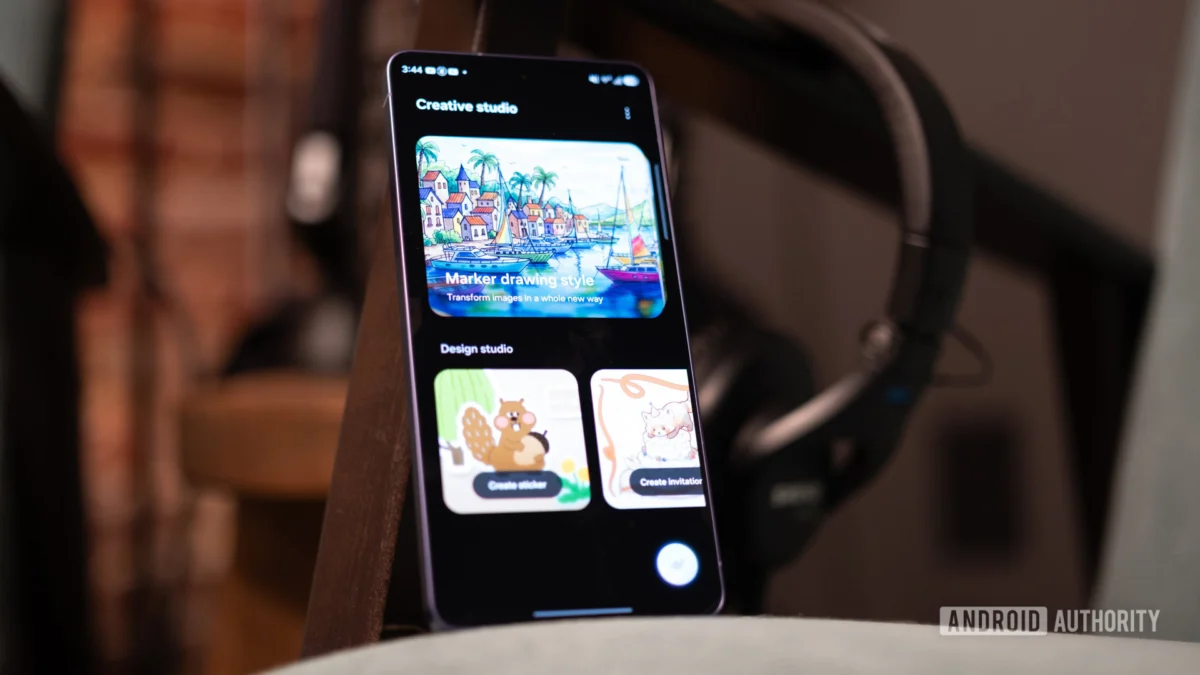
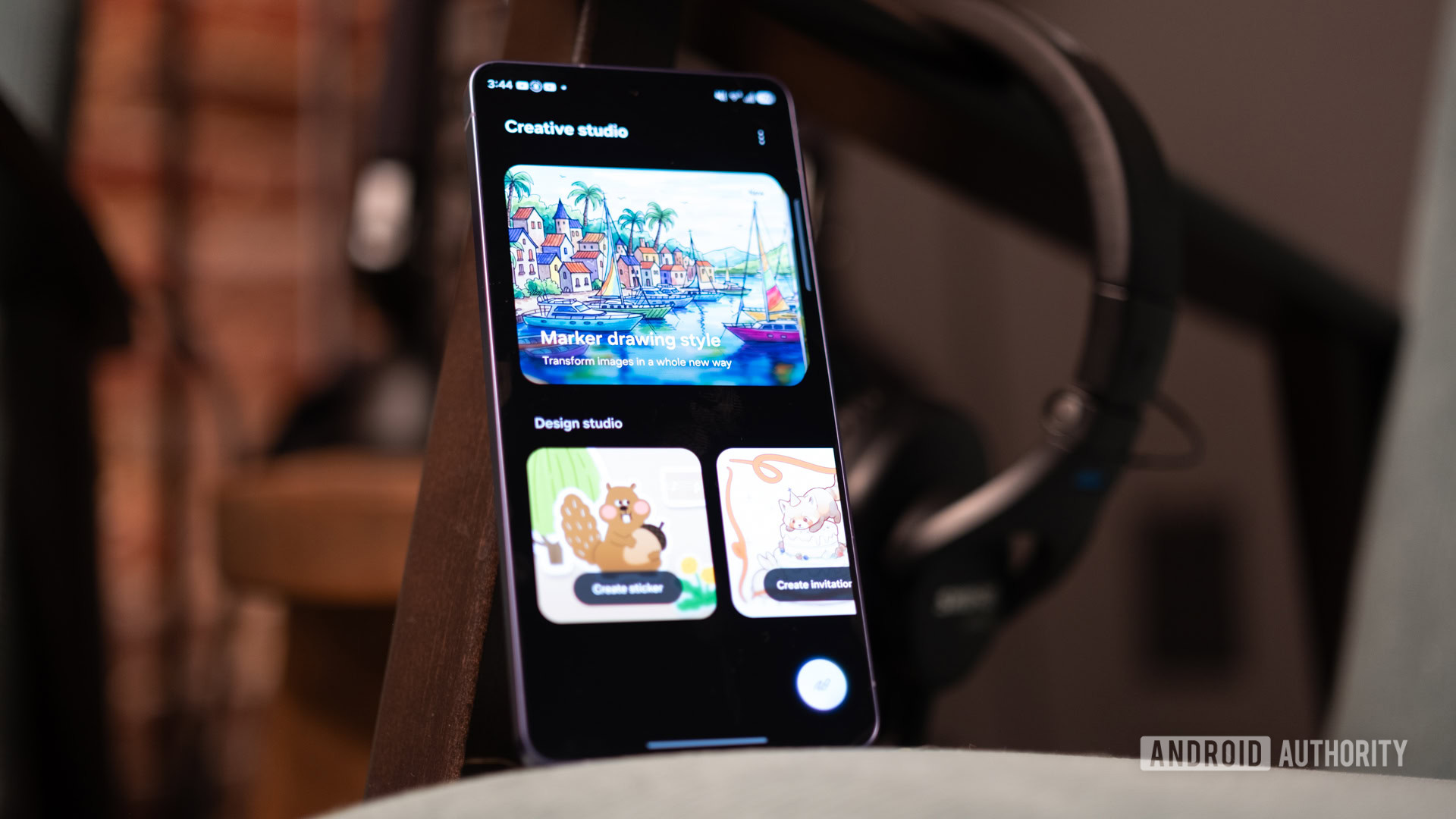
Beyond communication management, the update brings a substantial upgrade to the creative workflow. The Advanced Audio Eraser, Creative Studio, and Enhanced Photo Assist tools are being ported over to provide users with a studio-grade editing suite. Advanced Audio Eraser utilizes deep learning to isolate and scrub unwanted background noise from video recordings with surgical precision, while Creative Studio offers generative tools for image manipulation that previously required dedicated desktop software. Enhanced Photo Assist completes this trio, providing automated composition adjustments and object manipulation that leverage the same generative models found in the newer flagship.
The Strategic Shift in Software Lifecycle
The decision to bring these features to the S25 is emblematic of a broader trend in the smartphone industry. As hardware innovation reaches a plateau in terms of physical design, the battleground for consumer loyalty has shifted entirely to software and AI utility. By offering these high-end features to users of the previous generation, Samsung is attempting to cultivate a "sticky" ecosystem, encouraging long-term retention of its user base.
Industry analysts observe that this strategy serves a dual purpose. First, it addresses growing consumer fatigue regarding annual hardware refreshes. If a user can receive the "killer features" of the new phone on their current device, they are less likely to defect to competitors during the next cycle. Second, it allows Samsung to refine its AI models across a wider user base, gathering more telemetry and usage data to optimize performance for future iterations.
Technical Implications and Performance
Backporting advanced AI features is never a trivial task. It requires meticulous optimization of memory management and thermal throttling profiles. One UI 8.5 appears to be designed with a "lean-first" philosophy, stripping away legacy overhead to make room for the resource-heavy AI models.
There are legitimate questions regarding how these features will perform on the S25 compared to the S26. While the core algorithms are likely identical, the underlying silicon in the S26 is tuned for higher efficiency and lower latency. Users should expect a potential impact on battery life and device temperature during heavy usage of these AI tools. Samsung’s decision to include them suggests a confidence that the S25 can handle these loads, likely through significant optimizations in the firmware’s task-scheduling algorithms.
The Broader Ecosystem and Future Trends
This update serves as a barometer for the future of mobile technology. As AI-integrated hardware becomes the industry standard, we are seeing a decoupling of software features from hardware releases. This "AI-as-a-service" model, where capabilities are delivered via OTA (over-the-air) updates rather than being hard-coded into the initial shipping software, will likely become the norm.
For the broader market, this is a positive development. It signals that the "AI gap" between current and legacy devices is narrowing. However, it also raises questions about the ultimate ceiling of this model. At what point does a device become too old to support these increasingly complex models? The S25, being only a year removed from the current flagship, is clearly within the window of viability. As we look toward the next three years, we may see a tiered system where older hardware can access cloud-based AI, while only the latest chips support fully on-device generative processing.
Anticipating the Rollout
The software engineering process is currently in the final stages of quality assurance. The presence of these features in the latest test build suggests that the bugs have been ironed out and the feature set is stable. According to industry indicators, the deployment schedule is expected to commence in South Korea around the end of April, followed by a global rollout in early May.
For the average user, the process will be seamless. The update will likely arrive as part of a larger system stability patch, requiring no manual intervention beyond the standard software update procedure. However, the sheer volume of new capabilities suggests that users should prepare for a longer-than-usual installation period, as the phone will need to perform local optimizations for the new neural weights associated with the AI models.
Final Thoughts
Samsung’s move to bring the S26’s AI prowess to the S25 is a calculated, strategic, and highly welcomed maneuver. It validates the investment of its customers and reinforces the value of the Galaxy brand. While the primary goal of any company is to sell new hardware, the realization that sustained software value is equally important to brand equity is a mature, necessary evolution.
As the April and May deployment windows approach, the tech community will be watching closely to see how these features perform in the wild. If the implementation is smooth, it will set a high bar for competitors like Apple and Google, who are also racing to define the AI-first smartphone experience. For the current owner of an S25, the takeaway is clear: your device is not merely a piece of hardware from last year, but a platform that is actively evolving to stay at the cutting edge of the artificial intelligence revolution. The waiting period is drawing to a close, and the next version of One UI promises to turn the S25 into a fundamentally more capable tool.
