

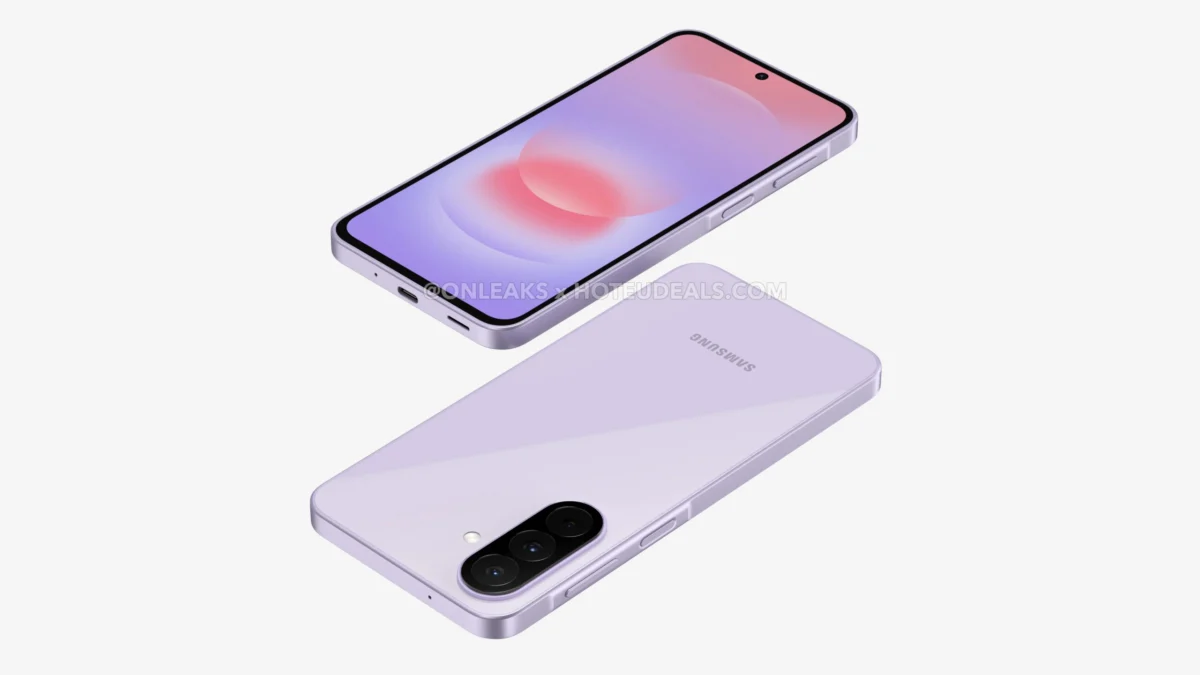
For years, Samsung’s Galaxy A-series has occupied a peculiar space in the mobile market. While these devices consistently delivered reliable performance and the legendary appeal of the Samsung brand to budget-conscious consumers, they often felt aesthetically anchored to the past. The persistent reliance on the "waterdrop" notch—a design element that felt dated even before its widespread adoption in entry-level segments—has long been the primary visual differentiator between Samsung’s premium Galaxy S-series and its more accessible mid-range cousins. However, fresh CAD-based renders have surfaced, signaling that Samsung is finally ready to retire this antiquated look in favor of a sleeker, more contemporary design language for the upcoming Galaxy A27.
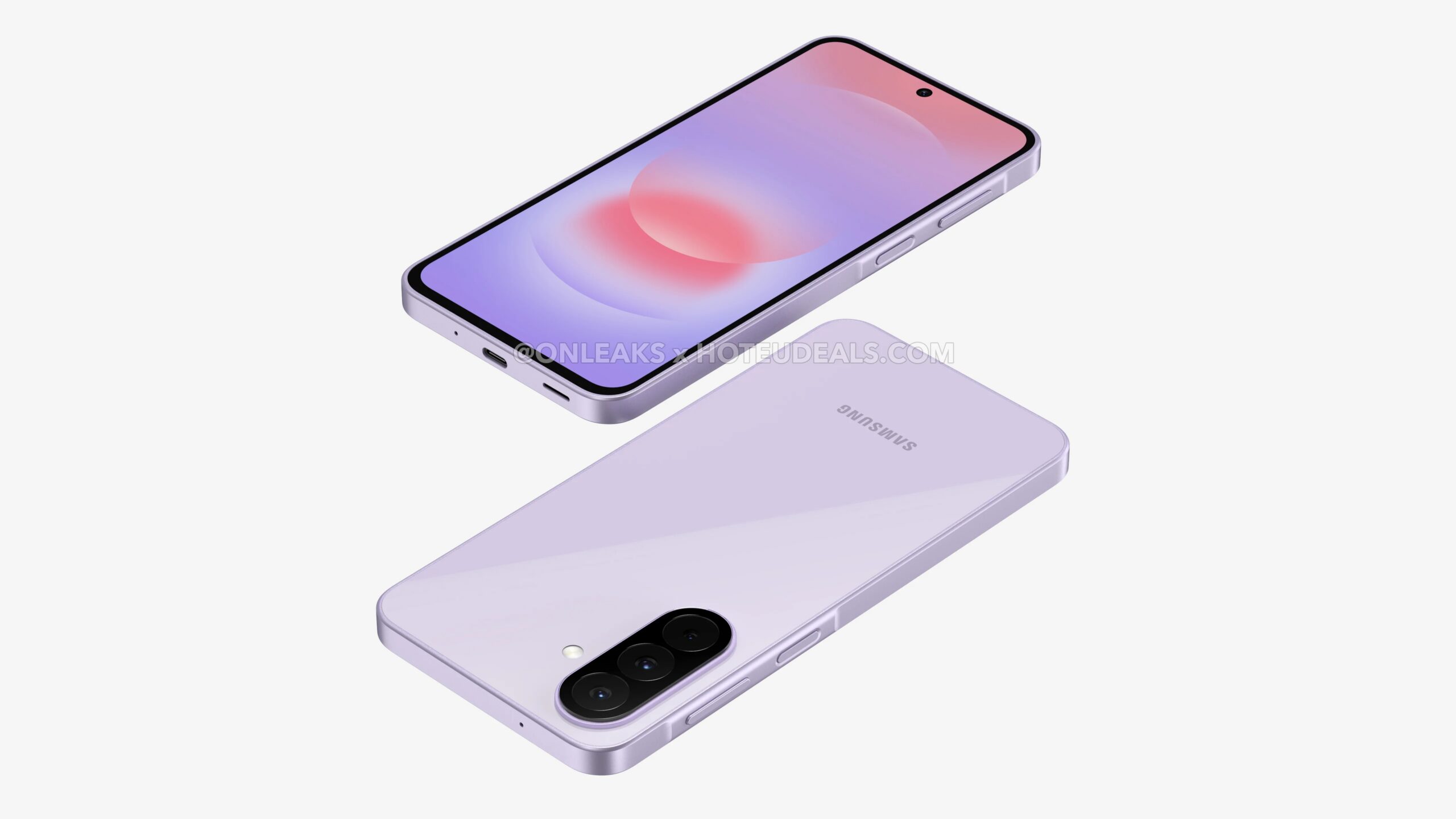
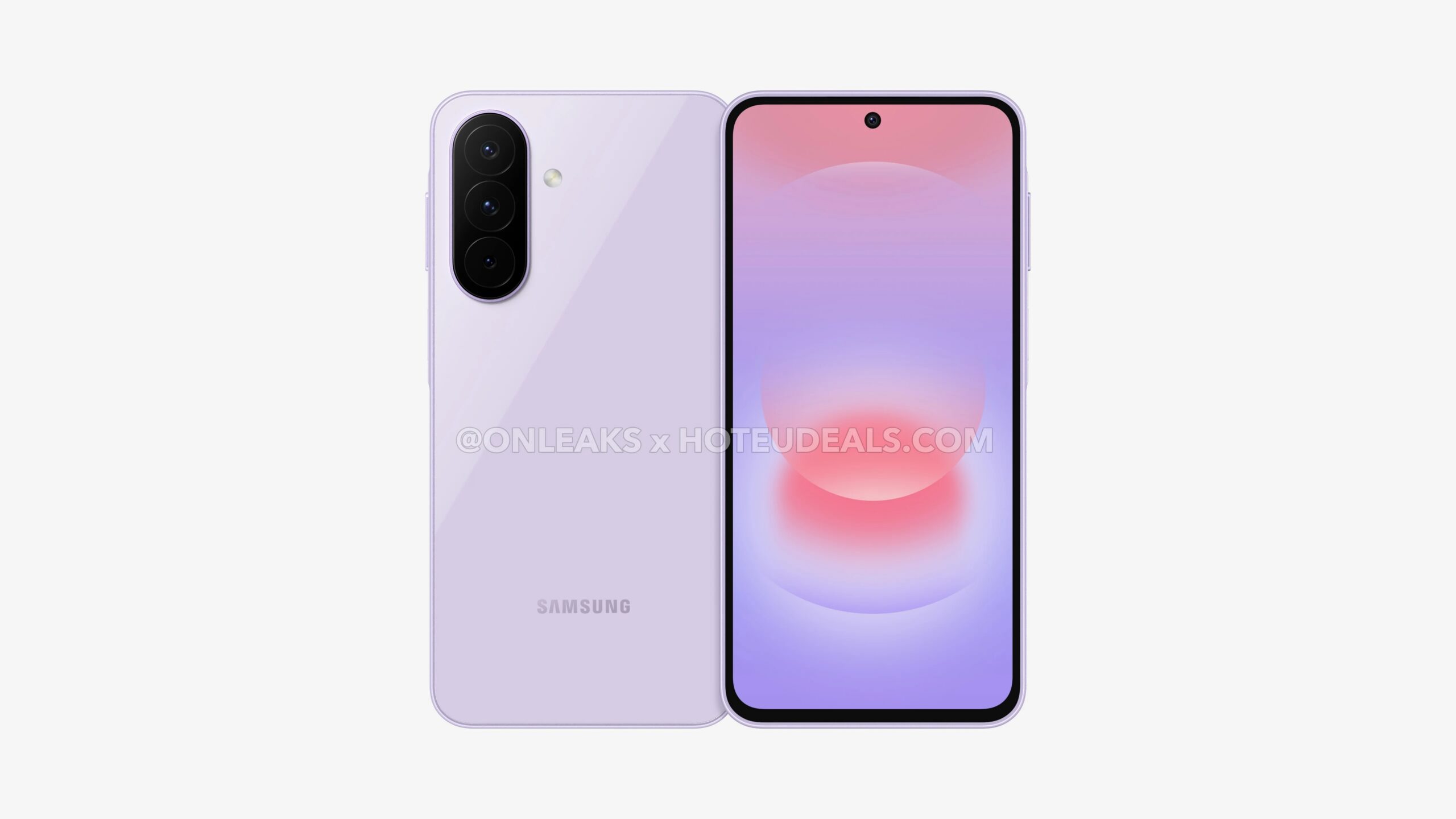
The emergence of these renders, developed with the precision of industry-standard Computer-Aided Design (CAD) files, provides a compelling glimpse into the company’s evolving hardware strategy. By moving away from the teardrop notch and transitioning to a centered, punch-hole selfie camera cutout, the A27 appears to be aligning itself with the visual identity of Samsung’s flagship offerings. This is more than a superficial change; it is a strategic repositioning. By narrowing the bezels and adopting a more sophisticated front-facing display architecture, Samsung is effectively erasing the visual cues that previously branded the A-series as "entry-level" or "budget-only." The 6.7-inch flat panel depicted in the renders suggests that the user experience will be significantly more immersive, offering a clean, unobstructed viewing area that mimics the high-end aesthetic of devices costing twice as much.
The evolution of the Galaxy A-series design is emblematic of a broader trend within the smartphone industry. As the pace of hardware innovation in internal components—such as processors and camera sensors—begins to plateau in the mid-range sector, manufacturers are increasingly turning to industrial design as the primary battleground for consumer loyalty. A device that looks expensive is often perceived as better, even if its internal specifications remain modest. By bringing the A27 closer to the S-series design philosophy, Samsung is attempting to capture the "aspirational" market: users who want the prestige of a modern-looking smartphone without the exorbitant price tag of a top-tier flagship.
On the rear of the device, the design narrative remains one of refinement rather than radical transformation. The triple-camera array persists, which is a testament to the versatility that consumers have come to expect from the A-series. However, the removal of the concentric circles—a hallmark of the previous iteration—indicates a move toward minimalism. By simplifying the housing around the camera lenses, the A27 presents a cleaner, more cohesive back panel that feels less like a collection of parts and more like a singular, integrated piece of hardware. This shift towards a "less is more" approach is a direct response to consumer fatigue regarding overly complex camera bumps, favoring a subtle, professional aesthetic.
From a technical perspective, the dimensions of 162.3 x 78.6 x 7.9mm suggest a device that is remarkably slim, balancing a large display with a form factor that remains comfortable for daily use. The retention of the "Key Island" button layout—where the volume rockers and the power button, which houses the capacitive fingerprint sensor, are grouped together—highlights Samsung’s commitment to ergonomic consistency. While some purists may debate the placement, it has become a recognizable signature of the modern Galaxy ecosystem, streamlining the user interface experience across different price points.

However, it is crucial to temper the excitement generated by these visual leaks with a degree of analytical caution. CAD renders, while accurate in terms of physical dimensions and port placement, often lack the nuance of finished materials. The difference between a high-quality matte plastic, a glass composite, or a premium metal finish can drastically change the "in-hand" feel of a phone, even if the silhouette remains identical. Furthermore, while the renders hint at a more premium look, the final retail product will be subject to the realities of cost-cutting measures, such as the specific grade of chassis material and the final calibration of the screen-to-body ratio.
Industry experts have been quick to note that the internal hardware of the A27 is expected to be a significant step up from its predecessors. The rumored inclusion of a Snapdragon 6 Gen 3 chipset, paired with 6GB of RAM, suggests a device that is well-equipped to handle the demands of modern Android versions, multitasking, and casual gaming. Perhaps most importantly, the rumored 12MP selfie camera upgrade is a direct answer to the growing consumer demand for better social media content creation capabilities. As younger demographics increasingly prioritize camera quality over raw processing power, the ability of the A27 to deliver 4K video recording and superior low-light performance could be the deciding factor in its market success.
The timing of this release is equally significant. With the Galaxy A37 and A57 having already established their presence in the market, the A27 completes a trio that covers the entirety of the mid-range spectrum. By staggering these releases, Samsung maintains a constant presence in the retail landscape, ensuring that there is always a "new" device available for consumers looking to upgrade. This strategy, while effective at maintaining market share, puts pressure on the A27 to perform well in a crowded market where competitors from brands like Xiaomi, Realme, and Motorola are constantly pushing the boundaries of what a mid-range phone can offer.
The impact of this design refresh will likely extend beyond just one model. If the A27 is successful in trickling down the flagship aesthetic to a more accessible price point, we can expect to see this design language become the standard across the entire Galaxy ecosystem within the next eighteen months. This is a positive development for the industry, as it raises the "baseline" of what consumers can expect from a standard smartphone. Gone are the days when a lower price tag necessitated a look that clearly signaled compromise.
Ultimately, the shift toward a more modern, refined aesthetic for the Galaxy A27 is a necessary evolution for Samsung. By aligning its entry-level and mid-range design language with its premium products, the company is reinforcing its brand identity as a purveyor of quality hardware at every tier. Whether this move translates into a sustained sales boost remains to be seen, but for the consumer, it represents a long-overdue maturation of the budget-friendly smartphone. As we await the official announcement, the consensus among industry analysts is clear: Samsung is finally listening to the market, and the result is a device that promises to look as good as it performs. The era of the waterdrop notch is drawing to a close, and in its place, we are seeing the emergence of a more confident, unified, and competitive vision for the future of the Galaxy A-series.
