

The nascent carbon removal industry, once buoyed by the promise of unlimited corporate appetite, is currently grappling with a profound sense of existential vertigo. For years, the sector has operated under a central, almost theological assumption: that Big Tech, led by Microsoft, would serve as the permanent backstop for the commercialization of atmospheric scrubbing technologies. However, recent reports that Microsoft has initiated a pause on new carbon removal purchases have sent shockwaves through the market, exposing the inherent fragility of an industry that has allowed itself to become almost entirely dependent on a single customer.
In the landscape of climate tech, Microsoft is not merely a participant; it is the market’s primary architect and its most significant financier. Analysis from CDR.fyi, a leading research entity in the carbon dioxide removal (CDR) space, suggests that the Redmond-based software giant has single-handedly accounted for approximately 80% of all contracted carbon removal volume to date. For startups developing high-frontier technologies designed to extract CO2 from the sky, a contract with Microsoft has long been the "holy grail"—a validation of technical viability and a prerequisite for securing the venture capital necessary to move from pilot plants to industrial scale. When the world’s most prolific buyer signals a retreat, even a temporary one, the ripple effects are felt from the laboratories of Zurich to the basalt injection sites of Iceland.
The pause was first signaled in early April, when internal communications suggested that Microsoft staff had advised suppliers and partners of a suspension in new procurement activities. While the company was quick to issue a clarifying statement through Chief Sustainability Officer Melanie Nakagawa, emphasizing that the move was an "adjustment of pace" rather than a "change in ambition," the ambiguity of the timeline has left the industry in a state of suspended animation. Nakagawa described the shift as part of a "disciplined approach" to refining sustainability goals, yet the lack of transparency regarding the duration or the specific financial triggers for this pause has drawn sharp criticism from industry watchdogs and academic observers alike.
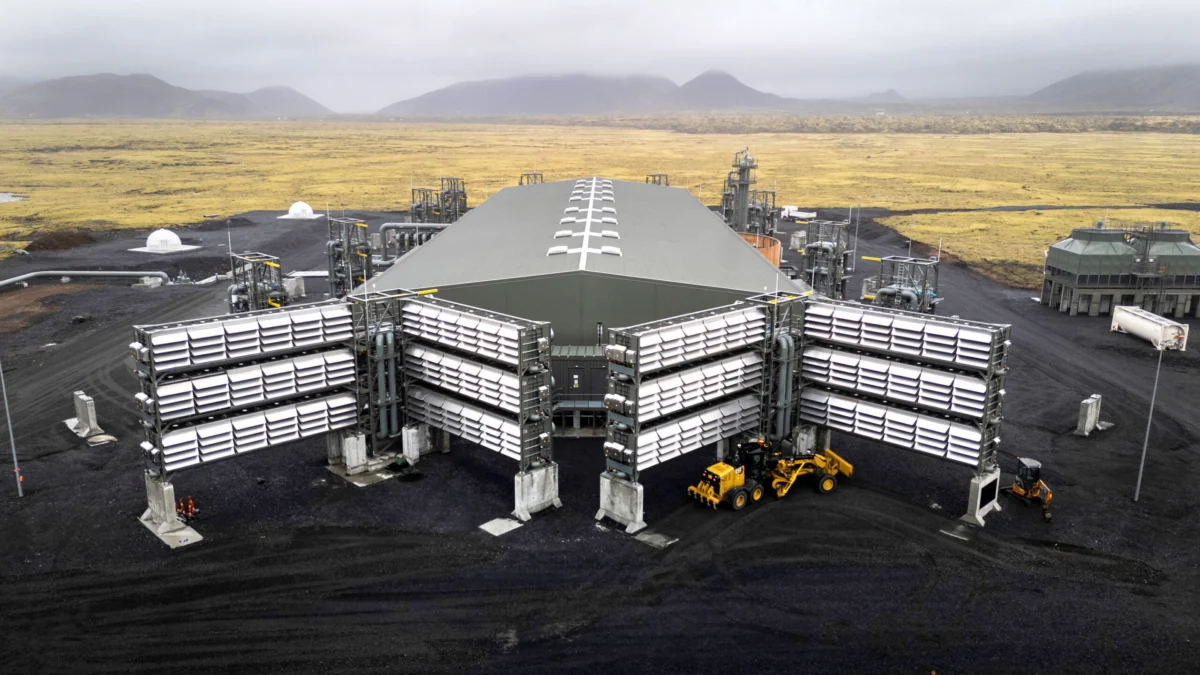
To understand why this news is so destabilizing, one must look at the mechanics of carbon removal. Unlike traditional carbon offsets—which often involve paying to protect existing forests (a practice fraught with measurement and additionality problems)—carbon removal focuses on the active, permanent extraction of greenhouse gases. The technological spectrum is broad: Direct Air Capture (DAC) utilizes massive fans and chemical sorbents to "wash" CO2 from the ambient air; Bioenergy with Carbon Capture and Storage (BECCS) involves burning organic matter for energy and sequestering the resulting emissions underground; and Enhanced Weathering speeds up the natural ability of rocks to absorb carbon.
These technologies are notoriously capital-intensive and currently sit high on the cost curve. While the ultimate goal is to bring the cost of removal down to $100 per metric ton, current prices for DAC can exceed $600 to $1,000 per ton. There is no natural market for this service; nobody "needs" to buy a ton of sequestered carbon in the way they need to buy a kilowatt-hour of electricity or a gallon of fuel. The demand is entirely manufactured by corporate climate pledges and, to a lesser extent, nascent government subsidies.
Microsoft’s commitment to becoming carbon negative by 2030 and removing its entire historical carbon footprint by 2050 has been the primary engine driving this demand. However, the company’s latest Environmental Sustainability Report, released in mid-2025, revealed a sobering reality: its total emissions have surged by 23.4% since 2020. This spike is largely attributed to the massive energy demands of the generative AI revolution, which requires a sprawling infrastructure of data centers and high-performance chips. The paradox is striking: at the very moment Microsoft’s emissions are ballooning, it appears to be tightening the purse strings on the very technology it claims will balance its books.
The industry’s reaction has been a mix of panic and indignation. Wil Burns, Co-Director of the Institute for Responsible Carbon Removal at American University, has been particularly vocal, characterizing the rollout of this pause as "extremely irresponsible." Burns argues that by positioning itself as the "paragon" of the CDR sector, Microsoft assumed a de facto stewardship role. To abruptly pivot without a clear roadmap for resumption treats a fragile, nascent industry with a level of "disrespect" that could stifle innovation and scare away secondary investors. When a market has only one major buyer, that buyer’s internal "financial considerations" become a systemic risk for every developer in the field.
The timing of this corporate cooling is particularly precarious given the shifting political and regulatory climate in the United States. The carbon removal sector had previously enjoyed a period of relative optimism, bolstered by federal initiatives and the promise of a robust regulatory framework. However, recent developments at the Environmental Protection Agency (EPA) and broader shifts in federal funding priorities have signaled a potential retreat from aggressive climate intervention. If government support wanes and corporate leaders like Microsoft concurrently pull back, the "valley of death"—the period where startups run out of cash before achieving commercial viability—threatens to become a permanent graveyard for climate tech.
This crisis of confidence raises a fundamental question about the future of climate mitigation: Is it tenable to rely on the "kindness of strangers" or the voluntary whims of a few trillion-dollar corporations to solve a global atmospheric crisis? Robert Höglund of CDR.fyi notes that while the industry might survive on smaller-scale purchases from a broader pool of buyers in the short term, the megatonne-scale projects required to meet UN climate targets are impossible without massive, stable demand. The 2022 UN Intergovernmental Panel on Climate Change (IPCC) report was unequivocal: to limit global warming to 2°C, the world may need to remove up to 11 billion metric tons of CO2 annually by mid-century. We are currently nowhere near that trajectory.
The Microsoft "bombshell" may ultimately serve as a necessary, if painful, wake-up call. It highlights the dangers of a monopsony—a market dominated by a single buyer—and underscores the urgent need for a transition from voluntary corporate social responsibility (CSR) to mandatory compliance markets. For carbon removal to scale to the levels demanded by climate science, it cannot remain a discretionary line item in a tech company’s annual budget, subject to the quarterly fluctuations of the NASDAQ or the shifting priorities of a Chief Financial Officer.
Instead, policy experts are increasingly calling for government mandates that require polluters to take responsibility for their emissions through "carbon take-back" obligations. Such mandates would force fossil fuel emitters and heavy industries to either store the carbon they produce or pay for its removal, creating a reliable, diversified, and regulated market that does not collapse when one tech giant decides to "refine its approach."
In the interim, the CDR industry is left to navigate a landscape of uncertainty. Smaller players are hoping that other members of the "Frontier" coalition—a group including Google, Meta, and Stripe—will step into the vacuum left by Microsoft. However, none of these companies possess the sheer procurement scale that Microsoft has historically demonstrated.
As we look toward the latter half of the decade, the trajectory of carbon removal will likely be defined by how it survives this current tremor. If the industry can pivot toward a more diversified buyer base and secure stronger legislative support, it may emerge more resilient. But if the "Microsoft pause" becomes a permanent retreat, it will serve as a cautionary tale about the limits of corporate environmentalism. The atmosphere does not care about "disciplined approaches" or "financial considerations"; it only responds to the physics of carbon concentration. If the world’s most profitable company finds the cost of removal too high to sustain, the prospects for the rest of the planet remain profoundly troubled.
