

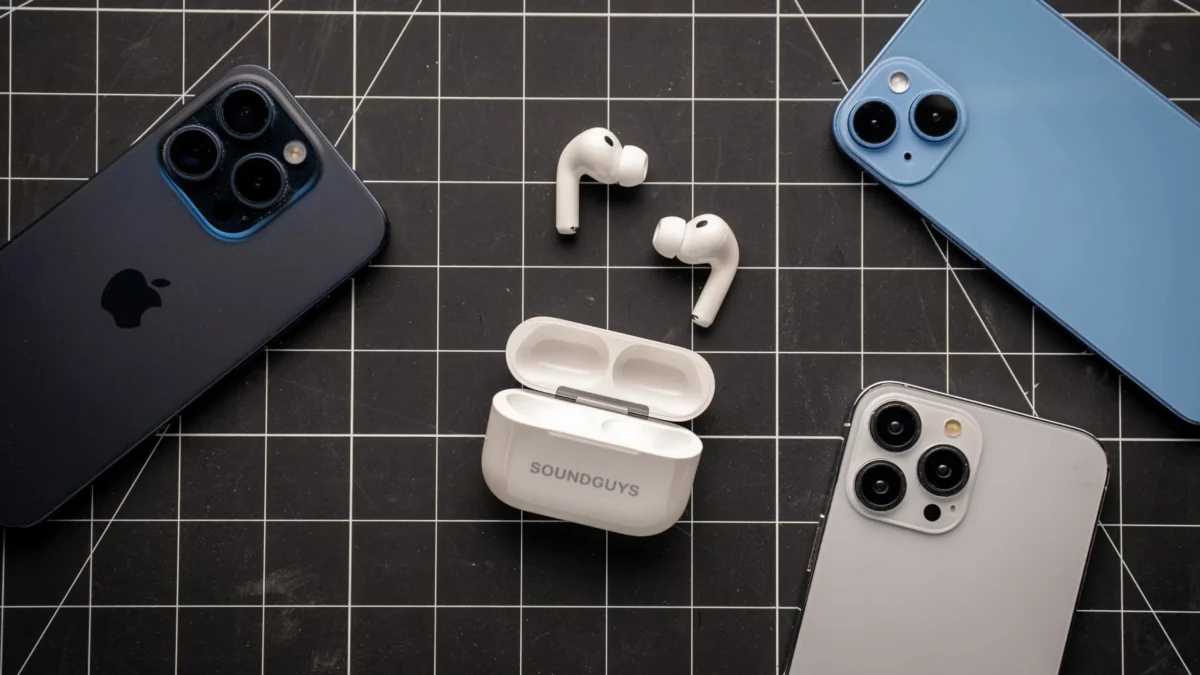
The competitive landscape of premium personal audio is currently experiencing a significant recalibration, as evidenced by the latest pricing maneuvers for Apple’s AirPods Pro 3. These wireless in-ear monitors, long positioned at the apex of the consumer electronics hierarchy, particularly for users entrenched in the Cupertino ecosystem, have seen their market valuation dip to near-historic lows on Amazon. This aggressive discounting, coinciding with a major seasonal sales event, transforms the calculus for prospective buyers who have historically balked at the device’s full retail proposition.
The current offering sees the AirPods Pro 3 listed at $199, representing a substantial $50 reduction from the standard $249 MSRP. From a historical perspective on this specific retail platform, this figure marks the second-most attractive price point recorded, surpassed only by an ephemeral, single-day flash promotion conducted earlier this year. This pricing trend is indicative of several underlying market dynamics that warrant deeper examination beyond the immediate savings.
Contextualizing the Apple Premium and Market Maturity
To fully appreciate the significance of this price adjustment, one must first consider the traditional positioning of the AirPods line. Apple has consistently commanded a significant "ecosystem premium." The inherent value proposition of AirPods is not solely derived from their hardware specifications—though those are considerable—but from the seamless, near-magical integration they offer with iPhones, iPads, and Macs. Features like instant pairing, automatic device switching via the H2 chip, and deep Siri integration create significant switching costs for long-term Apple users, justifying a higher baseline price compared to functionally similar competitors.
However, the audio accessories market has matured considerably since the original AirPods debuted. Increased competition from established audio giants (Sony, Bose) and nimble, feature-rich challengers (Samsung, various Android-focused brands) has forced a re-evaluation of pricing strategies across the board. When a product like the AirPods Pro 3, representing the pinnacle of Apple’s portable audio engineering, begins to flirt with discounts that approach the lower tiers of the market, it signals that either inventory levels are high, or the lifecycle management of the product is entering a transitional phase ahead of a potential successor or significant hardware refresh.
The $199 mark places these premium buds in direct confrontation with high-end offerings from rivals that often retail at or below this point even without promotional pricing. While consumers are certainly paying a residual "Apple tax," the justification for that premium becomes more scrutinized when the discount is this pronounced.
Feature Set Analysis: Beyond the Ecosystem Lock-In
The enduring appeal of the AirPods Pro 3, even when divorced from the seamless Handoff functionality, lies in its advanced feature set. The core competency remains best-in-class Active Noise Cancellation (ANC). Independent acoustic testing consistently ranks the Pro 3 among the elite for mitigating low-frequency ambient noise—a crucial feature for modern commuters, remote workers, and frequent flyers.
Furthermore, the integration of proprietary Apple audio technologies elevates the experience. Spatial Audio, particularly when coupled with dynamic head tracking, moves the listening experience beyond simple stereo reproduction into a more immersive, positional soundstage. This capability, while technically functional across various platforms, is demonstrably optimized within the Apple environment.
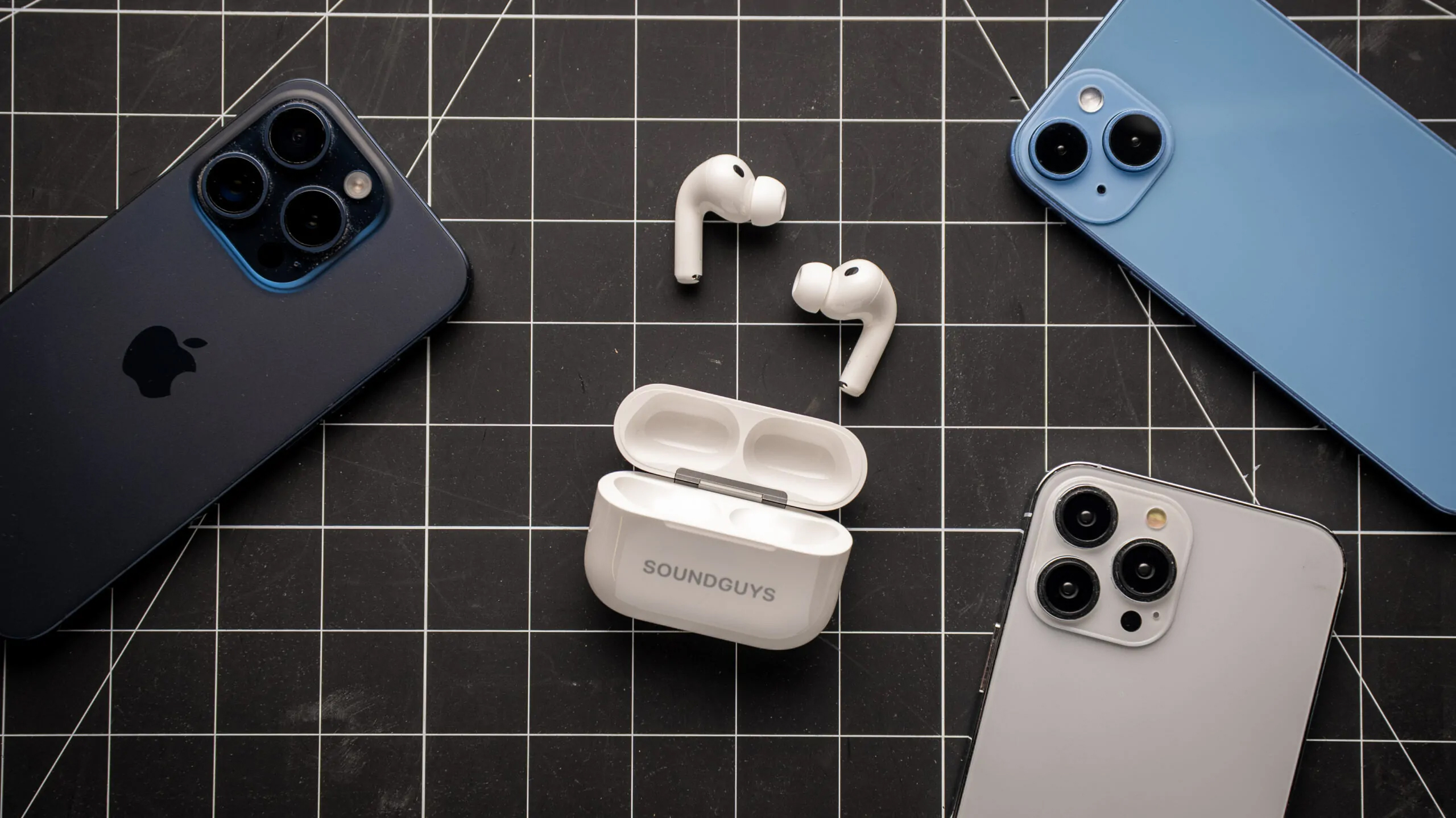
Crucially, the third generation introduced significant advancements that broaden its utility beyond mere media consumption. The incorporation of biometric sensors, specifically heart rate tracking, positions the AirPods Pro 3 as a legitimate, if secondary, health and fitness accessory. This move represents a strategic pivot for Apple, integrating core components of the Apple Watch ecosystem into its most portable accessory. Similarly, the introduction of dedicated features like Live Translation and enhanced accessibility modes, including a sophisticated hearing aid compatibility setting, broadens the product’s demographic reach significantly. These hardware additions provide tangible, measurable value that transcends the typical audio playback function, lending more weight to the discounted price tag. The IP57 rating for dust and water resistance further cements their status as durable, everyday companions, differentiating them from earlier, less ruggedized iterations.
Industry Implications: The Pressure on Premium Pricing
This aggressive discounting event has ramifications that ripple throughout the entire consumer electronics sector. When a market leader like Apple signals a willingness to significantly reduce the price floor of its current flagship product, it effectively lowers the perceived value ceiling for all competitors in the premium segment.
- Competitive Response: Rival manufacturers, already fighting to gain market share, may feel compelled to respond with deeper, more frequent promotions on their own high-end models (e.g., Sony WF-1000XM series, Bose QuietComfort Ultra). This can trigger a "race to the bottom" effect, compressing profit margins across the board, or, alternatively, forcing competitors to lean harder into non-discountable value propositions, such as superior battery life or cross-platform compatibility guarantees.
- Consumer Expectation Reset: Frequent sales condition consumers to wait for promotional pricing rather than purchasing at MSRP. For Apple, which traditionally relies on strong initial demand at full price, this signals a necessary adaptation to a more discount-sensitive market environment. It suggests that the product lifecycle, perhaps influenced by the looming release of the next iteration, requires price elasticity to maintain sales velocity.
- The Accessory as a Gateway: For Apple, the AirPods Pro 3 at $199 acts as an exceptionally effective gateway drug into the broader ecosystem. A user upgrading from older models, or a new user purchasing them alongside an iPhone, is more likely to invest in complementary Apple services or hardware later on. The discounted price effectively lowers the barrier to entry for ecosystem lock-in.
Expert Analysis: The Calculus of the "Near All-Time Low"
The descriptor "near all-time low" is important. It suggests that the current discount is substantial but perhaps not the absolute rock-bottom price seen during a momentary, unsustainable promotion. This positioning is strategically sound: it creates urgency without implying desperation.
From an audio engineering perspective, the improvements in the Pro 3—particularly the advancements in adaptive audio processing and driver tuning—warrant a high price point. Adaptive audio, which intelligently blends ANC and Transparency mode based on environmental sound profiles, requires sophisticated processing power. The investment in better fit and improved battery longevity also contributes to the total cost of ownership being perceived as lower over time.
However, potential buyers must weigh the immediate savings against the known trajectory of Apple product cycles. Typically, flagship accessories receive iterative updates every two to three years. Knowing that a Pro 4 model, potentially featuring advanced lossless audio codecs or further biometric integrations, is on the horizon, the current discount becomes a calculated risk assessment. Is the $50 saving worth accepting technology that may be superseded within the next 12 to 18 months? For many users whose current earbuds are failing or who are upgrading from the original Pro model, the answer is overwhelmingly yes, especially given the significant gains in ANC and integrated health monitoring.
Future Trends and Long-Term Impact
The trajectory of the AirPods Pro 3 pricing points toward several key trends shaping the future of truly wireless stereo (TWS) earbuds:
- Health Integration as Standard: The inclusion of features like heart rate monitoring in the Pro 3 is unlikely to remain exclusive to the "Pro" tier for long. As sensor technology miniaturizes and power efficiency improves, expect basic health tracking (steps, heart rate, perhaps even temperature) to become a baseline expectation for any premium TWS device, not just Apple’s.
- Spatial Audio Maturation: While Spatial Audio is impressive now, the industry is moving toward personalized audio profiles. Future iterations will likely utilize ear-scanning technology to tailor equalization and sound staging precisely to an individual’s unique ear canal geometry. The current discount may precede a generation where these personalized tuning features become the primary marketing differentiator, rendering the current hardware’s tuning slightly less unique.
- Cross-Platform Parity: The primary hurdle for Android users considering AirPods has always been feature disparity. While Apple is slowly opening up elements like Spatial Audio via standard Bluetooth protocols, the deep integration remains proprietary. As more high-fidelity wireless standards (like LE Audio) become ubiquitous, the competitive advantage Apple currently holds through proprietary chipsets (like the H2) will erode. This erosion necessitates aggressive pricing to capture the significant portion of the market that remains platform-agnostic or Android-centric.
In conclusion, the current Amazon promotion on the AirPods Pro 3 is more than just a temporary markdown; it is a barometer reading of the premium audio market’s current equilibrium. It offers an entry point to best-in-class noise cancellation and integrated health features at a price point that finally challenges the notion of an inviolable "Apple tax." For consumers, this represents an opportune moment to acquire top-tier technology, provided they accept the inherent trade-off of purchasing flagship hardware just before the inevitable technological leap of the next generation. The deal’s ephemeral nature underscores the volatility of consumer electronics pricing, demanding swift action from those seeking to maximize savings on this highly sophisticated piece of wearable technology.
