

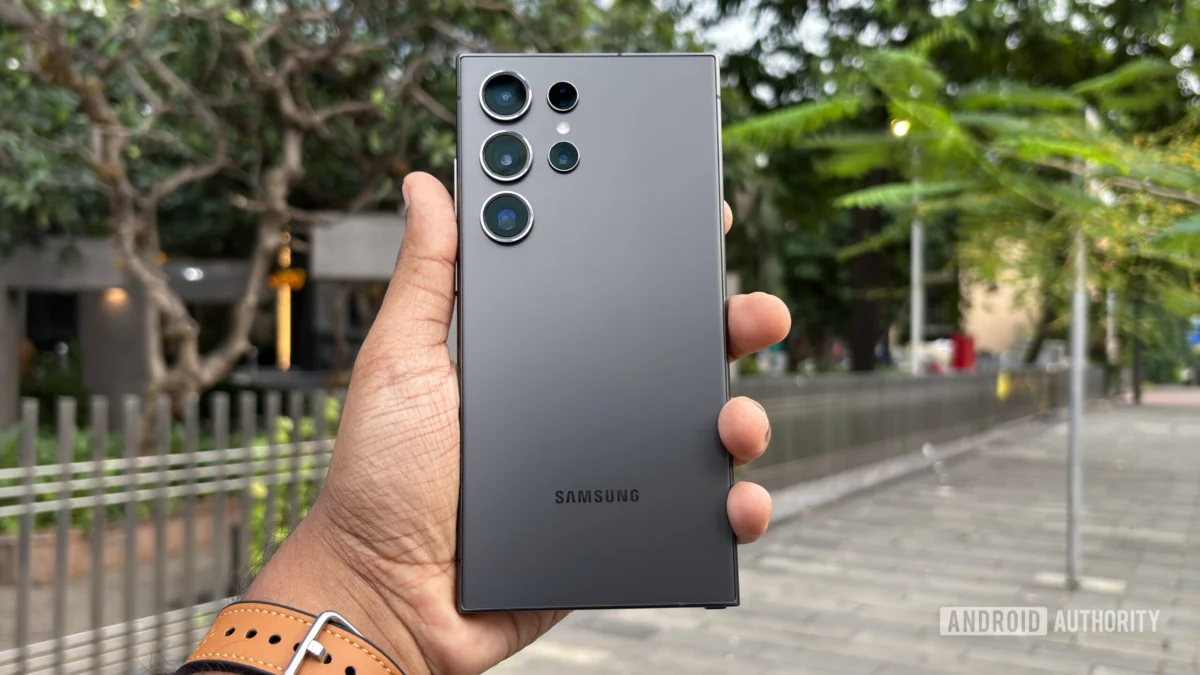
The cadence of major software updates in the Android ecosystem is a critical barometer for gauging manufacturer commitment to device longevity and feature parity. For Samsung, the rollout of its custom interface layer, One UI, atop the latest Android base—in this case, Android 17—is a meticulously managed affair, often characterized by a deliberate, phased introduction. Current indicators strongly suggest that the next significant milestone, the One UI 8.5 beta program, is on the immediate horizon for the current-generation Galaxy S24 series. This anticipation is being fueled by the emergence of internal build identifiers and preliminary change documentation, offering a rare, early glimpse into the refinements and additions Samsung engineers are finalizing before broader public testing commences.
The foundational context here is crucial. Samsung has established a pattern where its beta cycles begin with its most recent flagship devices, typically the Galaxy S series, serving as the initial proving ground for the next iteration of One UI. The Galaxy S24 family, having already benefited from numerous incremental One UI 8.0 updates, is now slated to receive the first taste of 8.5. This version is anticipated to be a substantial refinement, rather than a complete overhaul, building upon the significant AI-centric features introduced with the initial launch and subsequent updates. The transition to 8.5 is usually tied to optimizing the experience following the deployment of the foundational Android version, addressing bugs, and integrating deeper system-level enhancements before the subsequent major version (One UI 9.0) arrives next year.
Reports circulating through developer channels and community monitoring platforms have identified specific firmware versions pointing directly to this imminent deployment. For the Galaxy S24 series, build numbers such as S928BXXU5ZZCD—a nomenclature suggesting a Beta 1 release within the specific regional framework—have been observed. Similarly, the foldable counterpart, the Galaxy Z Fold 6, is also showing corresponding initial beta builds (e.g., F956BXXU3ZZCD), indicating a coordinated testing strategy across Samsung’s premium hardware lines. This synchronization is vital for ensuring consistent performance across different form factors before scaling the rollout.
Beyond the immediate flagship focus, the scope of the preparation extends further down Samsung’s product hierarchy. The digital infrastructure required for a public beta—specifically, the official One UI 8.5 forum pages—has reportedly been established not only for the S24 and Z Fold 6 but also for the Galaxy S24 FE, the unreleased Galaxy S25 FE, and the Galaxy Z Flip 6. This proactive setup signifies Samsung’s commitment to expanding the testing pool relatively quickly after the initial S24 rollout, acknowledging the importance of diverse user feedback across different tiers of devices, including the anticipated Fan Edition models which often bridge the gap between flagship and mid-range offerings.
The leaked changelog, even in its nascent form, usually serves as the most tangible evidence of the direction of the update. While specific, granular details often remain obscured until the official release notes are published, the mere existence of a changelog confirms that core feature sets are locked down and testing is moving into the validation phase. For One UI 8.5, analysts are keenly watching for updates related to Galaxy AI functionality, performance optimizations stemming from Android 17’s core advancements, and any subtle but significant adjustments to the user interface that enhance daily usability—perhaps refining the Quick Settings panel, improving multitasking workflows on foldable devices, or further tweaking the lock screen customization options that have been a focus in recent iterations.
The Industry Context: A Measured Pace in a Rapidly Evolving Landscape
To fully appreciate the significance of this impending beta, one must examine Samsung’s broader software strategy against the backdrop of the wider Android ecosystem. Google typically releases the stable version of its new Android operating system, Android 17 in this cycle, well in advance of many Original Equipment Manufacturers (OEMs) deploying their customized skins. Samsung’s process is notoriously measured. While this careful approach is often lauded for delivering a highly polished, feature-rich experience (One UI is generally considered one of the most comprehensive skins available), it can sometimes lead to a perceived lag in adopting the absolute latest platform features compared to devices running stock Android.
The current situation highlights this tension. With Android 17 established in the market, the deployment of One UI 8.5 represents Samsung’s integration and enhancement of that base. The slow pace noted in the original development cycle—where stable releases might only just reach the latest generation (e.g., the Galaxy S26 series in this hypothetical future timeline referenced in the initial report) while earlier flagships are still in beta—is a systemic challenge for any OEM managing billions of devices globally. Supporting such a vast portfolio requires rigorous regression testing to ensure that updates do not destabilize older hardware or introduce security vulnerabilities.
Furthermore, the sheer volume of software development dedicated to One UI has increased exponentially due to the integration of advanced machine learning capabilities under the Galaxy AI banner. One UI 8.5 is expected to be less about introducing entirely new, headline features and more about deeply embedding and optimizing the existing AI toolset, perhaps reducing latency, improving on-device processing efficiency, and expanding the availability of these features to the broader device range included in the beta. This optimization phase is often more complex than simply porting UI changes.
Expert Analysis: Deciphering the Beta Strategy and Device Inclusion
The specific device list participating in the initial beta—S24 series and Z Fold 6—is standard practice, prioritizing the newest, highest-margin hardware. However, the inclusion of forum preparation for the S24 FE, S25 FE, and Z Flip 6 offers valuable strategic insights.
- FE Series Integration: Including the FE models (even the unreleased S25 FE) in the forum structure early suggests a potential acceleration in bringing the latest One UI features to these mid-to-high-range devices. The FE line has become crucial for Samsung, offering near-flagship experiences at a more accessible price point. A smooth, early beta integration means these devices are less likely to face significant delays when the stable version rolls out later.
- Foldable Testing Priority: Placing the Z Fold 6 directly alongside the S24 series in the initial beta confirms that foldable-specific optimizations remain a top engineering priority. Foldables require unique considerations for display continuity, hinge animations, and multi-window management, all of which must be rigorously tested with the new OS layer. The performance of One UI on large, dynamic screens dictates the success of the entire foldable lineup.
- The Beta Iteration Count: The observation that the S25 series is already deep into its eighth beta release highlights the iterative nature of modern software development. A stable release cycle for a major version like One UI 8.5 is not achieved in a few quick patches; it demands numerous cycles (often 8 to 10) to iron out issues reported by early adopters. This lengthy process, while sometimes frustrating for users awaiting stability, is indicative of Samsung’s commitment to quality control before mass deployment.
The perceived slowness of the rollout, as noted by the comparison to the time elapsed since the underlying Android release, needs to be contextualized within Samsung’s massive ecosystem commitment. Unlike smaller manufacturers, Samsung must ensure compatibility across dozens of device models spanning multiple years of hardware revisions, from the flagship S series down to A-series mid-rangers and a variety of tablets. This requires a far more complex Quality Assurance (QA) matrix than is necessary for a platform owner like Google.
Future Impact and Trends: Beyond the Interface Tweaks
The transition to One UI 8.5 is not merely about aesthetics; it is a bridge to the future of Samsung’s software ecosystem, heavily influenced by evolving industry trends:
1. Hyper-Personalization and AI Deepening: Future software updates, starting with the underpinnings of 8.5, will likely focus on moving AI from discrete features (like Circle to Search) to pervasive, context-aware assistance. This means background processes optimized by the new OS version will allow AI features to consume less battery and operate more smoothly in the background, anticipating user needs across different applications. We anticipate deeper integration into Samsung Wallet, Health, and Knox security protocols, leveraging the enhanced security primitives within Android 17.
2. Enhanced Cross-Device Continuity: As the industry moves toward a more interconnected ecosystem (epitomized by Apple’s seamless integration), Samsung must continuously refine its "Continuity" features across phones, tablets, PCs (via Windows integration), and wearables. One UI 8.5 beta testing will undoubtedly include stress tests on these handoffs—instant hotspot tethering, seamless media transfer, and unified notification management. Any instability in these areas during the beta phase will necessitate extensive patches before the stable launch.
3. Sustainability and Longevity: Samsung’s industry-leading commitment to four major OS updates and five years of security patches is a core selling point. The efficiency improvements baked into One UI 8.5, enabled by the new Android kernel, are critical for meeting these longevity promises. A more efficient OS build ensures that older hardware receiving this update can maintain acceptable performance levels years after launch, directly reinforcing the value proposition of Samsung’s extended software support policy.
4. The Role of Early Feedback: The expansion of the beta program to include the FE models underscores the strategic importance of user feedback from a broader demographic. While S24 users provide high-end performance data, FE users often push the limits of performance on slightly less powerful chipsets or configurations, exposing bottlenecks that might otherwise be missed in a tightly controlled flagship test environment.
In summary, the emerging evidence—the presence of finalized build numbers and the establishment of necessary testing infrastructure for a wide array of devices—signals that the One UI 8.5 beta is imminent for the Galaxy S24 series. This event is a crucial checkpoint in Samsung’s annual software development cycle, promising refinements to the AI experience and foundational stability before the code is hardened for mass deployment across the Korean giant’s sprawling portfolio. While the pace may appear deliberate, it reflects the immense engineering undertaking required to maintain excellence across the world’s largest Android OEM.
