

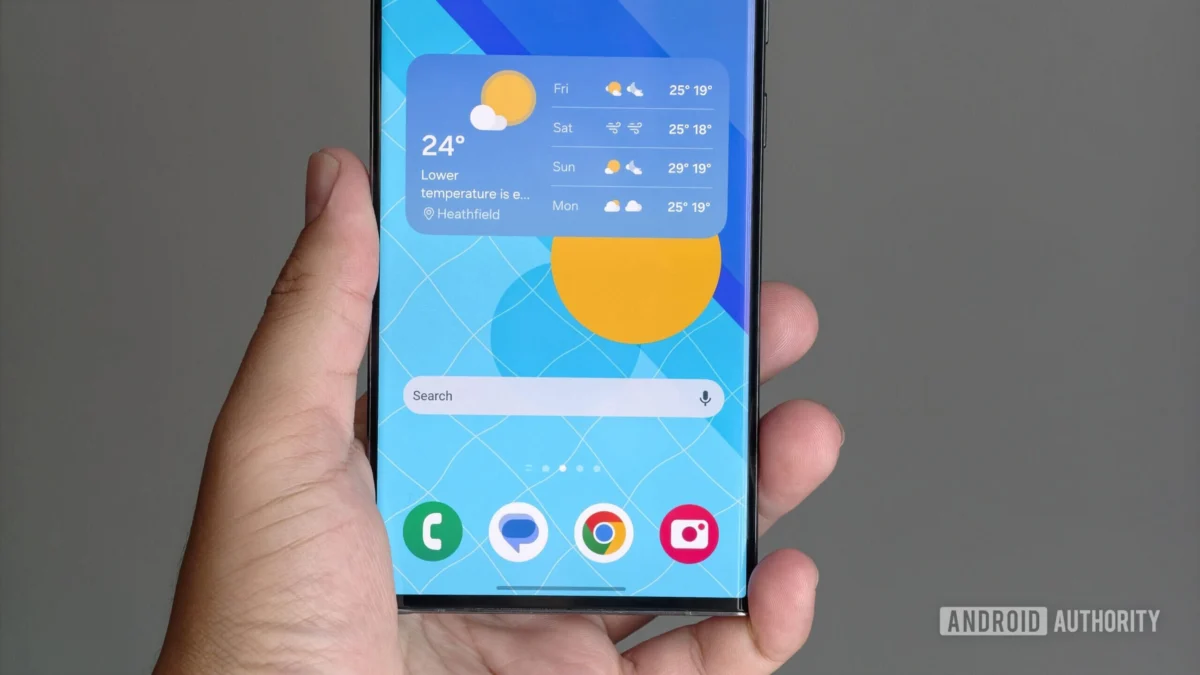
The sudden loss of a primary device—in this case, a Google Pixel 7 Pro, lost unexpectedly to beachside theft in January—often forces rapid hardware recalibration. As a technology journalist with access to a wide array of contemporary Android hardware, the decision to adopt the slightly older but still highly capable Samsung Galaxy S23 Ultra as a full-time daily driver was pragmatic, driven by a need to thoroughly re-engage with the One UI ecosystem after years of focusing on Google’s pure Android experience. This transition from the reference stock Android of the Pixel line to Samsung’s feature-rich, heavily customized environment provides a unique, comparative lens through which to evaluate the current state of flagship mobile operating systems and hardware philosophies in 2026.
The context of this shift is crucial. The Pixel line has long been championed for its software purity, rapid updates, and computational photography prowess. Samsung, conversely, has carved out a niche through unparalleled feature density, hardware versatility (epitomized by the S Pen and DeX), and a commitment to comprehensive customization via tools like Good Lock. My immersion into the S23 Ultra as a complete daily driver—handling everything from sensitive financial transactions to intensive productivity workflows—has illuminated both the convergence points and the persistent ideological chasms between these two Android titans.
The Unexpected Convergence: Where Samsung Mirrors Pixel Strengths
One of the most surprising aspects of the transition was the realization that Samsung has actively integrated or surpassed several features previously considered exclusive to the Pixel experience. This suggests an industry-wide acknowledgment of user preferences, forcing even Google’s closest rival to adapt.
For instance, Pixel users often cite superior call management features as a key differentiator. Samsung’s One UI now incorporates sophisticated call transcription services and robust on-device recording applications that rival, and in some cases exceed, Pixel’s capabilities, particularly regarding the broader international availability of call recording features—an area where Google historically lagged due to regulatory caution.
Furthermore, while the current industry buzz centers heavily on proprietary "AI" suites, the S23 Ultra provided access to a suite of matured Galaxy AI functionalities that resonate with the Pixel experience. Features such as in-line webpage summarization, writing assistance tools, and real-time call translation offer functional parity for users interested in productivity augmentation, even if the underlying execution differs from Google’s Gemini integration. This demonstrates a competitive response from Samsung, ensuring that users migrating from Pixel do not feel immediately deprived of foundational intelligent features.
Beyond AI, the sheer accumulation of quality-of-life enhancements within One UI is substantial. Features like Modes and Routines offer deeply integrated automation that often requires third-party apps on stock Android. Elements like Dual Messenger (for managing separate work and personal accounts on social apps), sophisticated stacked widgets, and granular security settings such as one-time passwords for Wi-Fi hotspots or power-off verification underscore Samsung’s philosophy of providing user control at every conceivable touchpoint.
The Power of Customization: Good Lock and DeX
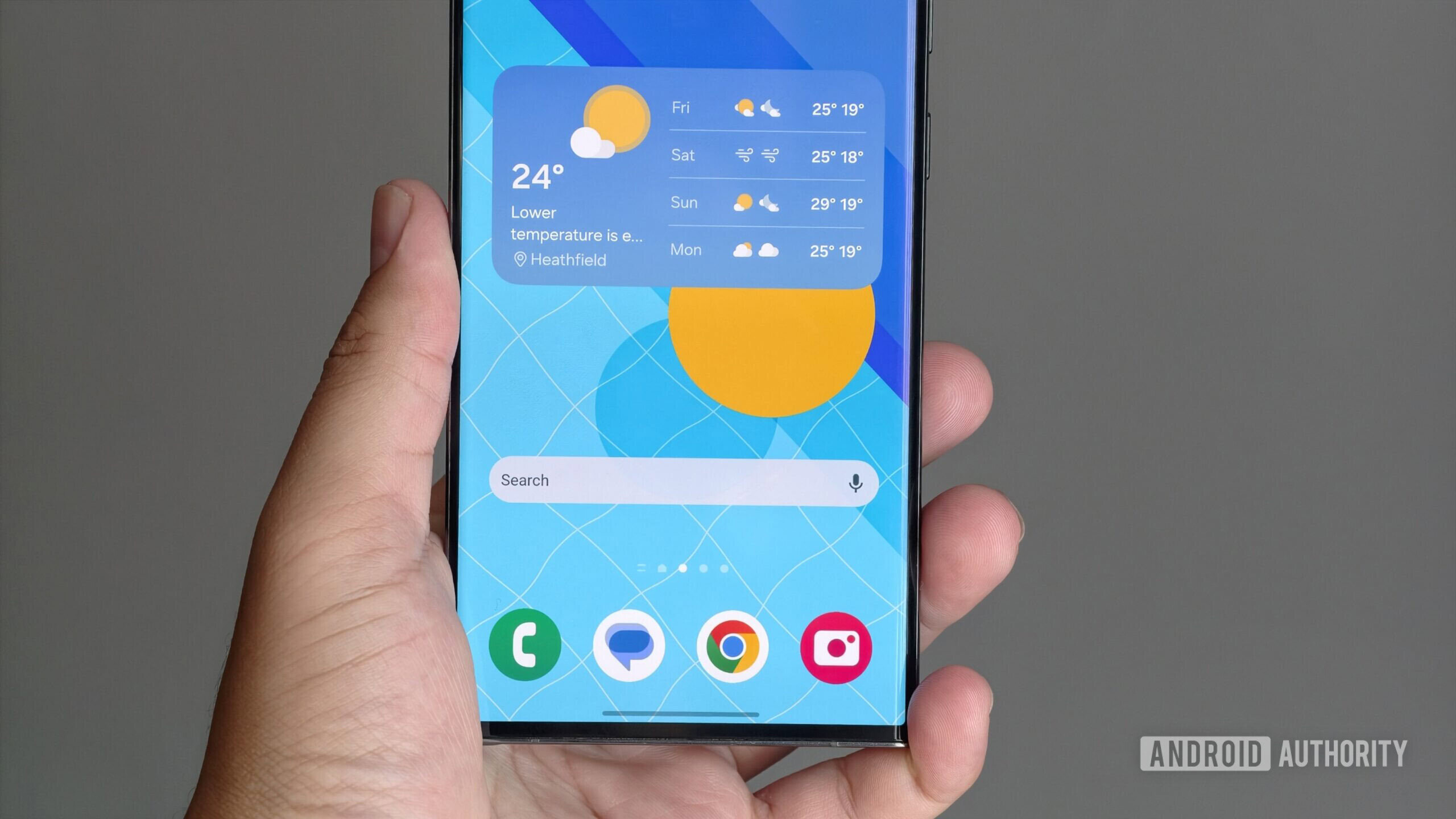
A significant advantage that immediately separates Samsung’s premium offerings from the Pixel experience is the dedicated customization framework known as Good Lock. While the core One UI aesthetic might sometimes feel dense compared to Google’s Material You, Good Lock modules unlock levels of personalization unavailable on any other mainstream Android device. Specific utilities, such as Sound Assistant for per-app volume control or Camera Assistant for granular camera tweaks (like Quick Tap Shutter), offer professional-grade control over hardware functionality that stock Android typically reserves for developers. This highlights a key industry implication: while Google focuses on the ideal user experience, Samsung caters to the power user by offering modular tools to refine that experience. The lack of a comprehensive, manufacturer-backed equivalent from Google remains a significant gap in their software offering.
The productivity suite, DeX, also remains a compelling differentiator. While the author admits infrequent use, the capability to transform the smartphone into a near-desktop environment is a unique proposition. Even with Samsung’s recent recalibration of DeX atop Android 16’s native desktop mode—which reportedly introduced some performance regressions compared to older One UI iterations—it remains functionally superior to the nascent desktop mode found on contemporary Pixel devices. This superior implementation sets a high bar for mobile productivity integration, showcasing Samsung’s long-term vision for convergence between mobile and PC workflows.
Performance, Longevity, and Hardware Endurance
From a pure performance standpoint, the Snapdragon 8 Gen 2 for Galaxy chipset within the S23 Ultra proves remarkably resilient even well into 2026. It handles demanding multi-tasking and advanced emulation tasks with ease, potentially offering superior raw compute power for specific benchmarks compared to the contemporaneous Pixel Tensor-based offerings.
Battery life has proven exceptionally dependable, often stretching to 1.5 days of moderate to heavy use. More critically, the longevity metrics provided by Samsung are noteworthy: the S23 Ultra is rated for 2,000 full charge cycles before battery capacity degrades to 80%. This contrasts starkly with the 1,000-cycle certification common for Pixel devices. From an ownership cost and environmental perspective, this doubled endurance rating suggests a far more sustainable device lifecycle, a critical factor in the high-end smartphone market where users increasingly seek longevity over yearly upgrades.
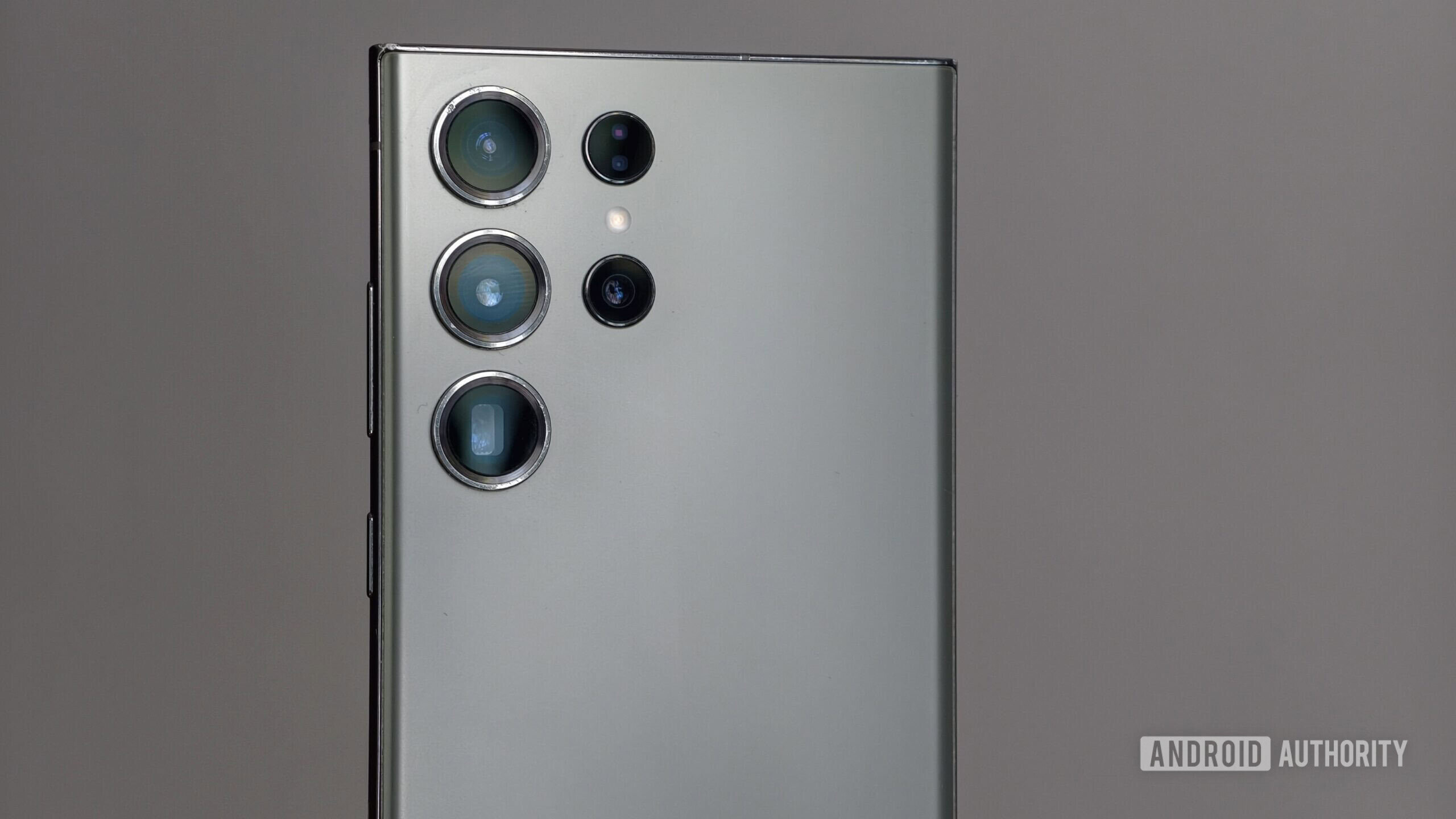
The camera hardware presents a more nuanced picture. While the computational photography output of the Pixel line is often lauded for consistency and natural processing, the S23 Ultra’s optical versatility is undeniable. The reintroduction of a dedicated 10x optical telephoto lens is highly valued for video capture and extreme zooming scenarios, even if the image quality of the lower-tier 3x and 10x sensors is occasionally judged as inferior to newer dedicated zoom lenses found on competitors. The ability to natively capture 8K video, eschewing the cloud dependency of features like Google’s Video Boost, appeals to users prioritizing local control over processing immediacy. Furthermore, the native editing tools within the Samsung Gallery app—including sophisticated object removal and moiré correction—are powerful additions that sometimes surpass the utility of Google Photos for quick, on-device adjustments.
The Persistent Deficits: Where Pixel Retains the Crown
Despite Samsung’s comprehensive feature set, the transition highlights several areas where the Pixel ecosystem maintains a distinct, often intangible, superiority.
The most immediate irritant is the issue of pre-installed software, commonly termed "bloatware." The sheer volume of duplicate applications from Samsung and bundled Microsoft services creates an initial software overhead that the streamlined Pixel environment simply avoids. While the absence of in-system advertisements (unlike some Chinese OEM devices) mitigates the severity, it remains a point of friction for users accustomed to a cleaner slate. Furthermore, the visual language of One UI, while feature-rich, often feels visually heavier and less cohesive than Google’s evolving Material 3 design ethos, which embodies a modern, expressive approach to interface design.
The software experience gap is most pronounced in specific, deeply integrated utilities. Now Playing, Google’s passive, on-device music recognition feature, is profoundly missed. Its seamless, zero-interaction functionality—identifying ambient music on the lock screen without requiring an internet connection or opening an app—is a hallmark of the Pixel experience that Samsung has not replicated effectively. While third-party workarounds exist, they invariably involve compromises in battery consumption or responsiveness.
Equally missed is the functionality embedded within the Recents Menu on Pixel devices. The ability to contextually select and copy text or imagery from any application interface, even from files or proprietary formats that normally restrict selection, offers a level of system-wide data extraction utility that is absent or cumbersome within Samsung’s implementation. This speaks to Google’s control over core Android framework interactions.
The recent evolution of DeX under One UI 8, built upon Android 16’s foundational desktop mode, represents a potential regression for long-term power users. The move to align more closely with the OS baseline seems to have sacrificed the streamlined, optimized experience of previous DeX versions. This forces users prioritizing this desktop functionality into a difficult choice: either remain on older software (if hardware permits) or accept the newly introduced limitations.
The Samsung Keyboard experience has also proven challenging. After years of relying on the superior predictive capabilities and fluidity of Gboard, adapting to the Samsung native keyboard has been a significant hurdle. Even with aggressive configuration changes, such as disabling aggressive autocorrect, the typing experience frequently feels less accurate and less intuitive than the Gboard standard, reinforcing the perception that specialized input methods still require vendor-specific refinement.
Finally, the pace of software deployment remains a critical advantage for Google. While Samsung now matches the promised seven-year support window for major OS and security updates, the delivery timeline is inherently slower. Pixel devices receive day-one updates globally, while Samsung users often wait weeks, or even months, for feature parity on new Android versions. For users focused on security immediacy and early access to new platform features, this update cadence disparity is a non-trivial deterrent.
Industry Implications and Future Trajectories
The forced migration from Pixel to Samsung highlights a significant trend in the premium Android segment: feature saturation and convergence. Samsung is no longer just playing catch-up; it is actively leading in areas like hardware flexibility (S Pen, DeX) and software customization (Good Lock). However, Google retains dominance in the "magical" features—the seamless, almost invisible intelligence embedded into the system (Now Playing, superior photo consistency).
The industry implications suggest that the primary battleground is shifting away from raw specifications toward ecosystem depth and user empowerment. Samsung’s commitment to hardware longevity (2,000 cycles) signals a potential shift in consumer expectations regarding device lifespan, challenging the traditional 2-3 year upgrade cycle. If other OEMs follow suit with enhanced battery certification, it could fundamentally alter the sustainability narrative in mobile technology.
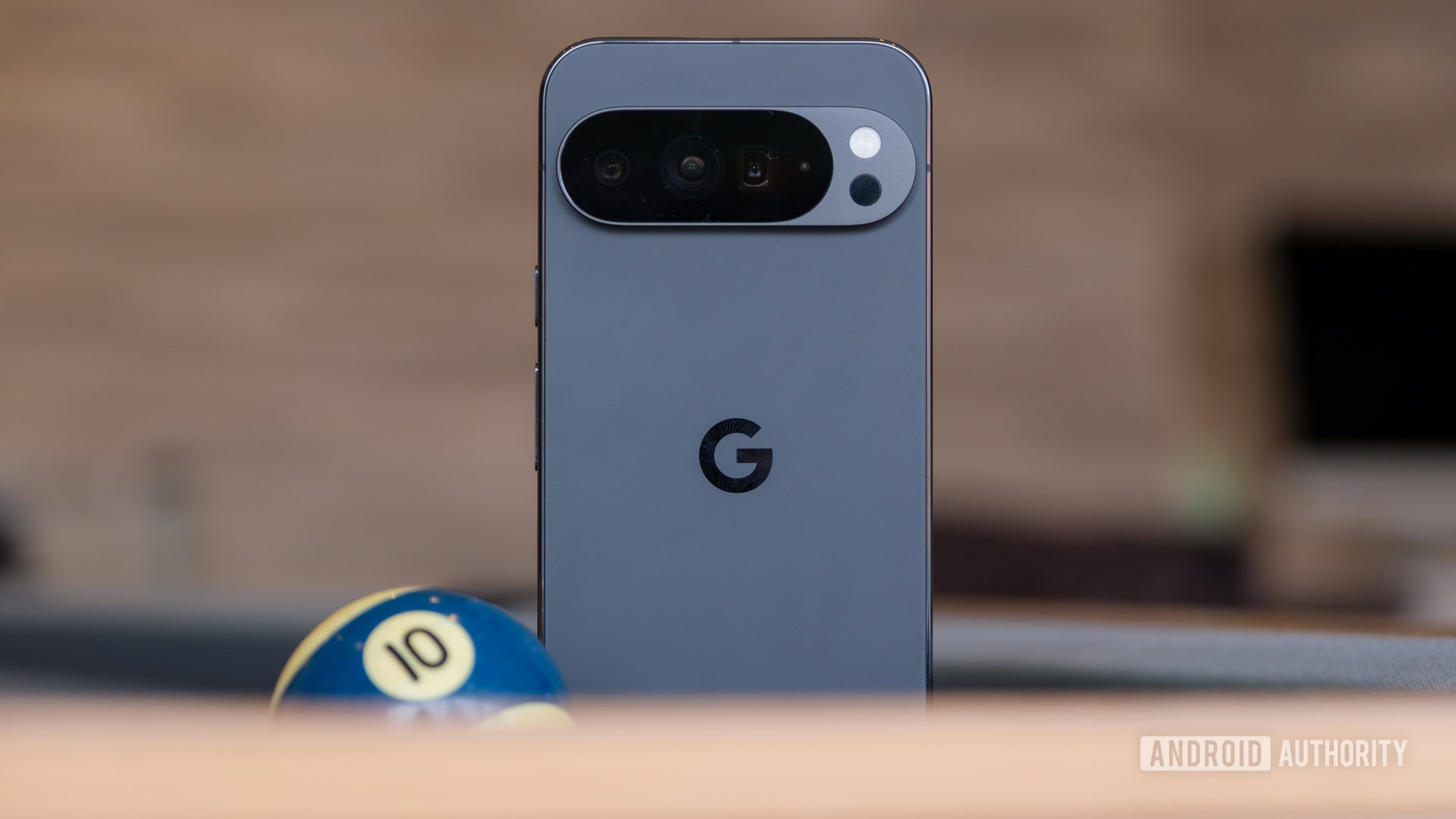
Conversely, the relative disappointment with the S23 Ultra’s camera performance when directly compared to the Pixel experience underscores the difficulty in replicating Google’s mastery of computational photography pipelines. While hardware zoom is superior, the overall consistency and color science of the Pixel remain the benchmark, suggesting that software optimization, rather than just sensor count, defines the high-end camera experience.
Final Assessment and Continued Usage
The switch was initially intended as a temporary immersion exercise, but the sheer capability and feature depth of the Galaxy S23 Ultra have proven compelling enough to retain it as the primary device through 2026. It executes the majority of tasks—performance, endurance, and feature access—to a high standard.
However, personal preference, informed by years of using the reference platform, leans toward the ecosystem that prioritizes simplicity and software velocity. If a personal purchase decision were being made today (2026), neither the current Samsung nor Google flagship would likely be the selection. Chinese competitors, such as those running highly optimized versions of ColorOS or OriginOS, often present superior hardware packages—especially regarding battery capacity and camera sensor selection—combined with surprisingly refined software experiences.
For the time being, the S23 Ultra stays in the pocket. It is a testament to Samsung’s strategy that a device a generation old still provides a richer feature set than many current competitors. The decision is pragmatic: its existing capability meets the threshold, and replacing a functional device is fiscally and environmentally irresponsible. The trade-off accepted is the periodic frustration stemming from missing those few, uniquely refined Pixel software graces. This comparison serves as a vital metric for the entire Android landscape: while feature parity is largely achieved, the soul of the operating system still resides in the subtle, often overlooked, daily interactions.
