

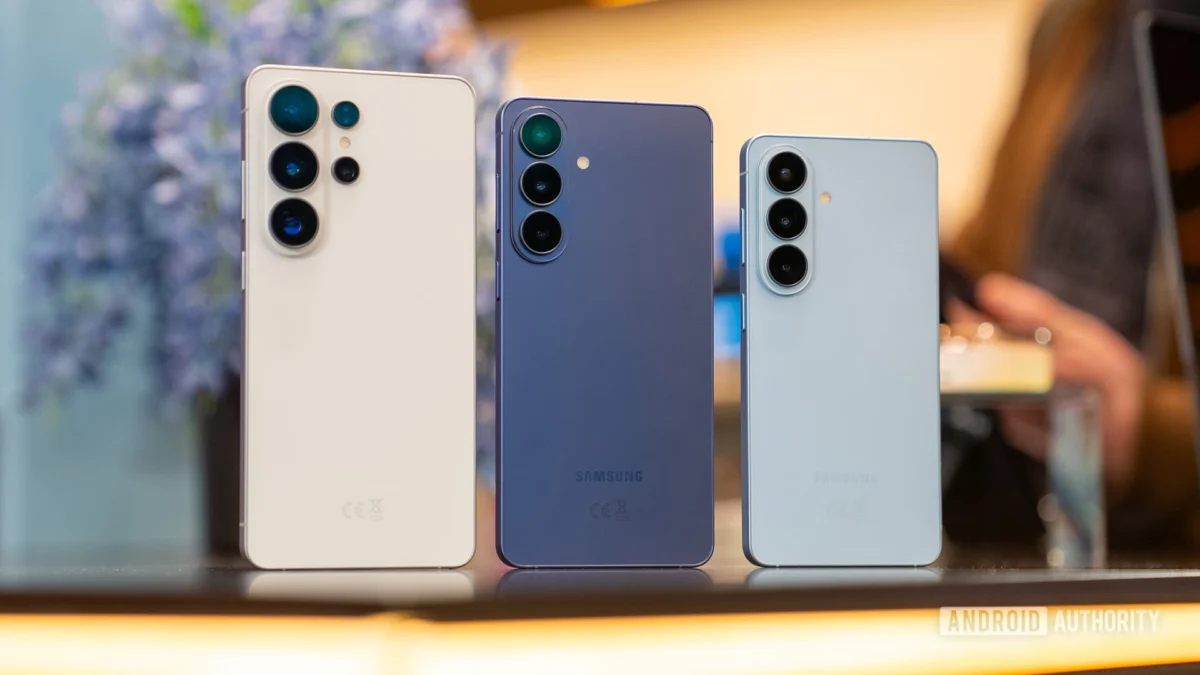
The contemporary smartphone market is characterized by fierce competition, particularly in the premium tier where incremental hardware upgrades often struggle to generate significant consumer excitement. In this environment, strategic promotional activities become crucial levers for driving initial sales velocity and market penetration. Currently, a notable incentive structure, primarily orchestrated through major e-commerce platforms such as Amazon, is offering substantial added value to consumers acquiring any model within the highly anticipated Samsung Galaxy S26 series. This promotion, which includes significant gift card bonuses irrespective of the chosen aesthetic configuration, signals a calculated effort by Samsung and its retail partners to maximize early adoption rates for their latest flagship devices.
This practice of bundling high-value digital currency—in this case, Amazon Gift Cards—with flagship hardware purchases is not new, but its deployment alongside the S26 launch merits deeper examination. Historically, such incentives served as necessary sweeteners during slower sales cycles or as aggressive counter-measures against a competitor’s blockbuster release. However, when tied to a primary launch window, it suggests a strategy focused on immediate revenue capture and ecosystem locking. By offering a tangible, immediately usable monetary reward, retailers bypass the usual decision fatigue associated with minor feature differences between SKUs, focusing the consumer’s attention squarely on the acquisition itself. The fact that color choice does not affect eligibility simplifies the purchasing path, reinforcing the idea that the incentive itself is the primary driver.
The S26 Lineup: A Segmentation Strategy Analyzed
Samsung’s tripartite approach with the S26 series—the base S26, the S26 Plus, and the S26 Ultra—represents a finely tuned market segmentation strategy aimed at capturing diverse user profiles while standardizing core silicon performance.
The Samsung Galaxy S26: The Compact Powerhouse
For the segment prioritizing portability and traditional handling ergonomics, the base Galaxy S26 remains compelling, even in an era where screen real estate is generally maximized. At 6.3 inches, this display size is increasingly rare in the premium segment by 2026 standards, offering superior one-handed usability. Critically, Samsung has ensured that this smaller form factor does not equate to compromised visual quality. The inclusion of a Dynamic LTPO AMOLED 2X panel with Full HD+ resolution and a fluid 120Hz refresh rate confirms that the visual experience is aesthetically premium.
The performance backbone is uniformly robust across the series, featuring the cutting-edge Qualcomm Snapdragon 8 Elite Gen 5 processor, paired with 12GB of RAM. This ensures that even the entry-level S26 handles intensive applications, advanced multitasking, and contemporary mobile gaming with ease. The imaging hardware comprises a capable triple-lens array (50MP primary, 12MP, and 10MP secondary sensors). The most significant compromise, as expected in a smaller chassis, resides in the battery department: a 4,300mAh cell. While optimized by the efficiency of the LTPO screen and the new generation chipset, sustained heavy usage might necessitate topping up sooner than users of the larger variants. Charging speeds are correspondingly modest—25W wired and 15W wireless—reflecting a design choice where physical space constraints dictate power delivery limitations.
The Samsung Galaxy S26 Plus: The Balanced Upgrade
The S26 Plus acts as the critical bridge, addressing users who desire a larger canvas without committing to the absolute maximal specifications (and associated cost) of the Ultra. The display expands significantly to 6.7 inches, notably stepping up the resolution to QHD+, while maintaining the smooth 120Hz variable refresh rate. This resolution bump is vital for media consumption and detailed productivity tasks.
The most meaningful upgrade beyond screen size is the battery capacity, which swells to 4,900mAh. This offers a substantial endurance improvement over the base model. Furthermore, the charging architecture is significantly accelerated, supporting 45W wired charging and 20W wireless charging. From an internal component perspective, the S26 Plus mirrors the core processing and memory configuration of the standard S26, positioning it as the sweet spot for users prioritizing screen size and battery longevity over specialized camera hardware or S Pen integration.
The Samsung Galaxy S26 Ultra: The Zenith of Mobile Technology
The Galaxy S26 Ultra is positioned not just as a phone, but as the definitive mobile productivity tool of the generation. This iteration reportedly achieves a new benchmark for slimness and weight reduction for the Ultra line, a remarkable feat considering the hardware packed within its frame. It boasts the largest 6.9-inch QHD+ 120Hz display, calibrated for peak brightness and color accuracy.
The defining feature remains the integrated S Pen stylus, which continues to offer a differentiated user experience in a market dominated by slab-style touchscreens. Performance is driven by the specialized Snapdragon 8 Elite Gen 5 for Galaxy, coupled with an explicitly enhanced thermal management system—a necessity for sustained peak loads, particularly those involving advanced on-device AI computations or high-fidelity 8K video capture.
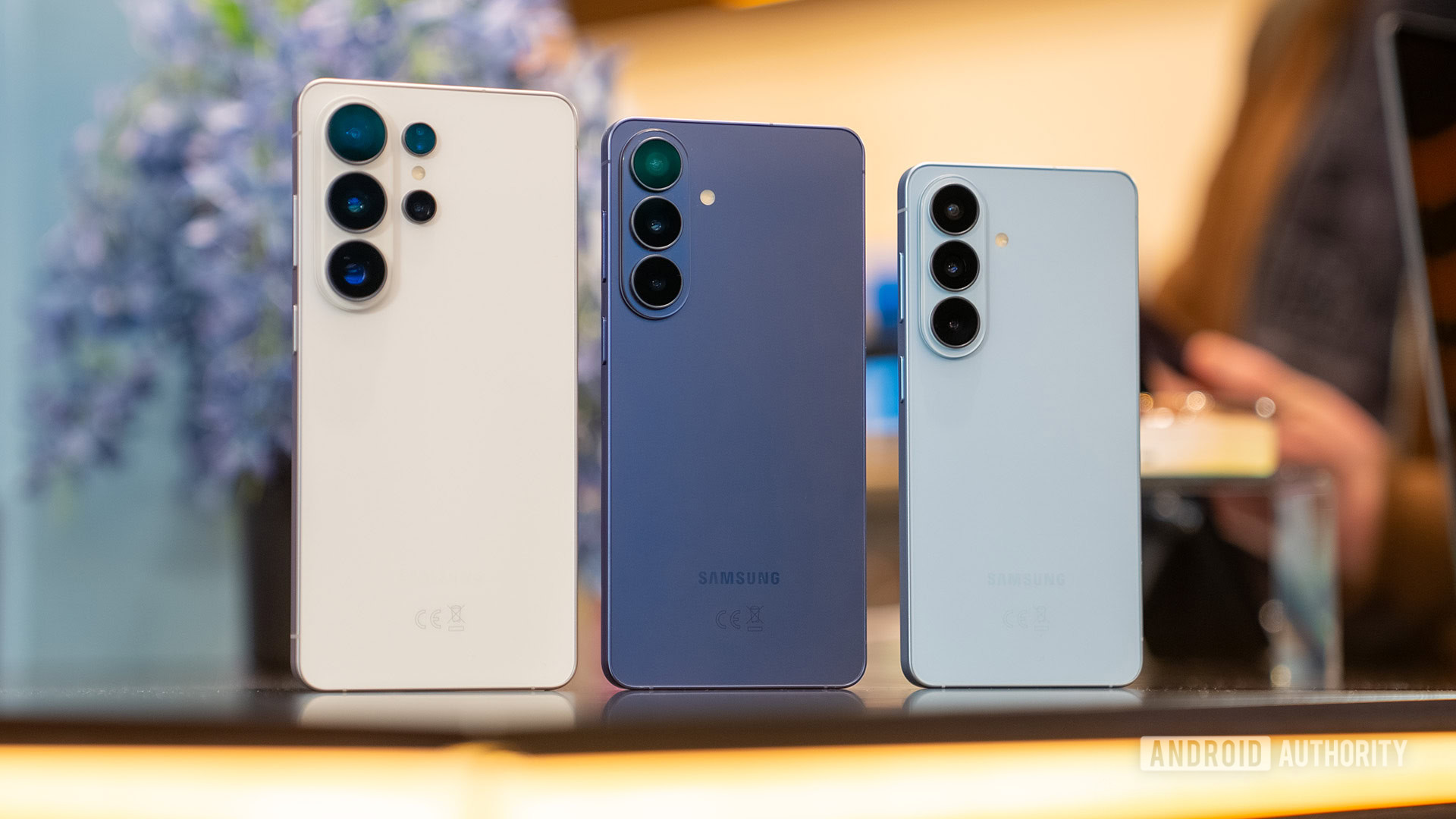
The camera system receives the most substantial technological differentiation. It features a quad-sensor array headlined by a massive 200MP primary sensor. The supporting optics include two 50MP sensors (likely ultra-wide and a telephoto/periscope unit) and a 10MP tertiary sensor. This hardware configuration suggests a significant leap in computational photography flexibility, particularly in low-light performance and optical/hybrid zoom capabilities. Powering this powerhouse is the largest battery in the lineup, a 5,000mAh cell, supported by the fastest charging standards: 60W wired and 25W wireless. The Ultra is clearly targeting power users, creators, and professionals who demand the utmost capability from their mobile device.
Industry Implications of Aggressive Early Incentives
The availability of significant gift card bonuses immediately post-launch provides crucial insight into the current dynamics of the high-end smartphone sector.
Firstly, it suggests that while the S26 series represents genuine generational refinement—particularly with the Snapdragon 8 Elite Gen 5 and advanced AI integration—the perceived jump in innovation might not be sufficient on its own to compel immediate upgrades from owners of the previous generation (S25 or even high-end S24 models). The incentive acts as a financial accelerator, bridging the gap between perceived need and the high upfront cost of flagship hardware.
Secondly, this promotional tactic emphasizes the critical role of retail partnerships. By channeling these offers through a platform like Amazon, Samsung gains immediate access to a vast, active customer base accustomed to seamless digital transactions. This strategy circumvents the often slower, more complex promotional cycles tied to carrier subsidies or direct-to-consumer channels, ensuring rapid distribution volume in the initial launch phase. For Amazon, hosting these promotions reinforces its position as the preferred destination for high-value electronics purchases, driving traffic and capturing associated ecosystem revenue (from future purchases using the gift card).
From a competitive standpoint, such promotions put immediate pressure on rivals, especially those launching competing devices in the same timeframe. Competitors must either match the value proposition or present a significantly differentiated feature set that justifies the higher net cost. This incentive effectively lowers the "entry barrier" to the S26 ecosystem, potentially poaching customers who were on the fence between brands.
Expert Analysis: The Evolution of Value Proposition in Flagships
The modern flagship smartphone narrative has shifted from revolutionary hardware changes to sophisticated ecosystem integration and computational prowess. The S26 series exemplifies this trend. The move to the Snapdragon 8 Elite Gen 5, likely incorporating advanced Neural Processing Units (NPUs) tailored for Galaxy AI features, suggests that the primary differentiator is software experience refinement rather than purely raw clock speeds.
The tiered approach to battery and charging further illustrates calculated engineering trade-offs. The base S26 model is optimized for efficiency and size, accepting slower charging as a necessary concession. Conversely, the Ultra prioritizes raw power delivery (60W wired), acknowledging that users demanding peak camera performance and processing power will inevitably tax the battery faster and require rapid replenishment. This fine-grained optimization ensures that each tier justifies its price point through targeted feature sets.
The continued commitment to the S Pen in the Ultra is a significant strategic anchor. In an era of increasing homogeneity in slab-phone design, Samsung maintains a unique selling proposition that commands a premium. This feature ensures that the Ultra remains indispensable for specific professional workflows that competitors cannot easily replicate without proprietary hardware integrations.
Future Impact and Trends: Ecosystem Locking and Longevity
The long-term impact of these launch incentives extends beyond immediate sales figures. A consumer who purchases an S26 series device today, bolstered by a $200 Amazon credit, is financially incentivized to remain within the Samsung/Android ecosystem for their accessories, services, and subsequent upgrades. This initial goodwill and financial boost contribute to higher customer lifetime value (CLV).
Looking forward, we anticipate an increased reliance on these "value-add" promotions over simple price drops for premium devices. As component costs stabilize and market saturation deepens, manufacturers will increasingly use third-party currency (gift cards, subscription bundles, service credits) as a more flexible and less brand-devaluing alternative to permanent price reductions.
Furthermore, the specifications highlighted—especially the 200MP sensor and advanced AI processing—point toward a future where smartphone utility is defined less by the moment of purchase and more by sustained performance over a longer ownership cycle. The emphasis on powerful processors and large RAM capacities suggests manufacturers are designing these devices to handle the next 3-4 years of increasingly complex operating systems and machine learning applications efficiently. The initial gift card acts as a catalyst, encouraging consumers to commit to this longer upgrade horizon.
The time sensitivity of these current promotions demands attention from prospective buyers. While the technical merits of the S26 series are substantial, the added, immediate monetary return offered by these specific retail partnerships presents a compelling, if temporary, financial argument for immediate adoption. Buyers must weigh the enduring hardware value against the immediate benefit of the bonus incentive before this window closes.
