

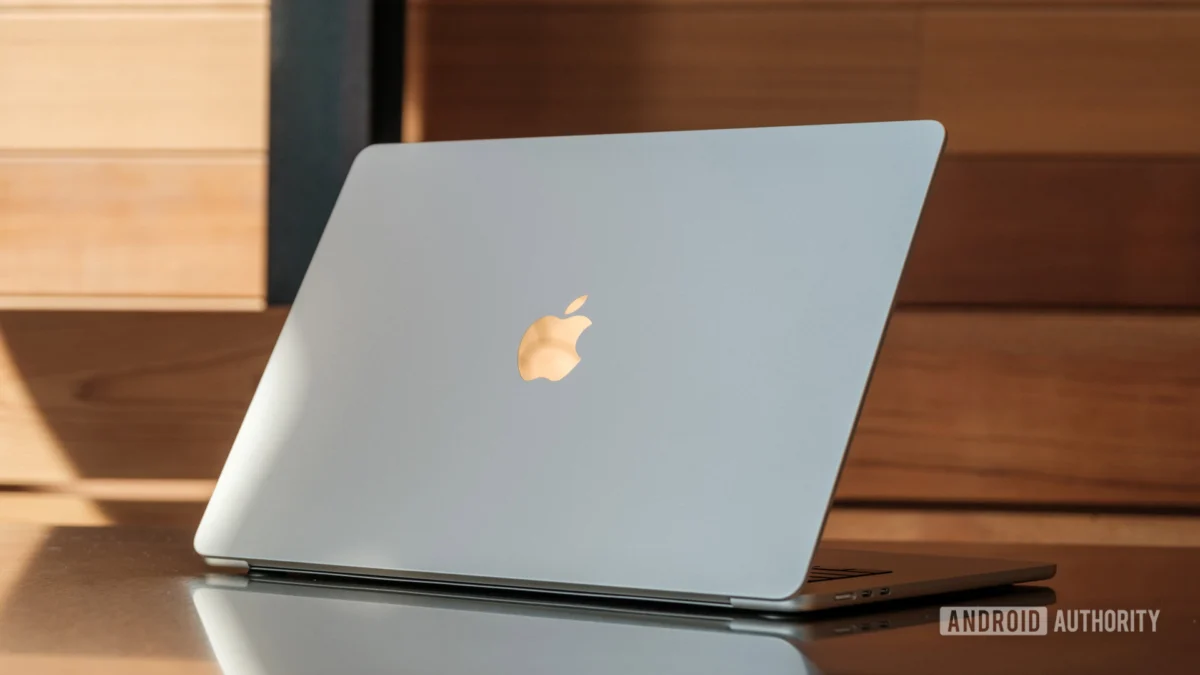
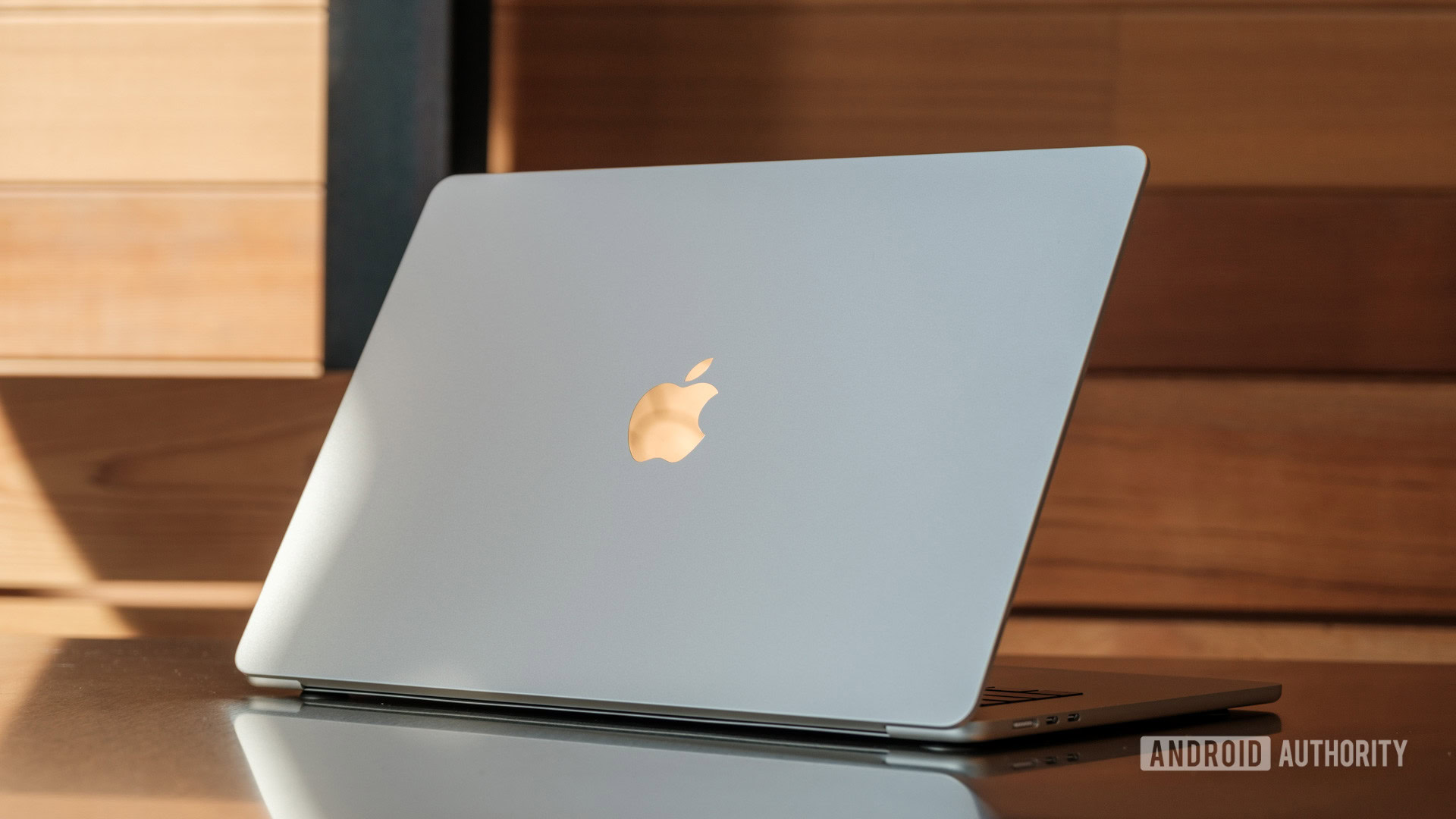
A significant pricing event has emerged, placing the highly capable 15-inch Apple MacBook Air, configured with the advanced M4 chip, 16GB of unified memory, and 256GB of solid-state storage, at an all-time low via Amazon. This aggressive markdown is applicable across the entire spectrum of available finishes, including the sophisticated Midnight, classic Silver, vibrant Sky Blue, and elegant Starlight. Such a steep reduction on a machine boasting Apple’s latest silicon architecture warrants a deeper examination of its market positioning and long-term implications for the portable computing landscape.
The iterative refinement of the MacBook Air line, particularly since the transition to Apple Silicon, has fundamentally altered expectations for thin-and-light notebooks. While the 13-inch variant serves as an excellent entry point for general productivity, the 15-inch model represents a crucial expansion of Apple’s ultra-portable category, addressing the segment of users who demand increased visual workspace without sacrificing portability. The addition of 2.3 inches of diagonal screen space—moving from roughly 13.6 inches to 15.3 inches—is not merely a marginal increase; it constitutes a substantial ergonomic improvement for intensive multitasking, detailed content consumption, and professional workflows. For users whose primary workstation is mobile, the difference in comfort and efficiency afforded by this expanded canvas is profound, all while retaining the remarkably slim profile that has become synonymous with the Air series.
Apple’s design philosophy for the MacBook Air has remained elegantly consistent for several product cycles, a testament to the success of its current industrial design language. This consistency is not stagnation; rather, it reflects a commitment to a refined, minimalist aesthetic executed in premium, aerospace-grade aluminum. This unibody construction sets an industry benchmark for rigidity and tactile quality, a standard that competitors frequently attempt to replicate, often falling short of the original’s material integrity and finish precision. In the current pricing climate, acquiring this iconic build quality, coupled with cutting-edge internals, at a historically low threshold presents a compelling value proposition rarely seen in Apple’s premium tier.
Moving beyond aesthetics, the internal specifications of the M4-equipped 15-inch MacBook Air position it far above its "Air" designation suggests in terms of raw computational capability. The integration of the Apple M4 System on a Chip (SoC) delivers a generational leap in performance efficiency, particularly in sustained workloads. This processor, designed with advanced neural engine capabilities, handles demanding tasks with remarkable ease. Benchmarks and real-world testing confirm that this configuration—even with the base 256GB SSD—excels at processes typically reserved for more powerful, higher-priced machines. Specifically, the ability to smoothly render and export complex 4K video streams or manage extensive, non-destructive RAW photo editing sessions in applications like Lightroom or Capture One is genuinely impressive for a machine positioned near the entry-level price point for a full-sized Apple laptop. Crossing the sub-$1,000 threshold with this level of processing power marks a significant inflection point in consumer electronics pricing strategy.
The user experience is further elevated by hardware considerations that leverage the larger chassis. While the 13-inch model offers a perfectly adequate audio experience, the 15-inch iteration integrates an enhanced six-speaker sound system. This upgrade significantly deepens the audio immersion for media consumption and conference calls, contributing substantially to the overall premium feel. Furthermore, Apple has equipped this larger model with a more robust power solution, often including the 35W Dual USB-C Port Compact Power Adapter, offering increased flexibility for charging peripherals simultaneously—a practical enhancement for power users.
The display itself remains a focal point of the MacBook Air experience. The 15.3-inch Liquid Retina display, boasting a high resolution of 2,880 x 1,864 pixels, delivers exceptional visual fidelity. Critically, its support for the full DCI-P3 wide color gamut is vital for creative professionals. This accurate color reproduction ensures that graphic designers, photographers, and video editors are viewing content with reliable color fidelity, making this laptop a viable tool for serious color-sensitive work, not just a high-end consumption device. Combined with the industry-leading Force Touch trackpad and the responsive, backlit Magic Keyboard, the tactile interaction with the machine is flawless, contributing to hours of comfortable use.
The inherent efficiency of the M4 architecture directly translates into industry-leading battery endurance. Rated for up to 18 hours of general use, this longevity significantly reduces reliance on the included power adapter, underpinning the machine’s bona fide portability. This sustained operational time, married with the machine’s relatively low weight of 3.3 pounds (a modest increase from the 2.7 pounds of the 13-inch model), solidifies its position as the ultimate daily driver for mobile professionals.
Industry Implications of Aggressive Pricing
This specific price action on a relatively recent M4 configuration carries substantial weight within the broader PC market. Historically, Apple maintains high margins on its hardware, and significant discounts on core models are rare outside of major seasonal sales events like the year-end holidays. The fact that this record-low pricing is occurring outside of that traditional window suggests a strategic realignment.
From an analytical standpoint, this pricing move could be interpreted in several ways. Firstly, it might indicate an aggressive push to rapidly expand market penetration in the ultra-portable segment, aiming to undercut competitors running Windows who are attempting to match the performance-per-watt metric achieved by Apple Silicon. By making the 15-inch M4 accessible at a price point that rivals mid-to-high-end Windows ultrabooks, Apple dramatically broadens the funnel for users considering the switch to macOS.
Secondly, such deep discounting often precedes a hardware refresh cycle. While the M4 chip is current, if internal roadmaps suggest the introduction of the M5 series within the next six to nine months, retailers are motivated to clear existing high-spec inventory to make room for the next generation. This benefits the consumer immediately, offering last-generation peak performance at entry-level pricing.
Thirdly, it reflects the maturation of the M4 platform itself. As manufacturing costs for the chip stabilize and supply chains normalize, the cost basis for Apple decreases, allowing retail partners to implement more aggressive margin erosion to drive volume sales. This democratization of high-end performance chips is a key trend defining the current decade in personal computing.
Expert Analysis: The M4 Advantage in a Portable Form Factor
The M4 chip deserves specific focus. It represents Apple’s continued investment in heterogeneous computing, utilizing specialized engines for AI/ML tasks, advanced media encoding/decoding, and traditional CPU/GPU workloads. For the general user, this translates into superior responsiveness in everyday tasks—snappier application launches, instantaneous web browsing, and seamless background processing. For the creative professional mentioned earlier, the specialized media engines drastically reduce render times, a crucial metric for productivity.
The pairing of 16GB of unified memory with the M4 is the sweet spot for balanced performance in this chassis. While 8GB configurations exist, the 16GB ceiling ensures that even heavy Chrome usage, paired with complex productivity software, avoids memory paging bottlenecks, maintaining the fluid experience Apple users expect. The 256GB SSD, while perhaps limiting for video editors managing massive projects, is sufficient for the vast majority of users who rely heavily on cloud storage solutions (iCloud, Dropbox, etc.), allowing them to prioritize the lower entry price point.
The engineering challenge Apple successfully navigated with the 15-inch Air was balancing thermal management with an aggressively thin chassis. Unlike the MacBook Pro line, the Air relies on passive cooling. The efficiency of the M4 architecture is key here; it generates substantially less heat under typical load compared to previous Intel or even early M-series chips, allowing the larger body to dissipate heat effectively without needing active fans, ensuring silent operation—a core tenet of the Air philosophy.
Future Impact and Emerging Trends
This pricing trend suggests a future where "prosumer" capabilities become standard, even in mainstream laptops. As AI integration deepens across operating systems and applications, the efficiency of the Neural Engine within the M4 becomes increasingly valuable. Laptops like this 15-inch Air, capable of handling on-device AI processing without spiking power draw or generating excessive heat, set the standard for mobile computing in an AI-centric environment.
Furthermore, the adoption of the 15-inch form factor by Apple is a powerful signal to the market. It validates the consumer desire for larger screens that are still genuinely portable, pressuring competitors to either shrink their own large models or offer comparable screen real estate at similar price points. This competition ultimately drives innovation in display technology, battery chemistry, and thermal design across the entire industry.
The continued allure of this specific model at this price point is its synthesis of form, function, and longevity. It offers a platform that will remain relevant, capable of handling software updates and performance demands for several years, thanks to the architectural advantages of Apple Silicon. For consumers who have been holding out for a significant reduction on the larger Air, this moment represents an opportunity to acquire a device that expertly balances portability, screen size, and professional-grade power, effectively bridging the gap between ultra-light travel companions and desktop-replacement performance machines. The timing suggests a brief window of exceptional value before inventory cycles normalize or the next hardware iteration arrives, urging swift consideration for those seeking to maximize computational power per dollar spent on a premium platform. The availability across all four signature colors further minimizes barriers for personalization, making the decision less about compromise and more about selection. This is more than a simple discount; it’s a strategic re-pricing that momentarily repositions the 15-inch MacBook Air M4 as arguably the best value proposition in the current high-end notebook market. The industry is watching closely to see how long this unprecedented market availability lasts.
