

The proliferation of portable power stations has transitioned from a niche market serving off-grid enthusiasts to a mainstream necessity, driven by increasing grid instability, the rise of remote work, and the sustained popularity of outdoor recreation. Within this burgeoning sector, Anker has firmly established itself as a benchmark for quality, reliability, and technological advancement. The current promotional window for the Anker SOLIX C1000 Gen 2—slashing its price by an exceptional 46%—represents a significant inflection point for consumers seeking premium energy backup or high-capacity field power. This limited-time incentive, facilitated directly through Amazon but fulfilled by Anker itself, is scheduled to expire precisely at 12:00 AM Pacific Time tonight, signaling the immediate end of this substantial cost reduction.
Anker’s reputation in the consumer electronics space is built on a foundation of rigorous engineering and dependable battery technology, often translating to a premium price point compared to lesser-known competitors. While patience is often rewarded with sporadic deep discounts, the magnitude of this specific 46% reduction on the SOLIX C1000 Gen 2 warrants immediate attention for any prospective buyer who has been tracking high-capacity portable power solutions. Delaying this decision means forfeiting a rare opportunity to acquire top-tier specifications at a drastically reduced investment level.
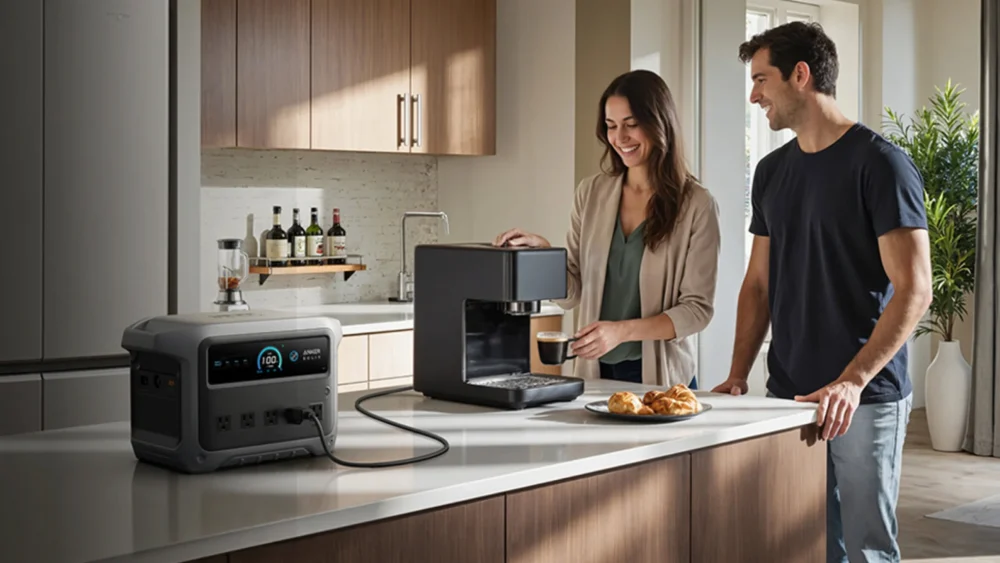
The SOLIX C1000 Gen 2 is meticulously engineered to bridge the gap between sheer capacity and practical portability, positioning it as a versatile tool for diverse applications. For homeowners facing unpredictable weather patterns or aging infrastructure, this unit serves as a robust emergency power reserve, capable of sustaining critical appliances during unexpected blackouts. Simultaneously, its design ethos caters perfectly to the demands of contemporary outdoor living—whether powering extended camping trips, supporting remote filmmaking operations, or serving as a mobile base station for digital nomads.
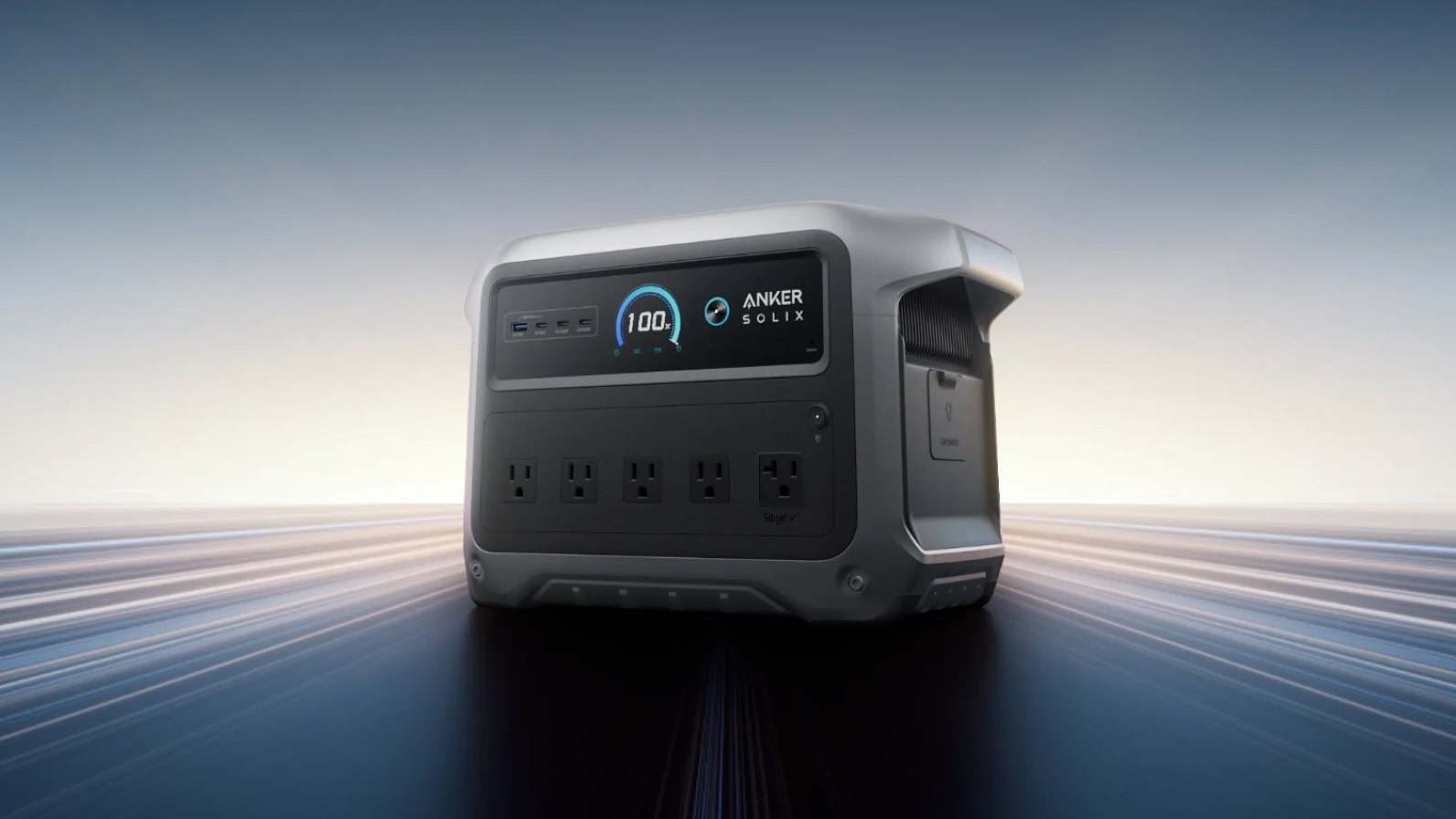
Weighing in at a manageable 24.9 pounds and featuring dimensions of approximately 15.12 x 8.19 x 9.61 inches, the unit strikes an enviable balance. This physical profile suggests that while it houses significant energy reserves, it remains within the realm of single-person portability—a crucial factor for ease of transport across campsites or maneuvering within a home during an outage scenario. This portability is not achieved at the expense of performance, which is where the SOLIX C1000 Gen 2 truly distinguishes itself within the competitive landscape.
Central to its utility is the formidable 1,024 Watt-hour (Wh) energy cell. Translating this technical specification into tangible usage scenarios provides critical context. This capacity is sufficient to recharge the latest generation of flagship smartphones roughly 67 times over. For household resilience, this translates to approximately 14 hours of continuous operation for a standard, energy-efficient refrigerator—a vital capability for preserving perishables during extended power loss. Alternatively, it offers enough juice to run a standard microwave oven for roughly one hour, illustrating its capacity to handle substantial intermittent loads.
The true metric of a power station’s capability, however, lies in its inverter output, and here the SOLIX C1000 Gen 2 demonstrates significant muscle. It boasts a continuous power output rated at 2,000W, capable of sustaining high-demand electronics without strain. Furthermore, the surge capacity is rated at 3,000W, allowing it to successfully initiate and run devices with high startup currents, such as motors found in certain power tools or, as referenced, residential microwaves (which commonly draw between 800W and 1,200W during operation). This high continuous output means users are not relegated to running only low-wattage electronics; they can confidently power essential, high-draw appliances that often define true emergency preparedness.
Connectivity options on the SOLIX C1000 Gen 2 are comprehensive, reflecting an understanding of modern power requirements. The unit is generously provisioned with five standard AC outlets, which are frequently the most sought-after ports for universal appliance compatibility. Beyond AC, the station is future-proofed with two high-output 140W USB-C Power Delivery (PD) ports, ideal for rapidly charging high-wattage laptops (like professional MacBooks or high-end gaming notebooks) or powering complex monitoring equipment. It supplements these with one standard 15W USB-C port and a legacy 12W USB-A plug for accessory charging. Rounding out the interface options is a 12V DC vehicle auxiliary socket, ensuring compatibility with older or specialized automotive-grade devices. This density and variety of ports mean the unit can simultaneously serve as the primary power hub for a small group or a complex workstation.
Industry Context: The Shift Towards High-Density, Rapid-Recharge Solutions
The Anker SOLIX C1000 Gen 2 arrives at a moment of intense technological maturation within the portable power industry. For years, consumers had to choose between high capacity (heavy, slow-charging) or high portability (light, limited duration). Innovations in Lithium Iron Phosphate (LiFePO4) battery chemistry have been instrumental in dissolving this trade-off. LiFePO4 cells, utilized in this Anker model, offer superior cycle life (often exceeding 3,000 full charge/discharge cycles before reaching 80% capacity retention) and enhanced thermal stability compared to older Lithium-ion chemistries, providing a critical safety and longevity advantage that justifies Anker’s premium positioning.
The sustained 2,000W output is particularly noteworthy. In the previous generation of 1000Wh-class stations, continuous outputs often topped out around 1,500W. The increased output capability of the Gen 2 model reflects an industry trend driven by consumer demand to power more than just lights and modems during an outage—they want to run essential kitchen appliances. This places the SOLIX C1000 Gen 2 in direct competition with entry-level home backup systems, offering mobile capability that fixed solutions cannot match.
Furthermore, the speed at which these units can be replenished is now a key competitive differentiator. While the original content focuses on the purchase price, the recharge speed is an often-underappreciated aspect of power station ownership. The ability to rapidly intake energy—typically via high-wattage AC charging or compatible solar arrays—minimizes downtime. A station that takes 12 hours to fully recharge is far less useful than one that can reach 80% capacity in under an hour, as the SOLIX line often achieves with its advanced charging protocols. This speed mitigates the impact of prolonged grid failures or maximizing solar capture during peak daylight hours.
Expert Analysis: Analyzing the Value Proposition of the 46% Discount
From an analytical standpoint, a 46% discount on a device from a tier-one manufacturer like Anker suggests either an aggressive market share acquisition strategy, a clear-out of existing stock ahead of a next-generation launch, or a strategic acknowledgment of increased competition driving down effective street prices. Regardless of the underlying commercial reason, the immediate impact on the consumer’s return on investment (ROI) is profound.
Typically, power stations are priced based on a combination of Wh capacity, inverter wattage, battery chemistry, and brand equity. A unit approaching 1kWh capacity with 2kW continuous output generally commands a specific price ceiling. A near 50% reduction effectively drops the SOLIX C1000 Gen 2 into a price bracket usually occupied by mid-range 600Wh to 800Wh units from less established brands. This places the consumer in the advantageous position of acquiring premium build quality, advanced safety features (like Anker’s proprietary BMS), and superior longevity (LiFePO4) for the price of an intermediate product.
The significance of the sale being fulfilled directly by Anker via Amazon cannot be overstated. Direct sales channels minimize potential grey-market risks associated with third-party sellers, ensuring the customer receives authentic warranty support and adherence to the manufacturer’s stated specifications and safety certifications. For a device handling high voltages and currents, this assurance of legitimacy is a non-negotiable element of the purchase decision.
Future Trajectories: Integration and Sustainability in Portable Power
Looking forward, the trajectory of portable power technology suggests several areas where the SOLIX C1000 Gen 2 fits—and where future innovations will emerge. We are seeing rapid advancements in smart grid integration. Future iterations of these power stations will likely feature advanced bidirectional communication capabilities, allowing them to intelligently manage power draw based on fluctuating utility rates or seamlessly integrate with smart home energy management systems.
The current model’s extensive port selection points toward the ongoing convergence of personal electronics and utility-scale backup. As more devices rely on high-wattage USB-C PD, the need for integrated, high-wattage DC conversion within the power station itself becomes paramount. The SOLIX C1000 Gen 2’s dual 140W USB-C ports anticipate this trend, reducing the need for bulky external adapters and maximizing charging efficiency directly from the battery core.
Sustainability is another key driver. The choice of LiFePO4 chemistry in this unit is a nod toward longevity, directly combating the e-waste cycle often associated with lower-quality battery products. As the industry matures, manufacturers will face increased regulatory and consumer pressure regarding battery recycling and end-of-life management. Anker’s continued investment in long-life chemistry positions them favorably in this evolving regulatory climate.
In essence, the SOLIX C1000 Gen 2 represents a mature, highly capable product operating at a temporary, deeply discounted price point. It is an aggressive offer that targets both the preparedness-focused consumer and the performance-demanding outdoor user. The expiration of this 46% discount tonight at the Pacific midnight deadline removes the substantial financial incentive, reverting the product to its standard premium valuation. For those needing robust, reliable, and versatile off-grid or backup power immediately, the window of opportunity is critically narrow. The decision now rests on immediate need versus the customary wait for the next significant promotional cycle. The market relevance of a 1kWh unit with 2kW continuous output remains high, regardless of the price point, but the current offer places it in a virtually unmatched value tier. This product is not merely a battery pack; it is a self-contained, high-output energy module designed for resilience in an increasingly unpredictable world. The features—from the durable physical casing to the comprehensive array of modern and legacy ports—are all calibrated to deliver dependable performance across a spectrum of demanding use cases, solidifying its standing as a benchmark device. Ignoring the end-of-day deadline means passing on a substantial saving that may not reappear for months, if at all, given the established premium pricing structure of Anker’s SOLIX ecosystem.
