

In a significant operational oversight, the artificial intelligence firm Anthropic recently inadvertently published the internal source code for its closed-source tool, Claude Code, via a routine update to the Node Package Manager (NPM) repository. While the incident did not result in a data breach concerning user information or private credentials, the unintended disclosure of nearly 500,000 lines of proprietary code marks a notable moment in the rapid development cycle of AI tooling. This event highlights the inherent risks of modern CI/CD (Continuous Integration and Continuous Deployment) pipelines when dealing with complex, high-stakes software environments.
The Anatomy of the Technical Oversight
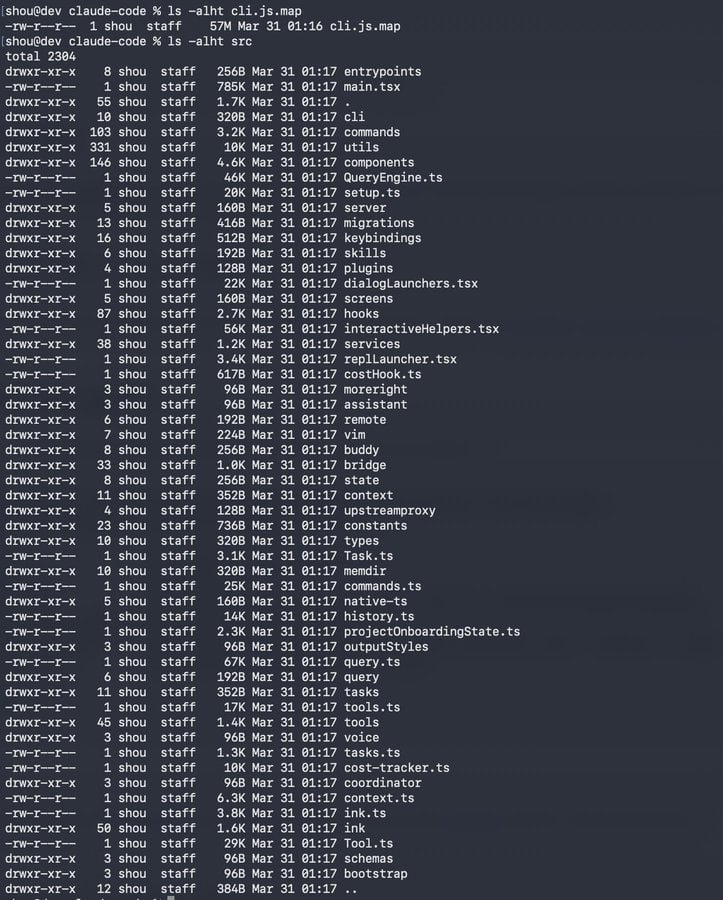
The leak originated from version 2.1.88 of the Claude Code package, which was pushed to the public NPM registry. The culprit was a 60 MB file labeled cli.js.map. In the JavaScript ecosystem, source maps are essential diagnostic artifacts; they serve as a bridge between the minified, obfuscated code running in a production environment and the original, human-readable source code.
The issue arose because the build process included a specific field known as sourcesContent within these map files. When this field is populated, the actual source files are embedded directly within the map itself. Consequently, any party who downloaded the package had immediate access to the entirety of the project’s internal logic. Security analysts noted that the resulting reconstruction revealed approximately 1,900 individual files. For a proprietary tool that Anthropic has kept strictly closed-source, this level of transparency into their development methodology, internal API interactions, and proprietary algorithmic implementation represents a significant loss of intellectual property control.
Implications of the Exposure
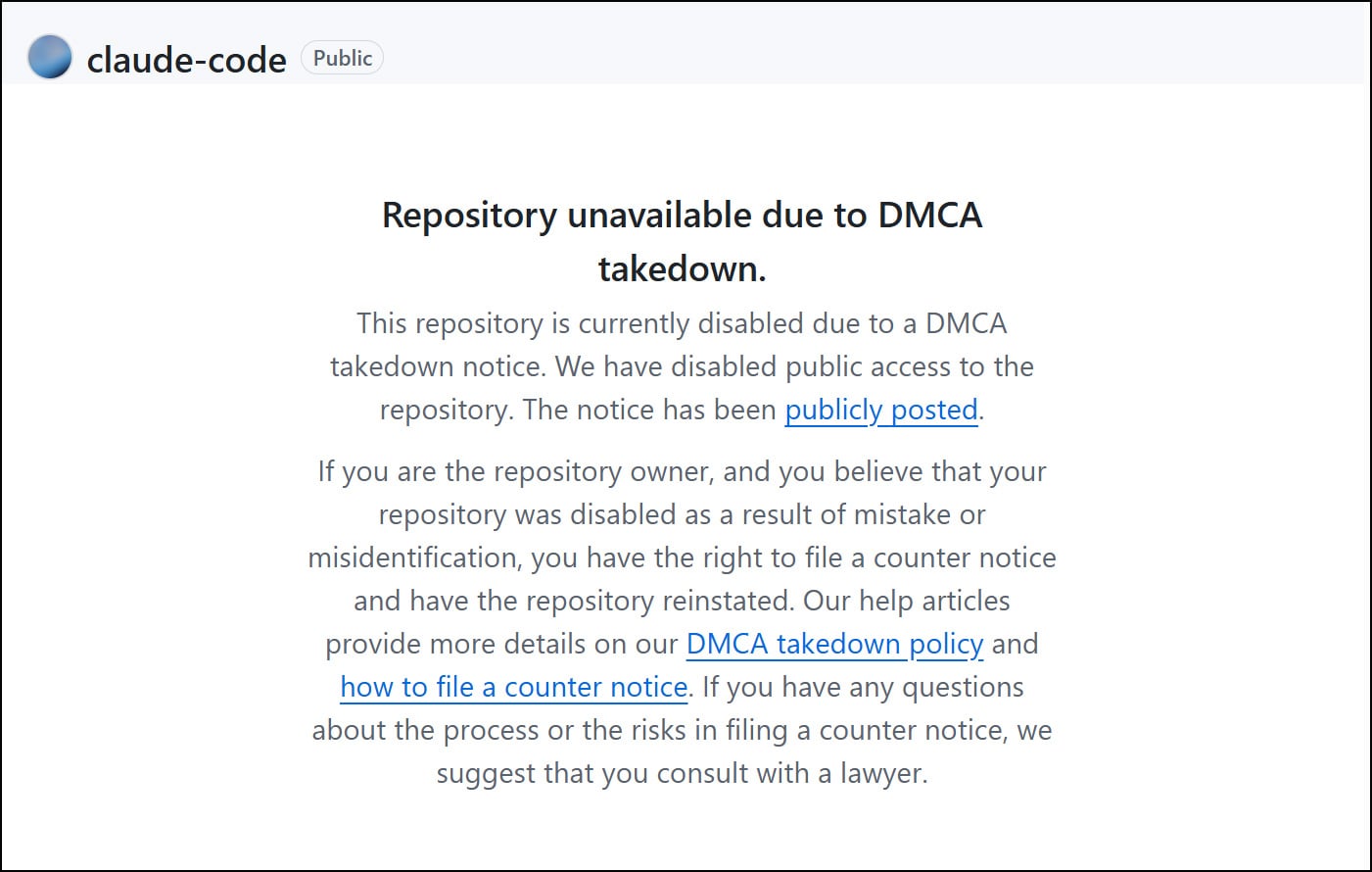
The immediate aftermath saw the source code circulating across various developer platforms and hosting services, prompting Anthropic to move quickly with DMCA takedown requests to mitigate the spread of the sensitive materials. Despite these efforts, the "genie-out-of-the-bottle" nature of the internet ensures that the code has already been thoroughly parsed by curious developers and security researchers.
The exposure has provided an unprecedented look into the roadmap and experimental features currently occupying the minds of Anthropic’s engineering team. Two particular discoveries have drawn significant industry attention: "Proactive Mode" and "Dream Mode."
Proactive Mode appears to be an experimental feature designed to shift the AI from a reactive assistant to a persistent agent capable of autonomous, 24/7 coding operations. Such functionality would represent a paradigm shift in how developers interact with AI, moving away from explicit instruction-response cycles toward long-term, goal-oriented collaboration.
Even more intriguing is the revelation of "Dream Mode." Based on the code analysis, this feature suggests an architecture where the AI maintains a background "thought stream" or persistent cognitive process. This mode would allow the model to refine project plans, iterate on solutions, and perform architectural maintenance while the user is away from the workstation. These features underscore a clear trend in the AI sector: the move toward autonomous software engineering, where the human role evolves from writing code to managing a sophisticated, intelligent agent.
The Broader Impact on the AI Development Ecosystem
This incident serves as a sobering reminder of the "human-in-the-loop" risks within automated deployment chains. Anthropic has maintained a strong reputation for safety and security, yet this leak highlights that even the most advanced organizations are susceptible to standard DevOps errors. The reliance on automated build scripts means that a single misconfiguration—such as failing to exclude sensitive artifacts from production builds—can have wide-ranging consequences.
Industry experts suggest that this will likely force a industry-wide reassessment of how proprietary AI tools are packaged and distributed. We may see a shift toward more rigorous, automated "pre-flight" checks that scan for the presence of source maps or sensitive metadata before any package is pushed to public registries. Furthermore, the incident underscores the vulnerability of modern web-based software distribution platforms, where the pressure for rapid updates often outpaces the safety protocols required to protect high-value intellectual property.
The Confluence of Infrastructure and Performance
The leak occurred against a backdrop of user frustration regarding the stability and reliability of Claude Code. Simultaneously with the source code exposure, many users reported a sudden and inexplicable decline in their usage limits. Reports flooded social media platforms, with power users noting that their quota, which previously allowed for extensive terminal-based interactions, was being exhausted at an alarming rate—sometimes reaching 100% after only a few minutes of standard operation.
This performance issue, which Anthropic later acknowledged as a bug, caused widespread speculation. In the absence of immediate, clear communication, the developer community questioned whether the company had intentionally throttled access to manage the costs associated with the model’s growing popularity. Anthropic’s subsequent confirmation that the issue was an unintended bug—and their commitment to treating it as a top-priority fix—did little to quell concerns regarding the fragility of AI-as-a-service models.
The convergence of an intellectual property leak and a significant service-degradation bug creates a difficult narrative for the company. It highlights the tension between the need for high-speed feature iteration and the necessity of maintaining robust, reliable infrastructure. For users relying on Claude Code for professional-grade software development, the stability of the tool is paramount. When usage limits act erratically, the tool loses its utility as a reliable productivity multiplier, regardless of how advanced the underlying "Dream" or "Proactive" modes might be.
Future Trajectory and Lessons Learned
Moving forward, this event is likely to become a case study in software supply chain security. As firms continue to build increasingly complex AI agents, the code behind these models becomes more valuable than the models themselves. The "secret sauce"—how these agents plan, reason, and interact with the file system—is what differentiates one service from another in a crowded market.
The incident also highlights the "double-edged sword" of the developer-focused AI tool revolution. By encouraging developers to hook AI directly into their local environments, companies like Anthropic are gaining massive amounts of usage data and feedback. However, they are also introducing new attack surfaces and operational liabilities that traditional software companies rarely had to manage.
The industry is entering a phase where the "black box" of AI is being forced open, both by design and by accident. As we look to the future, the winners in this space will be those who can maintain the delicate balance between rapid innovation and the rigorous, boring, but absolutely essential practices of secure software lifecycle management. Anthropic’s pledge to implement new measures to prevent a recurrence of this packaging error is a necessary step, but the industry will be watching closely to see if these promises translate into a new standard for operational excellence in the AI era.
Ultimately, while the leak of the Claude Code source is a significant setback for the company’s internal confidentiality, it has inadvertently provided the public with a glimpse of a future where AI is not just a chatbot, but an autonomous, persistent, and "dreaming" collaborator. Whether this future is accelerated or tempered by the lessons learned from this week’s events remains to be seen, but the vulnerability of the deployment pipeline is now a permanent consideration for every major AI player in the field.
