

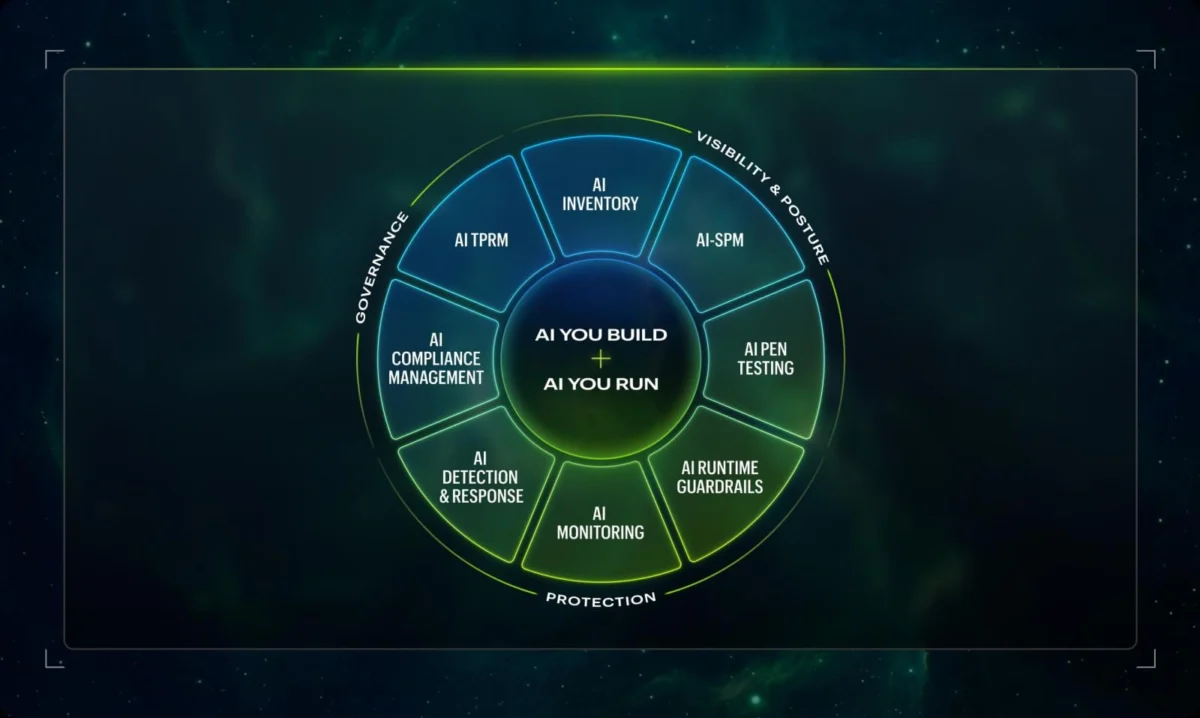
The accelerating integration of Artificial Intelligence across enterprise operations is fundamentally reshaping the security paradigm. Where traditional security models focused on perimeter defense and human-initiated actions, the rise of autonomous agents, Large Language Models (LLMs), and sophisticated copilots necessitates a security architecture rooted in data context and runtime enforcement. In response to this seismic shift, Varonis has launched Varonis Atlas, an end-to-end AI Security Platform designed to provide comprehensive visibility and control over AI systems throughout their lifecycle.
This general availability announcement signals a crucial maturation point for enterprise AI governance. As Yaki Faitelson, CEO and Co-founder of Varonis, articulates, the shift from user interfaces to direct, machine-speed data interaction by AI agents has elevated data and AI security to the forefront of organizational risk management. The central challenge identified is one of visibility: without a complete understanding of deployed AI assets and the sensitive data pools they can interact with, scaling AI adoption becomes inherently perilous. Atlas positions itself as the direct solution to bridge this gap, promising the "fastest path to safe and trustworthy AI."
The New Threat Landscape: Agentic Systems and Data Exposure
The ubiquity of generative AI tools embedded within daily workflows—from code generation to strategic analysis—has introduced vectors previously unseen. AI agents and LLMs are not merely reading data; they are writing, executing, and acting upon it autonomously, often at velocities that outpace traditional monitoring capabilities. This operational integration has created a critical security blind spot for many organizations: a lack of inventory regarding which AI systems are active, what level of data access they possess, and how their operations comply with rapidly evolving global regulations.
Industry analysis underscores the urgency. Research from Gartner, highlighted in their report, "The Future of AI Security is in Securing Agent Actions, Not Prompts," reveals that over half of surveyed organizations are already implementing or planning deployment of AI agents. Furthermore, Gartner projects that within three years, AI security platforms will be utilized by 30% of organizations specifically to safeguard agent development, acknowledging that the core of modern software engineering is increasingly reliant on these autonomous coding assistants.
This proliferation of autonomous AI escalates risk across several dimensions: unauthorized access to proprietary or regulated data, propagation of biases or erroneous outputs derived from insecure training data, and novel attack surfaces like prompt injection that can force models into unintended actions. Because AI security is inextricably linked to data security—the fuel for all generative capabilities—a platform built without deep data context is fundamentally limited. Atlas leverages the foundational Varonis Data Security Platform to embed this necessary data intelligence into every layer of its AI protection framework.
Deconstructing the Full AI Security Lifecycle with Atlas
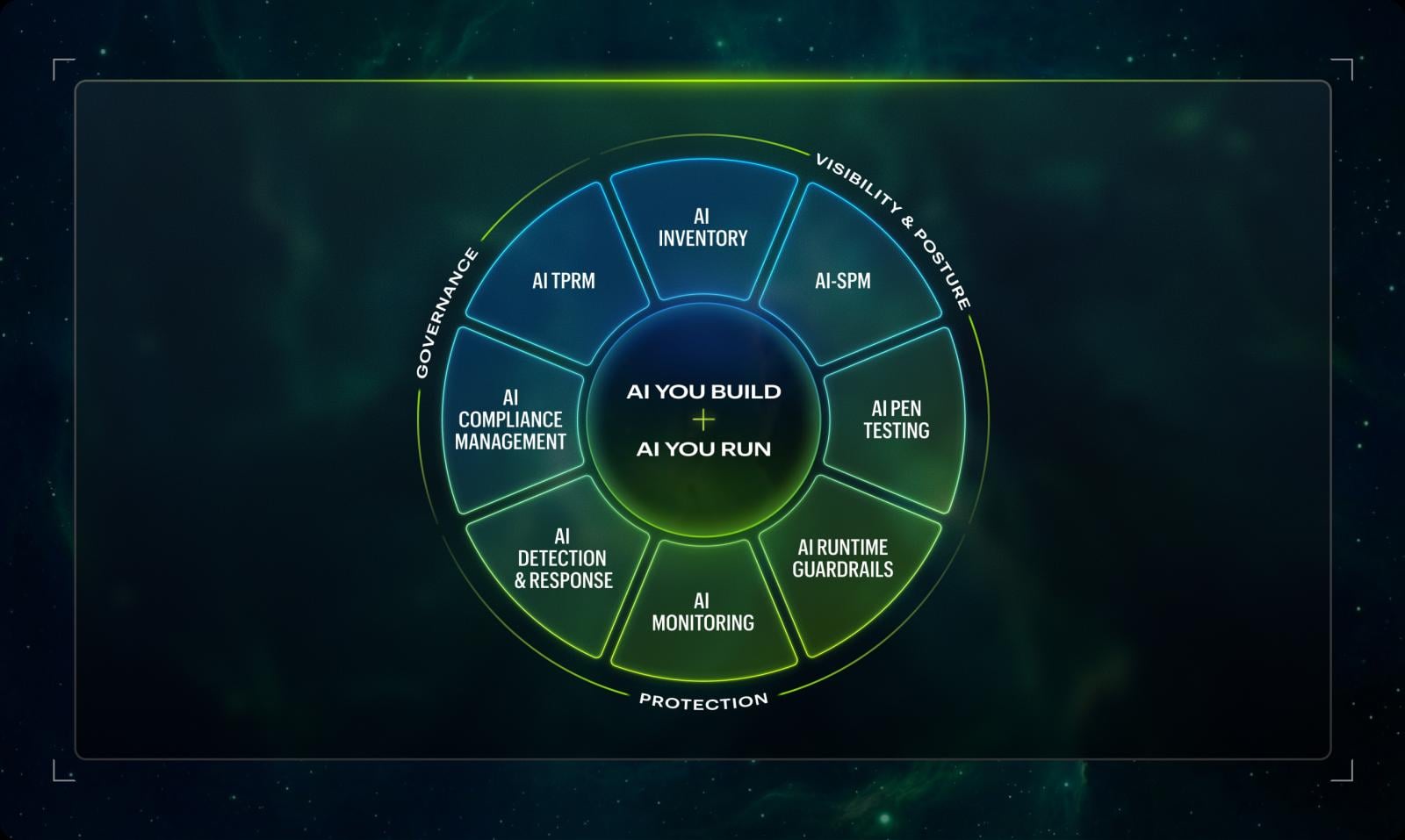
Varonis Atlas distinguishes itself by offering unified coverage across the entire AI security journey, moving beyond fragmented point solutions. This holistic approach addresses security needs from initial deployment assessment through live operational monitoring.
1. AI Inventory and the Shadow AI Challenge
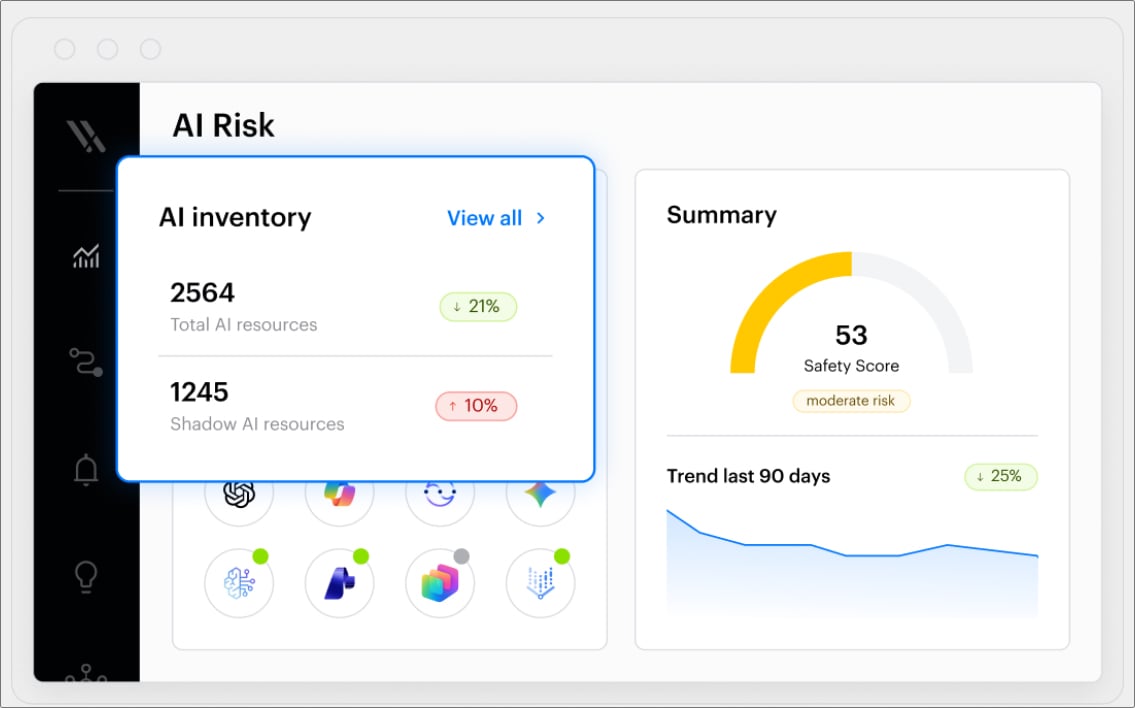
The first critical step in securing any technological deployment is accurate discovery. Atlas provides continuous, enterprise-wide inventorying of all AI assets. This goes beyond simply cataloging approved, sanctioned tools. Crucially, it targets "shadow AI"—the unsanctioned LLM applications, custom agents, or embedded systems deployed by departments without central IT oversight. By scanning cloud environments, code repositories, and SaaS consumption patterns, Atlas generates a dynamic, living map. This inventory details not just what AI exists, but how it is connected, which data it is authorized (or unauthorized) to touch, and the precise actions it is capable of executing. This foundational visibility is the prerequisite for implementing any subsequent security control.
2. AI Security Posture Management (AI-SPM)
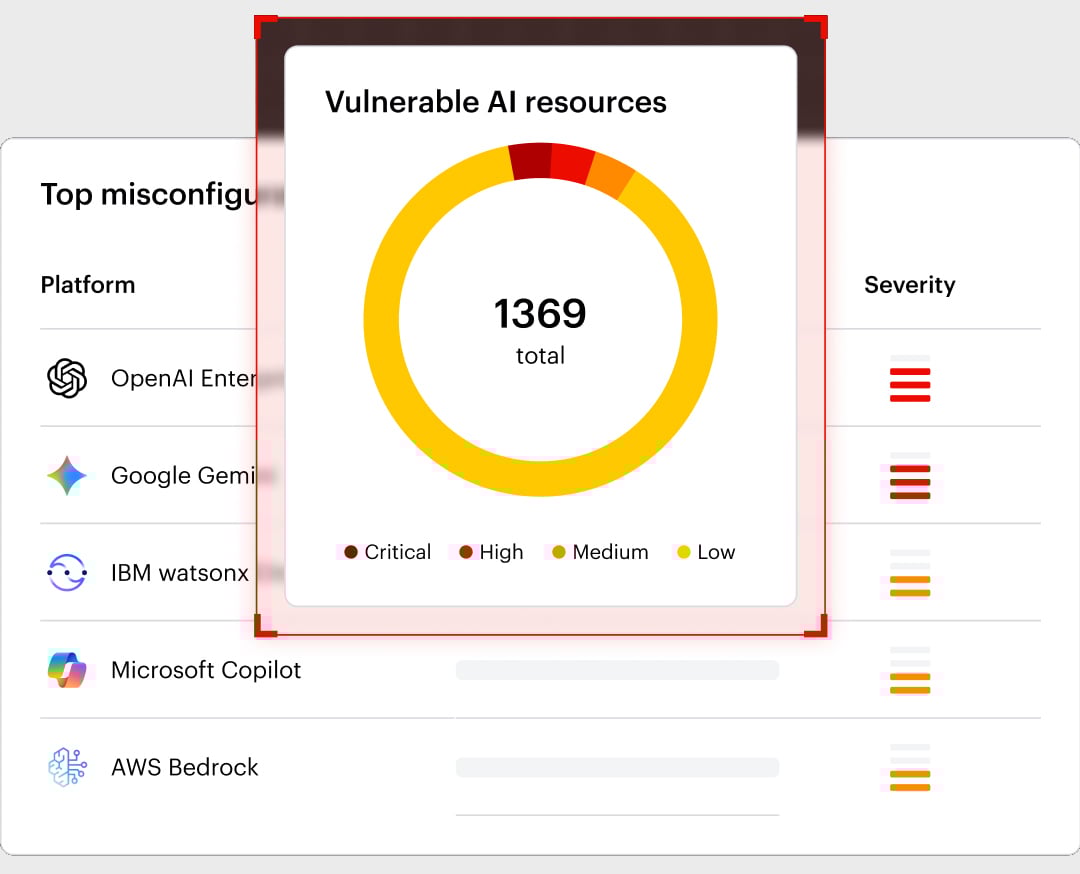
Once discovered, AI systems must be rigorously assessed for inherent weaknesses before they become production liabilities. Atlas’s AI Security Posture Management (AI-SPM) module functions as a continuous auditing layer. It scans the entire AI stack—including the underlying codebases, the input prompts used for fine-tuning or operation, the models themselves, external dependencies, and infrastructure configurations—for security vulnerabilities and misconfigurations. By linking identified security flaws directly to the specific AI assets and the sensitive data they govern, Atlas allows security teams to prioritize remediation efforts based on tangible data risk, preventing systemic vulnerabilities from scaling into enterprise-wide breaches.
3. Proactive Stress Testing: AI Penetration Testing
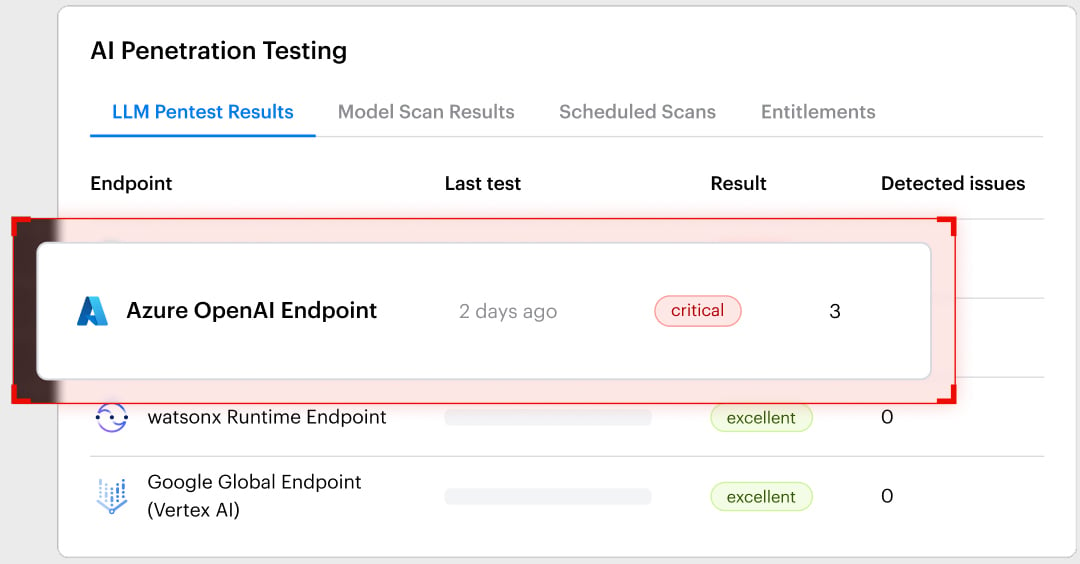
Static analysis only reveals known vulnerabilities. To understand the resilience of deployed AI against adversarial manipulation, Atlas incorporates proactive stress testing capabilities. This involves executing dynamic attacks against live LLM endpoints, simulating real-world exploitation techniques such as prompt injection, jailbreaking attempts, and policy circumvention scenarios. By simulating these adversarial interactions, teams can uncover latent security flaws that only manifest under operational duress. Every unsafe behavior uncovered through these runtime analyses is logged as a concrete security finding, mapped precisely back to the responsible model, agent, or configuration setting, providing actionable intelligence for hardening.
4. Real-Time Enforcement: AI Runtime Guardrails
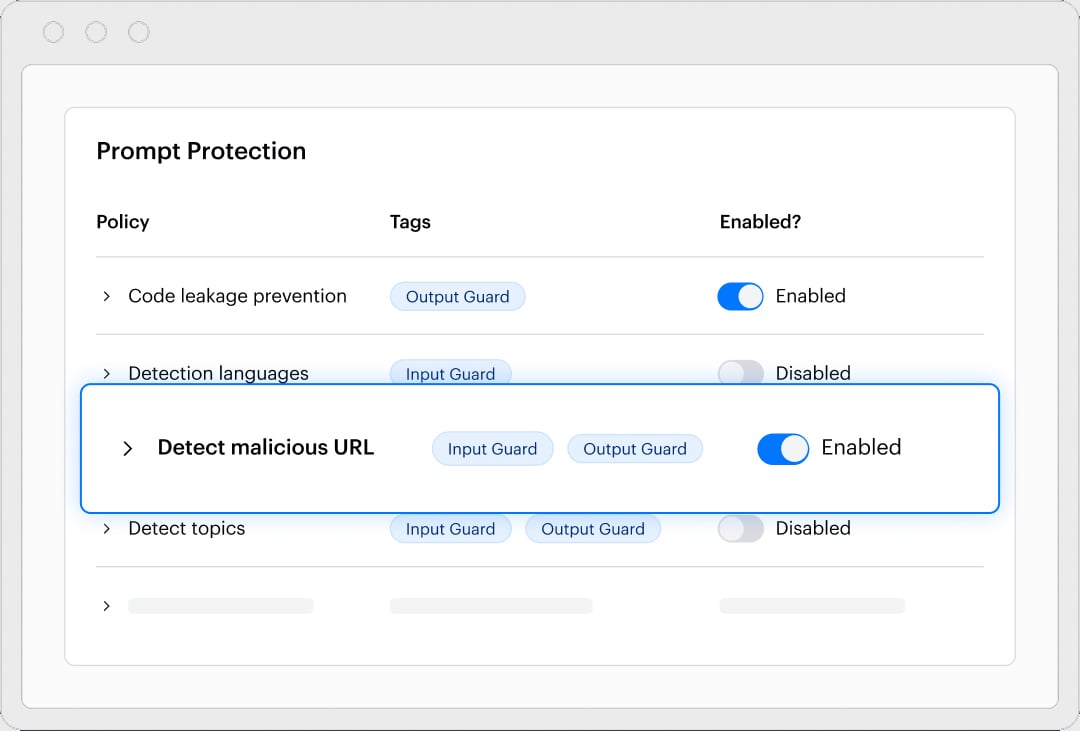
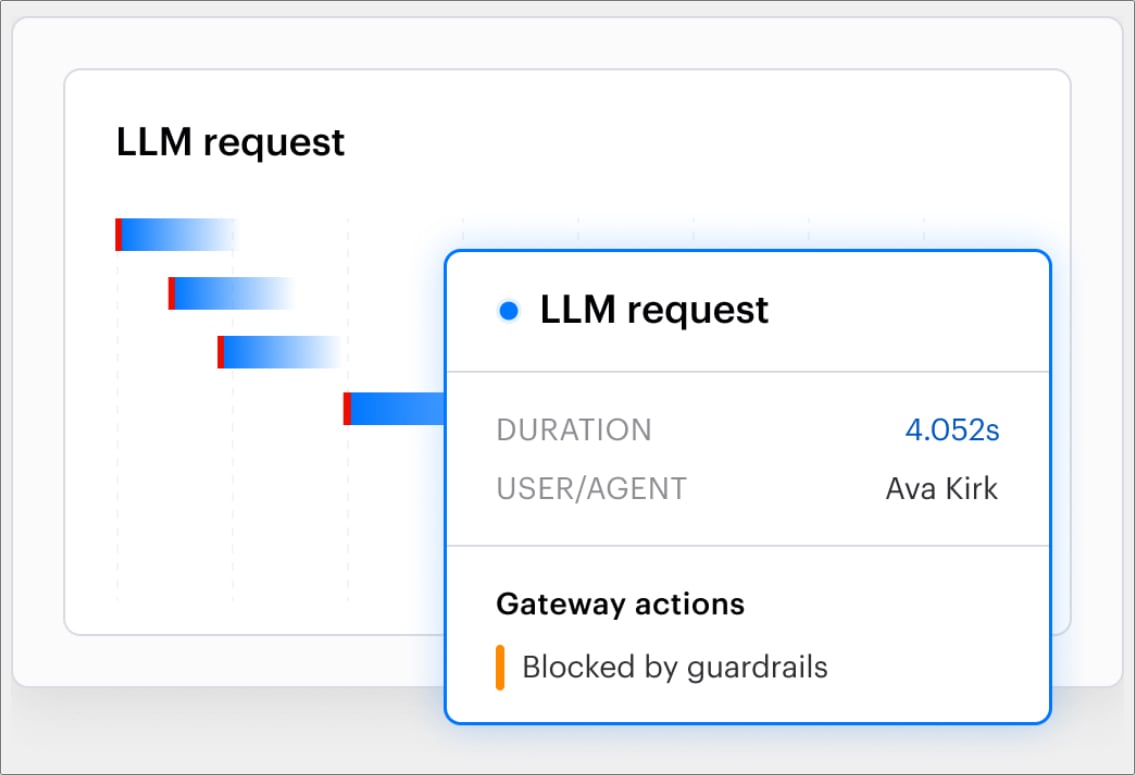
The transition from testing to live operation demands immediate enforcement mechanisms. Atlas introduces runtime guardrails via a dedicated AI Gateway positioned directly within the live request path. This gateway inspects every interaction—the incoming prompt, the generated response, and the agent’s intended downstream actions—before they reach the core model or subsequent systems. These inline controls are essential for preventing the immediate exfiltration of sensitive data (Data Loss Prevention for AI), blocking commands flagged as malicious or non-compliant, and generating immediate, high-fidelity alerts. A significant architectural advantage is that these guardrails can be implemented without necessitating costly or time-consuming modifications to the underlying AI applications or the models themselves.
5. Operationalizing AI Compliance and Governance
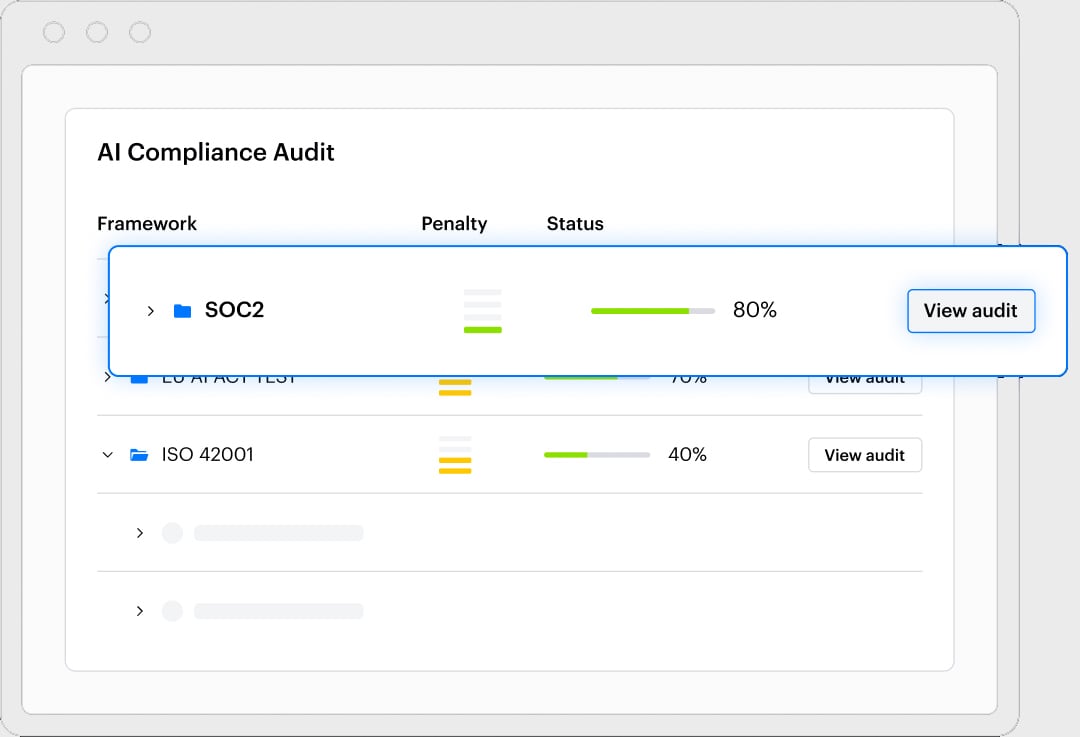
The regulatory landscape for AI is rapidly solidifying, exemplified by frameworks like the European Union’s AI Act and established standards like the NIST AI Risk Management Framework (RMF). Atlas transforms AI governance from a periodic, compliance-driven chore into an embedded, continuous operational discipline. The platform automates the mapping of deployed AI systems against these complex regulatory requirements. It generates audit-ready documentation, maintains critical artifacts related to lineage and transparency, and provides transparent tracking of risk assessments and remediation progress. This systematic approach ensures that compliance is an evidence-backed, ongoing function, rather than a fragile, snapshot-in-time exercise.
6. Managing Third-Party AI Risk (AI TPRM)
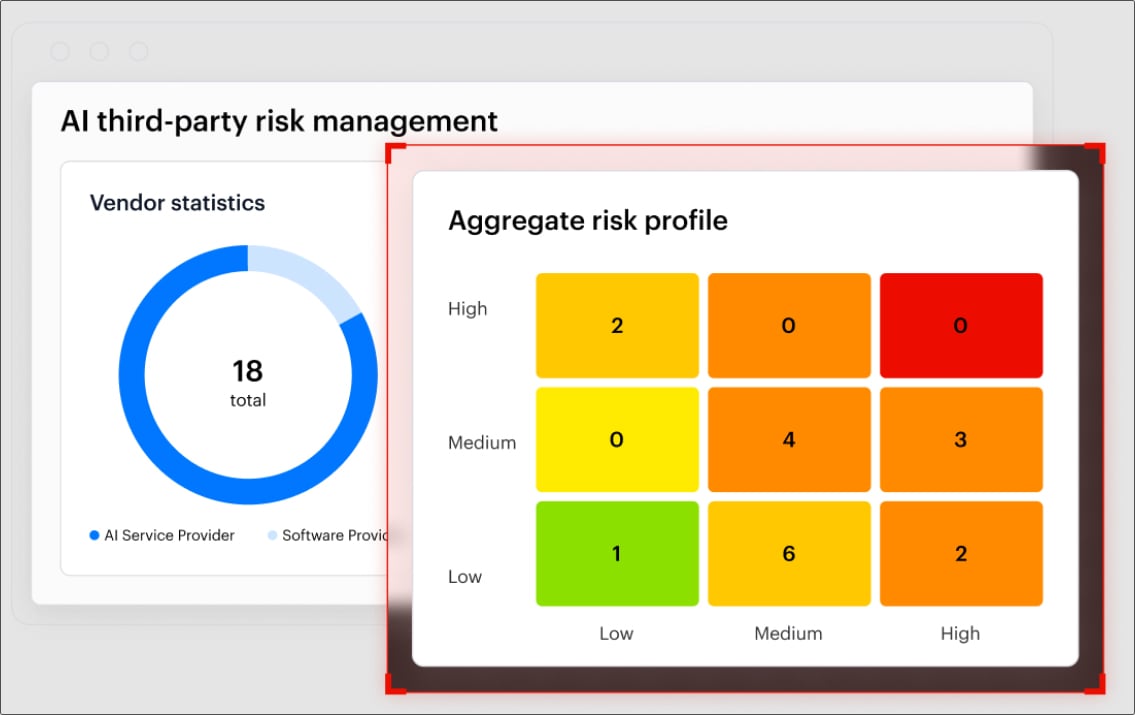
Modern enterprises rarely build all their AI components internally. A substantial portion of AI capability is sourced via external vendors, models, and cloud platforms. Atlas extends its security purview to cover this critical supply chain risk. By integrating external AI Bills of Materials (AIBOMs) or vendor inventory disclosures with internal risk questionnaires, Atlas assesses how third-party AI systems handle organizational data. This allows security teams to proactively identify, track, and mitigate risks stemming from external dependencies, ensuring the security lifecycle encompasses every component, whether built in-house or consumed as a service.
7. Deep Observability: AI Activity Monitoring
To effectively manage security, one must understand behavior. Atlas provides an exhaustive observability layer that captures the full context of AI operations in production. This includes detailed logging of prompts, responses, agent tool calls, data access events, and the decisions made by runtime guardrails. Crucially, this data is housed within a customer-owned observability framework, ensuring data sovereignty and control. Security and governance teams gain centralized dashboards to analyze usage patterns, swiftly identify anomalous or policy-violating behavior, and conduct forensic investigations supported by complete execution context across the entire chain of interaction—from user input through LLM processing to final action.
8. Accelerated Defense: AI Detection & Response (AIDR)
When threats materialize, speed is paramount. Atlas incorporates AI Detection and Response (AIDR) capabilities to actively hunt for and neutralize malicious or non-compliant AI behavior across all integrated systems. Upon detecting high-risk activities, such as successful prompt injections or attempted jailbreaks, Atlas triggers actionable alerts, can enforce inline blocking mechanisms where necessary, and integrates seamlessly with existing Security Information and Event Management (SIEM) and Security Orchestration, Automation, and Response (SOAR) platforms to facilitate immediate, context-aware incident response procedures.
The Indispensable Role of Data Context in AI Security
The foundational premise underpinning Varonis Atlas is that AI security divorced from data context is inherently ineffective. As Ron Bennatan, VP of AI and Data Security Strategy at Varonis, notes, many current AI security offerings suffer from being "fragmented and data-blind." They might catalog AI endpoints or filter input prompts, but they lack the crucial ability to trace whether an AI action resulted in unauthorized access to PII, intellectual property, or regulated financial data.
This ability to connect the autonomous action of an agent directly to the sensitivity and permissions of the accessed data is the defining differentiator. Scaling AI inevitably scales the potential for data exposure. If an AI agent, operating at machine speed, misinterprets a command or is successfully manipulated, the resulting data breach can be catastrophic. Atlas’s integration with the broader Varonis Data Security Platform ensures that the security controls applied to AI are informed by the same granular permissions, classification, and entitlement data that governs human access.
Future Trajectories and Industry Implications
The launch of comprehensive platforms like Atlas signals the industry’s transition from merely experimenting with AI safety to mandating mature, platform-based governance. The future of enterprise AI will be characterized by increased autonomy and complexity, driven by agentic workflows that manage entire business processes end-to-end. This evolution demands security solutions that are equally sophisticated and integrated.
We anticipate several major trends catalyzed by this shift:
- Standardization of Agent Security Protocols: As security platforms enforce runtime guardrails, industry standards for agent interaction and data handling will likely emerge, mirroring the evolution of secure API management.
- Increased Regulatory Scrutiny on Data Lineage: Compliance frameworks will increasingly require verifiable proof of how sensitive data was used, processed, and secured by autonomous systems, making the auditability features of Atlas critical.
- The Convergence of Cyber Resilience and AI Governance: Organizations will cease treating AI risk as a separate category; instead, AI security posture will become a core component of overall cyber resilience planning, demanding unified visibility across traditional infrastructure and generative workloads.
Varonis Atlas, now generally available, offers enterprises a structured methodology to navigate this complex terrain. By providing a unified platform covering discovery, posture validation, adversarial testing, real-time enforcement, and continuous compliance monitoring, it aims to accelerate secure AI adoption, transforming a significant organizational risk into a governed, trustworthy competitive advantage. Organizations interested in moving beyond basic prompt monitoring and toward comprehensive data-centric AI security can now explore the platform’s full capabilities, including its AI inventory, posture management, security testing, runtime guardrails, and compliance reporting functionality, through available trials.
