

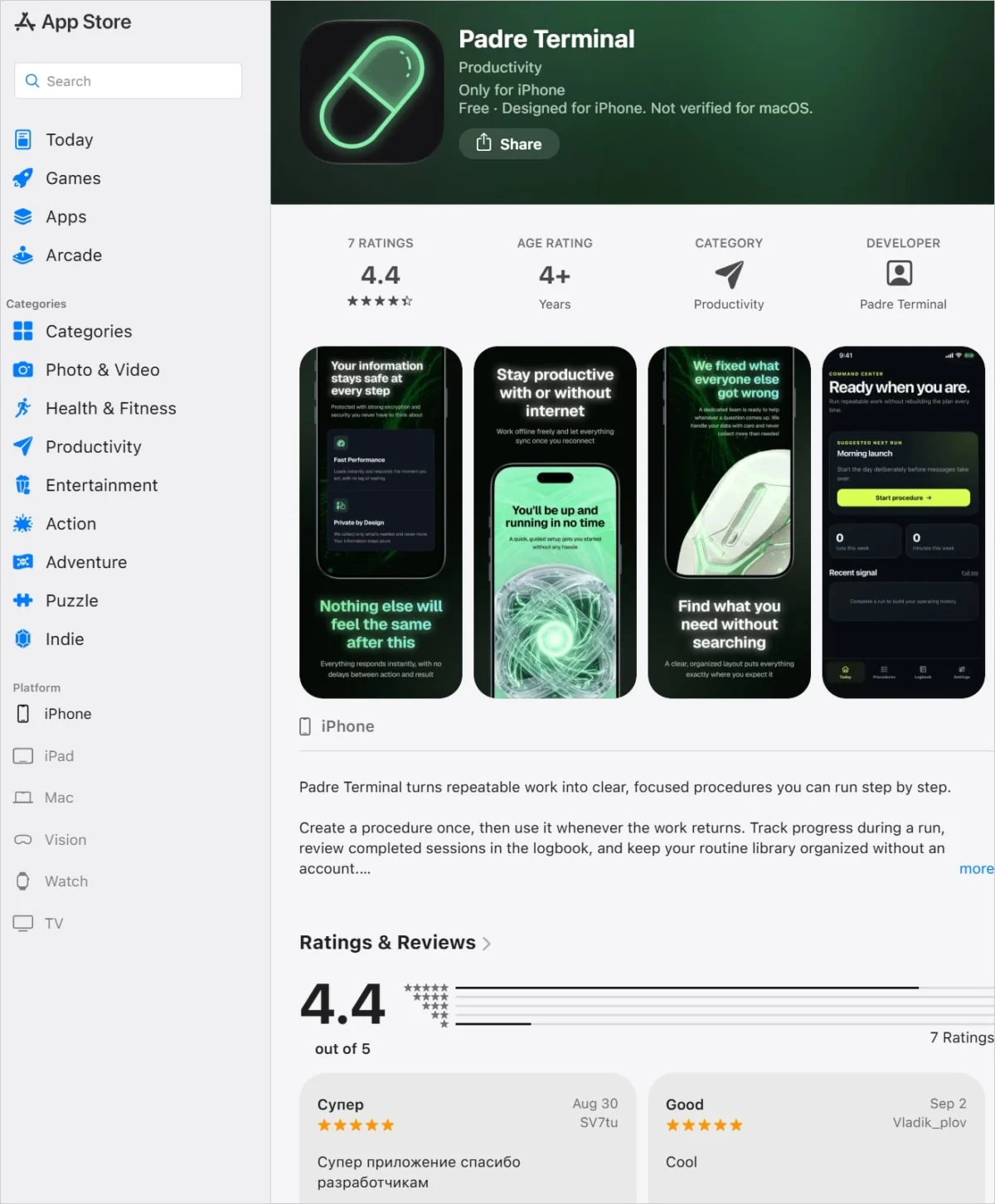
The intersection of decentralized finance and mobile application ecosystems continues to prove perilous for everyday retail investors. Recent blockchain intelligence revelations have cast a harsh spotlight on the persistent vulnerabilities within curated software marketplaces, following the exposure of a malicious iOS application masquerading as a prominent Solana-based trading platform. The rogue software, which successfully bypassed review protocols to secure placement on Apple’s proprietary App Store, has been directly connected to the systematic draining of roughly $23,000 across multiple Solana wallets. This incident underscores a broader, deeply concerning trend of cybercriminal syndicates weaponizing trusted digital storefronts to target high-velocity cryptocurrency sectors.
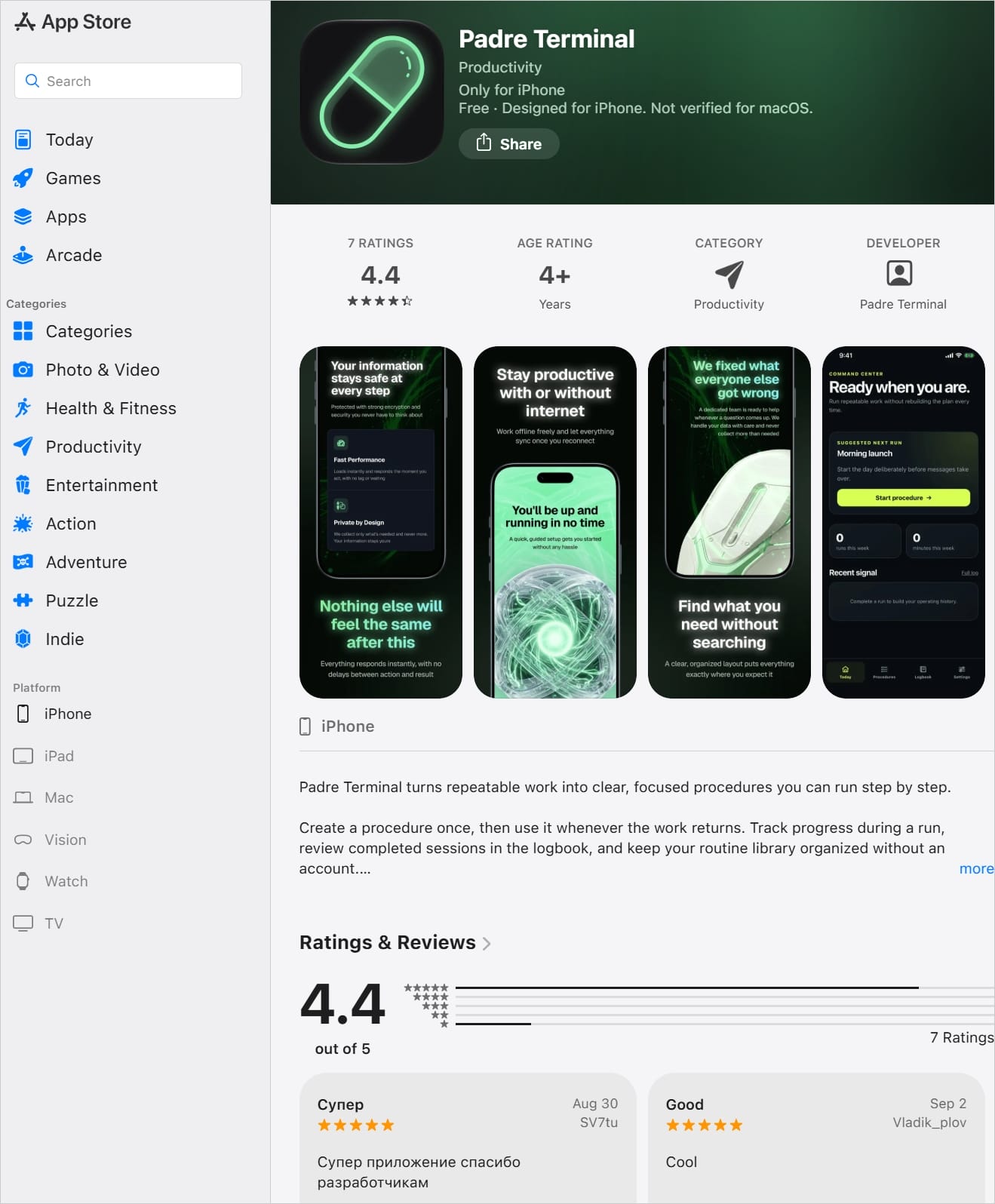
According to findings detailed by on-chain forensics expert Iris, the fraudulent application operated under the guise of "Padre Terminal"—a moniker previously associated with a popular trading utility utilized extensively for acquiring and exchanging speculative digital assets, commonly referred to as meme coins, on the Solana blockchain. Following a structural rebrand, the legitimate entity evolved into "Terminal by pump.fun." Crucially, the authentic development team maintains a strictly web-based operational model, meaning that any standalone mobile software claiming to offer native iOS integration for the service is inherently malicious.

Despite the eventual intervention and removal of the offending software—which currently yields a standard HTTP 404 error upon accessing its former listing—the operational footprint of the campaign reveals sophisticated tradecraft. Forensic analysis indicates that the fraudulent utility extracted funds by prompting unsuspecting users to import their private cryptographic keys directly into the interface. Once granted this level of administrative access, the backend architecture systematically emptied targeted vaults. Blockchain trackers confirmed that at least 27 distinct Solana wallets fell victim to the scheme after the operation scaled up late in October.
The anatomy of the heist highlights how modern threat actors rapidly launder and consolidate stolen digital wealth to evade centralized financial countermeasures. On-chain investigators mapped the movement of the pilfered capital to a primary collection address on the Solana network. In a calculated maneuver designed to circumvent potential asset freezes by centralized token issuers, the perpetrator converted all remaining holdings of USD Coin (USDC)—amounting to over 4,000 tokens—into native Solana (SOL) assets. This conversion effectively neutralized the capability of issuers like Circle to blacklist or freeze the stablecoin funds. Subsequently, a substantial tranche of 192 SOL was funneled into a newly generated destination wallet. At the time of the latest intelligence disclosures, the combined addresses held upwards of 229 SOL, with the mastermind yet to offload the assets through centralized exchange ramps.
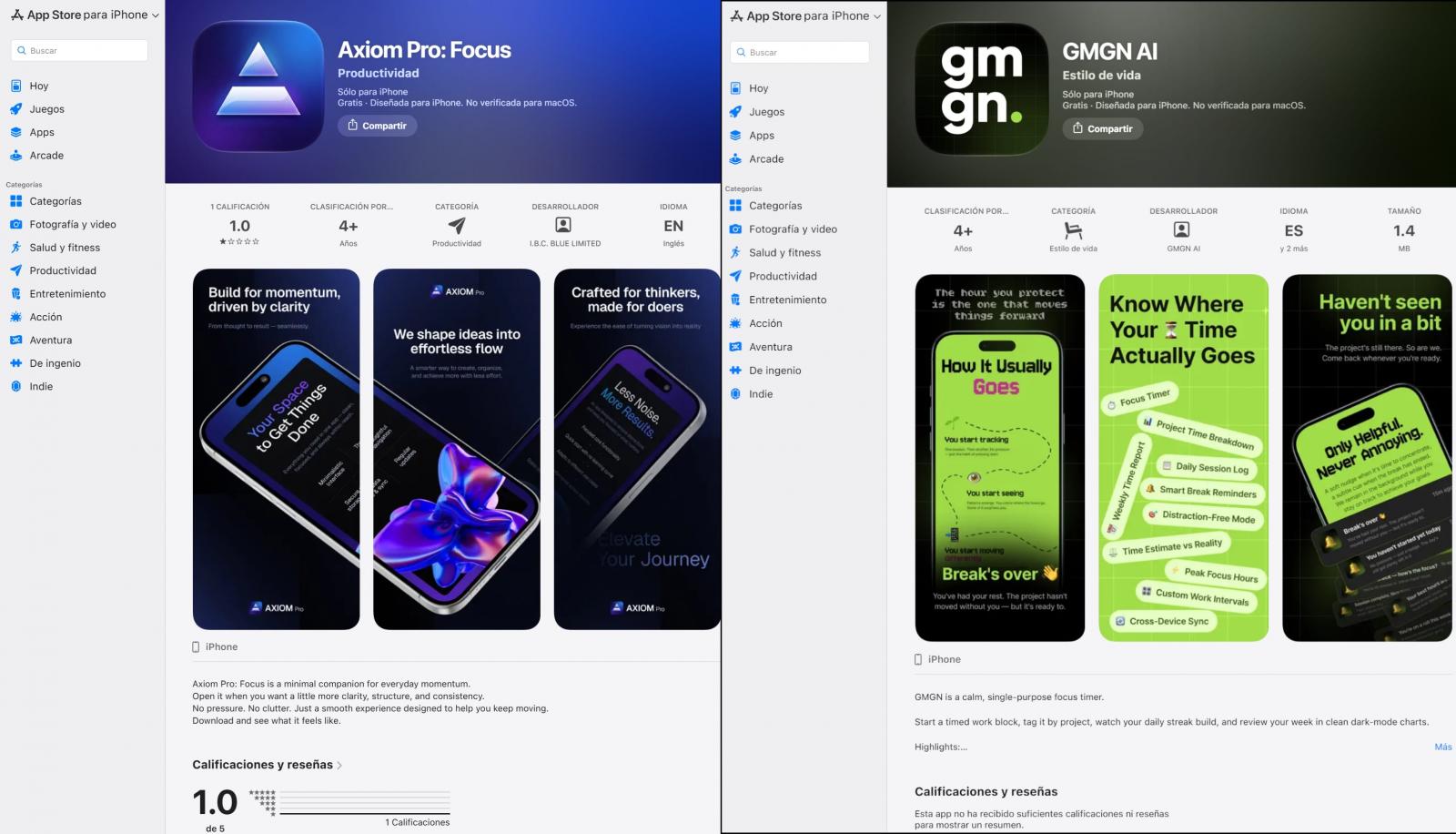
The discovery of the Padre Terminal impostor is far from an isolated anomaly; rather, it serves as a symptom of a systemic vetting failure within mobile software distribution channels. Extended surveillance by blockchain security teams has uncovered an expanding cluster of deceptive utilities currently or recently hosted on the App Store. Among the flagged software are titles such as "Axiom Pro: Focus," "GMGN AI," "HyperTerminal-HyperliquidTools," and "Pump Fun Tokens & Analitycs." These listings typically employ a veneer of legitimacy, utilizing innocuous functional descriptions—ranging from productivity timers to note-taking tools—while hiding their true destructive purpose.
Clues regarding the true nature of these programs frequently surface not through automated detection systems, but via user-generated review sections. In the case of Axiom Pro: Focus, public feedback dating back months explicitly warned prospective downloaders of wallet pillaging, with victims noting that the interface initially projected the appearance of a decentralized exchange before dynamically shifting its persona. Similar alerts populated the review boards for GMGN AI and HyperTerminal-HyperliquidTools, detailing losses running into the thousands of dollars.
Deeper technical investigations into the backend infrastructure supporting these deceptive applications reveal potential operational links between disparate campaigns. Forensic scripts recovered from fraudulent web domains associated with the Axiom impostor contained shared backend linkages pointing toward Aster and GMGN clones, hinting at a centralized threat group orchestrating multi-brand impersonation strategies. Interestingly, the infrastructure behind Padre Terminal appeared disjointed from this specific cluster, suggesting that multiple independent cybercriminal cells are exploiting the same structural loopholes in application review pipelines. Furthermore, behavioral anomalies embedded within the code of sites like GMGN—such as scripts designed to block incoming traffic originating from several Commonwealth of Independent States (CIS) nations—point to regional targeting strategies frequently employed by threat actors seeking to minimize local law enforcement scrutiny.
The recurrence of these incidents invites intense scrutiny regarding the efficacy of platform-level security gates. Apple’s rigorous review process has long been touted as a premier defense mechanism against malware, distinguishing iOS ecosystems from more fragmented operating environments. Yet, the persistent infiltration of crypto-drainer programs indicates that threat actors have successfully mastered the art of "bait-and-switch" tactics. These malicious publishers frequently submit benign applications that pass initial inspection phases, only to alter their functional behavior via remote server-side updates once the software is actively distributed to global consumer devices.
This vulnerability profile mirrors historical precedents, such as the high-profile infiltration of a fraudulent Leather cryptocurrency wallet application earlier in the decade, which similarly operated undetected for weeks before platform administrators enacted corrective measures. The delay between initial deployment and eventual remediation often grants threat actors a lucrative window of opportunity to harvest credentials from early adopters who place misplaced trust in the security imprimatur of official app marketplaces.
As decentralized finance continues to mature and attract mainstream capital inflows, the vector of mobile application compromise remains one of the most lucrative avenues for opportunistic cybercriminals. Industry experts emphasize that mitigating these threats requires a multi-layered defense strategy. Software marketplace operators must adopt proactive heuristics that monitor runtime behavior and server-side content shifts, rather than relying solely on static binary analysis during initial submission reviews. Simultaneously, blockchain infrastructure providers and wallet developers must continually educate retail participants on fundamental security hygiene—reinforcing the immutable rule that private keys and recovery phrases should never under any circumstances be inputted into third-party mobile applications, regardless of how convincing their user interfaces appear. Until automated vetting mechanisms evolve to counteract dynamic remote-loading threats, digital asset holders must remain their own first line of defense, exercising extreme skepticism toward any financial utility discovered outside official, verified project distribution channels.
