

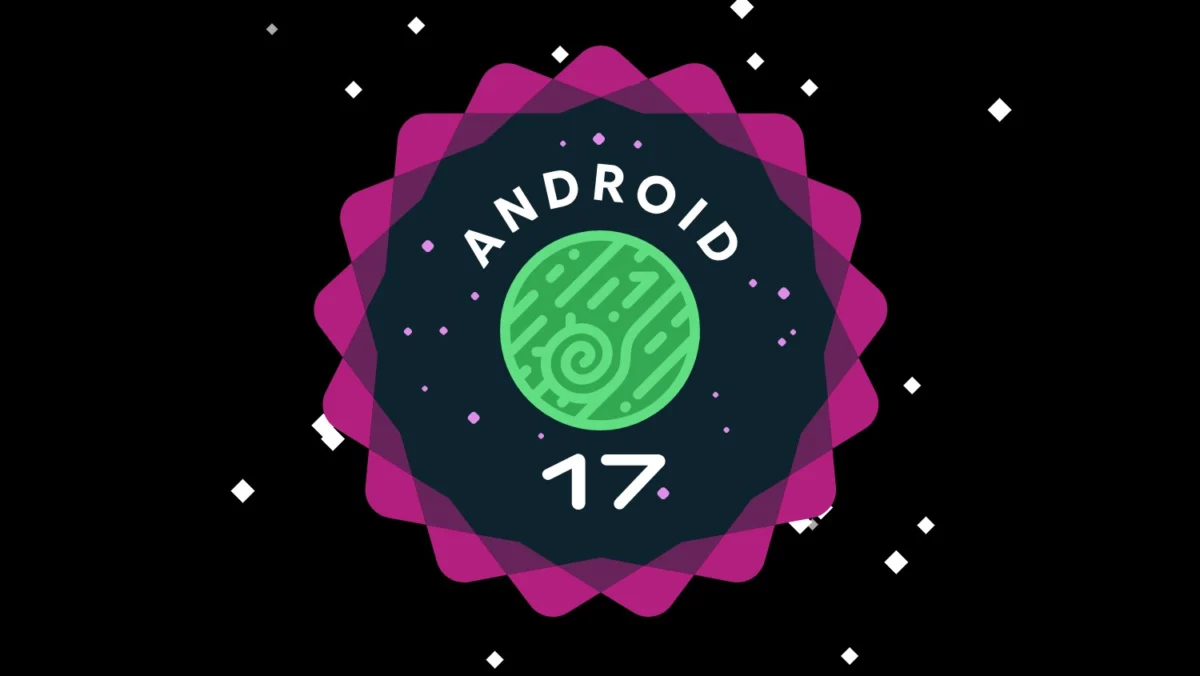
The release of Android 17 Beta 4 marks a significant milestone in the software’s lifecycle, representing the final scheduled preview before the platform moves into its stable, public release phase. With the core architecture having achieved platform stability as of Beta 3, the development focus has shifted away from feature implementation toward final polish, optimization, and the inclusion of those whimsical, hidden software signatures that have become a hallmark of the Android ecosystem. While the technical underpinnings are now locked, Beta 4 brings with it the long-anticipated reveal of this year’s interactive Easter egg, a creative touchpoint that offers users a moment of levity amidst the rigorous complexity of mobile operating system development.
The Evolution of the Android Aesthetic
For years, Google has utilized its version-specific Easter eggs as a creative canvas. From the rotating neon desserts of early Android versions to the abstract, generative art pieces seen in more recent iterations, these hidden features serve as a testament to the company’s design philosophy. The progression of the Android 17 branding has been particularly notable during this development cycle. Since the early preview builds, observers noted a gradual transformation in the system’s visual identity—specifically, the refinement of a planetary logo design.
In the initial developer previews, the logo appeared as a static, minimalist celestial body. However, as the beta program progressed, subsequent updates introduced a subtle yet deliberate increase in the "swirl" pattern integrated into the design. This thematic shift toward cosmic geometry was not merely an aesthetic choice; it signaled the underlying motif for the version 17 release. By Beta 4, this visual evolution has culminated in a fully interactive, star-mapping experience that rewards the user for their curiosity.
Navigating the Hidden Interface
Accessing this digital artifact remains consistent with the tradition established by previous iterations. Users seeking to engage with the feature must navigate to the system’s deep settings: navigating to Settings > About phone, locating the Android Version submenu, and performing a sequence of rapid taps on the version number. This action triggers the activation of the hidden module.
Once initiated, the user is presented with a night-sky-inspired interface populated by a series of glowing nodes or "stars." The objective is to manipulate these points to reveal the final, finalized Android 17 logo. Unlike the more restrictive puzzles of the past, this year’s iteration provides a surprising degree of creative freedom. While tracing a circular path—effectively connecting the stars in a perimeter—is the most intuitive method to generate the iconic symbol, the underlying code allows for non-linear interactions. Users can experiment with different connective sequences, suggesting a procedural approach to the interface that accommodates various user inputs. This shift toward open-ended interaction reflects a broader trend in software design: the move from rigid, "solve-the-puzzle" mechanics to more exploratory, user-defined experiences.
Industry Implications and Software Culture
The inclusion of such playful elements in a high-stakes enterprise environment like Android serves several strategic purposes. First, it reinforces the brand identity of the OS as a platform that values user engagement beyond pure utility. In a market dominated by intense competition and technical feature-parity, these small, human-centric touches foster a sense of loyalty and community among enthusiasts. They provide a "hook" for the developer community and power users who spend hours combing through every byte of a new beta release, effectively turning a standard software update into a discovery-driven event.
Furthermore, these Easter eggs act as a low-risk testing ground for UI/UX concepts. The interactive star-mapping interface, while seemingly trivial, utilizes touch-responsiveness, vector rendering, and gesture recognition—all of which are core components of the Android UI toolkit. By incorporating these elements into an Easter egg, Google engineers can observe how users interact with these specific gesture-based inputs in a controlled, non-critical environment. It is a subtle form of user-testing that benefits from the enthusiasm of the early-adopter base.
Technical Maturity and the Path to Stable Release
From a technical standpoint, the transition from Beta 3 to Beta 4 represents the final stage of "feature freeze." When Google declares platform stability, it implies that all APIs and system behaviors are finalized, preventing any further changes that might break app compatibility. This is crucial for developers who need to prepare their applications for the official launch. The Easter egg, therefore, represents the last piece of "flavor" added to the build before the final image is signed for deployment.
The move toward a more abstract, celestial-themed identity for Android 17 also mirrors current design trends in mobile software. As operating systems move away from skeuomorphism—the design style where digital elements mimic real-world objects—toward more fluid, dynamic, and light-based interfaces, the imagery chosen for Android 17 feels appropriately aligned with the "Material You" design language. The use of generative swirls and star-mapping implies a focus on fluidity and personalization, characteristics that Google has been aggressively pushing in recent years.
The Future of Hidden Features
Looking forward, one must consider how these interactive elements might evolve as AI and machine learning become increasingly integrated into the OS kernel. Could future Easter eggs move beyond simple touch-based puzzles to become generative AI experiences? Imagine a system where the "hidden" content is unique to every user, generated in real-time by a local model based on their usage patterns or preferences. While this remains speculative, the current trajectory of the Android development team suggests a move toward more dynamic, personalized user experiences.
The Android 17 Easter egg, while seemingly a minor inclusion, encapsulates the current ethos of the Android development cycle: a meticulous focus on technical stability combined with a desire to keep the user experience feeling fresh and exploratory. It serves as a reminder that even as mobile operating systems become increasingly complex and standardized, there is still room for the playful, the mysterious, and the unexpected.
As the development cycle concludes, the focus now shifts to the wider rollout. For the average user, the existence of this star-mapping interface will likely remain unknown until they receive the final update. For those following the beta program, however, it serves as the final, polished signature on a long and complex journey of development. It is a moment of digital discovery that punctuates the otherwise austere process of version iteration, leaving a lasting impression of the team’s attention to detail—a hallmark of the Android platform that persists, regardless of the version number.
As we anticipate the broader release of Android 17, this Easter egg stands as a testament to the enduring culture of the tech world—a space where developers and engineers, even when building the most powerful tools in the world, still take the time to look at the stars and find a way to make them play along.
