

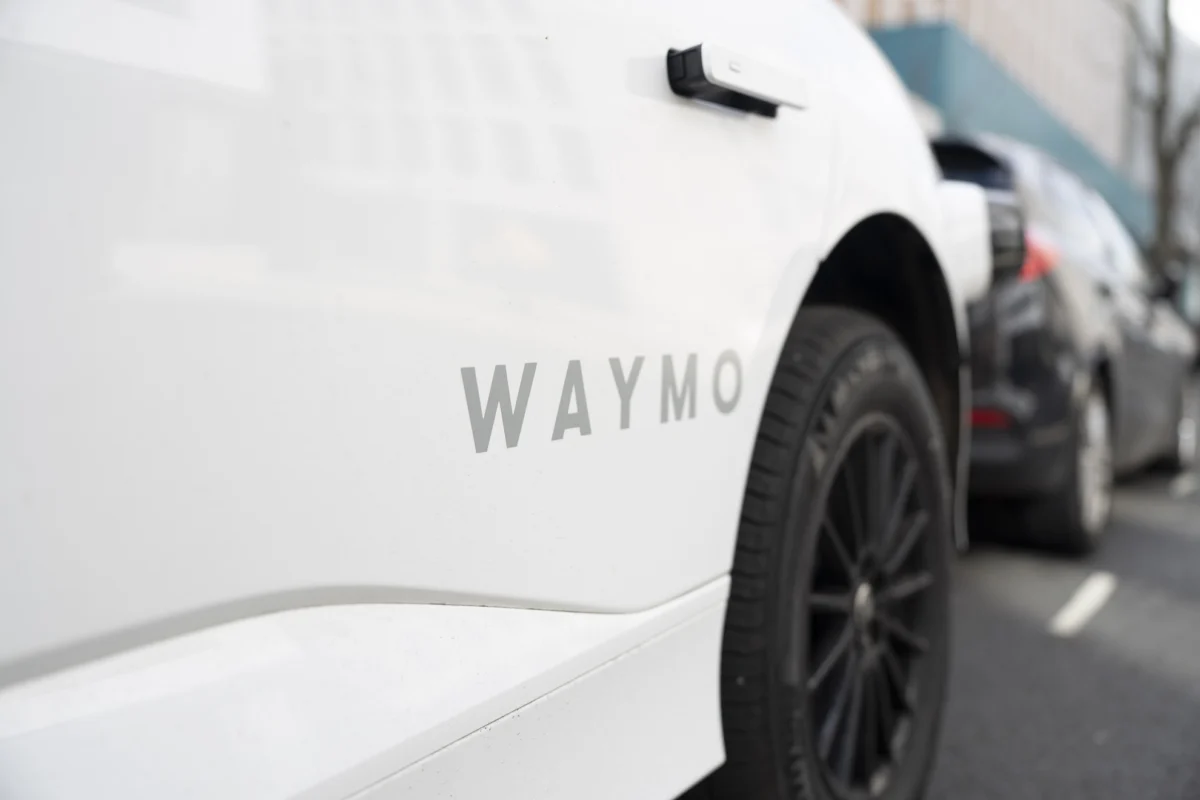
The streets of London, famous for their historical complexity, narrow mews, and unpredictable weather, are now serving as the ultimate proving ground for the next generation of transportation. Waymo, the autonomous driving subsidiary of Alphabet Inc., has officially transitioned its London operations into a vital new phase, deploying its self-driving vehicles onto public roads in a move that signals a major escalation in the global race for autonomous ride-hailing supremacy. This deployment marks a pivotal moment for the company as it seeks to translate its success in the United States into a viable commercial service within one of Europe’s most challenging urban environments.
For months, the presence of Waymo’s fleet in the United Kingdom was restricted to manual data collection. Specialized teams navigated the city’s labyrinthine road networks to create high-definition maps, a prerequisite for the sophisticated sensor suites to understand their surroundings. Now, the company has confirmed that its all-electric Jaguar I-Pace vehicles are operating in autonomous mode. While the "Waymo Driver"—the company’s proprietary artificial intelligence system—is at the helm, these initial trials include a human safety specialist in the driver’s seat to monitor performance and intervene if necessary. This cautious, tiered approach is a hallmark of Waymo’s safety protocol, designed to build public trust and satisfy regulatory scrutiny before removing the human element entirely.
Dmitri Dolgov, Waymo’s co-CEO, recently highlighted the technical significance of this expansion, noting that the core driving AI is "generalizing very well" to the unique demands of British infrastructure. This "generalization" is the holy grail of autonomous vehicle (AV) development. It refers to the AI’s ability to take lessons learned in the wide, sun-drenched boulevards of Phoenix or the hilly grids of San Francisco and apply them to the radically different context of London. From driving on the left side of the road to navigating the city’s iconic but chaotic roundabouts and managing the high density of cyclists and pedestrians, the London trials represent a stress test of the system’s adaptability.
The Strategic Importance of the London Market
London is not merely another city on a map for Waymo; it is a gateway to the European continent and a critical test of the company’s business model outside of North America. The decision to invest heavily in the UK capital involves more than just putting cars on the road. Waymo is establishing a robust physical and professional infrastructure, including the opening of multiple service centers across the city and the recruitment of local talent to manage fleet operations.
Furthermore, the company has been proactive in its engagement with local stakeholders. Waymo representatives have confirmed ongoing collaborations with London’s emergency services to ensure that autonomous vehicles can safely interact with police, fire, and ambulance vehicles—a frequent point of friction in US-based deployments. By addressing these logistical and social challenges early, Waymo is attempting to preempt the criticisms that have occasionally dogged AV companies in American markets.
The groundwork for this expansion was actually laid years ago. In 2019, Waymo acquired Latent Logic, an Oxford-based startup specializing in machine learning. Latent Logic’s expertise in "imitation learning"—a process where AI learns to mimic human behavior in complex simulations—has been instrumental in refining how Waymo’s vehicles predict the movements of other road users. This acquisition also gave Waymo an engineering hub in Oxford, providing a direct pipeline to the UK’s elite academic and technical talent pool.
Regulatory Hurdles and the Road to 2026
While the technology continues to advance, the timeline for a commercial launch remains tethered to the pace of British legislation. Waymo has set its sights on 2026 for the introduction of a public robotaxi service, but this goal is contingent on the UK government finalizing the regulatory frameworks necessary for driverless operations.
The UK has shown a strong appetite for becoming a global leader in autonomous technology. The recent passage of the Automated Vehicles (AV) Act provides a legal foundation for the deployment of self-driving cars, establishing clear lines of liability and safety standards. However, the secondary legislation—the granular rules that dictate how these vehicles are certified and monitored—is still being drafted. Waymo’s presence on the ground serves as a form of "regulatory diplomacy," providing lawmakers with real-world data to help shape these final policies.
If Waymo adheres to its established playbook, the transition to a commercial service will be gradual. Following the current phase of safety-driver testing, the company will likely move to "rider-only" testing with its own employees. Only after millions of miles of successful data points are collected will the service be opened to the general public.
A Crowded Field: The Competitive Landscape
Waymo is far from the only player vying for dominance in the London "mobility-as-a-service" sector. The city is becoming a primary battleground for competing philosophies of autonomous driving. Most notably, Wayve—a UK-based startup backed by significant investment from SoftBank, Nvidia, and Microsoft—is developing an "embodied AI" approach that relies less on expensive lidar and high-definition maps and more on end-to-end deep learning.
In a strategic move that mirrors Waymo’s ambitions, Wayve has partnered with Uber to eventually launch its own robotaxi service in London. This creates a fascinating dynamic: Waymo, the global incumbent with a massive, proven fleet of over 3,000 vehicles, versus Wayve, the local innovator with a leaner, software-centric approach. Additionally, traditional automotive giants like Nissan are entering the fray, collaborating with both Uber and Wayve on pilot programs that extend from London to Tokyo.
This competition is healthy for the industry, as it accelerates innovation and forces companies to prioritize safety and user experience. For Londoners, the result will likely be a more diverse array of transportation options, potentially reducing the reliance on private car ownership and easing the city’s chronic congestion.
Technical Evolution and Fleet Expansion
The hardware powering Waymo’s London fleet represents the pinnacle of current AV technology. The Jaguar I-Pace SUVs are outfitted with the "fifth-generation" Waymo Driver, a suite that includes high-resolution lidar capable of "seeing" objects several hundred meters away, as well as sophisticated radar and camera systems that provide a 360-degree view of the environment in various lighting and weather conditions.
However, the fleet is also evolving. While the Jaguar remains the flagship for now, Waymo is increasingly looking toward more purpose-built vehicles. The company has recently integrated new minivan-style vehicles manufactured by Zeekr, an electric vehicle brand owned by Geely. These vehicles are designed specifically for ride-hailing, featuring low floors, ample cabin space, and easy ingress and egress, signaling a shift from adapting existing cars to creating bespoke autonomous "pods."
Industry Implications and the Future of Urban Mobility
The implications of Waymo’s successful integration into London extend far beyond the city limits. If Alphabet’s subsidiary can master the intricacies of a major European capital, it proves that autonomous driving is not a "Silicon Valley niche" but a globally scalable solution.
From an economic perspective, the shift toward robotaxis could revolutionize urban planning. If a fleet of autonomous vehicles can provide reliable, on-demand transport at a lower cost than car ownership, cities may eventually be able to repurpose vast amounts of parking space for housing or green zones. Furthermore, the all-electric nature of Waymo’s fleet aligns with London’s Ultra Low Emission Zone (ULEZ) goals, contributing to a reduction in urban air pollution.
However, challenges remain. Public skepticism, concerns over job displacement for traditional taxi and private-hire drivers, and the sheer unpredictability of urban environments mean that the path to 2026 will be fraught with scrutiny. Waymo’s current testing phase is as much about social integration as it is about technical validation.
As the Jaguar I-Paces continue their quiet patrols through the streets of Westminster, Camden, and Southwark, they represent more than just a tech demo. They are the vanguard of a fundamental shift in how humanity moves. With London as its latest laboratory, Waymo is not just testing a car; it is attempting to rewrite the rules of the road for the 21st century. The world will be watching closely to see if the "Waymo Driver" can navigate the complexities of the Old World with the same confidence it has shown in the New.
